'Cosmic tunnel': Scientists confirm presence of a mysterious doorway linking our solar system to distant constellations

Getting to grips with these structures doesn’t just change how we see the universe; it also opens up new doors for studying cosmic evolution and understanding the processes that govern interstellar environments.
A new view of our galactic surroundings
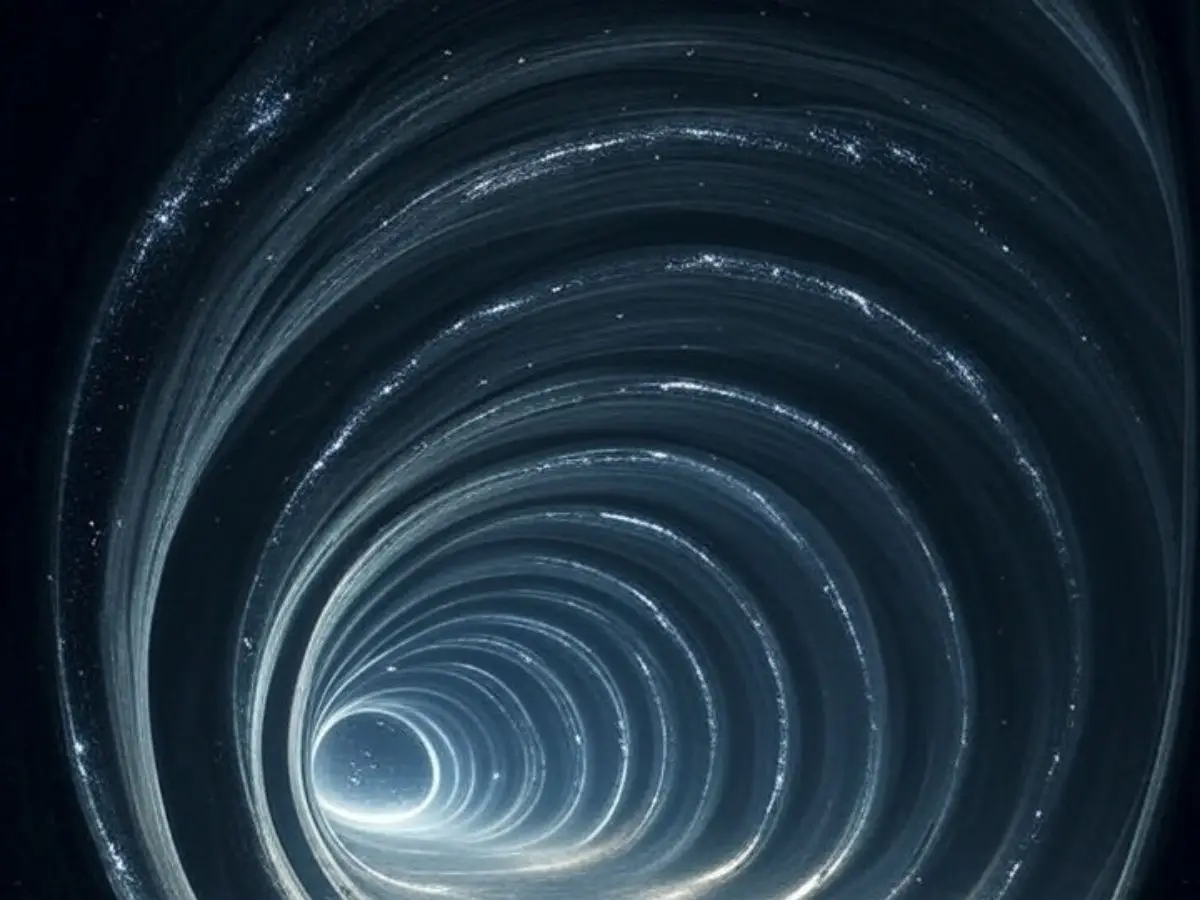
A major study published in Astronomy & Astrophysics has revealed a remarkable structure within our corner of the Milky Way: a tunnel-like corridor of hot plasma extending from the Solar System’s Local Hot Bubble towards the constellation Centaurus. The discovery, based on detailed observations from the eROSITA X-ray telescope aboard the Spectrum-Roentgen-Gamma (SRG) observatory, provides the clearest three-dimensional view yet of the hot, low-density environment in which our Solar System resides.
The Local Hot Bubble revisited
The Local Hot Bubble (LHB) is a vast cavity of superheated gas roughly 1,000 light-years across, thought to have formed about 14 million years ago when a series of supernova explosions swept away surrounding interstellar gas and dust. This left behind a million-degree Kelvin plasma that glows in soft X-rays. Astronomers have known of its existence for decades, but mapping its shape from within has proved difficult. Lead researcher Michael Yeung of the Max Planck Institute for Extraterrestrial Physics likened the challenge to “describing the shape of your fish tank while standing inside it.”
How astronomers mapped the tunnel
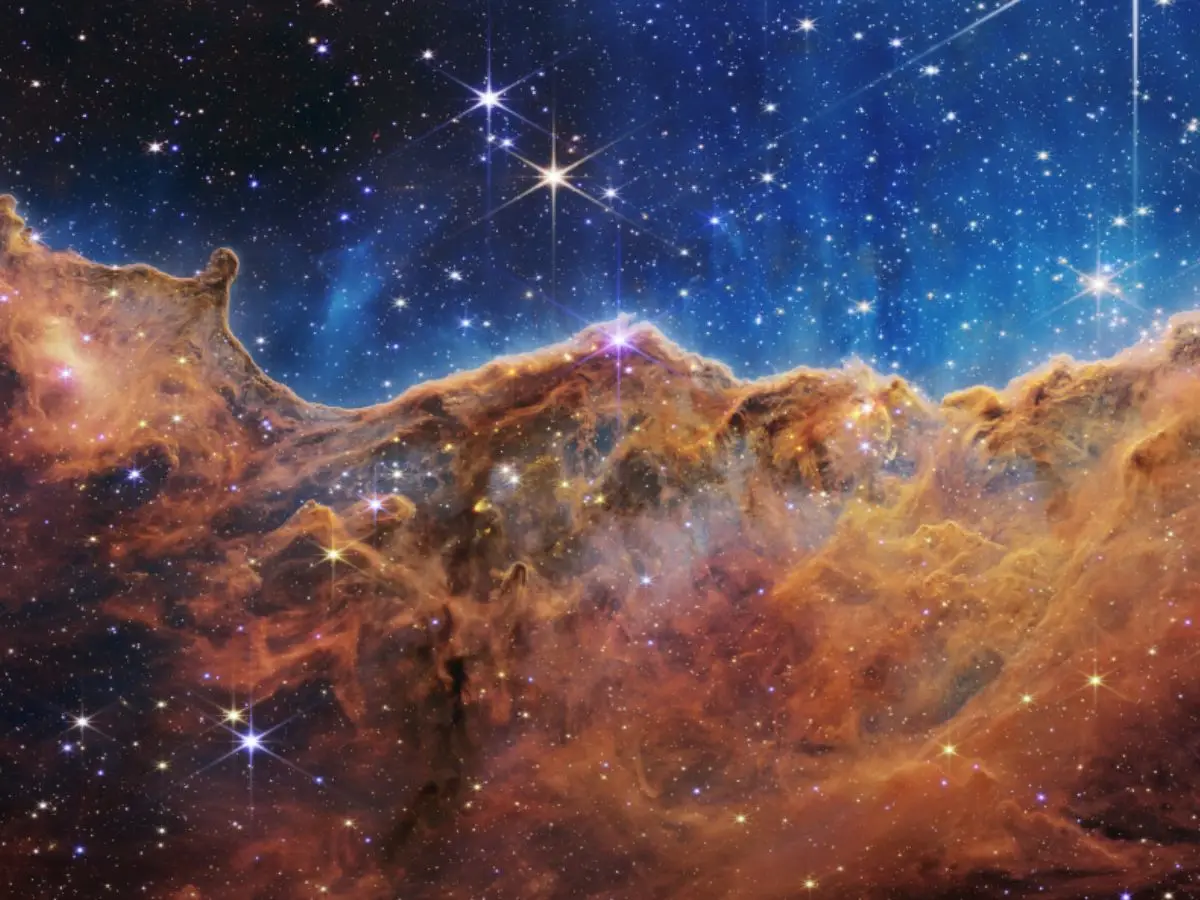
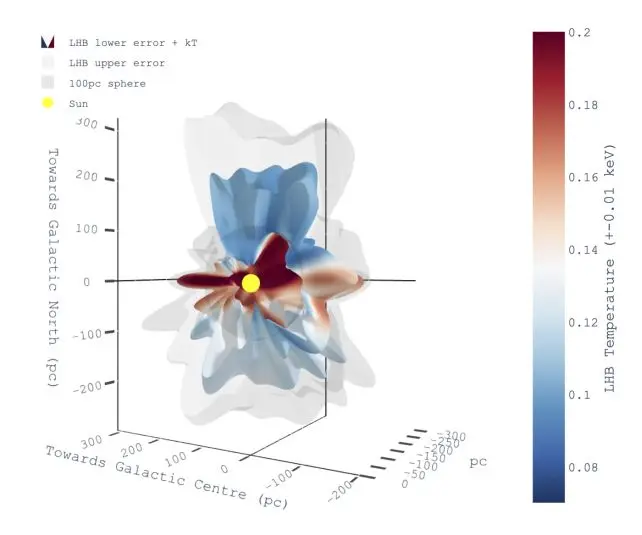
To address this, Yeung’s team divided the sky into more than 2,000 sections, measuring the faint soft X-rays from each and reconstructing a 3D model of the LHB. eROSITA’s sensitivity revealed the bubble’s irregular structure, which expands more perpendicular to the Milky Way’s plane than along it. It also showed a clear north, south temperature gradient: the Southern Hemisphere is hotter, averaging 121.8 ± 0.6 eV, compared with 100.8 ± 0.5 eV in the north, a difference previously hidden by the limitations of earlier instruments such as ROSAT.
Where these tunnels come from
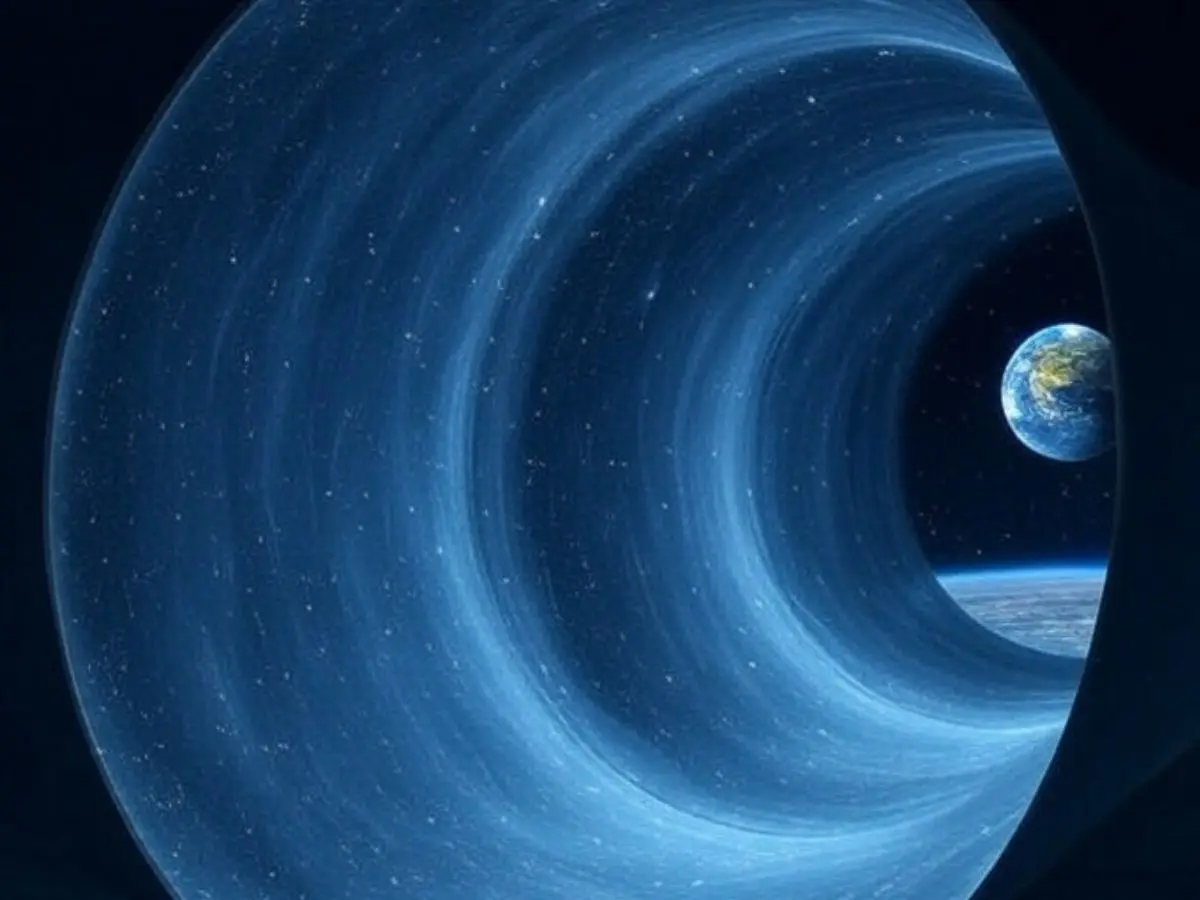
The newly identified corridor towards Centaurus appears to cut through cooler, denser interstellar material, connecting the LHB to another low-density cavity beyond its boundary. Such tunnels are thought to form when multiple supernova-blown cavities expand and merge, leaving passages of hot, ionised gas. This fits a theory proposed in 1974 that the Milky Way could be threaded by a network of interconnected bubbles and corridors, acting as channels for cosmic rays, magnetic fields and interstellar gases.
Why this discovery matters
The finding transforms our view of the space between stars from a largely uniform void to a dynamic, porous network. Mapping these tunnels allows scientists to trace how energy and matter move across the galaxy, revealing how supernovae shape its large-scale structure, influence magnetic field patterns, and even trigger new star formation along bubble edges. The LHB’s relatively low thermal pressure, about 10,100 cm⁻³ K, also suggests it may be open at high galactic latitudes, allowing matter and plasma to flow into neighbouring cavities.
Signs of a larger network
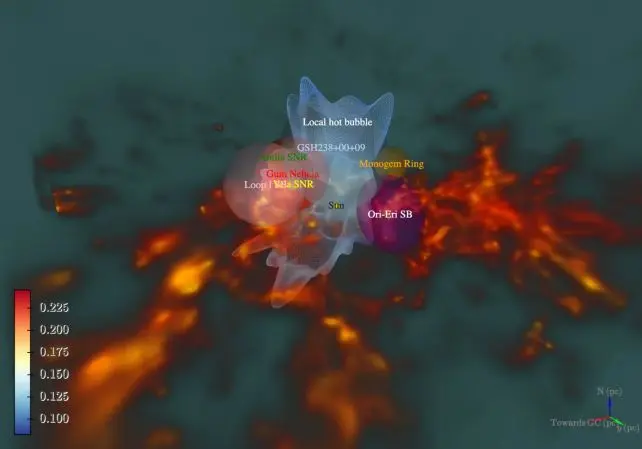
Beyond the Centaurus corridor, eROSITA data revealed multiple dust-free plasma-filled regions within the LHB that may connect to other known cavities, such as the Gum Nebula. These areas show an anti-correlation between dust density and X-ray emission, confirming that where dust is absent, the hot gas is more visible. This evidence strengthens the case for an extensive, interconnected structure shaping the interstellar medium throughout the Milky Way.
A new chapter in galactic cartography
The discovery of a direct tunnel leading from our Solar System’s bubble to distant constellations is an important step towards understanding the true architecture of our galaxy. It suggests that we live not in an isolated pocket, but in one chamber of a far-reaching galactic network formed by ancient stellar explosions. Future surveys may reveal more of these corridors, giving astronomers the means to map the Milky Way’s hidden pathways in unprecedented detail.
)
)
)
)
)