'Cosmic clash reloaded': Two galaxies are about collide in deep space, again!

Edited By Tarun Mishra
Published: Jun 07, 2025, 05:48 IST | Updated: Jun 07, 2025, 05:48 IST
Previous radio observations using the LOw Frequency ARray (LOFAR) in the Netherlands revealed bracket-shaped shock fronts near the cluster’s edges. These are thought to have formed during the first collision, similar to how sonic booms result when jets exceed the speed of sound.
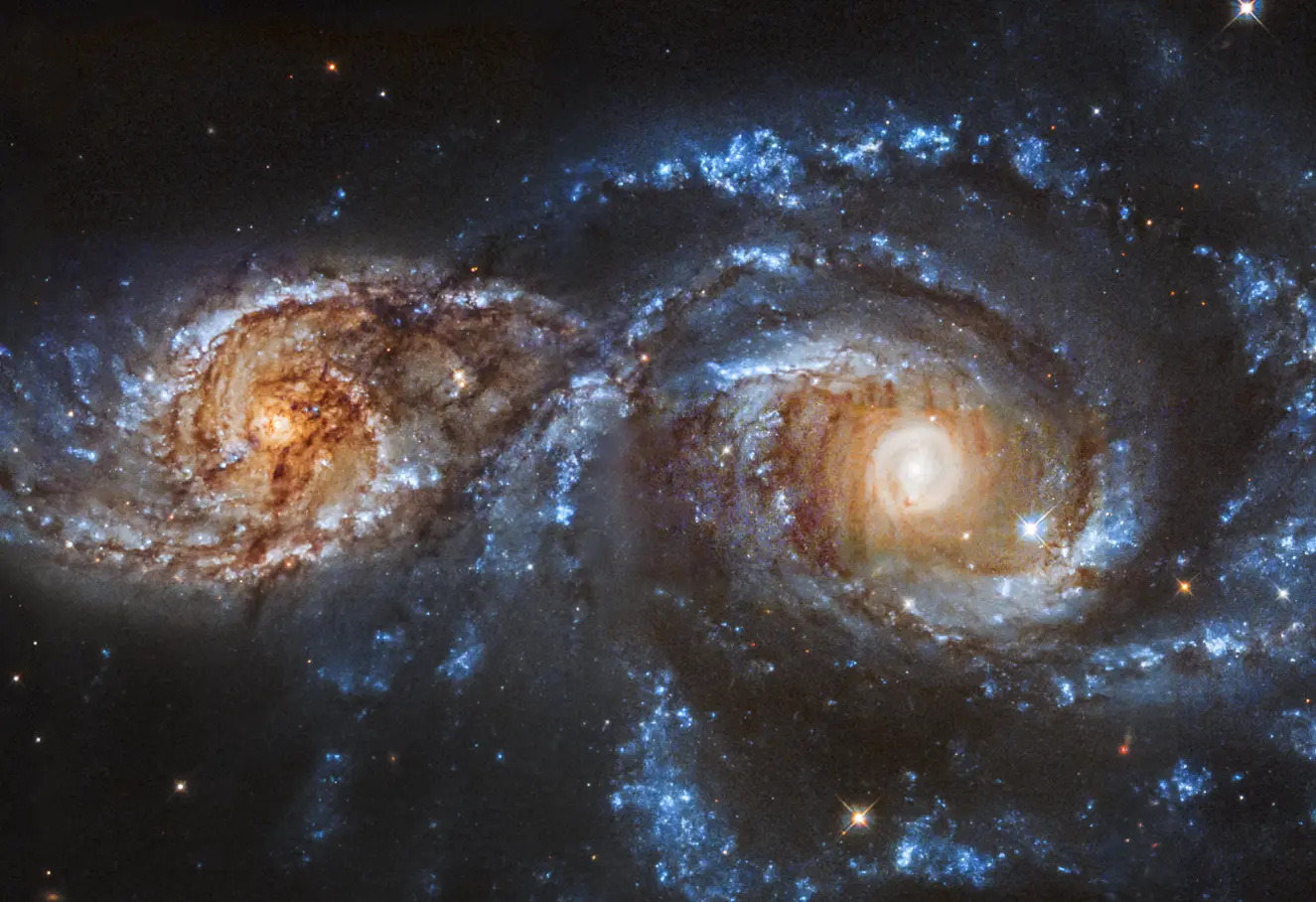
1 / 7
(Photograph: NASA, ESA, and The Hubble Heritage Team (STScI).)
A Billion-Year-Old Collision, Set for Round Two
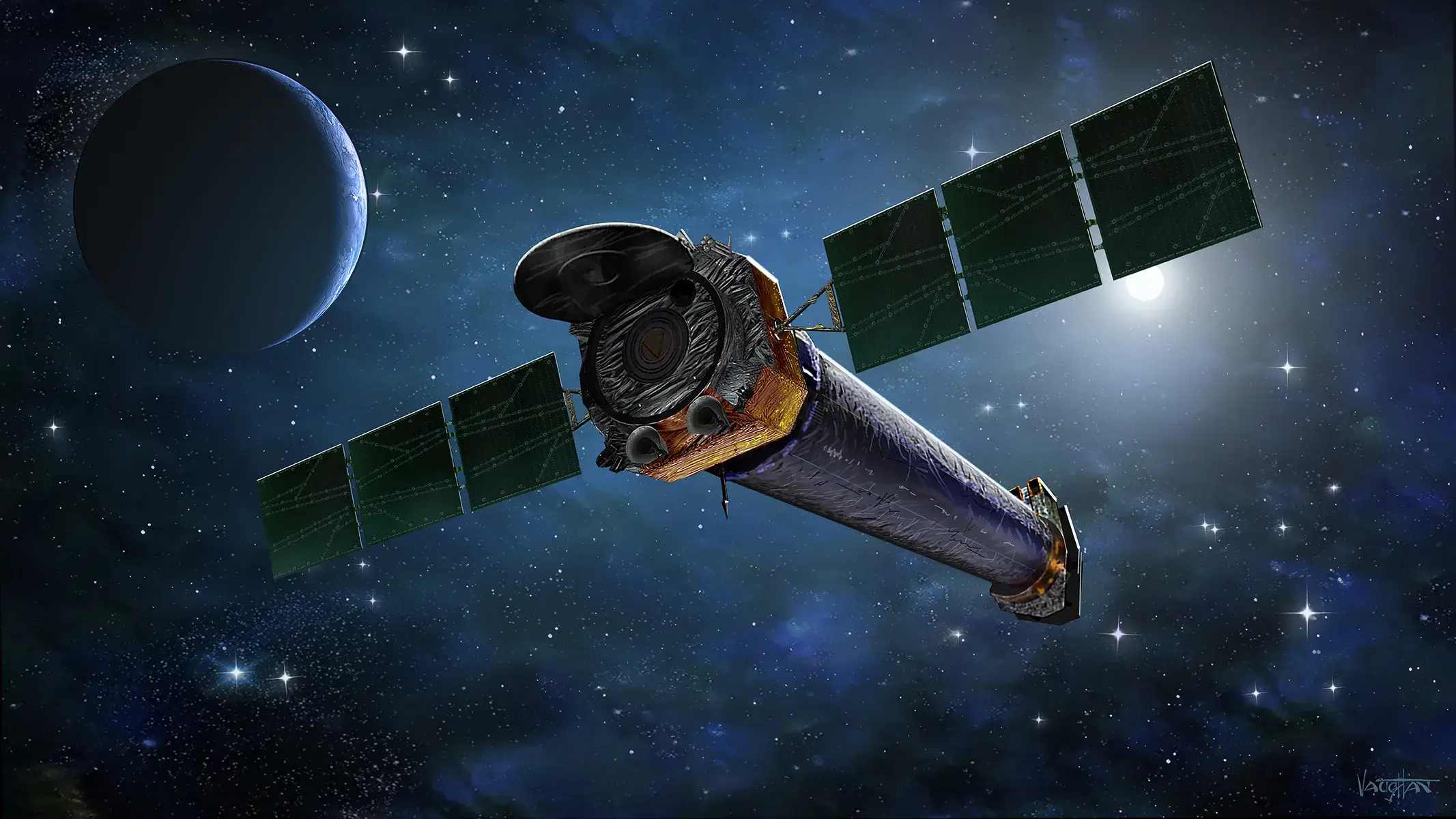
NASA’s Chandra X-ray Observatory, along with other international telescopes, has detected signs that two galaxy clusters, which collided around a billion years ago, are now reversing course and heading toward each other again. The system, named PSZ2 G181, lies about 2.8 billion light-years from Earth.
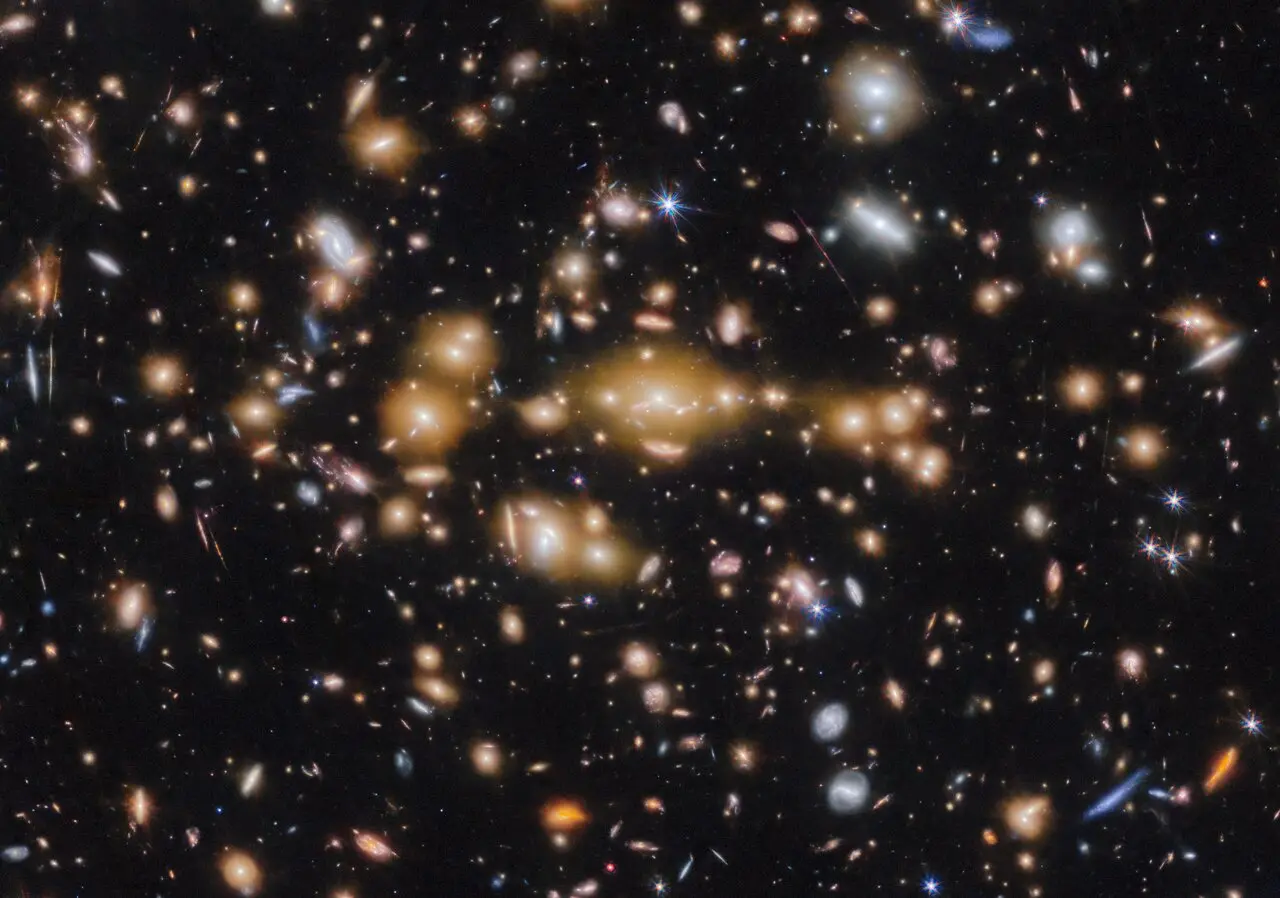
2 / 7
(Photograph: NASA/ESA/CSA)
What Is a Galaxy Cluster?
Galaxy clusters are the largest gravitationally bound structures in the universe. They contain hundreds to thousands of galaxies, vast quantities of hot gas, and dark matter. PSZ2 G181 is considered lower in mass compared to typical colliding systems, which makes this repeated interaction especially valuable for study.
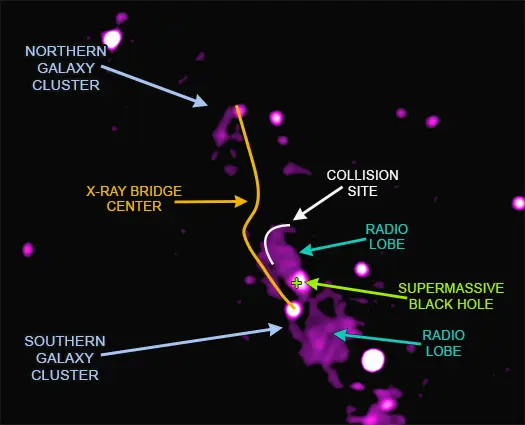
3 / 7
(Photograph: NASA/ESA/CSA)
Clues from Radio Shock Fronts
Previous radio observations using the LOw Frequency ARray (LOFAR) in the Netherlands revealed bracket-shaped shock fronts near the cluster’s edges. These are thought to have formed during the first collision, similar to how sonic booms result when jets exceed the speed of sound.
4 / 7
(Photograph: NASA/ESA/CSA)
Record-Breaking Shockwave Separation
The shock fronts created from the initial impact have since moved apart and are now about 11 million light-years away from each other — the widest separation ever recorded. This suggests just how massive and long-lasting the effects of galaxy collisions can be.
5 / 7
(Photograph: NASA)
New Composite Imaging Reveals More
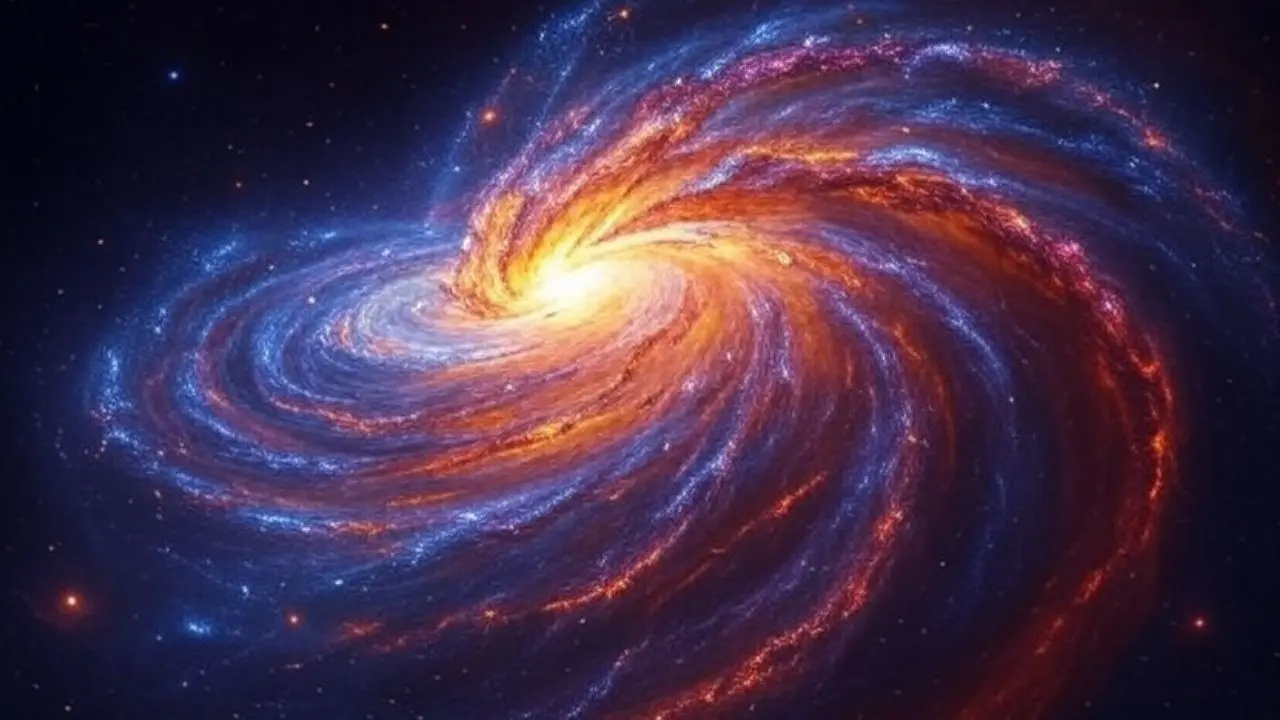
A composite image created using X-ray data from NASA's Chandra (purple), ESA’s XMM-Newton (blue), LOFAR radio data (red), and optical imagery from Pan-STARRS shows three distinct shock fronts aligned along the collision path. These are considered early indicators that the clusters are about to collide again.
6 / 7
(Photograph: Grok)
Why This Second Collision Matters
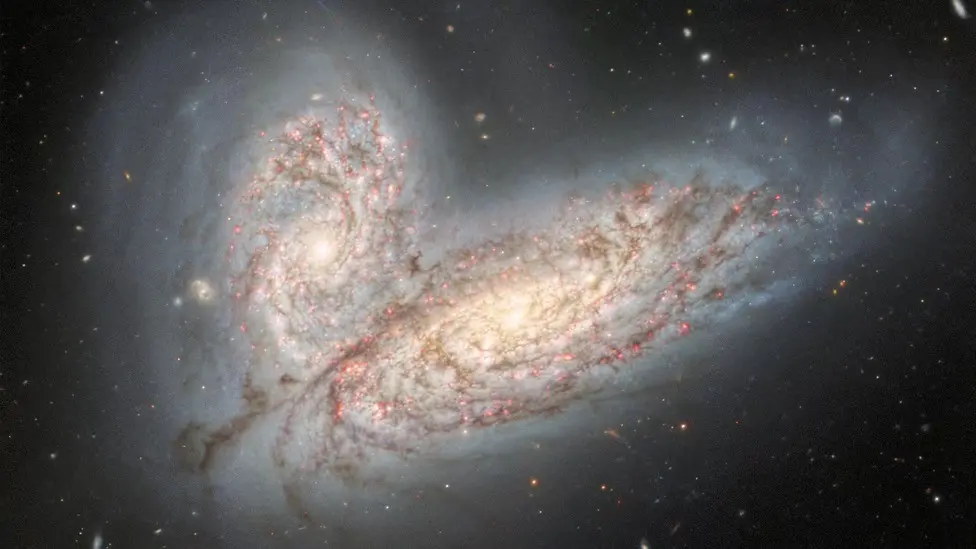
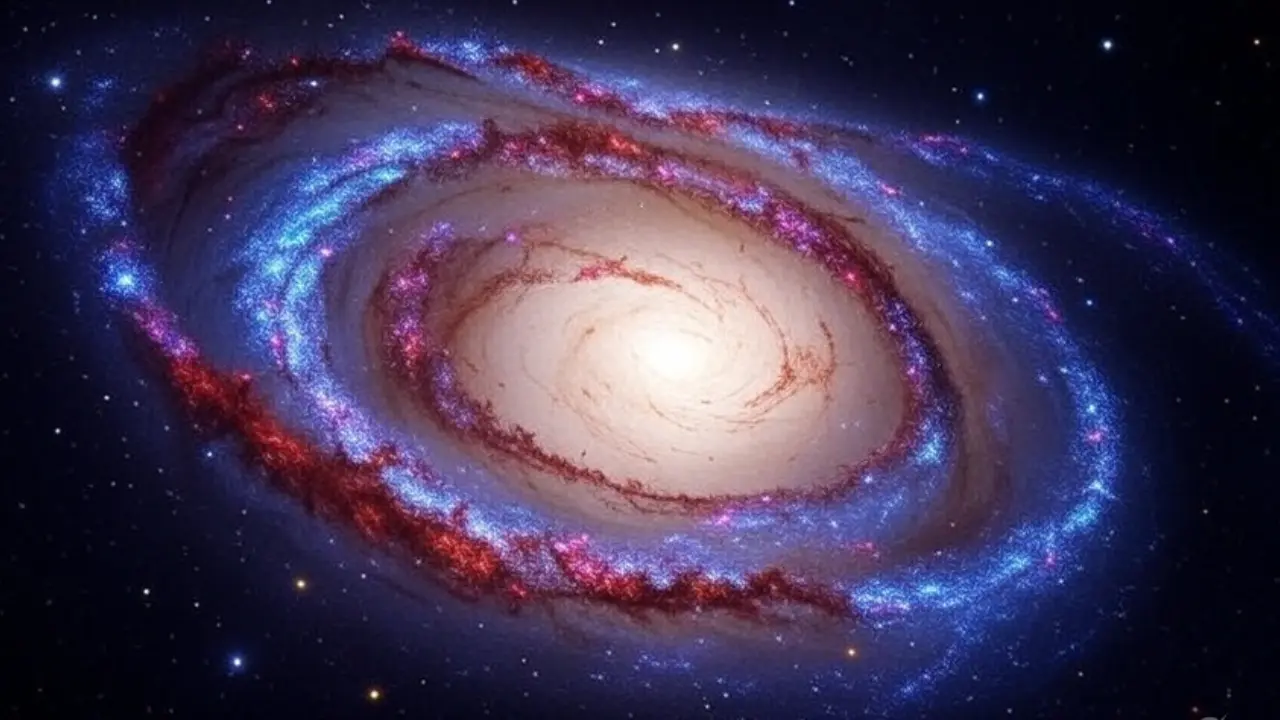
Astronomers believe this kind of "return collision" is extremely rare. After their initial pass, the two clusters slowed due to gravity and are now being pulled back together. Studying such an event helps scientists understand how matter behaves during large-scale structure formation in the universe.
7 / 7
(Photograph: Grok)
Led by Harvard-Smithsonian Team
The findings were presented in research led by Andra Stroe from the Center for Astrophysics | Harvard & Smithsonian. The study offers a unique look at cosmic dynamics on a billion-year timescale and adds crucial insights into how galaxy clusters—and the universe itself—evolve.
)
)
)
)
)