Corruption Perception Index 2025: Top 10 most corrupt countries in the world — Check where India ranks

The Corruption Perceptions Index assessed 182 countries on perceived public sector corruption, scoring them from 0 (highly corrupt) to 100 (very clean). The findings show a worrying decline, with the global average slipping to 42, its lowest level in more than a decade.

10. North Korea (East Asia) — CPI Score: 15/100
With a CPI score of 15 out of 100, North Korea ranks 10th globally in terms of the world’s most corrupt nations, highlighting chronic corruption in an opaque political system. Limited transparency, absence of independent monitoring, and centralised control have made accountability difficult, despite corruption being officially denied by the state.
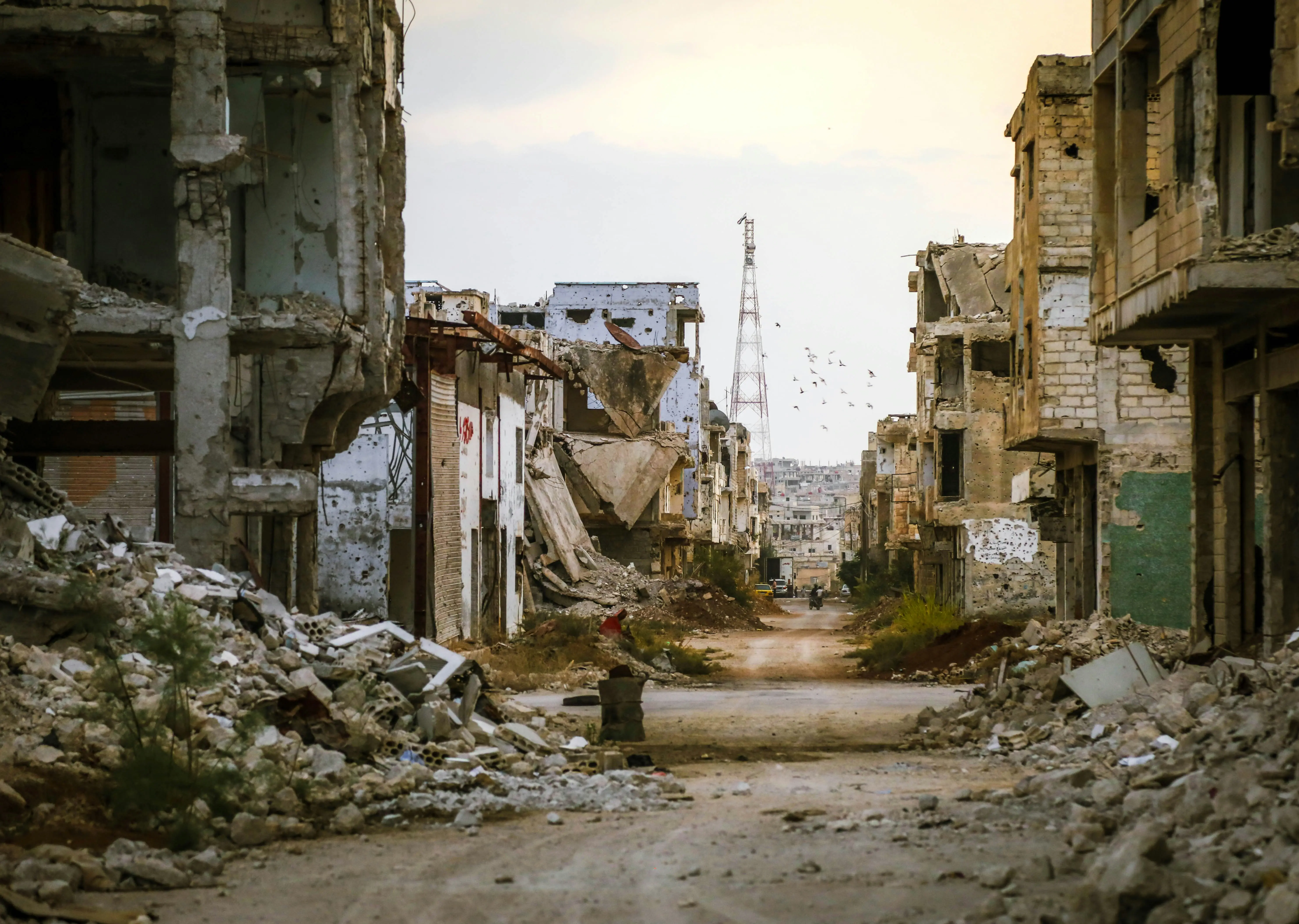
9. Syria (Middle East) — CPI Score: 15/100
With a CPI score of 15 out of 100, Syria continues to face serious corruption challenges. Prolonged conflict, sanctions, and fractured governance have eroded institutional oversight, allowing corruption to persist across multiple levels of administration.

8. Nicaragua (Central America) — CPI Score: 14/100
Nicaragua scored 14 out of 100 in the CPI 2025, reflecting declining transparency and accountability. Concentration of power, restrictions on dissent, and weakened checks and balances have contributed to growing corruption concerns within public administration.
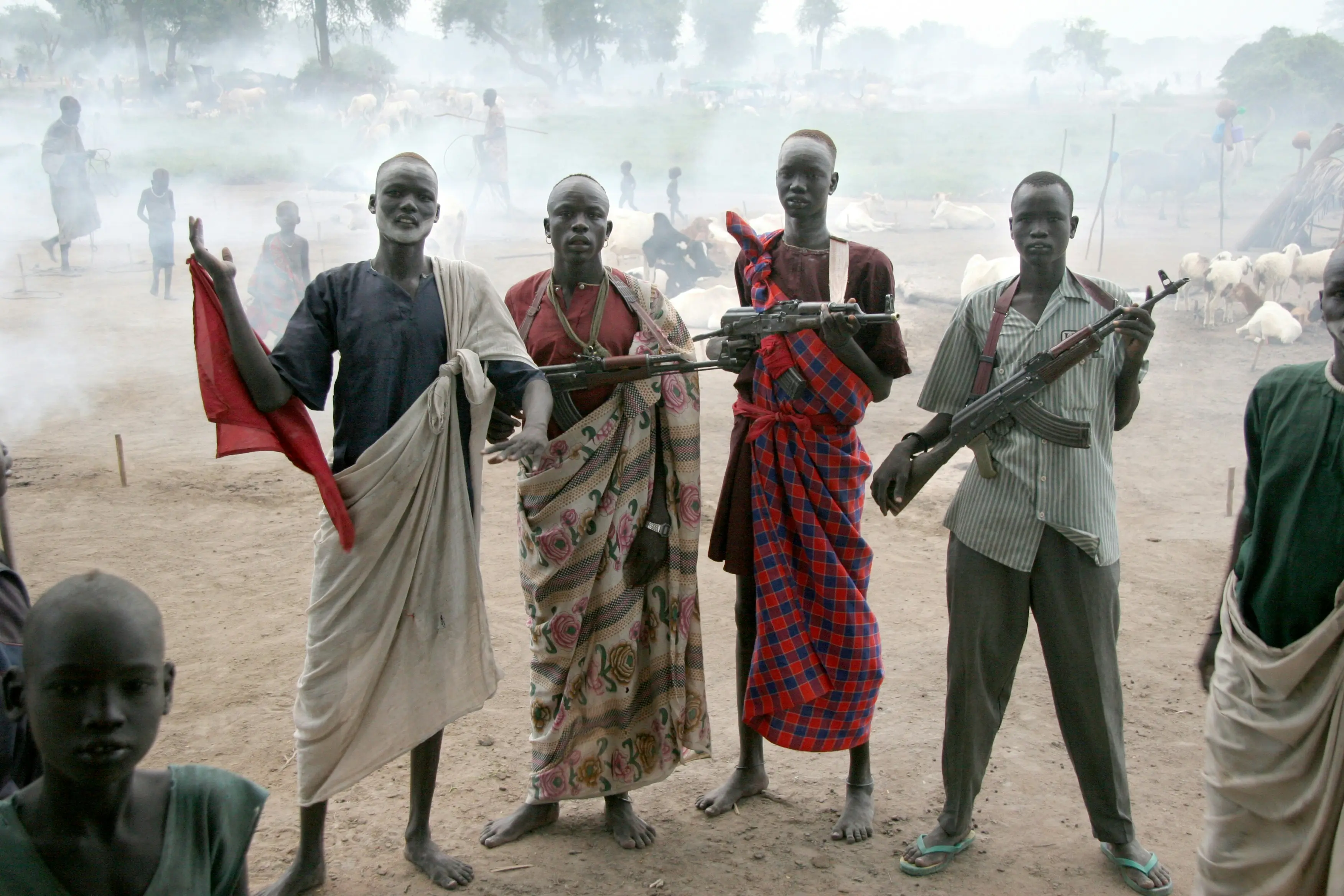
7. Sudan (North Africa) — CPI Score: 14/100
Sudan’s CPI score of 14 out of 100 underscores ongoing corruption issues linked to political turmoil and conflict. Weak governance structures and economic instability have slowed reform efforts, affecting public confidence and the effectiveness of state institutions.

6. Eritrea (East Africa) — CPI Score: 13/100
Eritrea ranks sixth on the CPI 2025 with a score of 13 out of 100. Restricted political freedoms, lack of independent institutions, and minimal transparency have contributed to sustained corruption concerns, with limited avenues for public accountability or scrutiny.

5. Libya (North Africa) — CPI Score: 13/100
Libya’s CPI score of 13 out of 100 reflects persistent corruption amid political fragmentation. Competing power centres, a weak rule of law, and limited institutional capacity have hindered transparency and accountability since the country’s prolonged period of instability.
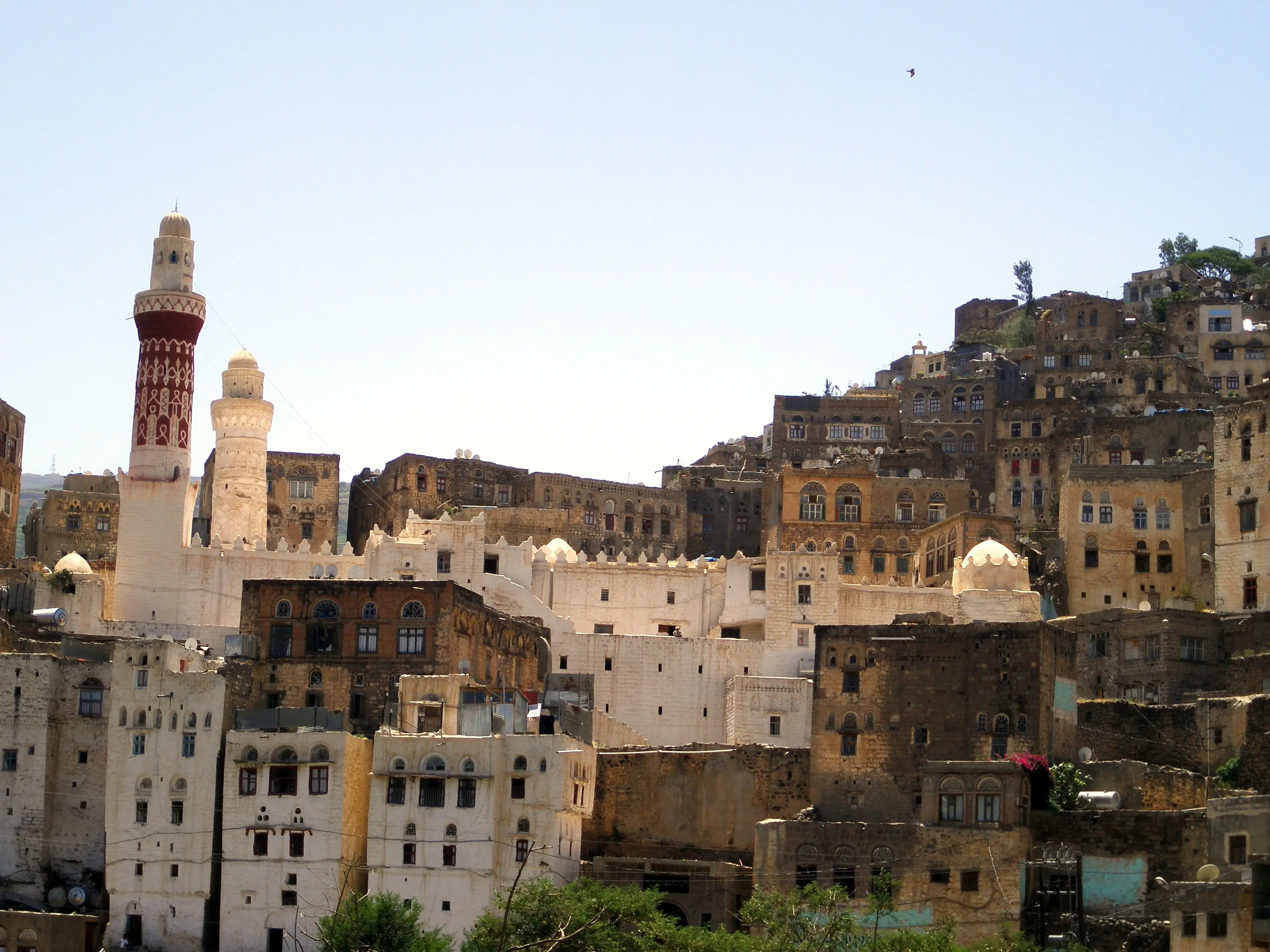
4. Yemen (Middle East) — CPI Score: 13/100
Yemen scored 13 out of 100 in the CPI 2025, highlighting severe governance challenges. Years of conflict, divided authority, and institutional breakdown have fostered corruption, undermining service delivery and worsening humanitarian conditions in one of the region’s most fragile states.

3. Venezuela (South America) — CPI Score: 10/100
With a CPI score of 10 out of 100, Venezuela remains among the most corrupt countries globally in 2025. Prolonged economic crisis, weakened democratic institutions, and lack of independent oversight have exacerbated corruption, impacting public trust and access to basic services.

2. Somalia (East Africa) — CPI Score: 9/100
Somalia also scored 9 out of 100 on the CPI 2025, reflecting deep-rooted corruption challenges. Persistent political instability, security concerns, and fragile state structures have hampered efforts to improve transparency, leaving public institutions vulnerable to misuse of power and resources.

1. South Sudan (East Africa) — CPI Score: 9/100
South Sudan ranks as one of the world’s most corrupt nations in the Corruption Perception Index 2025, scoring just 9 out of 100, according to Transparency International’s 2025 Corruption Perception Index (CPI) published on Tuesday. Years of conflict, weak institutions, and limited accountability have contributed to entrenched corruption, affecting governance, public services, and humanitarian aid delivery in the country.

India: 39
India ranked 91st globally in 2025 on the Corruption Perceptions Index (CPI), scoring 39 out of 100, marking a slight improvement from the previous year, climbing five places.
)
)
)
)
)