Coronavirus: Why art lovers are rushing to Uffizi's Facebook page in Italy

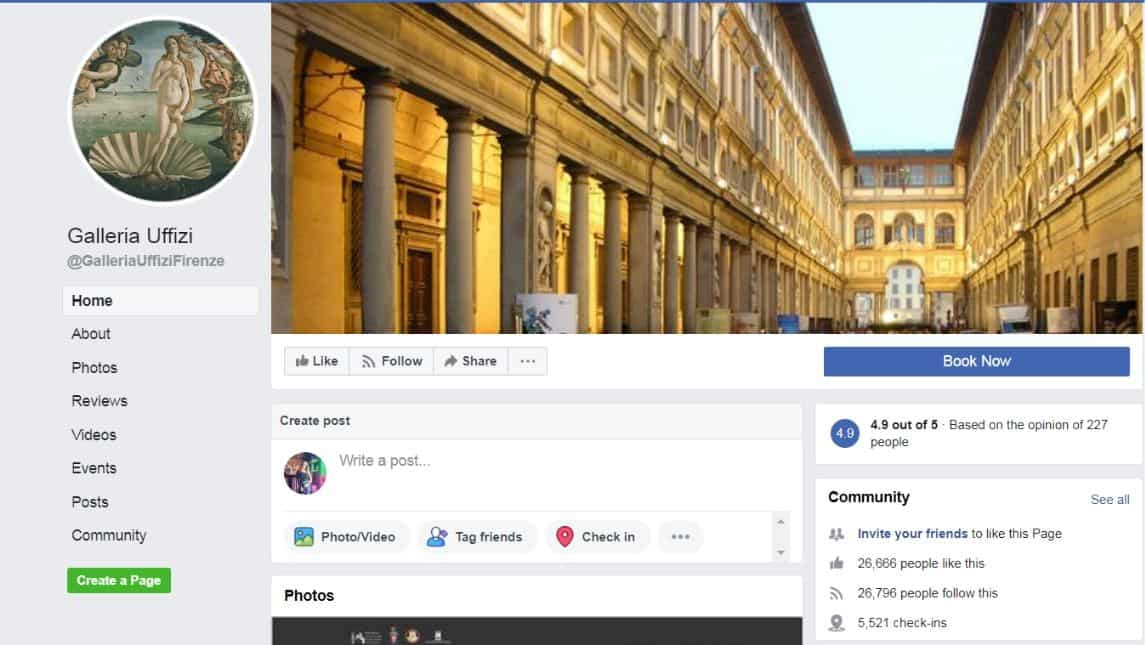
Art lovers rush to Uffizi's Facebook page
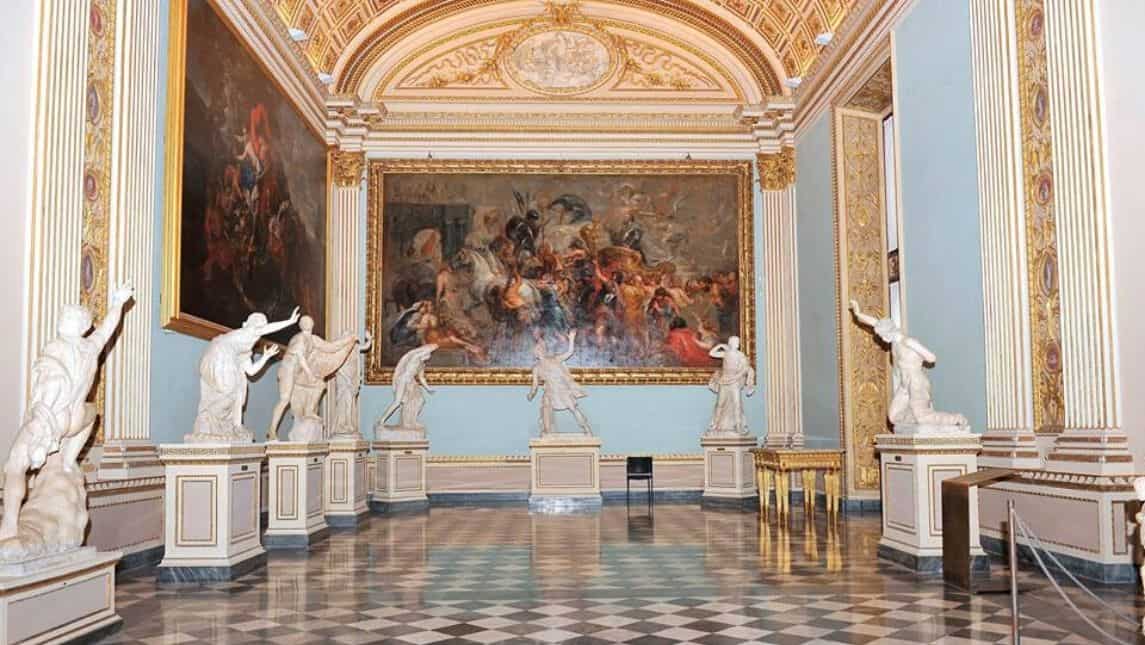
Florence's world-famous Uffizi Gallery said on Wednesday that art lovers had rushed to its new Facebook page as the museum like others across Italy stays shut to fight the country's coronavirus outbreak.
The page, launched on Tuesday, had notched up more than 19,000 followers by Wednesday evening and the three videos it had posted had more than 300,000 views.
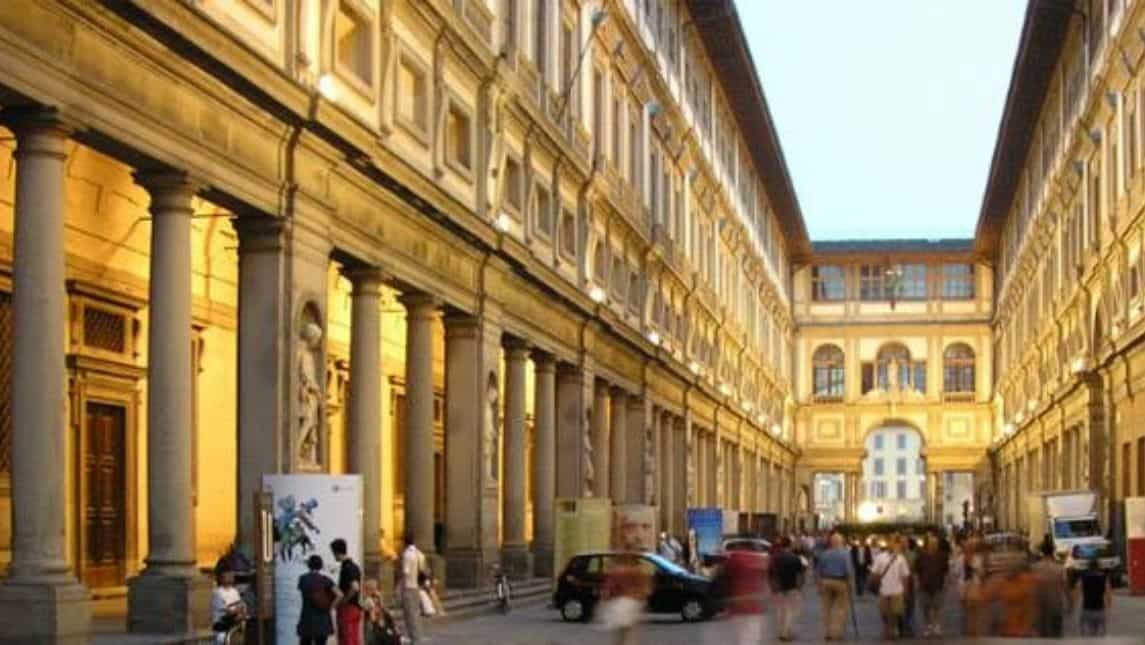
Galleria Uffizi, the masterpiece
The museum is one of Italy's most visited attractions and houses a priceless art collection, notably of masterpieces of the Italian Renaissance.
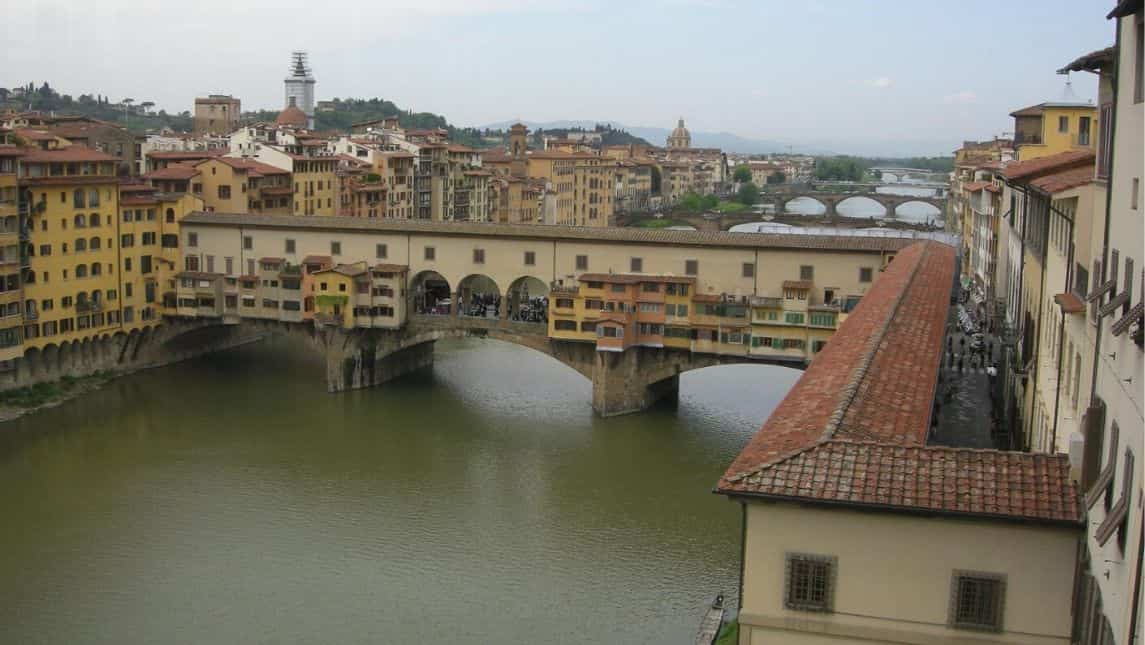
Closure of the gallery: Disappointment for visitors
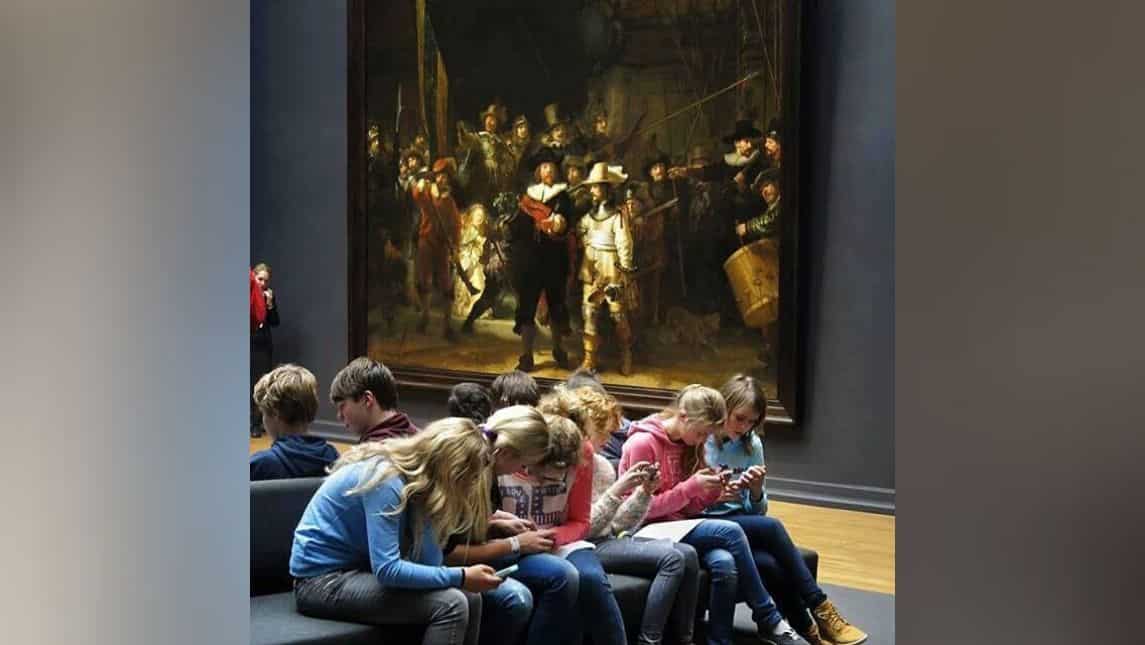
Since the weekend visitors hoping to see them up close have been left disappointed by the closure of the gallery, along with all the country's cultural institutions.
One of the videos to have received thousands of views is a virtual welcome to the collection from the museum's director Eike Schmidt, while another shows off a room dedicated to works by Michelangelo and Raphael.
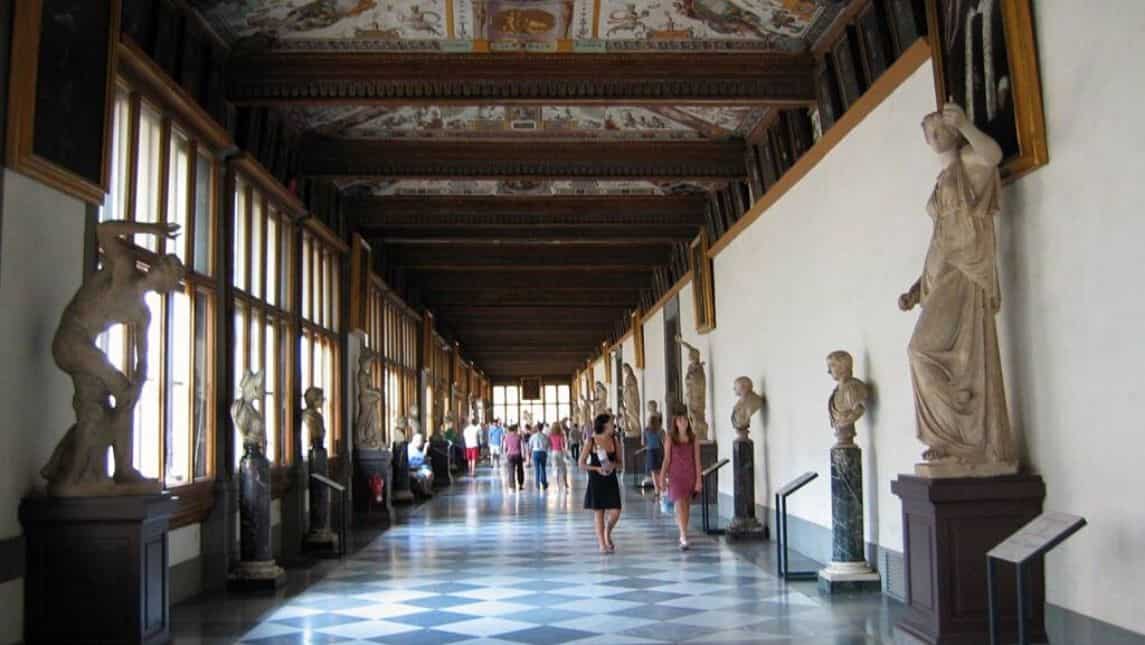
Comfort of culture and art
"Culture and art can be a great support and comfort at this difficult time which is requiring great sacrifices of us all," Schmidt said in a statement.
He said the museum was taking the encouraging visitor numbers to the site as "an invitation to disseminate our masterpieces with ever greater enthusiasm, offering virtual tours and other many other video stories".
Museum's extraordinary collection
The museum houses the collection of the powerful Renaissance-era Medici family, with notable works including Botticelli's "Birth of Venus" and "Primavera", Raphael's "Self-portrait", Michelangelo's "Doni Tondo" and Caravaggio's "Bacchus".
Closure due to coronavirus
The closures are due to run until April 3.
Italy is the country worst affected by coronavirus after China, where it began at the end of December. At 1700 GMT Wednesday, Italy had recorded 12,462 cases with 827 deaths.
Italy's centuries long fight against epidemics
Centuries before imposing unprecedented measures to contain the deadly coronavirus outbreak, Italy led the fight against deadly epidemics with a grab bag of techniques from herb-stuffed face masks to family-wide quarantines.
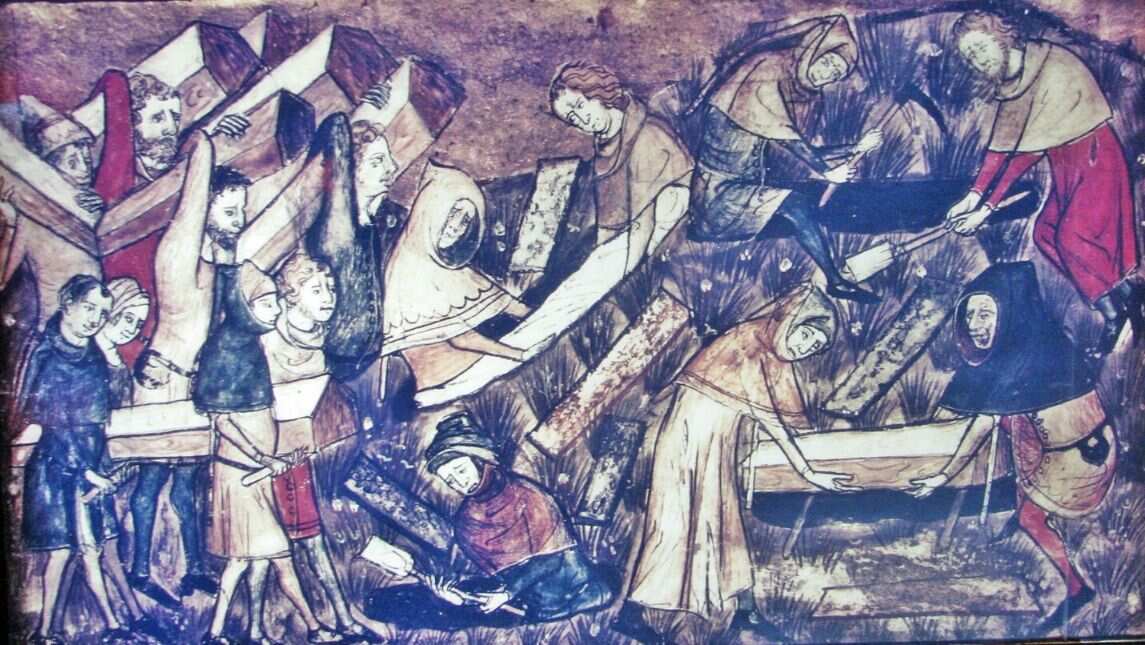
The Black Death reached Europe in October 1347 by way of the Sicilian port of Messina, brought in by ships that had transitted Genoa from Caffa or Feodosia in current-day Crimea.
In the space of several months the epidemic spread through Italy and into France via port cities such as Marseille.
It then spread to the rest of western Europe, wiping out an estimated 30 percent of the continent's population by 1351.
Subsequent waves of the disease hit almost every decade before disappearing mysteriously some three centuries later.
Curse from God
Dismissing the Black Death as a curse from God and blaming it on pollution, Italian doctors proved incapable of halting the illness.
Doctors would show up in masks shaped liked birds' beaks stuffed with herbs, spices and camphor, to purify the air.
However their long tunics actually protected the fleas, which eventually turned out to be responsible for transmitting the Yersinia pestis bacteria, which caused the Black Death.
'Gold, fire, gallows'
The city states were also obliged to do away with the right to confidentiality and issue health certificates that travellers had to show when entering cities.
Those suspected of being infected were quarantined.
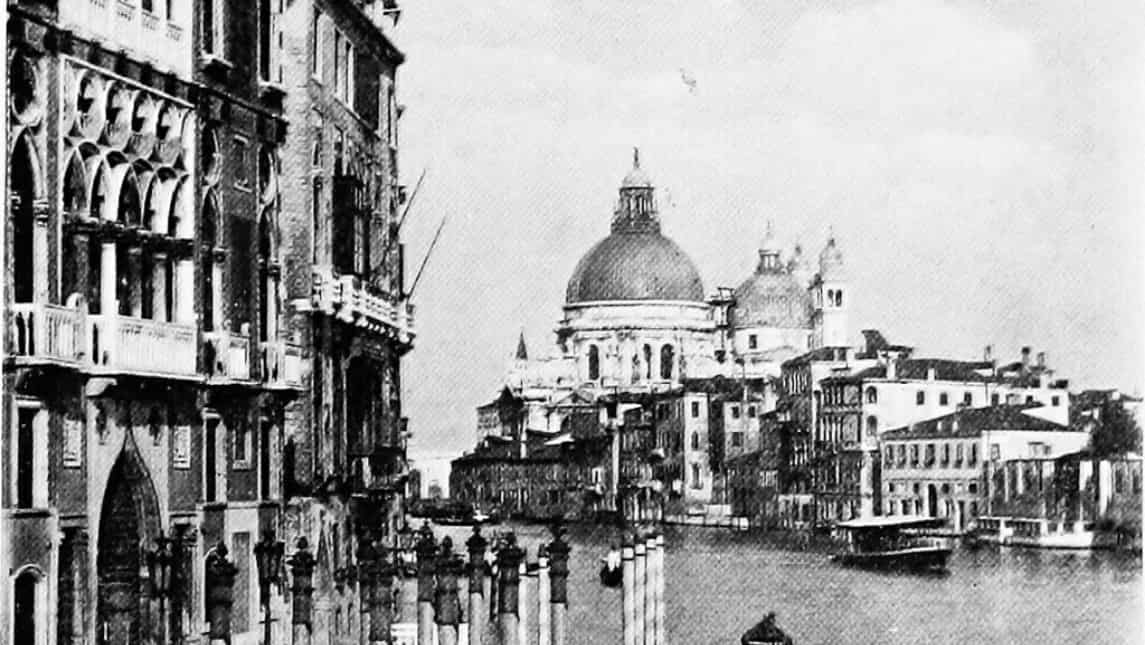
The word quarantine actually derives from the Venetian word for 40 days, which refers to the length of the isolation period imposed on ships during plagues.
It also became obligatory to register all deaths.
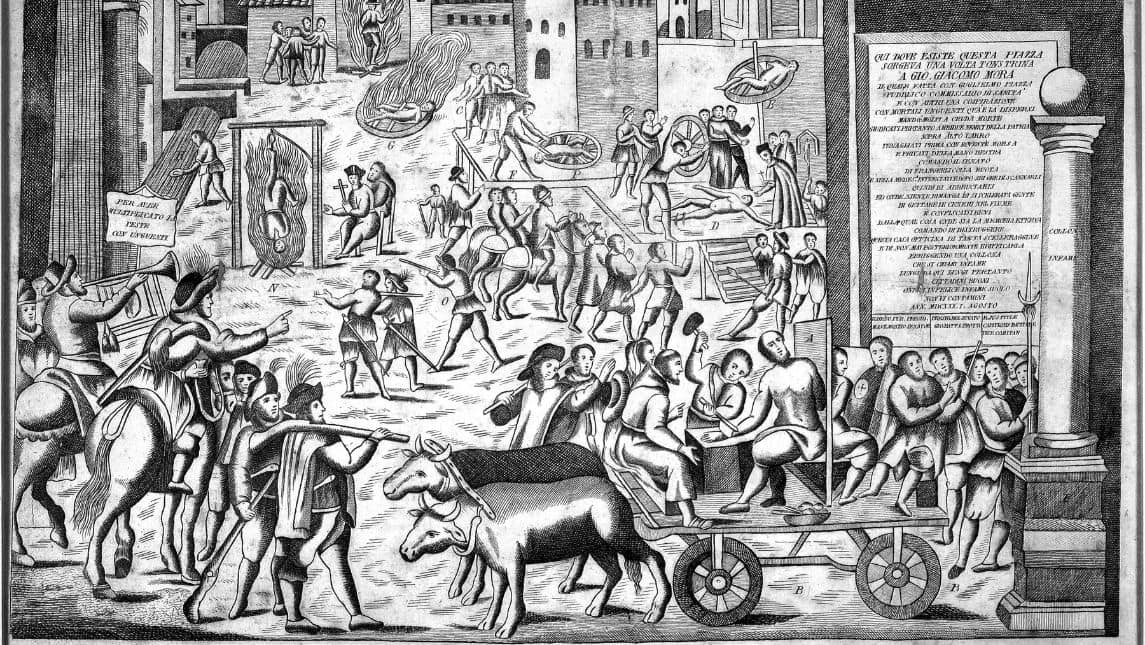
The families of those who died faced harsh consequences: they were quarantined in hospices and had their possessions confiscated and destroyed.
A health official in Palermo in Sicily summed up the policy in 1576 as "gold, fire, the gallows", in reference to its expense, its aim of wiping out the epidemic and the punishment for those flouting regulations.
After the Black Death was wiped out, Italy's methods were rediscovered and applied in France and Britain in the 19th century to deal with cholera epidemics.

Politicians take control
With the scientists at a loss, political leaders in city states of northern Italy, including Venice and Milan, tried to contain successive waves of epidemics of the plague.
The late Italian historian Carlo M Cipolla wrote of "the emergence and the development in northern Italy of exceptionally advanced institutions and health service organisations," from the mid-14th century to the early 16th century.
The politicians moved to control the movement of the population and ships, to prevent their passage from regions affected by the Black Death to those that were not.
)
)
)
)
)