Composition clues of 3I/ATLAS: Nickel, Cyanide and Carbon-chain depletion

The detection of cyanide radicals (CN) around 3I/ATLAS confirms that its nucleus contains typical cometary volatiles, similar to Solar System comets. CN is a photodissociation product of HCN (hydrogen cyanide), a molecule associated with organic chemistry pathways.
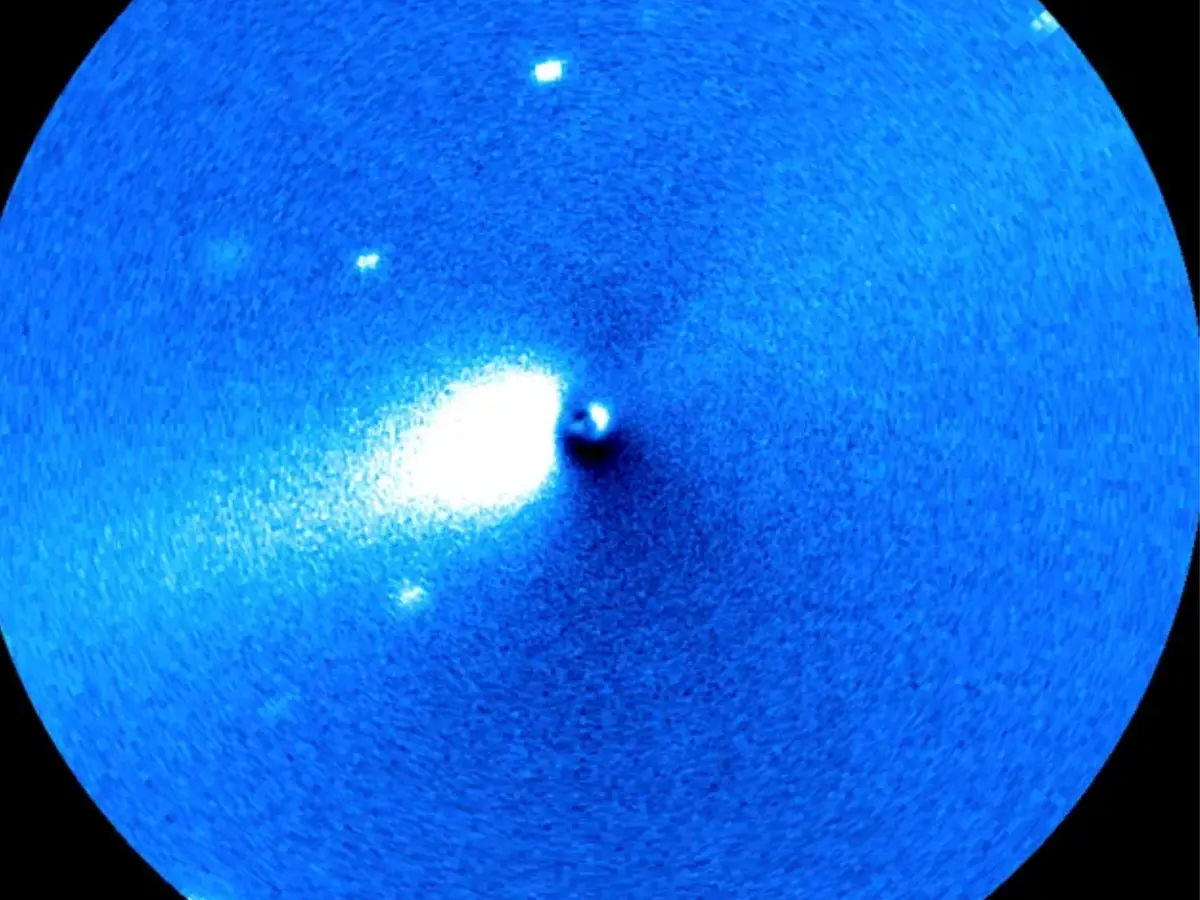
1. 3I/ATLAS Shows Trace Nickel — A Rare Clue About Its Birth Environment
Spectroscopic observations of 3I/ATLAS reveal nickel-bearing species in its coma, similar to what was detected in the earlier interstellar comet 2I/Borisov. Nickel volatilization at extremely low temperatures suggests that the object formed in a metal-rich protoplanetary disk, where silicate and metallic grains incorporated into its icy nucleus. This offers insight into the early chemical conditions of the system it came from.
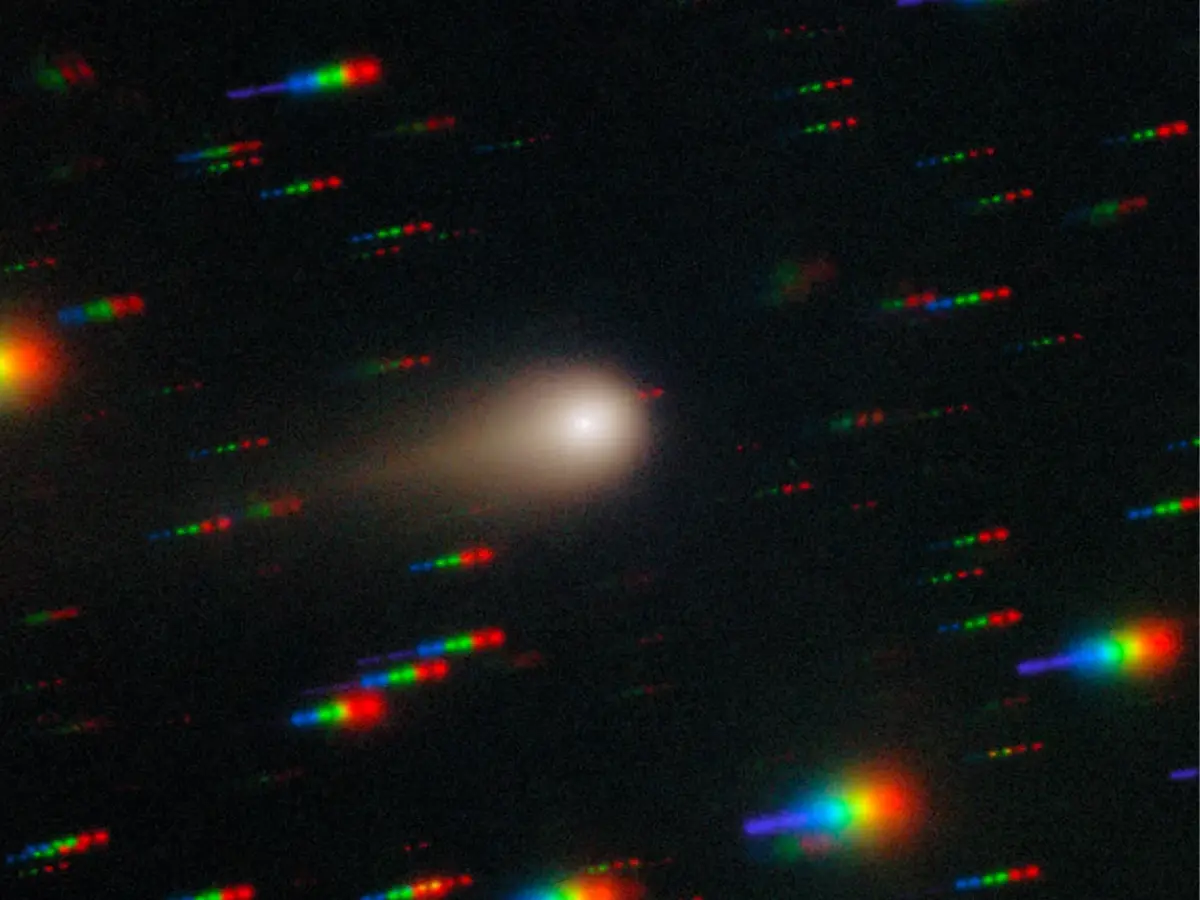
2. Cyanide (CN) Detected — A Classic Cometary Molecule With Interstellar Significance
The detection of cyanide radicals (CN) around 3I/ATLAS confirms that its nucleus contains typical cometary volatiles, similar to Solar System comets. CN is a photodissociation product of HCN (hydrogen cyanide), a molecule associated with organic chemistry pathways. Its presence implies that 3I/ATLAS likely formed in a cold outer region of its home star system, where nitrogen-rich ices can condense and survive for billions of years.
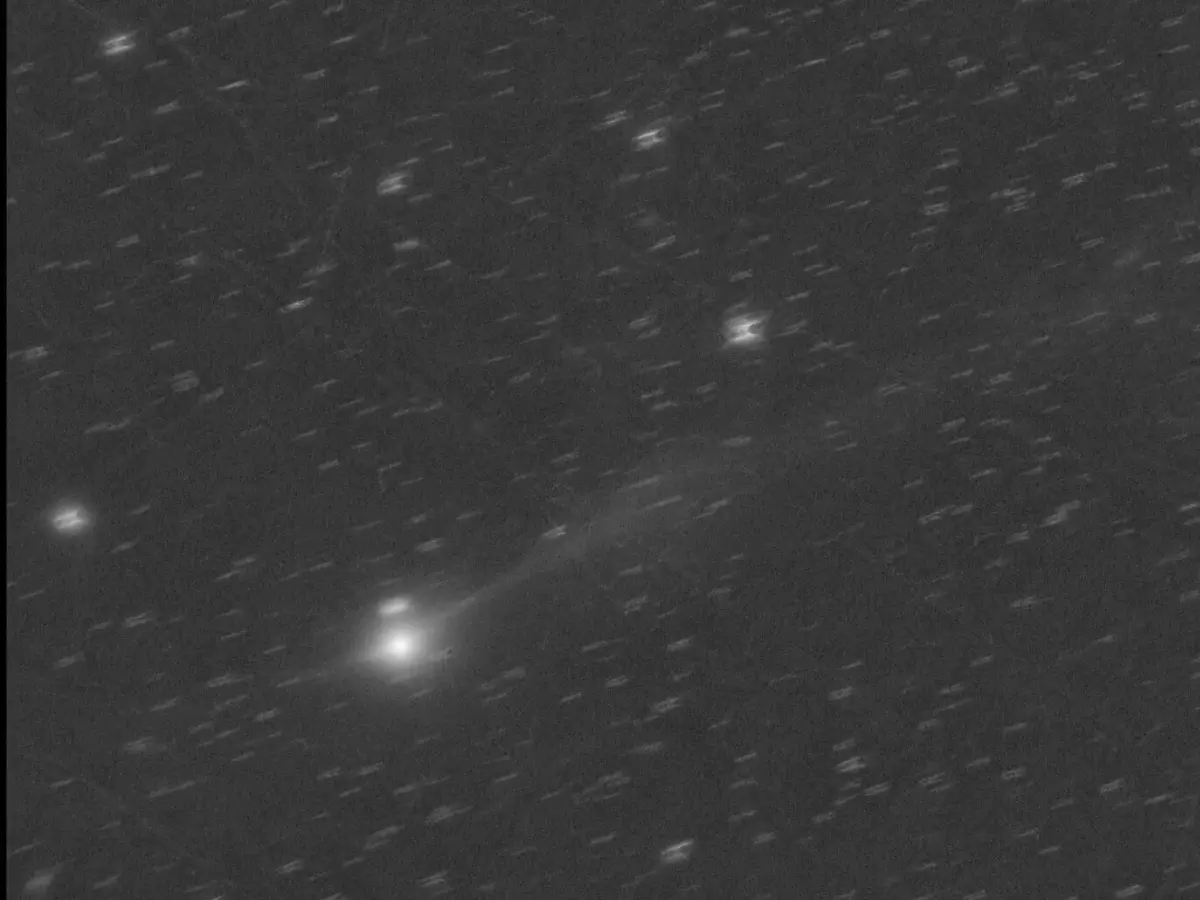
3. But Unlike Solar System Comets, 3I/ATLAS Shows Carbon-Chain Depletion
One of the most notable findings is that 3I/ATLAS appears to be carbon-chain depleted, particularly in molecules like C₂ and C₃. This pattern mirrors the chemical signature seen in 2I/Borisov and a handful of carbon-depleted Solar System comets. Such depletion suggests either a formation region poor in carbon-chain organics or long-term interstellar radiation processing that chemically eroded these species.
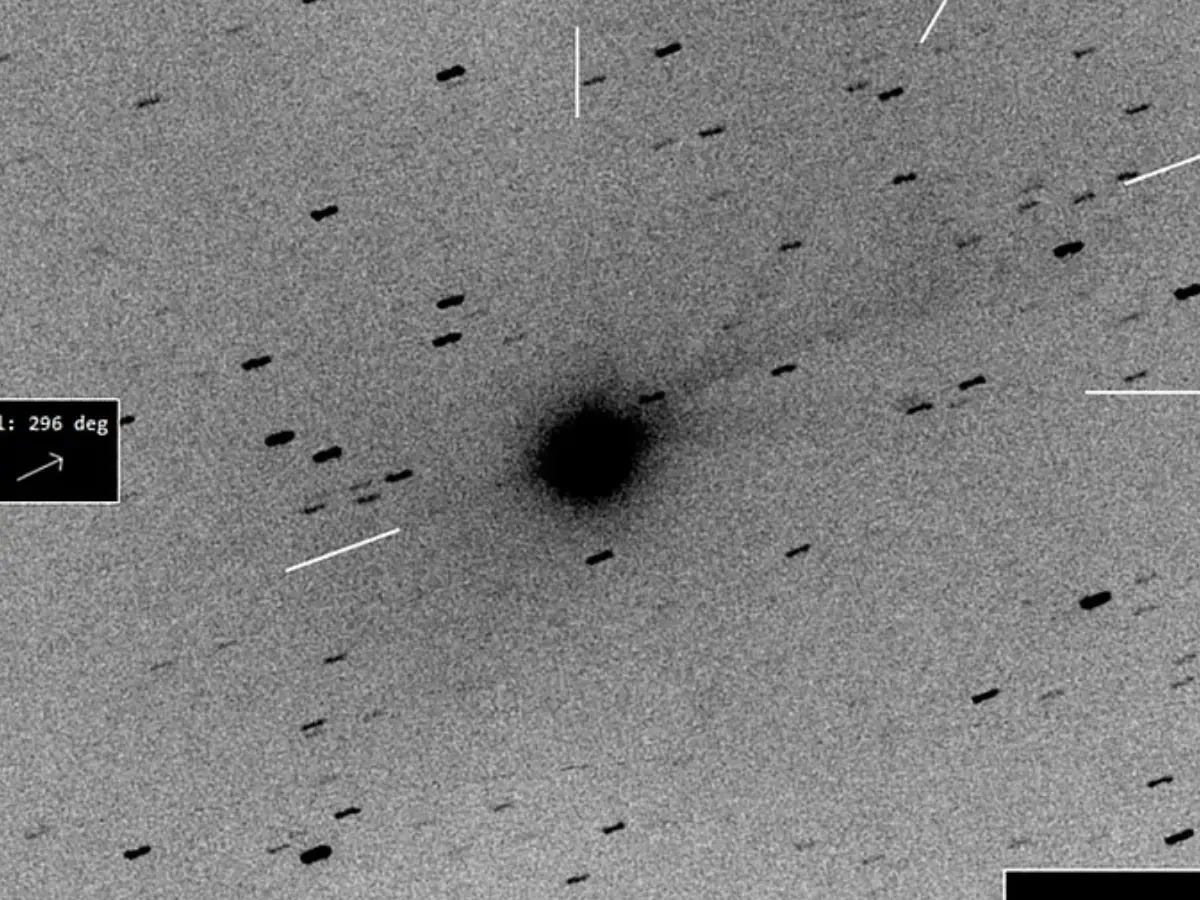
4. Carbon-Chain Depletion Suggests Billions of Years of Radiation Exposure
Comets traveling between stars are exposed to cosmic rays for gigayears, which can break long organic chains into simpler species or destroy them entirely. The low abundance of C₂ and C₃ in 3I/ATLAS is consistent with extreme cosmic-ray processing, indicating the object has spent enormous spans of time in interstellar space, far from any protective star.
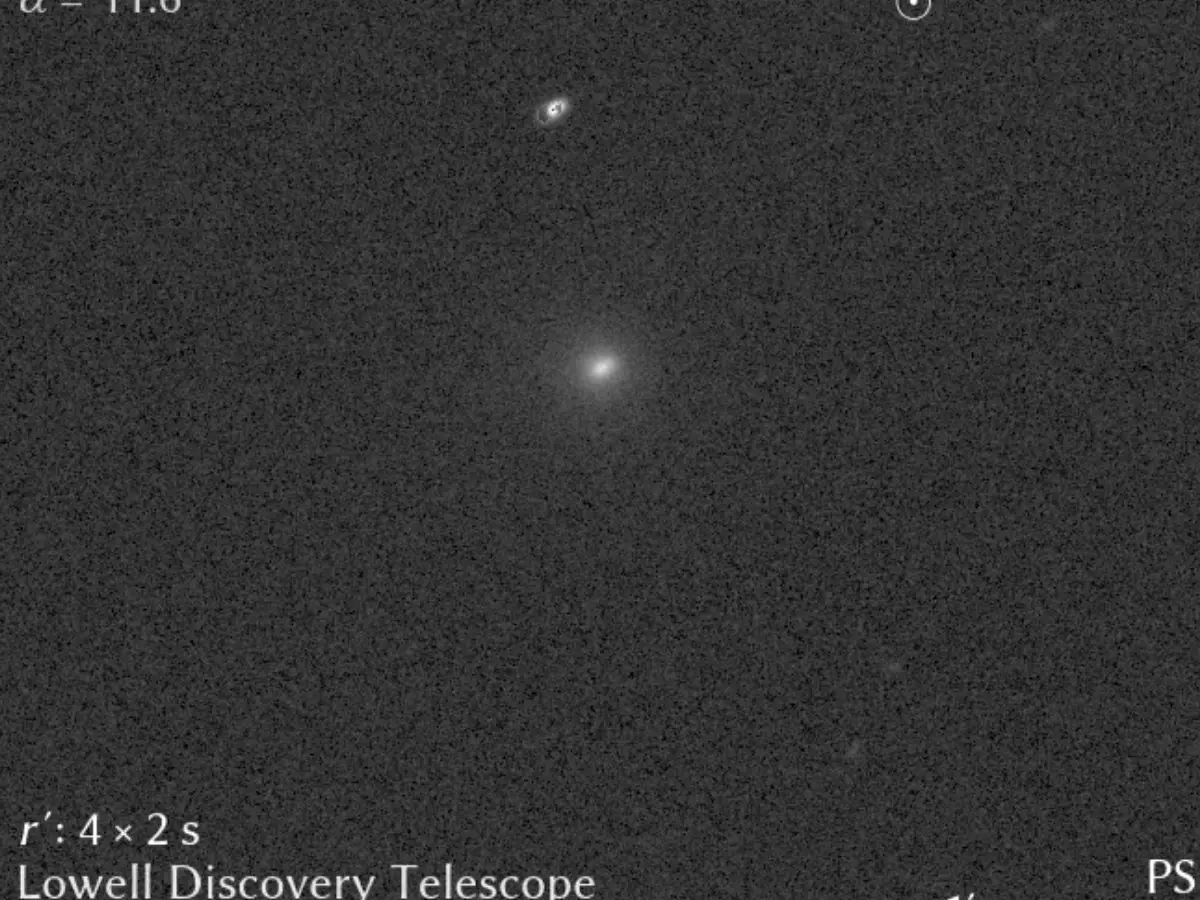
5. Nickel + CN Pattern Mirrors What Was Seen in 2I/Borisov
The chemical composition of 3I/ATLAS resembles 2I/Borisov in key ways:
- presence of nickel-bearing volatiles,
- CN production,
- carbon-chain depletion.
This suggests interstellar comets may share common chemical processing histories or originate from similar outer regions of extrasolar systems, where ices accrete alongside dust grains enriched with metals.
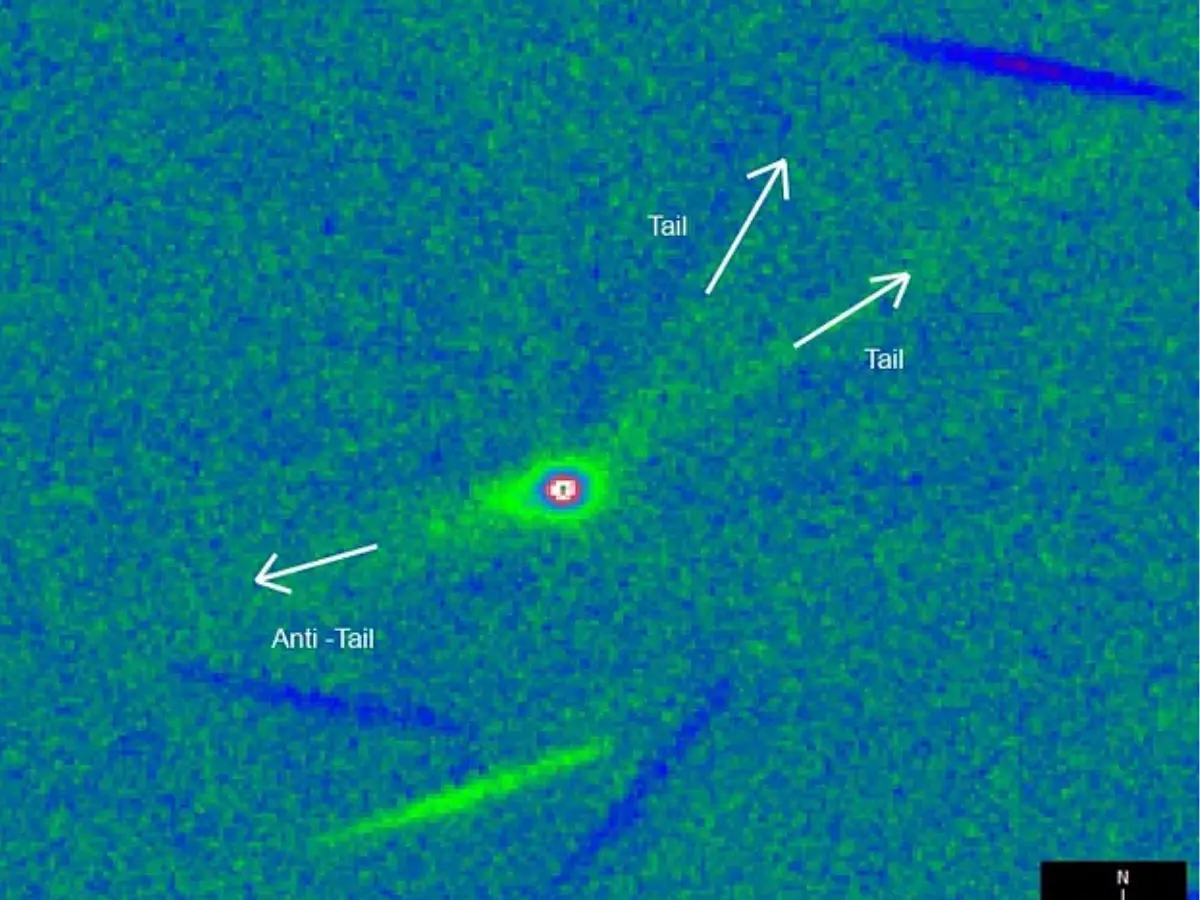
6. The Chemical Mix Suggests Formation Beyond the Snow Line of Another Star
Nickel traces suggest proximity to warm, dust-rich environments during formation, while intact cyanide and preserved volatiles indicate freezing conditions. This combination points to 3I/ATLAS forming just beyond the snow line of its home system, where metals, water, carbon monoxide, and nitrogen-bearing species can coexist in solid form before being incorporated into comet nuclei.
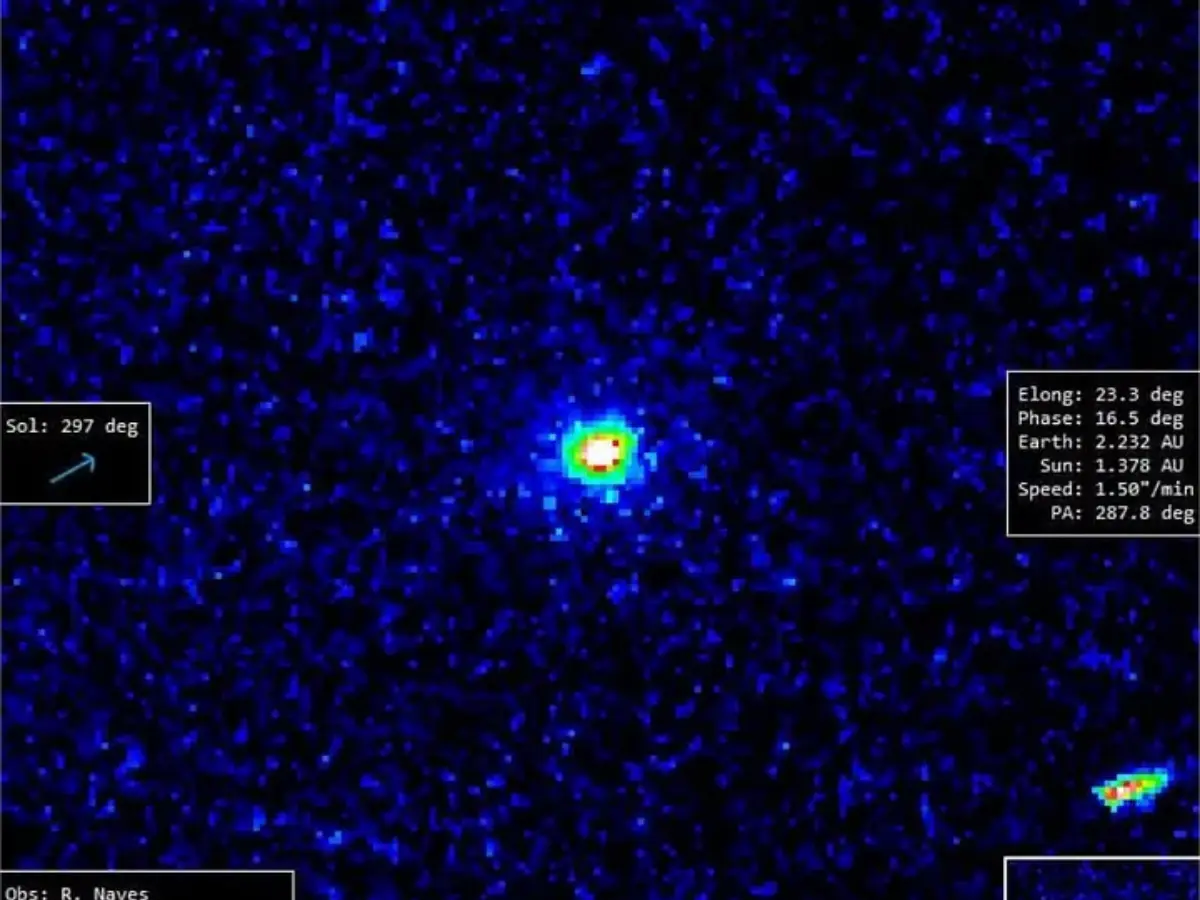
7. Composition Differences Help Confirm 3I/ATLAS as Truly Interstellar
The mix of nickel-bearing species, cyanide, and carbon-chain depletion matches no known class of Solar System comet exactly. These differences strengthen the evidence that 3I/ATLAS is not a captured Oort Cloud object but a genuine interstellar visitor, formed under chemical conditions different from our own solar environment and then altered over billions of years of cosmic-ray exposure.
)
)
)
)
)