Combat history and operations: How B-52 bomber became backbone of US strategic air power

Since 1965, the US B-52 strategic bomber evolved from Vietnam carpet-bombing to record-long-range strikes in Desert Storm, followed by heavy precision support in Iraq and Afghanistan, and finally the new 2026 Operation Epic Fury strikes against Iran. Check more operations in the past.
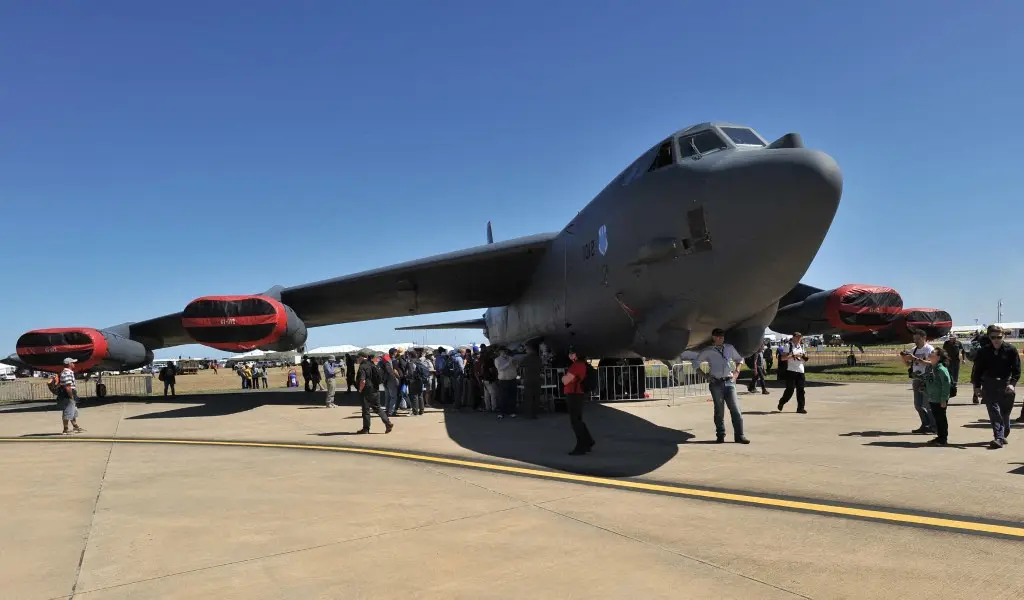
Vietnam War (1965–1973)
The B-52 entered active combat in June 1965, conducting conventional carpet-bombing operations over South Vietnam under Operation Arc Light. Flying at extreme altitudes, the bombers could not be seen or heard from the ground, rendering them a highly feared asset against enemy concentrations. By August 1973, B-52 assets had flown 126,615 combat sorties, suffering 17 aircraft losses due to hostile action.
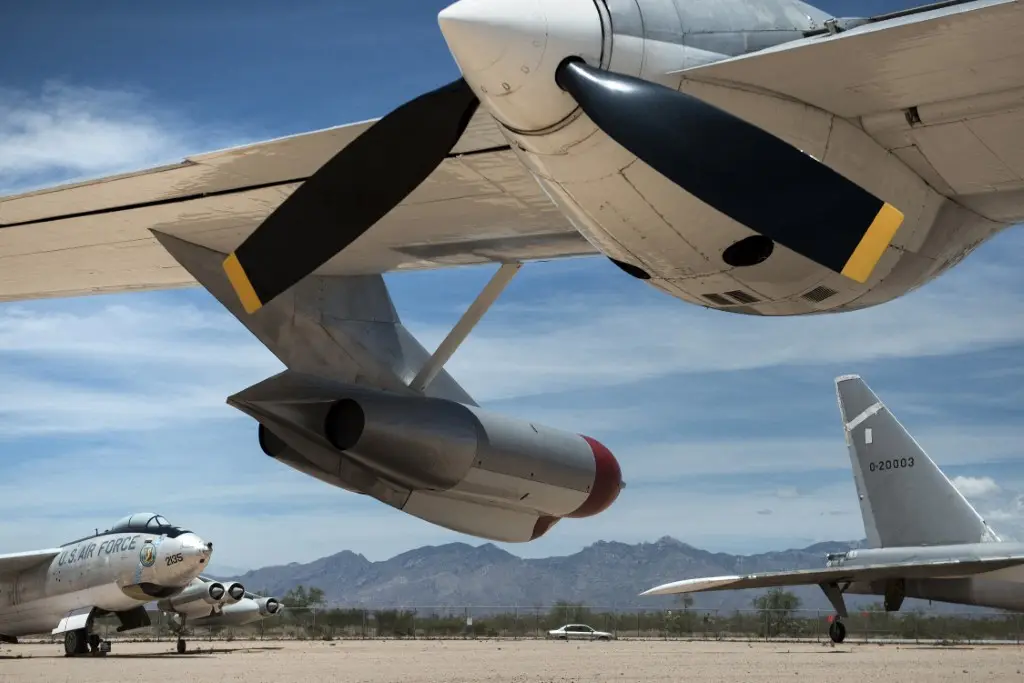
Operation Linebacker II (December 1972)
Referring to the "Christmas bombings," Operation Linebacker II for 12 days represents the most intensive bombing campaign in military history. Ordered by President Richard Nixon following a standstill in peace negotiations, the US deployed more than 200 B-52s to execute 730 sorties, dropping over 20,000 tonnes of ordnance on Hanoi and Haiphong.
On the opening night, 129 B-52s launched from bases in Guam and Thailand encountered heavy resistance, facing over 200 surface-to-air missiles (SAMs), which downed three bombers. Throughout the 12-day offensive, the US lost 16 B-52s and 43 crew members. The campaign concluded on December 29 when North Vietnamese authorities signalled a willingness to resume peace negotiations.
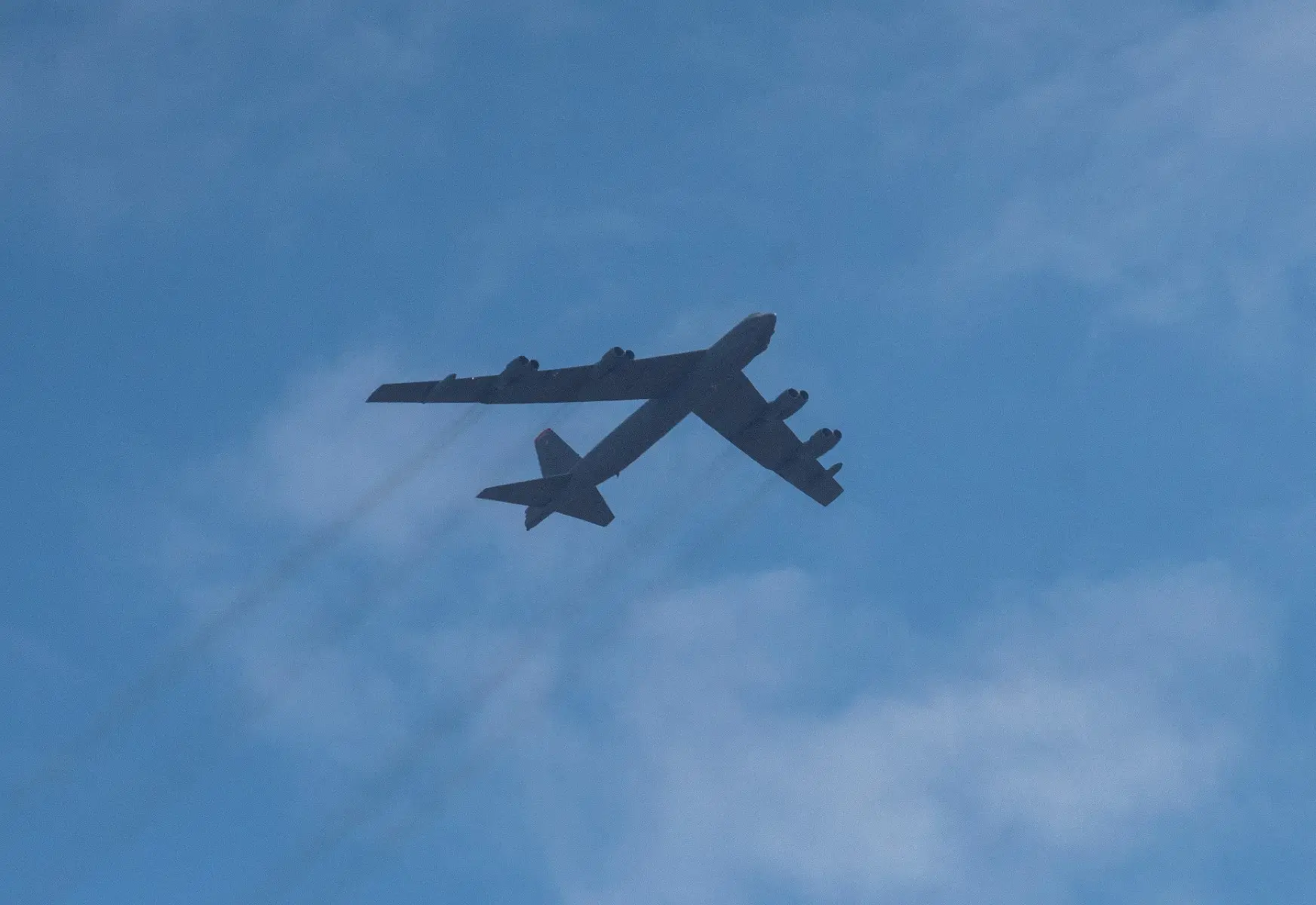
Operation Desert Storm (1991)
The Gulf War featured groundbreaking long-range deployment profiles for the B-52 platform. On January 16, 1991, a flight of seven B-52s launched from Barksdale Air Force Base in Louisiana, completed a 22,530-kilometre non-stop combat mission lasting 35 hours, struck Iraqi targets with conventional cruise missiles, and returned to the US—marking the longest combat sortie in aerial warfare history at that time. Throughout Desert Storm, B-52s flew 1,741 sorties, logging 15,269 combat hours and delivering roughly 24,500 metric tonnes of munitions against troop concentrations, bunkers, and fixed infrastructure, dealing significant psychological damage to the Iraqi Republican Guard.
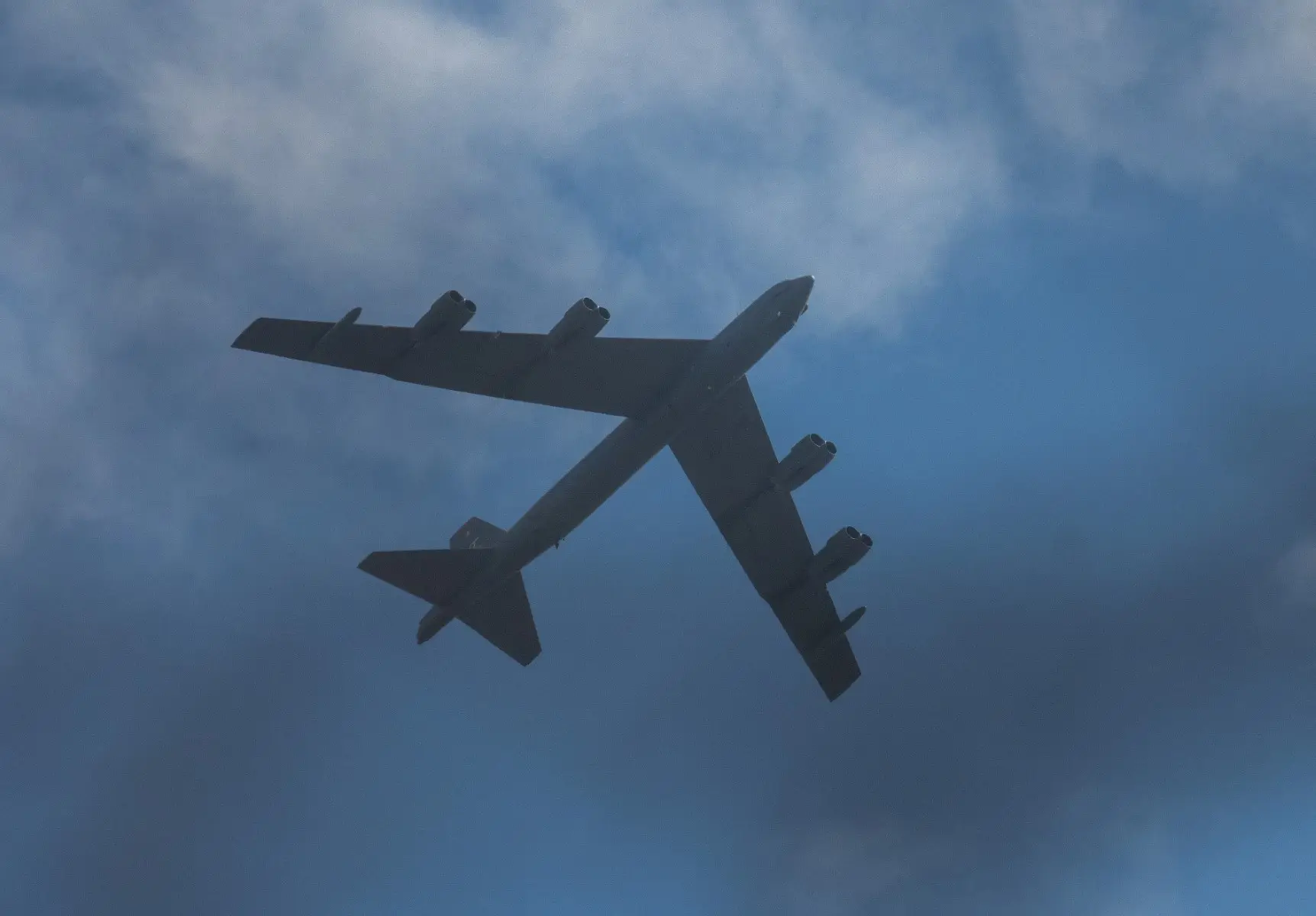
Post-Cold War Interventions: Afghanistan and Iraq (2001–2003)
Operation Enduring Freedom (2001): B-52s provided high-altitude close air support (CAS) over Afghanistan, loitering for extended durations to deliver precision-guided munitions on demand for ground forces.
Operation Iraqi Freedom (2003): The platform demonstrated a high volume of precision strikes, launching approximately 100 conventional air-launched cruise missiles in a single evening.
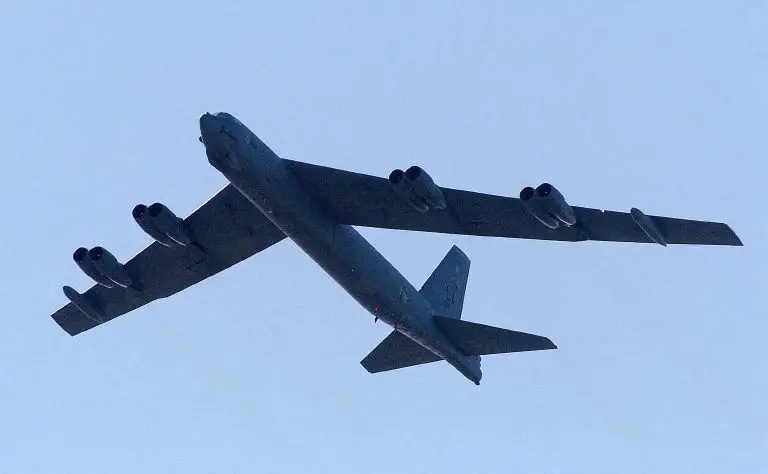
Counter-ISIS Campaign (2016)
B-52 squadrons re-entered the US Central Command (CENTCOM) theatre for the first time in a decade to support anti-Islamic State operations, flying roughly 1,800 combat sorties across Syria and Iraq. During this campaign, Operation Inherent Resolve (OIR) was launched, shifting the strategy from containment to the active dismantling of the "Caliphate". Backed by a 70-nation global coalition, local ground forces successfully expelled ISIS from major strongholds across Iraq, Syria, and Libya, paving the way for the decisive Battle of Mosul.
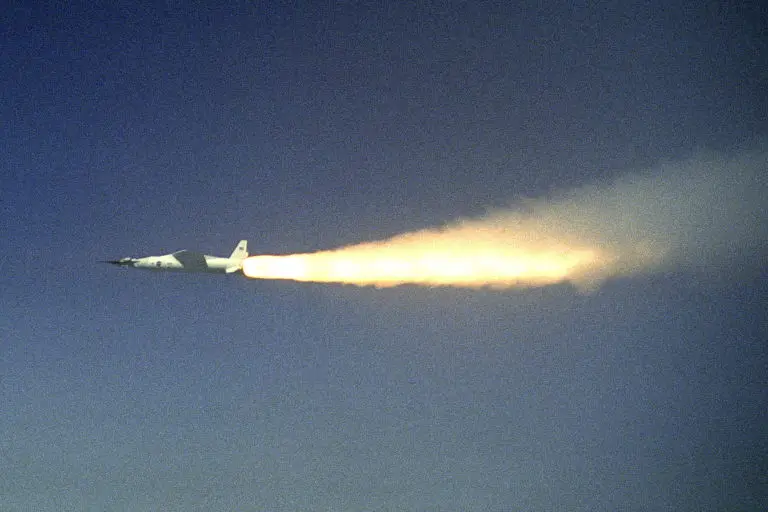
Campaign in Iran: Operation Epic Fury (2026)
The platform's most recent active deployment is ongoing under Operation Epic Fury, initiated by US CENTCOM on February 28, 2026. Deployed alongside B-1B Lancers and B-2 Spirit stealth bombers, B-52s struck over 1,700 targets in the first 72 hours of the campaign. Within the first 13 days of operations, the combined bomber force had struck approximately 6,000 targets across Iran. On June 16, 2026, eight people, including two Boeing employees, died after a US Air Force B-52 bomber crashed immediately after take-off from Edwards Air Force Base in southern California.
)
)
)
)
)