Cold can kill faster than bullets: How modern militaries train soldiers for extreme winter combat

Modern military training in the Arctic requires careful layering and a massive 5,000-calorie daily diet. Training includes surviving ice plunges, using snow caves for warmth, and mastering "ski-joring" for mobility. Soldiers must also adapt to frozen equipment.
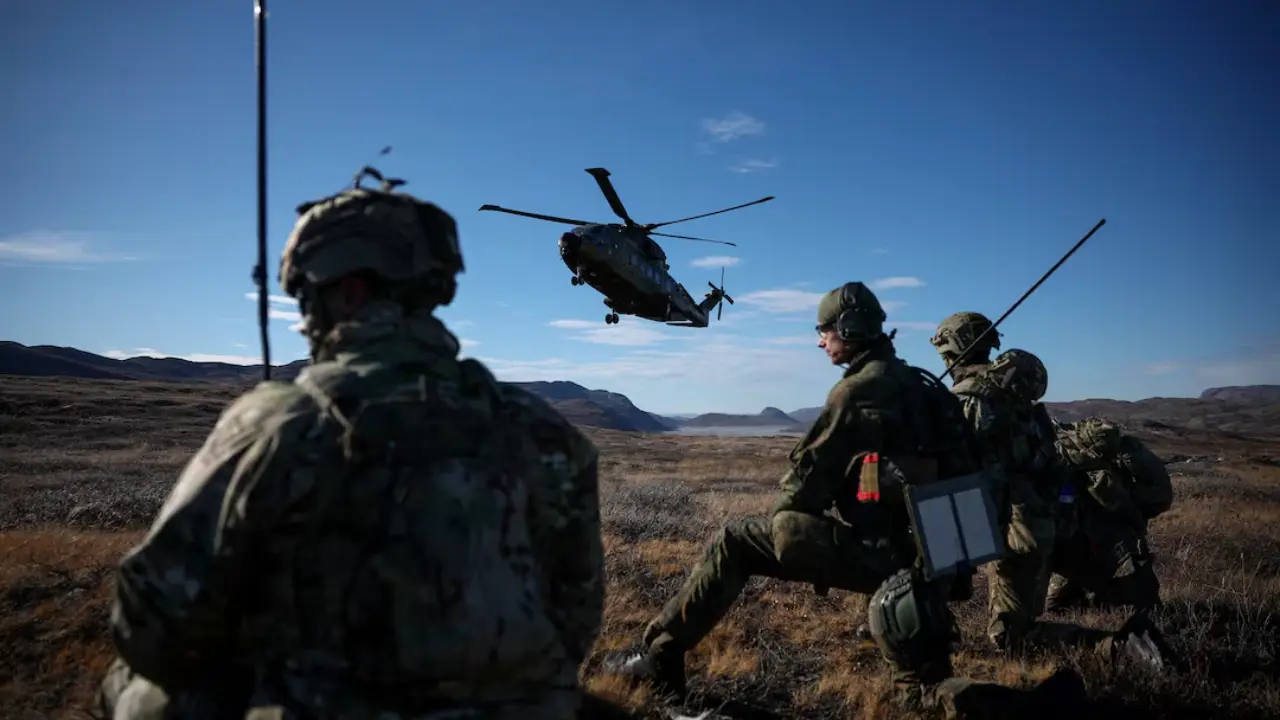
The ‘Sweat Kills’ rule Moisture is a death sentence
Recruits are taught immediately that sweating in -40°C is fatal. Trapped moisture freezes against the skin, causing hypothermia in minutes, so soldiers must master the art of ‘venting’ constantly adjusting layers to stay cool while moving and warm when stopping.
The ice plunge drill: Conquering the cold shock
A rite of passage for Arctic units is the ‘cold water immersion’ drill. Soldiers must jump into a frozen lake, control their gasp reflex to prevent drowning, and calmly recite their service number before climbing out to self-rescue, proving they can function during thermal shock.
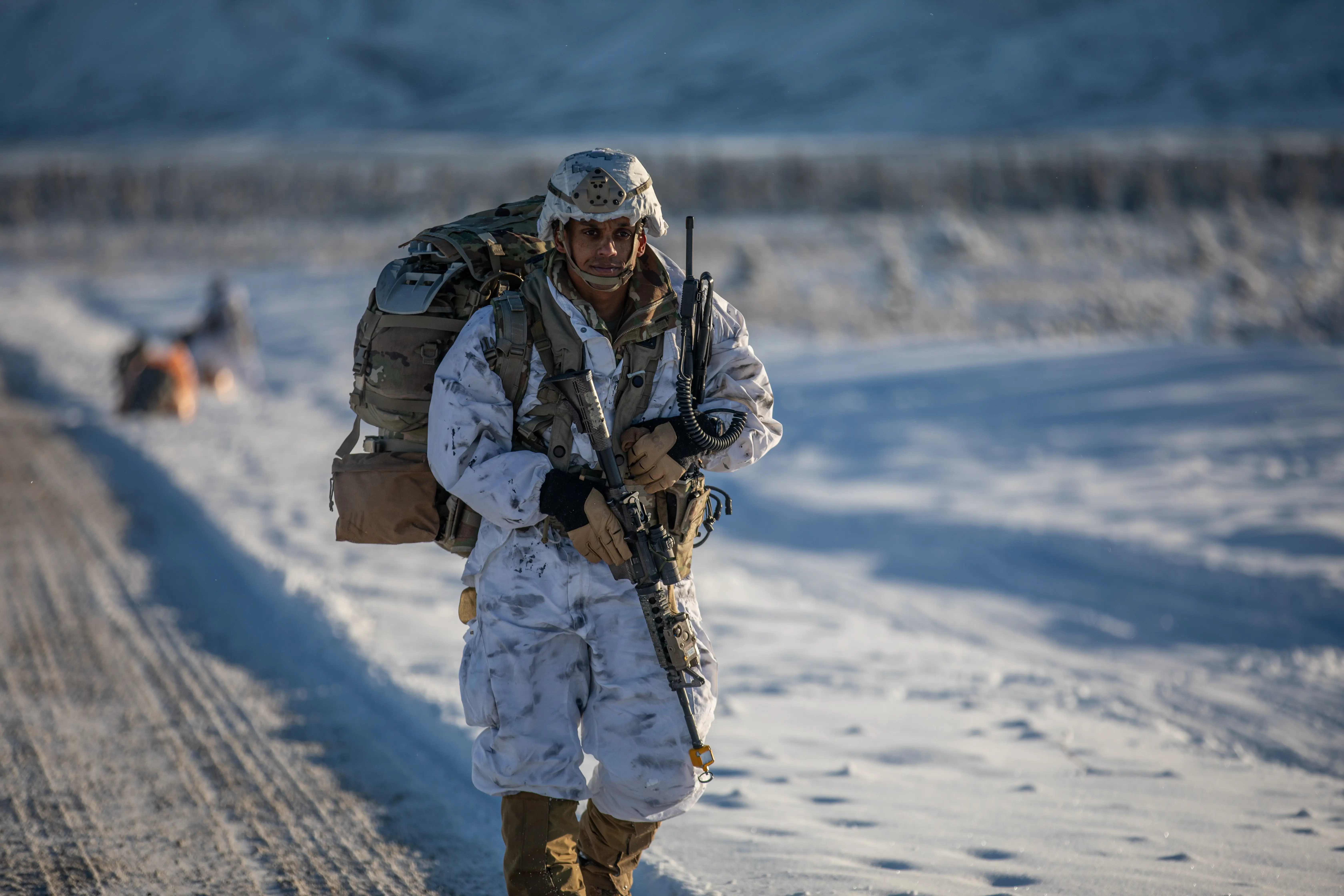
Feeding the furnace 5,000 calories a day
To keep the body warm, soldiers must consume nearly double the average adult’s daily intake. In extreme cold, the body burns massive amounts of energy just to shiver and maintain core temperature, requiring high-fat rations to prevent rapid weight loss and fatigue.
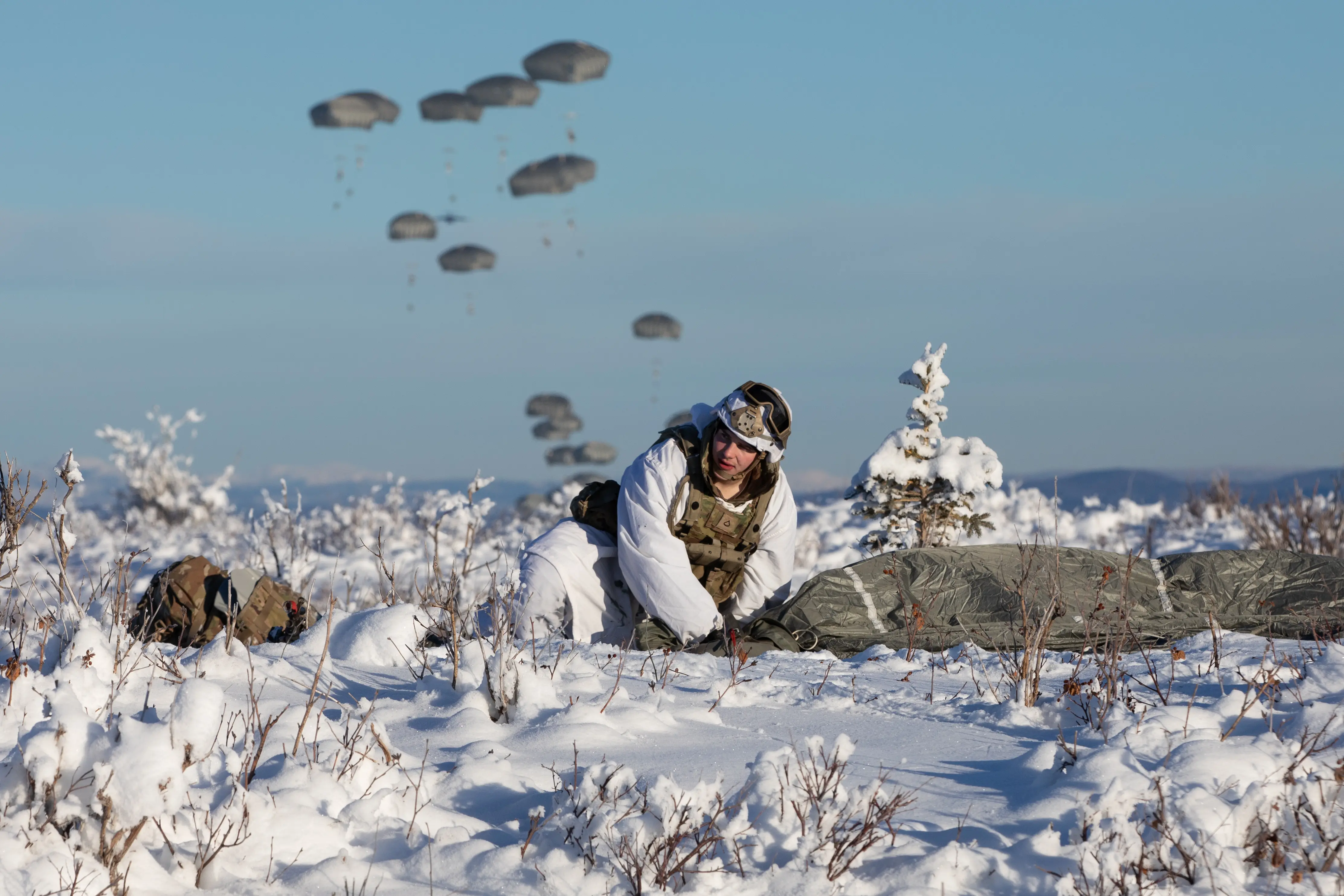
When metal snaps and batteries die Equipment behaves differently
At extreme sub-zero temperatures, standard gun lubricants freeze and batteries drain in minutes. Soldiers learn to keep batteries inside their shirts against their skin and must treat metal weapons delicately, as steel becomes brittle and can snap under stress.
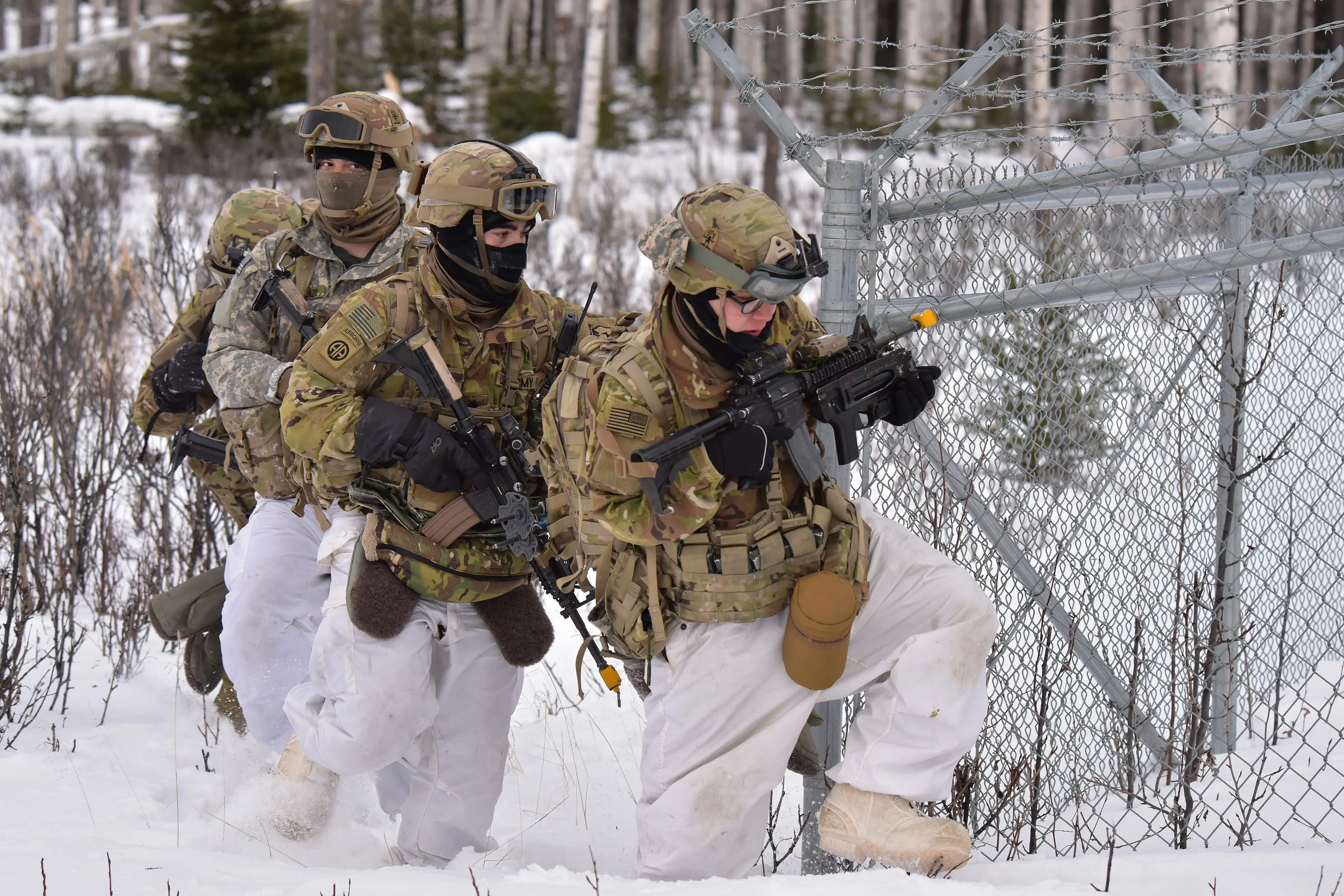
Ski-joring mobility Towed into battle
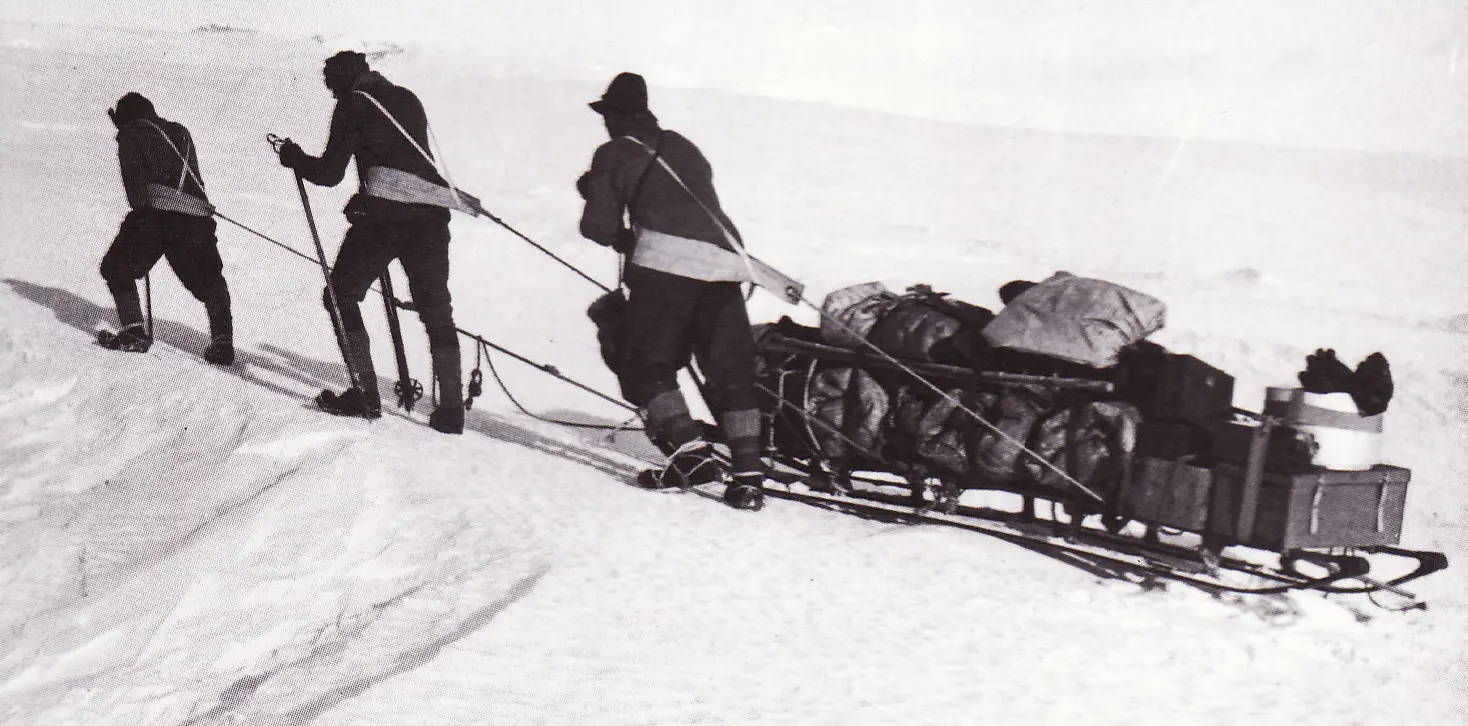
Deep snow makes walking impossible, so soldiers become expert skiers. A key tactic is ‘ski-joring’, where troops on skis are towed behind all-terrain vehicles or snowmobiles, allowing them to cover vast distances at high speed without exhausting their own energy reserves.
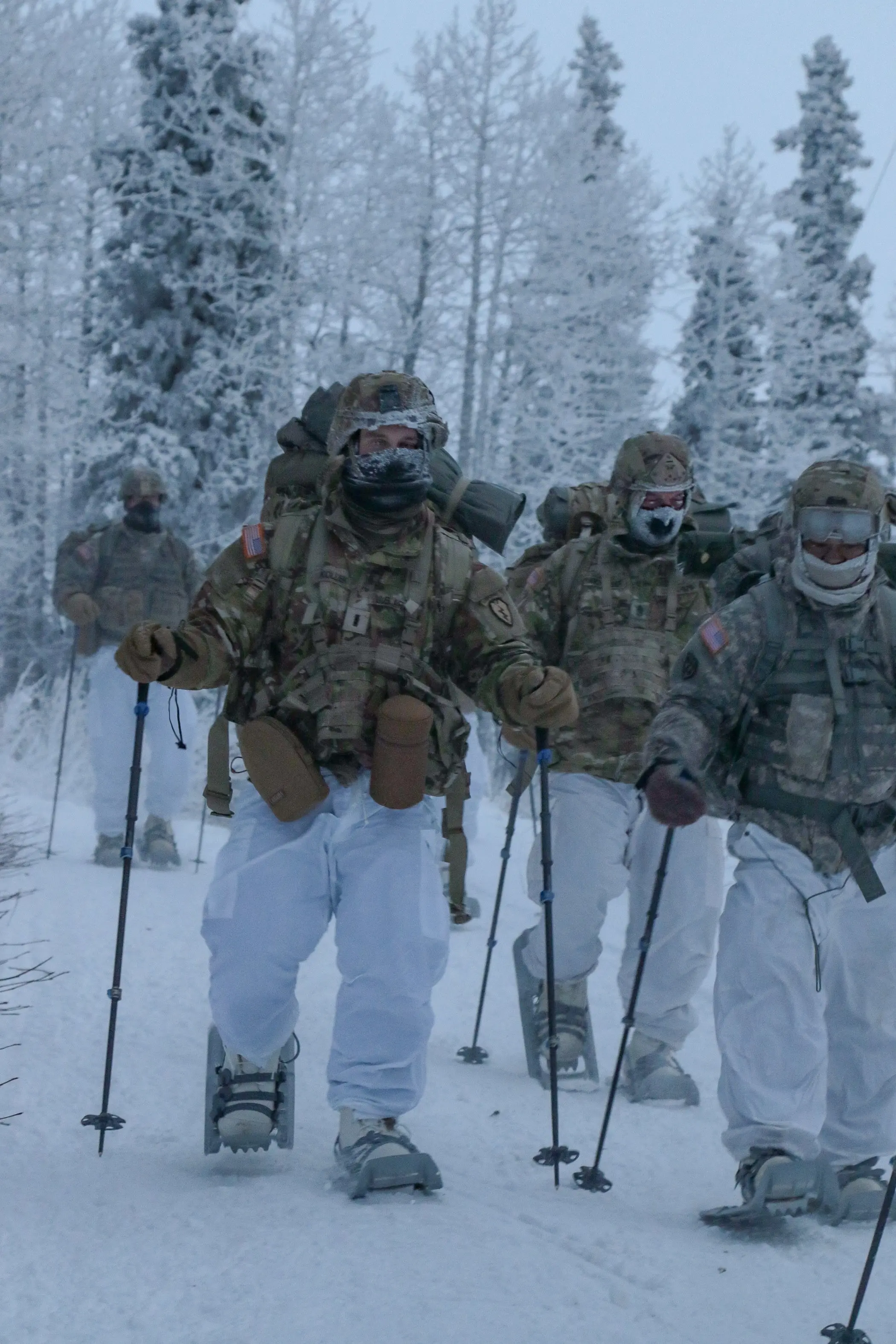
Sleeping in the snow
When temperatures drop dangerously low, tents offer little insulation. Soldiers are trained to build ‘quinzhees’ or snow caves, using the snow’s natural insulating properties to trap body heat, creating a shelter that can be 20 degrees warmer than the outside air.
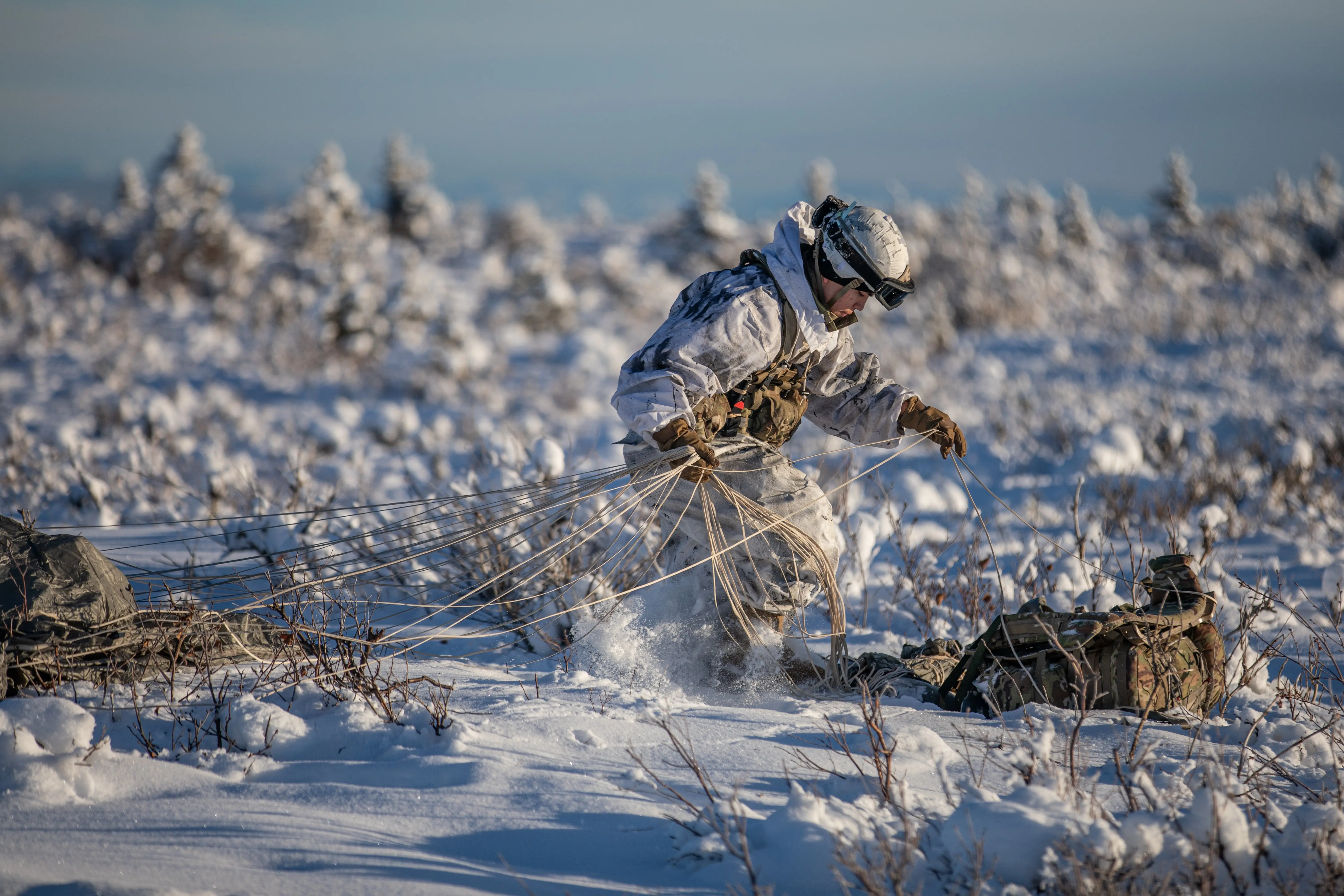
The psychological freeze
Beyond the physical cold, soldiers must train to handle the ‘polar night’ weeks of total darkness. This isolation can disrupt sleep cycles and morale, requiring strict routines and discipline to maintain mental sharpness in a featureless, frozen void.
)
)
)
)
)