CO2 to fuel? Scientists convert greenhouse gas into clean energy: Here's how

Researchers at ETH Zurich have created a cutting-edge catalyst that transforms CO2 gas into methanol more efficiently. Despite using a cluster of metal atoms, they designed a system where each single indium atom actively leads the chemical reaction. Let's have a look at the applied method.

Methanol from CO2
Researchers have engineered an advancement in catalyst design which significantly lowers the energy required to generate methanol (an alcohol) from carbon dioxide and hydrogen. The team also demonstrated a highly efficient use of indium, a relatively scarce metal. In this catalyst, each single indium atom functions as an independent active site, marking a major shift from traditional methods where metals are clustered in particles, according to a report in Science Daily.
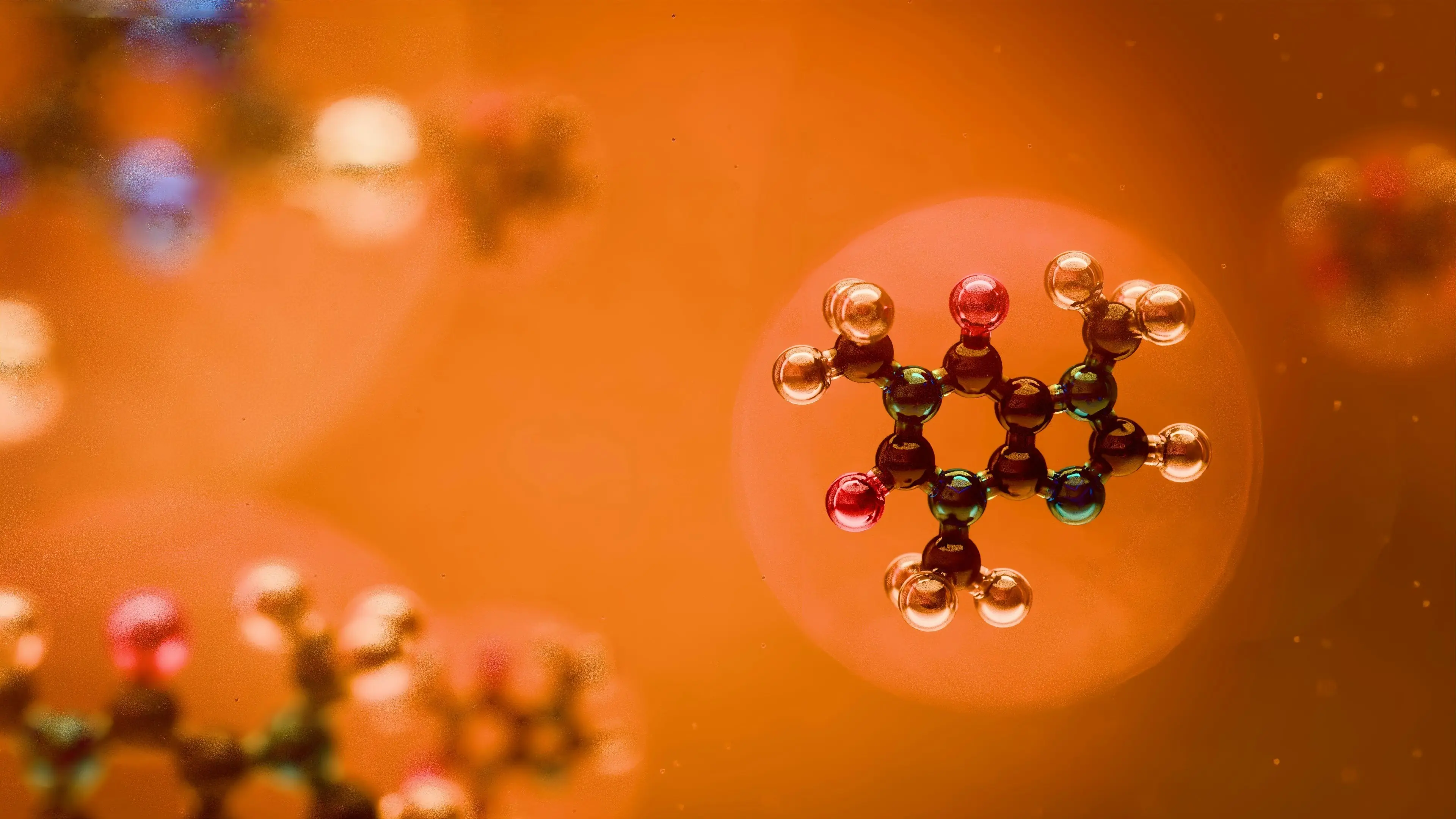
Single Atom Catalysts Maximize Efficiency
Javier Pérez-Ramírez, Professor of Catalysis Engineering at ETH Zurich, explained that the new catalyst features a single-atom design. In this structure, individual metal atoms are dispersed and fixed onto the surface of a specially engineered support material. He noted that traditional catalysts usually consist of metal particles containing hundreds or even thousands of atoms, many of which do not actively participate in the reaction, reducing overall efficiency.
How Single Atom Catalysts behaves
In contrast, single-atom catalysts offer a more efficient solution. By utilising metals at the atomic level, researchers can maximise the use of limited and expensive materials. This approach can even make the use of precious metals viable for industrial purposes. Additionally, working with isolated atoms can alter the way the catalyst performs and behaves during reactions. "Indium has already been used in this catalyst for over a decade," says Pérez-Ramírez. “In our study, we show that isolated indium atoms on hafnium oxide allow more efficient CO2-based methanol synthesis than indium in the form of nanoparticles containing large numbers of atoms.”
Stable Single Atom Catalysts
ETH researchers developed innovative synthesis methods to precisely anchor individual indium atoms onto a hafnium oxide support. A key technique involves high-temperature flame synthesis (up to 3,000°C) followed by rapid cooling, which firmly embeds the atoms while maintaining their reactivity. This breakthrough creates a highly durable catalyst capable of surviving the extreme environments required for methanol production. By withstanding temperatures of 300°C and pressures 50 times atmospheric levels, these single-atom systems offer a robust solution for converting CO2 and hydrogen into sustainable fuel.
Clearer Insights Into Reaction Mechanisms
Conventional nanoparticle catalysts have historically been challenging to investigate. Since chemical reactions occur only at the surface, data measurements are often obscured by "background noise" from internal atoms that remain inactive. This internal interference makes it difficult for researchers to interpret the actual reaction dynamics. In contrast, single-atom catalysts eliminate this complexity. By utilizing only isolated atoms, scientists can observe reaction mechanisms with significantly less interference, providing much clearer insights into how these processes truly function.
)
)
)
)
)