Classical dance forms of India

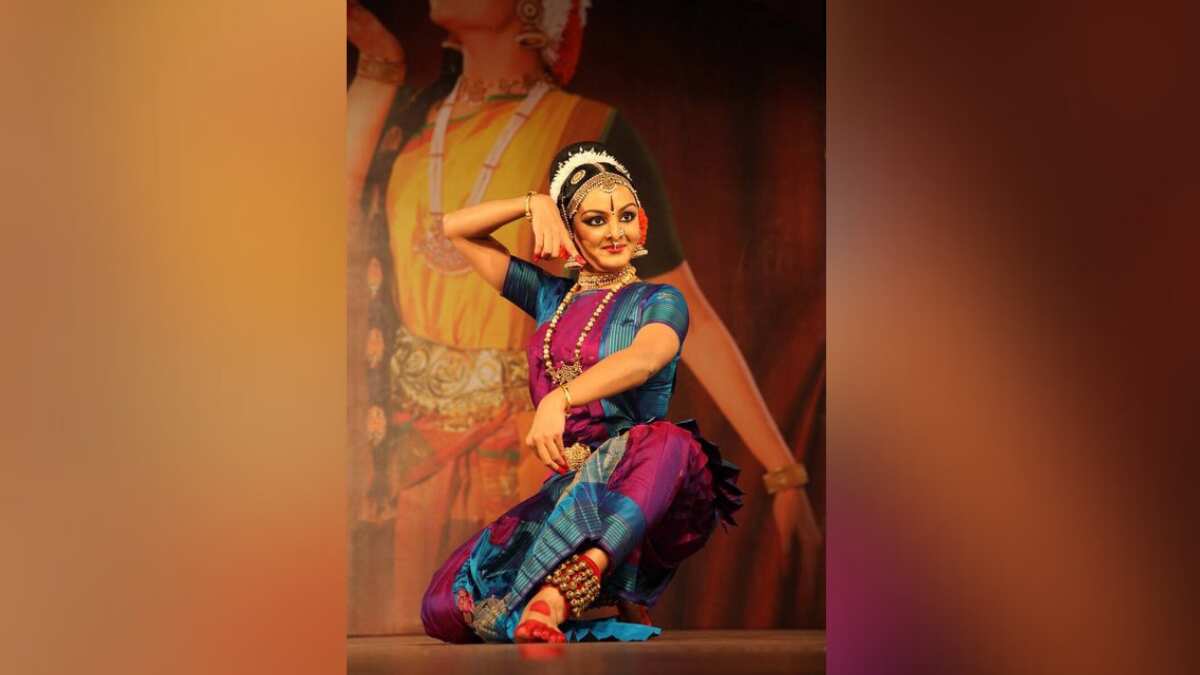
Bharatanatyam
Bharatanatyam, the oldest classical dance form, originated in the state of Tamil Nadu. Before 1932, Bharatanatyam was known as Sadiraattam. It is believed that Bharatnatyam was revealed by Lord Brahma to Bharata, a famous sage.
During colonial rule, Bharatanatyam was mocked and discouraged in India by the Britishers. However, after independence, this classical dance form soon gained popularity.
The four different styles of Bharatnatyam are Melathoor, Pandanalloor, Vazhavoor and Kalashetra.
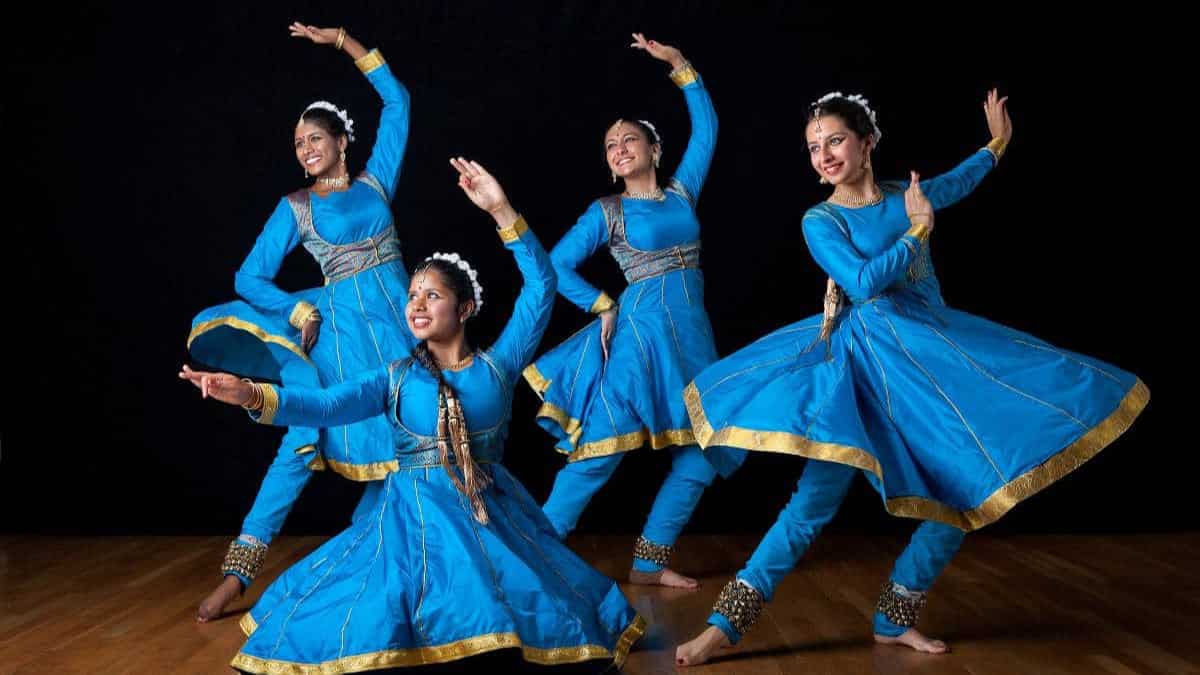
Kathak
Kathak, another popular classical dance form in India, originated in Uttar Pradesh.
The word Kathak comes from the Vedic Sanskrit word ‘Katha’ meaning ‘story’. Hence, Kathak refers to a person who tells stories through dance. Hand gestures, body pose and eye movements are considered important in this form of dance.
The three different Kathak styles are the sufi kathak style, traditional kathak style and contemporary kathak style.
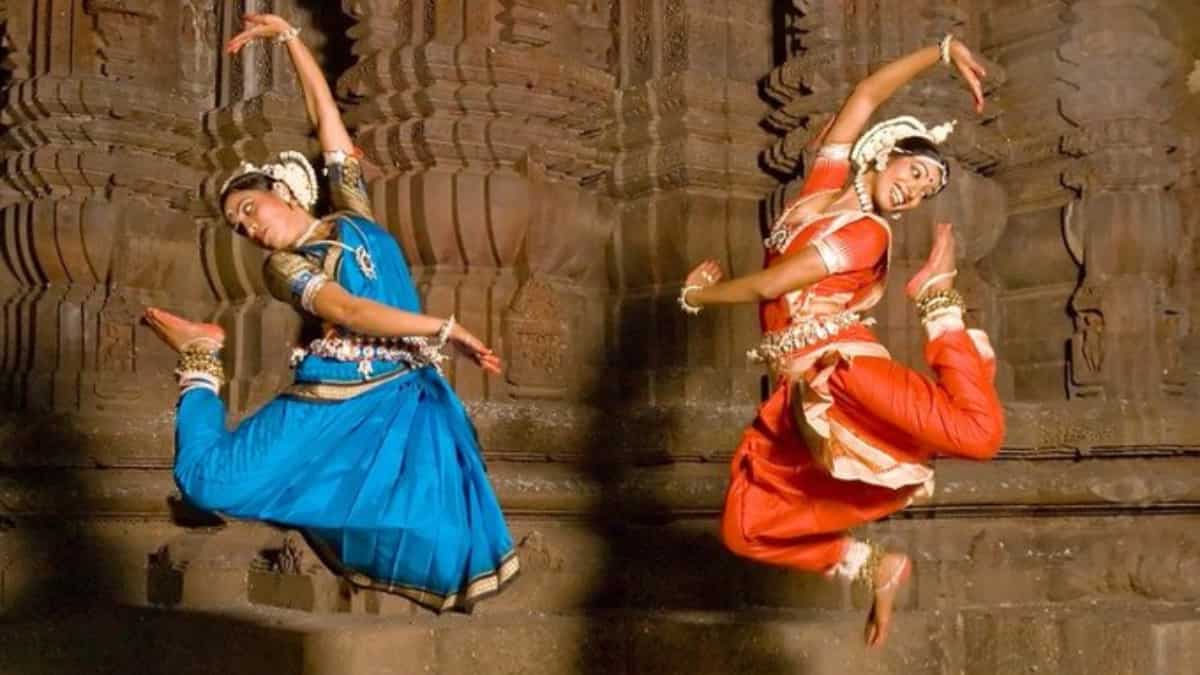
Odissi
Originating from Odisha in the 2nd century, this dance form is a temple dance form. The central theme of the dance form is Lord Jagannath’s worship and the costumes are symbolic of a message of Hindu mythology.
This dance form degraded during the Mughal and British rule. However, it was revived as a classical dance form in India in 1955.
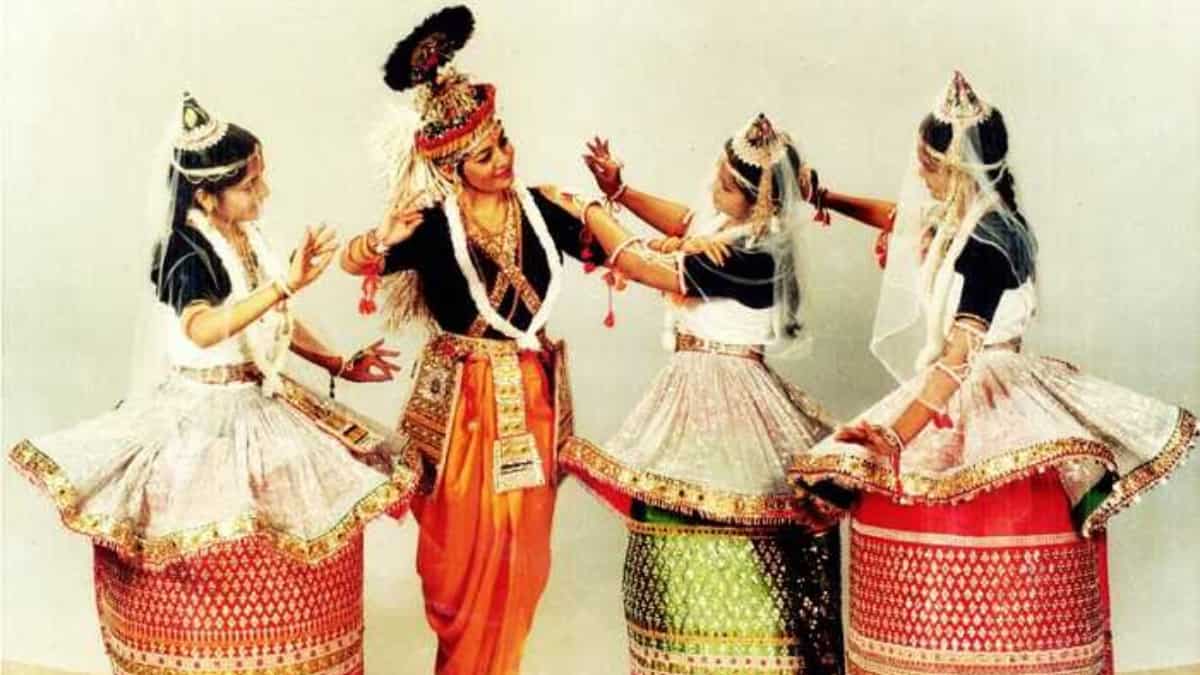
Manipuri
Hailing from the state of Manipur, this dance form is based on the ‘Raasleela’ trope where Radha and Lord Krishna share a dance. Manipuri is considered a religious dance form, which combines singing as well as dancing.
Like other ancient dance forms, Manipuri too came under the clasp of colonial rule and was revived post-independence.
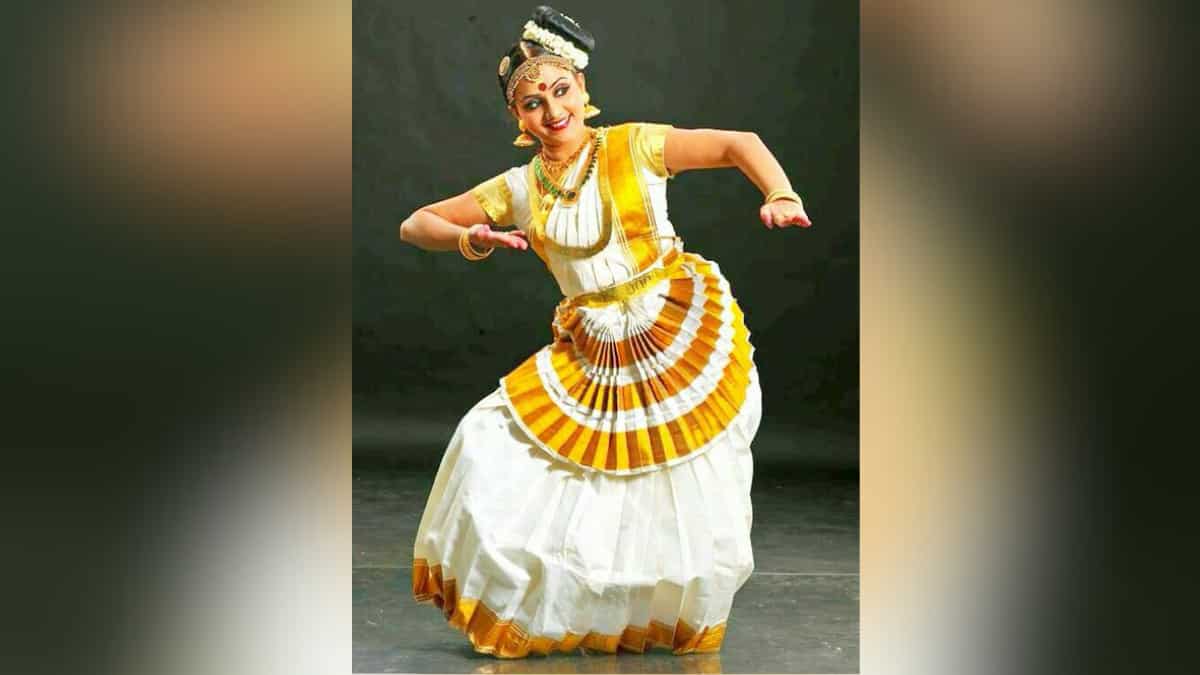
Mohiniyattam
Mohiniyattam is a classical dance native to Kerala. This form of classical dance is a combination of drama as well as rigorous footwork. Its name comes from two words - Mohini and attam - meaning the graceful body movements of a woman. The literal translation of Mohiniyattam means dance of the enchantress. Therefore, people regard Mohiniyattam as a highly graceful dance form performed by women.
During the early 20th century, people began to disgrace this form of dance, However, Mohiniyattam was revived as a dance form in the 1930s.
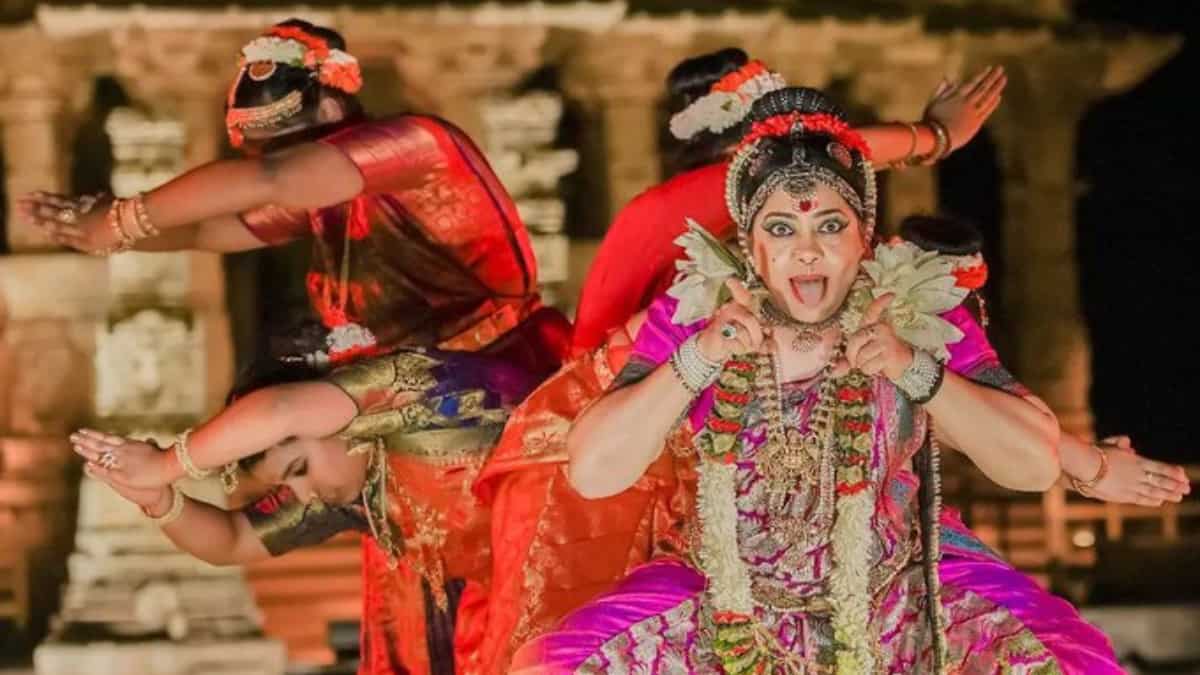
Kuchipudi
Kuchipudi is an Indian classical dance form that originated in the state of Andhra Pradesh. It is a magnificent dance form comprising 28 hand mudras or hand gestures.
In the 17th century, a modern version of Kuchipudi was created.
Just like other dance forms, Kuchipudi was also mocked during colonial rule. However, this dance form saw a revival during the 1920s.
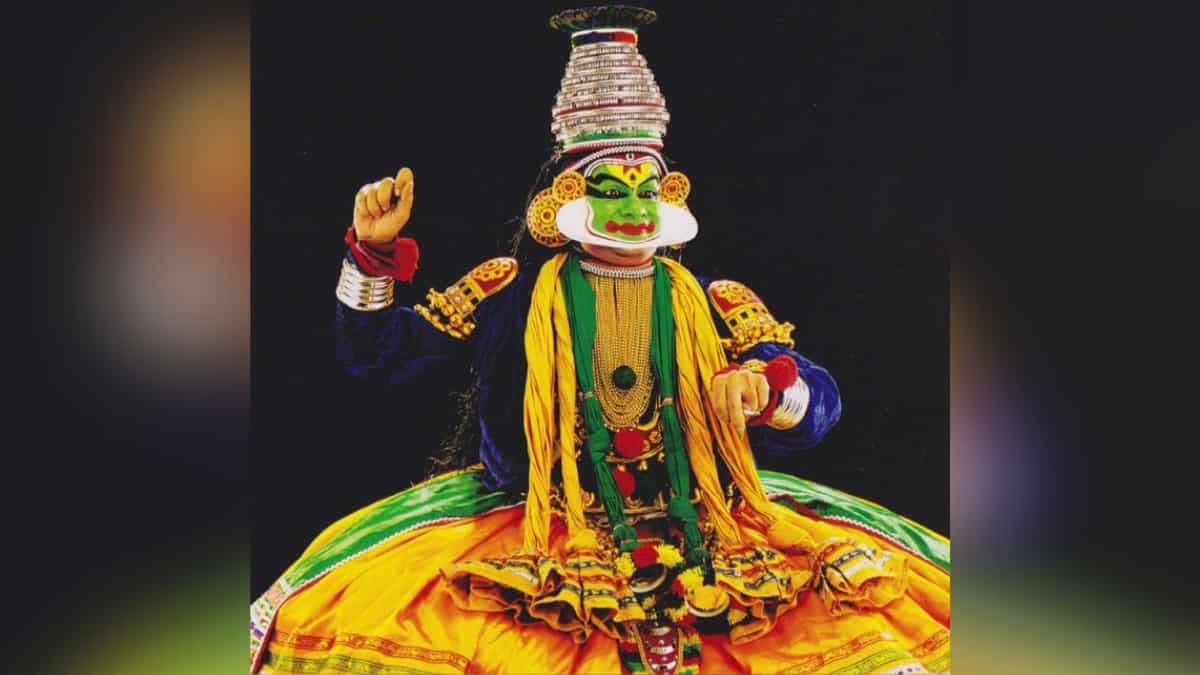
Kathakali
Kathakali originated in the 17th Century in Kerala. It is a combination of devotion, drama, music and dance. The makeup in Kathakali is very significant. There are three types of beards that are a part of Kathakali makeup.
Most of the themes of Kathakali are inspired by Indian epics.
During colonial rule, like other dance forms, Kathakali had fallen into decline. However, the dance form was revived during the 1930s.
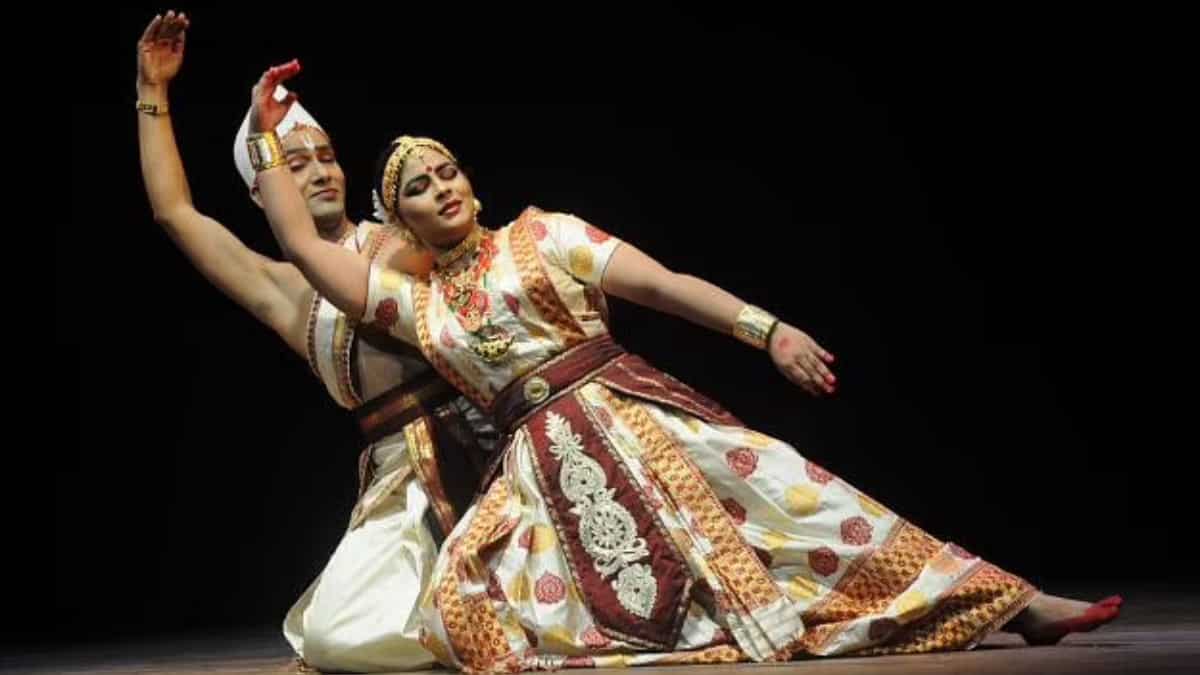
Sattriya
Sattriya is a dance form that originated in Assam. The different forms of Sattriya are Mati Akhara, Jhumura, Krishna Nritya, Nadubhangi, Gopi Prabesh, Gosain Prabesh, Chali, etc.
The Sangeet Natak Akademi finally recognised Sattriya Nritya as an official classical dance of India in 2000.
)
)
)
)
)