Civil Services Day 2026: Which countries have the biggest public Sector? Full list inside

The Civil Service Day is celebrated in India on April 21, 2026, to commemorate the 'steel frame' that builds the backbone of the country. According to the data collated by the ILO, discover which countries have the largest public sector workforce and how governments compare globally.
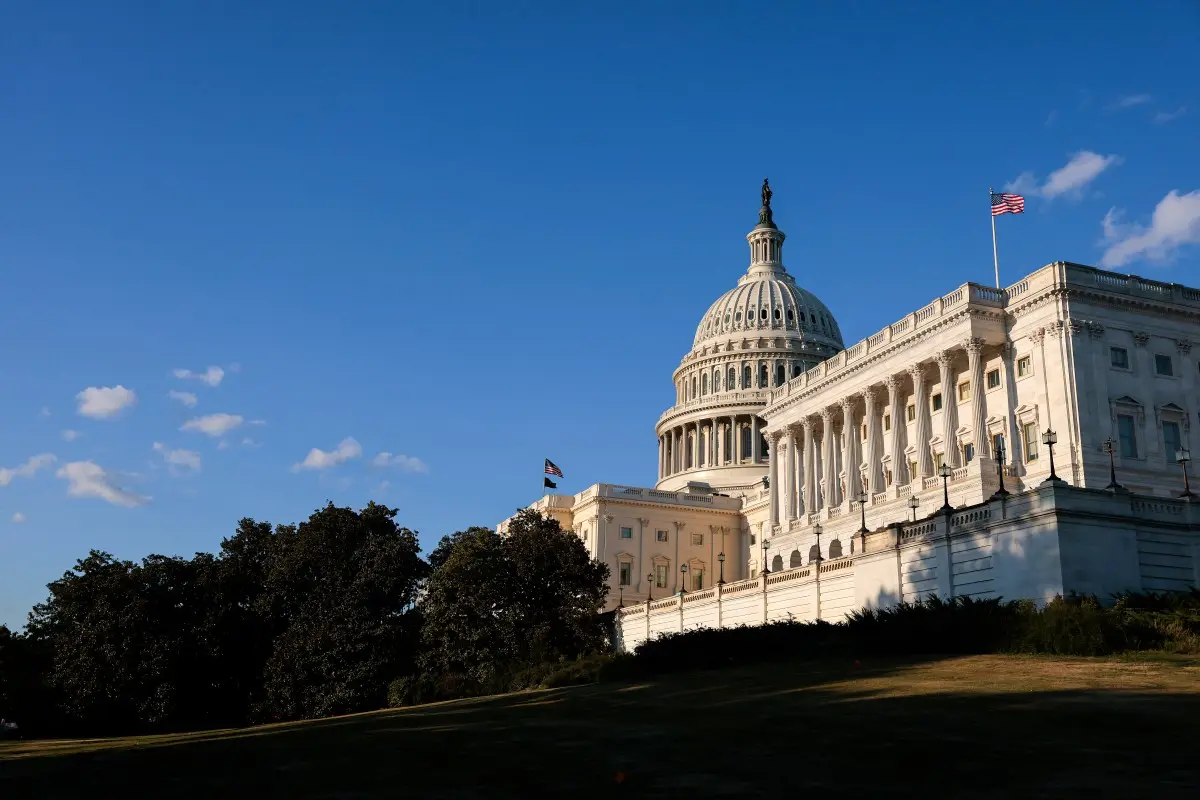
United States
According to the International Labour Organisation, as of 2023, there are nearly 21.6 million people working in the public sector out of the total workforce of 161 million. It is approximately 13.41 per cent of the total workforce, which is relatively lean compared to Nordic or transition economies like Cuba, 77 per cent or Norway, 32 per cent. However, with the election of Donald Trump to the White House for his second term, there has been a significant crackdown on the public sector, with a decline in the Federal Government employees by 8,000 in March 2026.
Indonesia
Indonesia employs approximately 12.5 million people as of 2023 out of the total 139.2 million, which is approximately 8.94 per cent. The Indonesian Public Sector is primarily structured around two categories of employees, PNS or Civil Servants and PPPK or Government Employees with Work Agreements. Unlike the US, Indonesia's public sector is very centralised, with 78 per cent are employed by the centre, though they are technically stationed in regional institutions across its 38 provinces.
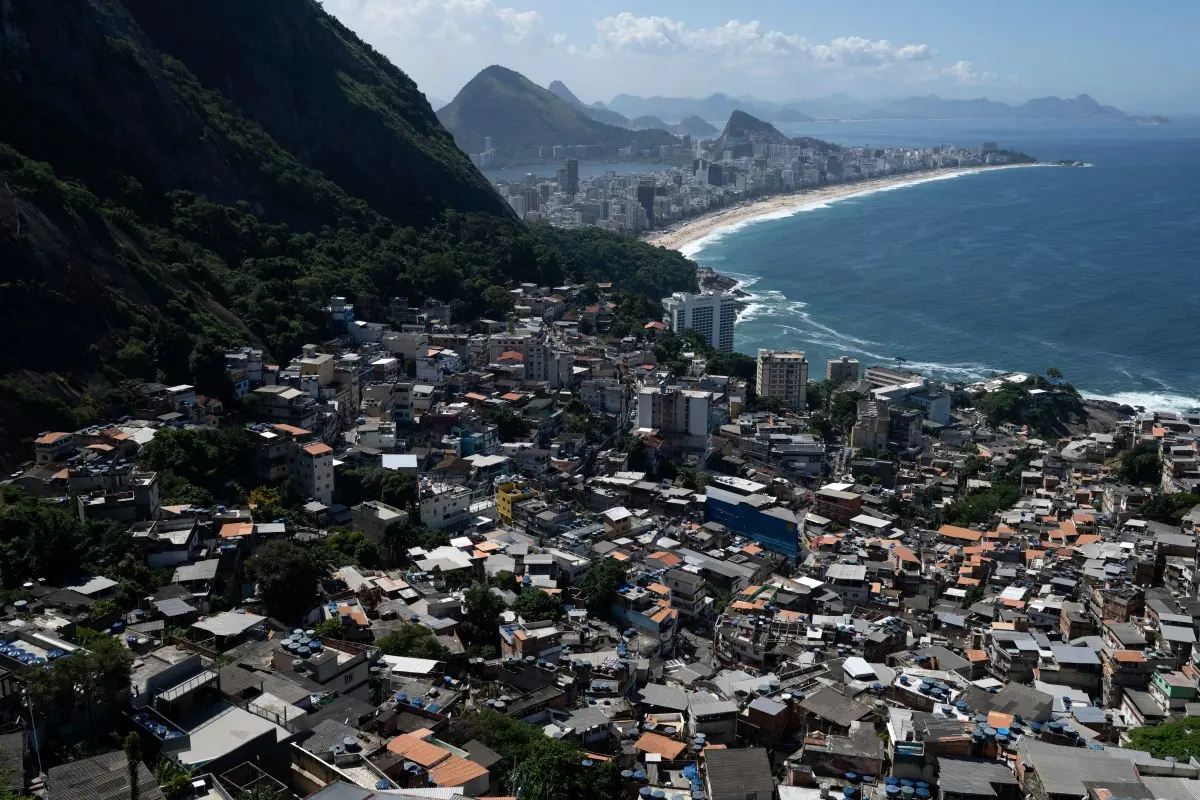
Brazil
Brazil has a robust public sector with approximately 12.1 million employees as of 2023. This accounts for roughly 12.2 per cent of its total employed workforce of 102.15 million. In Brazil, public sector workers are heavily weighted toward municipal services, almost 58 per cent, mostly teachers and health care workers; only 9 per cent are Federal employees, the rest are public safety, like police or in higher education.

United Kingdom
The public sector in the United Kingdom is a cornerstone of the economy, employing approximately 7.8 million people as of April 2026. This accounts for roughly 23.6 per cent of the total workforce, a significantly higher proportion than in the US, roughly 13 per cent or Brazil, 12 per cent. The major public employers are the NHS England, with 1.4 million employees, the Hospital Industry, with nearly 896,876, secondary education, primary education and civil service each accommodate over 500,000 employees.

Mexico
Mexico's public sector represents about 11.6 per cent of the country's total workforce, approximately 6.8 million people as of 2023. These public sector employees are concentrated in three main pillars: education, healthcare, and energy & security.

Germany
Germany's public sector employs roughly 5.4 million people as of 2023. This accounts for approximately 12 per cent of the total workforce. Germany's public sector is heavily concentrated at the state (Länder) and municipal levels, approximately 90 per cent, with a lean federal core of approximately 10 per cent.

France
France has one of the largest and most influential public sectors in the world, employing approximately 5.8 million, accounting for roughly 20 per cent of the total workforce.

Egypt
Egypt’s public sector is one of the largest and most established in the Middle East, employing approximately 5.6 million people as of 2023. This accounts for roughly 20 per cent of the country's total workforce of over 32 million, a high proportion that reflects the state's historical role as a primary provider of employment and services.

Japan
Japan maintains one of the leanest public sectors among developed nations, with approximately 5.2 million public employees, approximately 7 per cent of the total workforce as of 2021. Among them, 2.8 million are in local civil services, roughly 60000 are in the National Civil Services, and the rest are government-owned public corporations.

India
The Civil Service Day is celebrated in India on April 21, 2026, to commemorate the 'steel frame' as framed by Sardar Patel when he delivered his historic address to the first batch of civil service probationers at Metcalfe House in Delhi on April 21, 1947. It has been celebrated as Civil Service Day since 2006. Only about 6 per cent of Indian workers are in the public sector; this rises to 10 per cent in the non-agricultural sector. India is not in the top 10 list, but Civil Services and other public sector remain the most sought after job profile in India.
)
)

)
)