Citizenship index: 15 hardest countries in the world to become a citizen

Qatar demands 25 years residency plus Islam conversion. Vatican restricts to clergy only. Liechtenstein requires 30 years with citizen referendum vote. Bhutan demands 20 years plus royal discretion. Switzerland requires B1 German and 10 years. Here are 15 hardest countries to get Citizenship.

Qatar Demands 25 Years Residency Plus Islam Conversion
Qatar ranks as the world's most difficult country for obtaining citizenship, requiring 25 consecutive years of legal residence before applying. Applicants must demonstrate legitimate income sources, maintain good conduct with no criminal convictions, and many sources indicate conversion to Islam is expected. Additionally, renouncing previous nationality becomes mandatory upon approval. Only about 100 permanent residency permits issue annually from Qatar's Ministry of Interior.

Vatican
Vatican City offers citizenship exclusively to clergy members, diplomats, and Church workers employed by the Holy See. No natural path exists for ordinary foreigners seeking Vatican citizenship, making it nearly impossible for civilians. Citizenship becomes automatic only through employment by the Church or diplomatic appointment. The entire population remains under 1,000 residents.

Liechtenstein
Liechtenstein demands 30 years continuous residency for standard naturalisation, though this reduces to 5-10 years through marriage or exceptional community approval. The unique barrier involves municipal referendums where existing citizens vote on each naturalisation application individually. This democratic process resulted in only 189 naturalisations in 2023 from a population of 39,584 residents.

Bhutan - Demands 20 Years Residency Under Royal Discretion
The Himalayan kingdom of Bhutan requires 20 years minimum residency before citizenship application eligibility. Beyond residency, applicants need approval solely at the discretion of Bhutan's monarchy, which can reject applications without providing reasons. Clean record maintenance and cultural integration expectations add further barriers to successful applications.

Saudi Arabia
Saudi Arabia mandates at least 10 years continuous residence, Arabic language proficiency, and impeccable character references before citizenship consideration. Applicants must renounce previous nationality, and the Ministry of Interior maintains absolute discretion over approval decisions. Criminal history automatically disqualifies applications regardless of residency duration met.

Kuwait
Kuwait requires 20 years residency combined with mandatory Islamic faith conversion for Christian or other religious backgrounds. The Bedoon crisis affects over 100,000 stateless residents denied citizenship despite generational presence. Naturalised citizens cannot vote for 30 years after gaining citizenship, with apostasy from Islam triggering automatic citizenship loss.
Switzerland
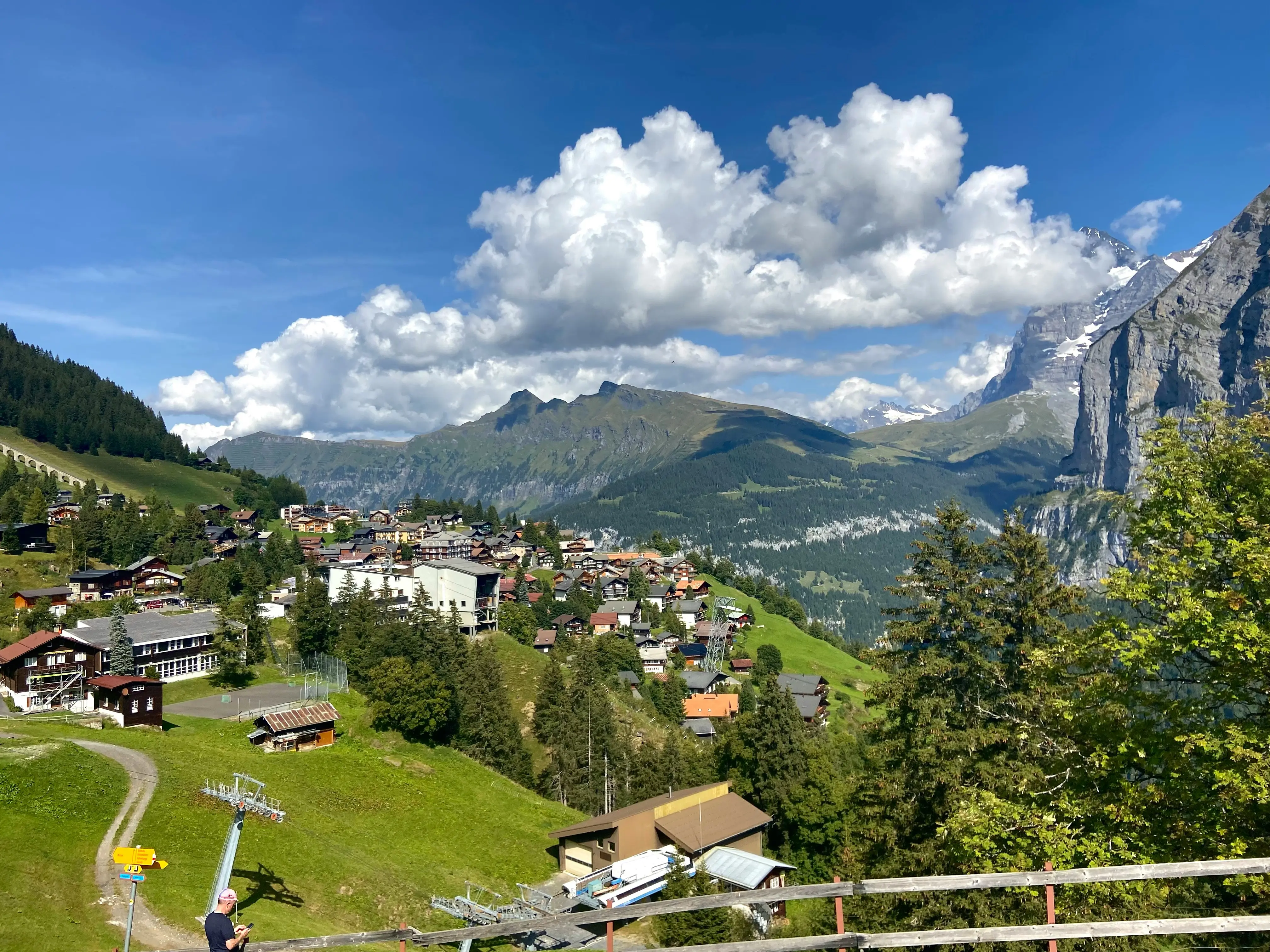
Switzerland requires minimum 10 years continuous residency across all 26 semi-autonomous cantons. Language proficiency demands include B1 level in spoken language and A2 level in written language specific to the canton where applicants reside. Each canton sets individual requirements, with some demanding higher proficiency standards. Approved certificates include FIDE, TELC, and Goethe tests.

China
China's Nationality Law provides intentionally ambiguous paths for foreign citizenship acquisition, mostly limited to family ties or undefined "other legal grounds." The Chinese government rarely grants citizenship to foreigners, maintaining one of the world's most restrictive policies. Dual citizenship remains prohibited under Chinese law.

North Korea
North Korea permits no dual citizenship and maintains highly restricted, secretive naturalisation procedures. The regime provides virtually no information about citizenship acquisition pathways for foreign nationals. Practical opportunities for outsiders becoming North Korean citizens remain very tough.

Japan
Japan requires 5 years continuous residence in the country, though extended stays abroad exceeding 90 days or 150 days annually can break continuity requirements. Applicants must renounce previous nationality completely Japan does not recognise dual citizenship. Basic Japanese language proficiency sufficient for daily life becomes mandatory.

United Arab Emirates
The UAE maintains 30-year residency requirements, except for Gulf Cooperation Council citizens enjoying slightly favourable terms. The selection process remains extremely selective, with government discretion determining final approval. Wealthy individuals seeking citizenship through investment face similarly stringent requirements despite financial resources.

San Marino
San Marino mandates 30 years continuous residency before naturalisation eligibility, coupled with mandatory renunciation of any other citizenship. The microstate maintains exceptionally low naturalisation rates annually. Community ties and cultural integration become important factors despite meeting formal residency requirements.

Austria
Austria requires 10 years legal residency combined with B2-level German language proficiency a relatively high standard. Background checks examine criminal history and financial stability throughout the residency period. The Austrian government maintains strict naturalization policies, rarely granting citizenship to applicants with weak community integration records.

Monaco Requires 10 Years Residency Plus French Language
Monaco demands 10 years continuous residence with demonstrated high financial resources sufficient to support Monaco's expensive living standards. French language proficiency becomes mandatory, and applicants must renounce previous citizenship. Background checks verify lack of criminal history and legitimate income sources throughout residency.

Finland
Finland reduces residency requirements from 8 years to 5 years as of 2025, but language proficiency represents the primary naturalisation barrier. Finnish and Swedish language requirements remain notoriously difficult for foreign applicants. Integration tests and proof of financial support supplement formal residency requirements, making practical naturalisation challenging despite shortened residency periods.
)
)
)
)
)