Churu plane crash: What is a ‘Strike Fighter Jet’ and why IAF’s Jaguar may be India’s last?

Strike fighters excel at hitting enemy infrastructure from long distances, often flying low to avoid radar. They are crucial in wars where air dominance is already established and precision ground attacks are needed.
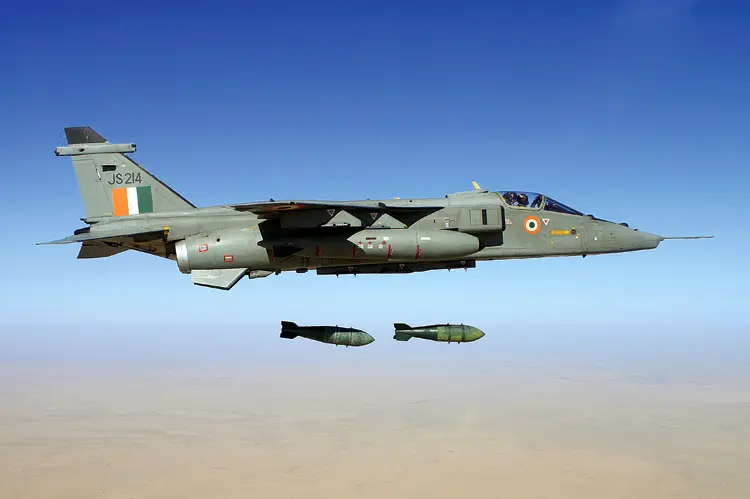
IAF's Jaguar
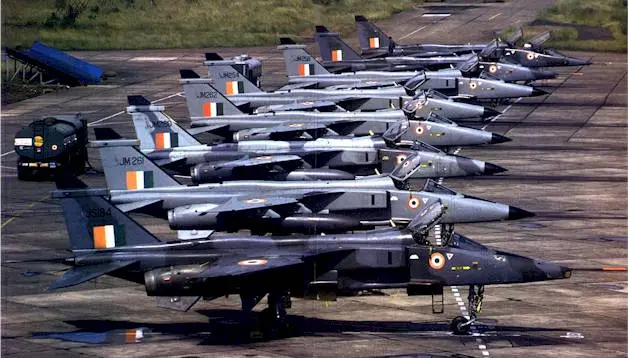
Not all fighter jets are built to dogfight in the skies. Some are designed for a different kind of warfare, one that hits deep, flies low, and destroys high-value targets with precision. These are called strike fighter jets, and the IAF’s Jaguar has been India’s most iconic one for over four decades.
But as India moves toward modernisation, the Jaguar could be the last of its kind. Here's what makes a strike fighter jet unique and why the Jaguar’s era may soon come to a quiet end.
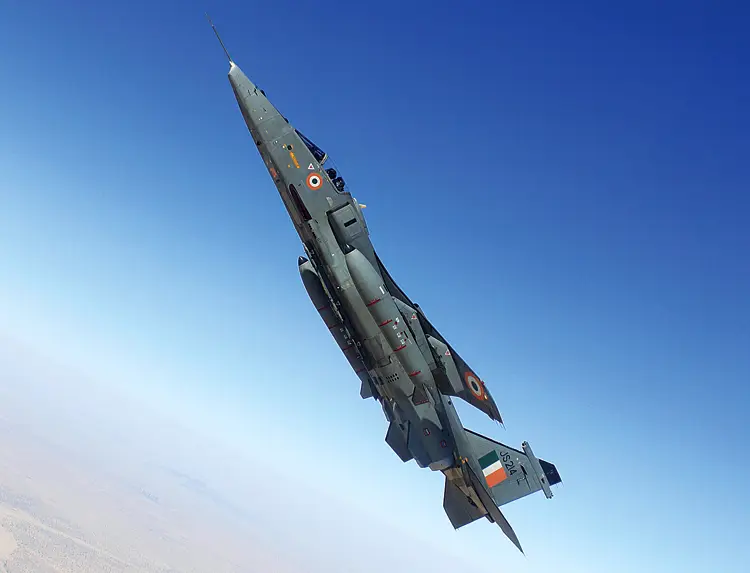
What Is a Strike Fighter Jet?
A strike fighter is an aircraft designed primarily for air-to-ground attack missions, while also being capable of basic air-to-air self-defence. Unlike air superiority fighters like the Rafale or Su-30MKI, which are meant to dominate the skies, strike fighters are built to destroy ground targets such as enemy bunkers, runways, bridges, and even ships.
They are often equipped with terrain-following radar for low-altitude flight, Precision-guided bombs and missiles, high payload capacity, extended range for deep penetration missions
Strike fighters excel at hitting enemy infrastructure from long distances, often flying low to avoid radar. They are crucial in wars where air dominance is already established and precision ground attacks are needed.
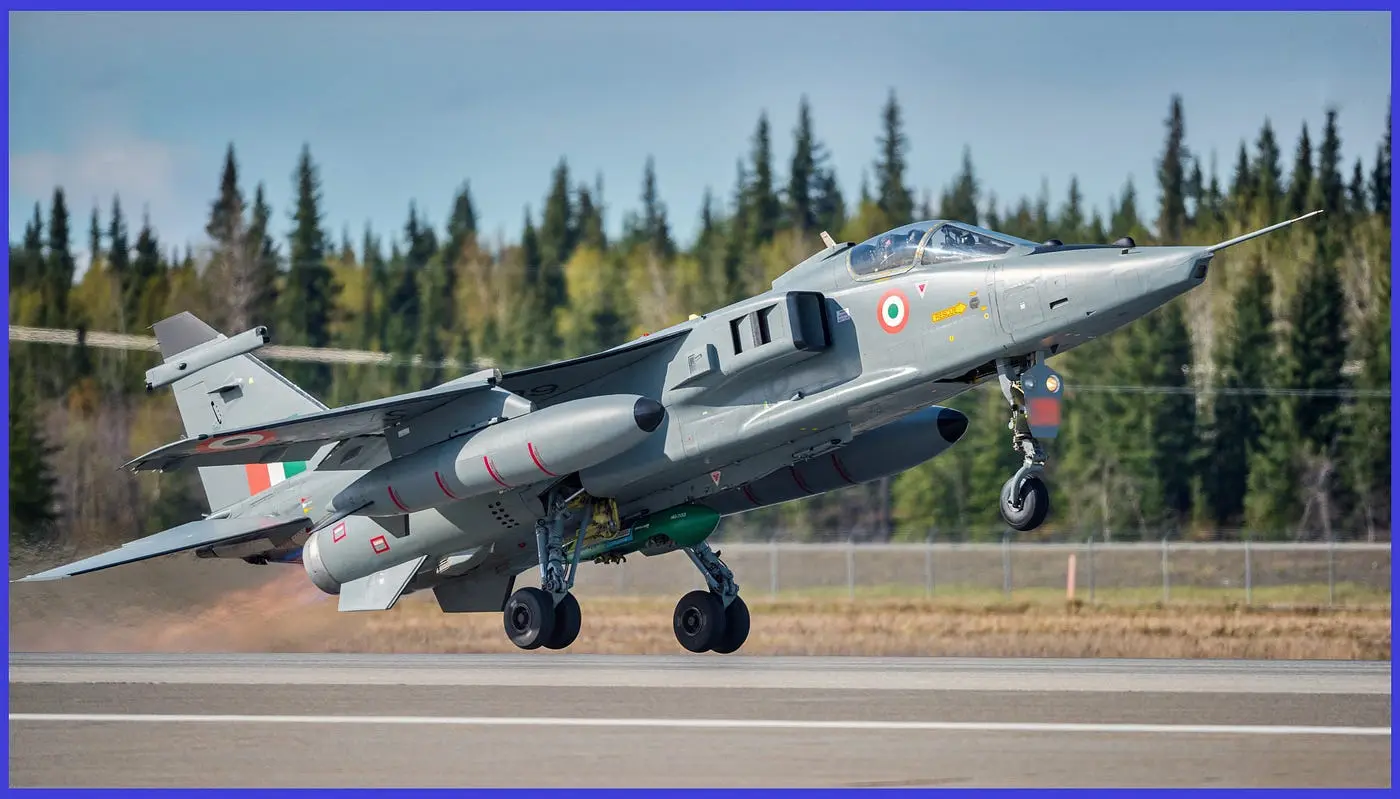
Jaguar: India’s Deep Strike Warrior
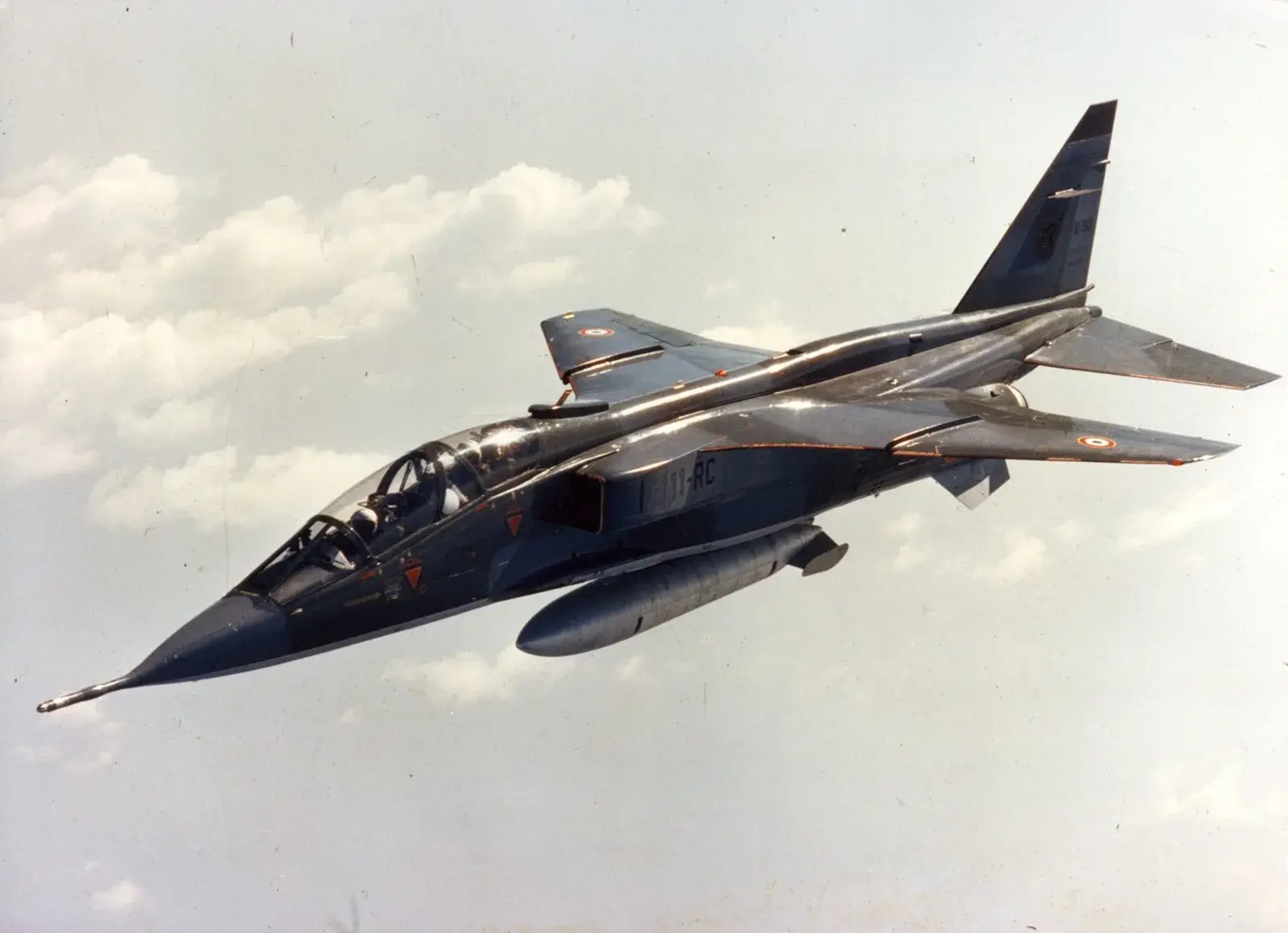
The SEPECAT Jaguar, introduced into the IAF in 1979, was designed specifically for deep strike and ground attack missions. It could carry nuclear payloads, laser-guided bombs, and anti-ship missiles. Its twin-engine design and low-altitude flight profile made it perfect for flying under enemy radar.
Over the years, India upgraded it with the DARIN navigation system, Litening targeting pods, and ASRAAM air-to-air missiles, keeping it relevant well into the 21st century. The Jaguar became India’s go-to aircraft for pre-emptive strikes and strategic deterrence, serving during the Kargil conflict and numerous border tensions.
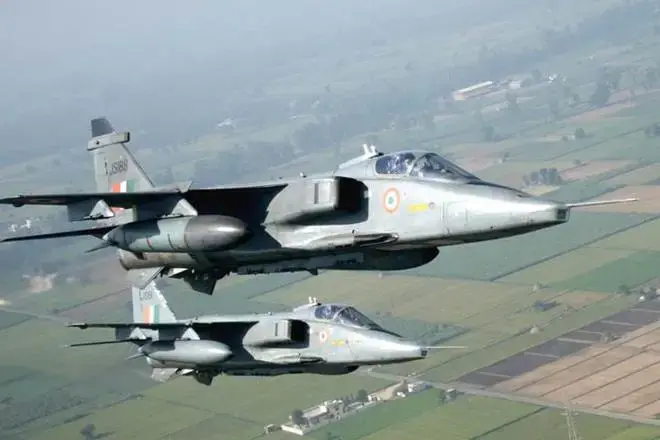
So Why should Jaguar be Retired?
Despite its legendary status, the Jaguar is now showing its age. With over 40 years in service, the jet suffers from an ageing airframe, outdated Adour engines (underpowered for current mission loads), high maintenance costs, limited ability to survive in modern air defence zones. Attempts to fit new engines, like the Honeywell F125IN, failed due to cost and logistics. The IAF has managed to keep some Jaguars flying through DARIN III upgrades, but even that can’t hide the fact that the Jaguar was designed for Cold War-style conflicts, not the multi-domain warfare of today.
Why India May Never Build Another Strike-Only Jet
The future of air combat is shifting toward multirole fighters like the Tejas Mk1A, Rafale, and AMCA. These jets combine air-to-air, air-to-ground, and electronic warfare capabilities into a single, flexible platform. This reduces logistics, cost, and pilot training complexity.
India is unlikely to invest in a jet designed only for strike missions, when modern platforms can do it all. That makes the Jaguar possibly India’s last dedicated strike aircraft, a proud chapter that’s now closing.
A Legacy That Will Echo in Every Future Fighter
The Jaguar may soon retire, but its legacy will shape the future. It trained generations of strike pilots, proved its worth in battlefield conditions, and remained a symbol of precision firepower for decades. As the IAF prepares to induct AMCA and more Tejas variants, the spirit of the Jaguar will fly on, in sleeker, faster, and stealthier forms.
)
)
)
)
)