Churu plane crash: How IAF's Jaguar became India’s first nuclear-capable fighter jet?

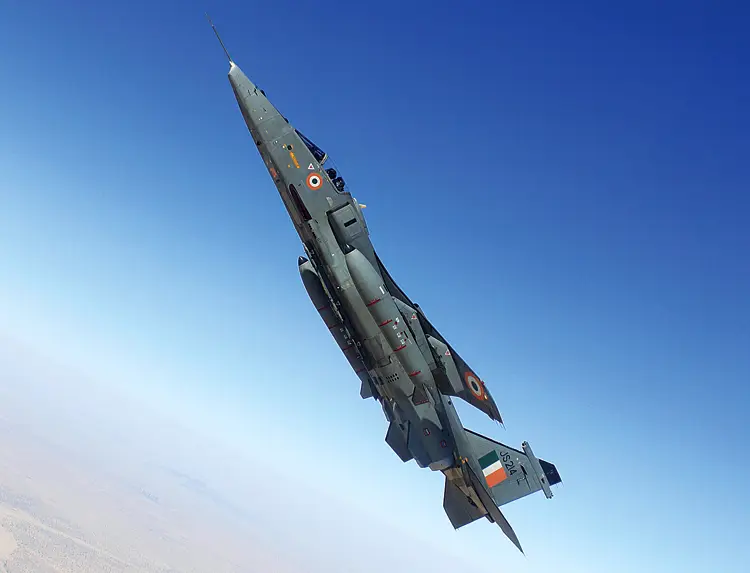
Even before strategic missiles came into existence, the IAF deployed Jaguars, equipped to deliver nuclear payloads, as India’s earliest air-based nuclear deterrent. Long before the Mirage 2000 or Su-30, it secured India’s role in the nuclear triad.
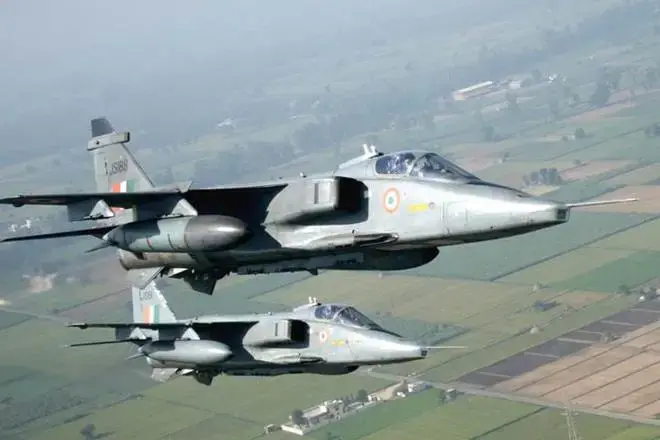
Designed as a Deep-Penetration Strike Weapon
Developed in the 1960s by Britain and France, the Jaguar was built for supersonic speed, terrain-hugging flight, and tactical nuclear strike missions. Its designers included capacity for gravity nuclear bombs alongside conventional loadouts .
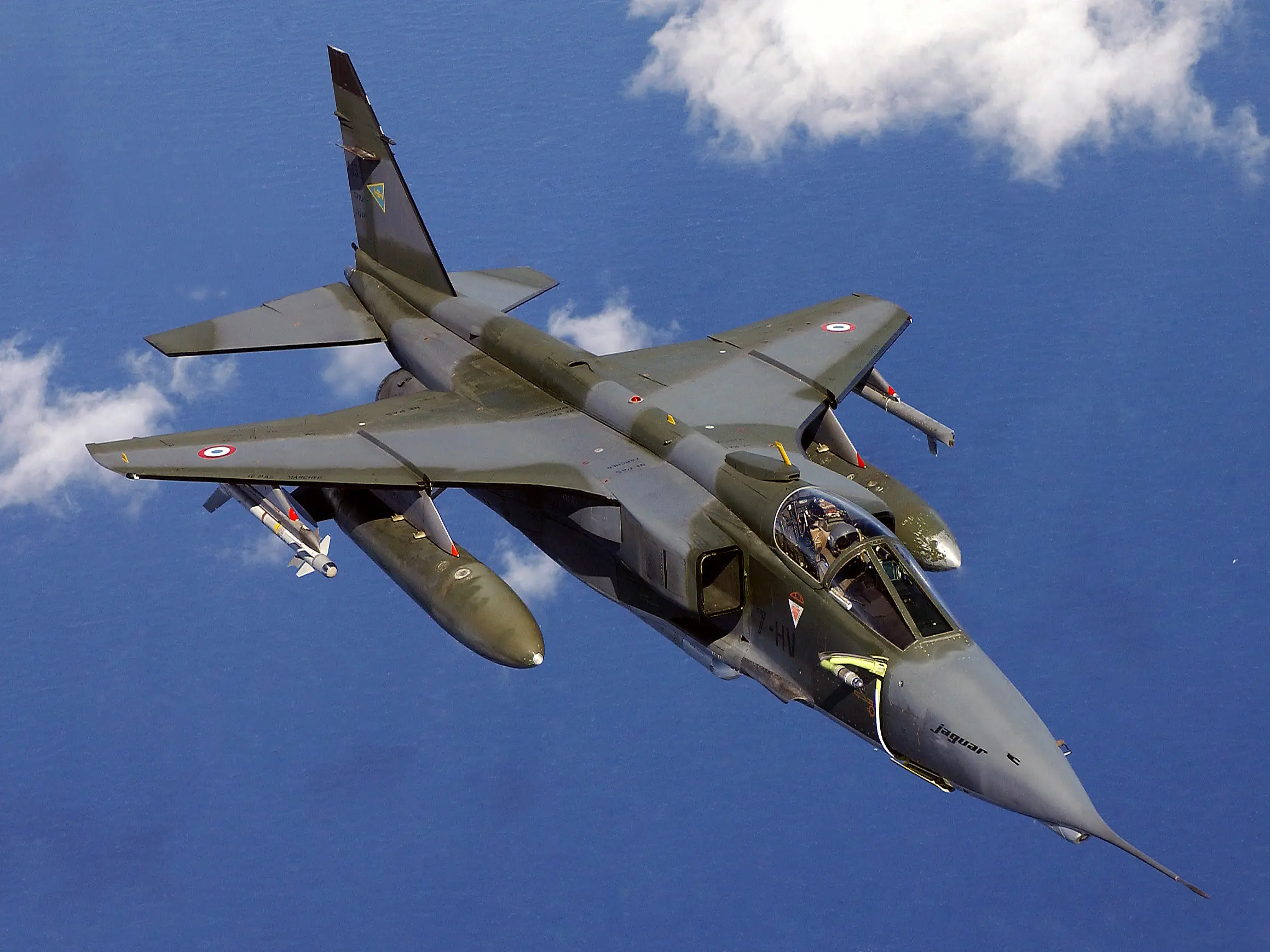
First in India’s Nuclear Triad
Even before strategic missiles came into existence, the IAF deployed Jaguars, equipped to deliver nuclear payloads, as India’s earliest air-based nuclear deterrent. Long before the Mirage 2000 or Su-30, it secured India’s role in the nuclear triad.
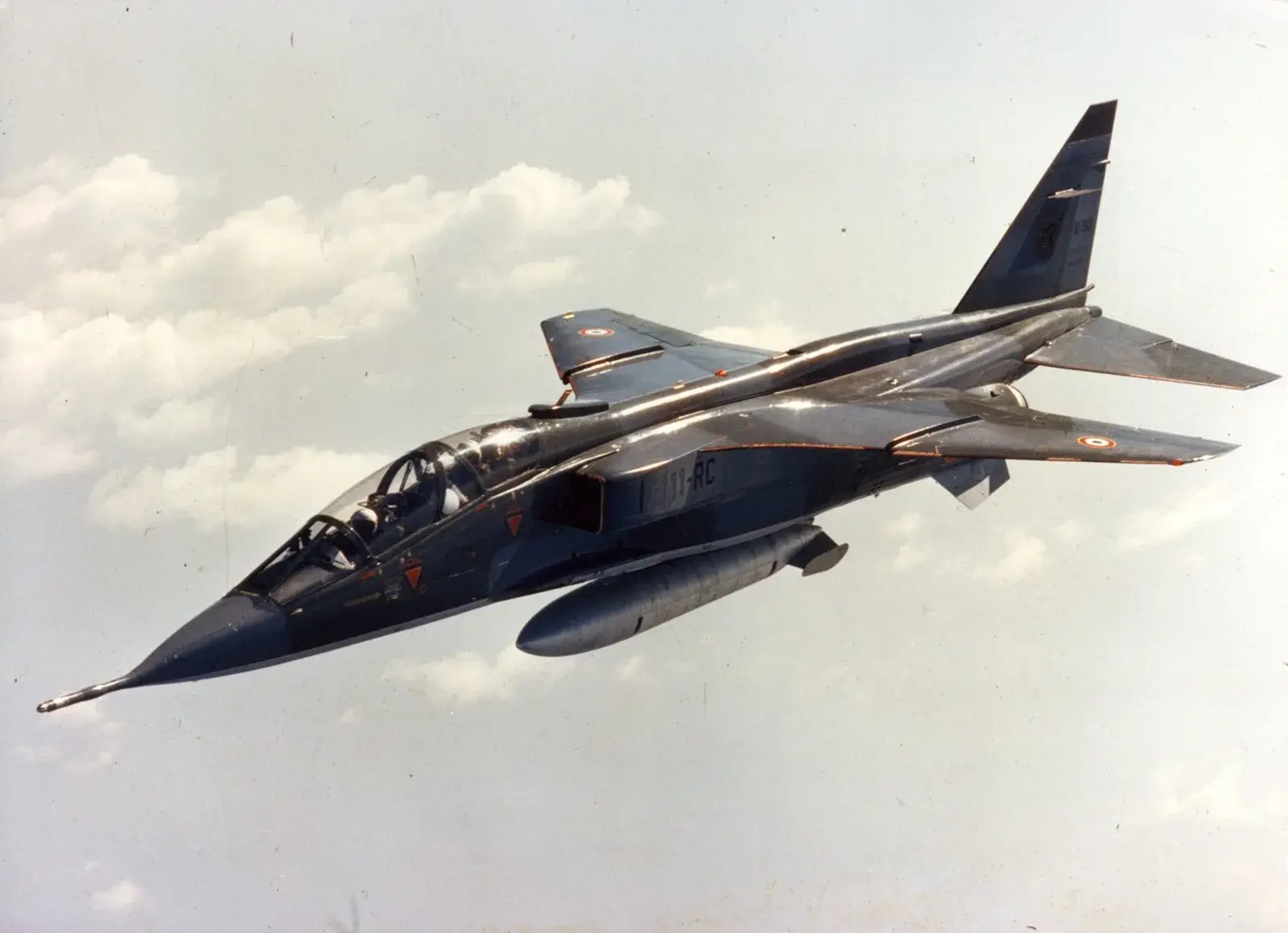
Upgrades Kept Its Edge—Briefly
India modernised the Jaguar fleet with the DARIN-III upgrade, adding AESA radar, laser targeting pods, and advanced avionics that strengthened strike precision. While no longer the primary nuclear delivery platform, these jets remain technically certified for the role.
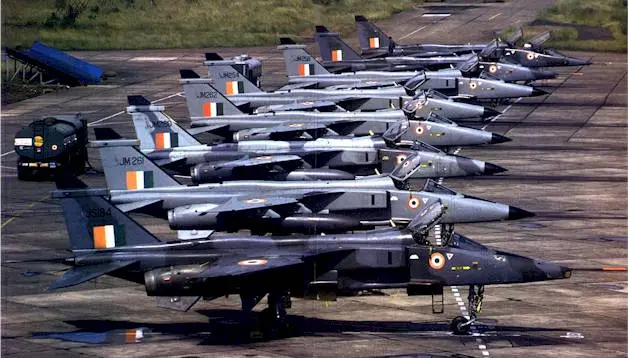
Past Its Prime — Mirage Takes the Lead
By the late 1990s, Jaguars were largely replaced in nuclear duties by more agile Mirage 2000s. But IAF still deploys a few Jaguar squadrons in secondary nuclear roles—until the transition to newer jets like MiG‑27 variants, Mirage, or eventually Tejas/AMCA is completed.
Final Word
The Jaguar was more than a strike aircraft, it was the first pillar of India’s nuclear deterrence, building a credible airborne nuclear threat long before missiles took over. Though it’s now aging, its legacy as the IAF’s first nuclear-capable jet remains unchallenged.
)
)
)
)
)