For years, US kept nuclear bombers in the air 24 hours a day, every single day! Here is what chrome dome actually was

From 1960 to 1968, the US Air Force kept B-52s carrying live nuclear weapons continuously airborne over the Arctic, the Atlantic, and the approaches to the Soviet Union — every hour of every day, without pause. The operation was called Chrome Dome. It ended after two crashes deposited nuclear weapons on Spain and Greenland. Here is what those years actually looked like.
The Logic Behind Always-Airborne Nukes
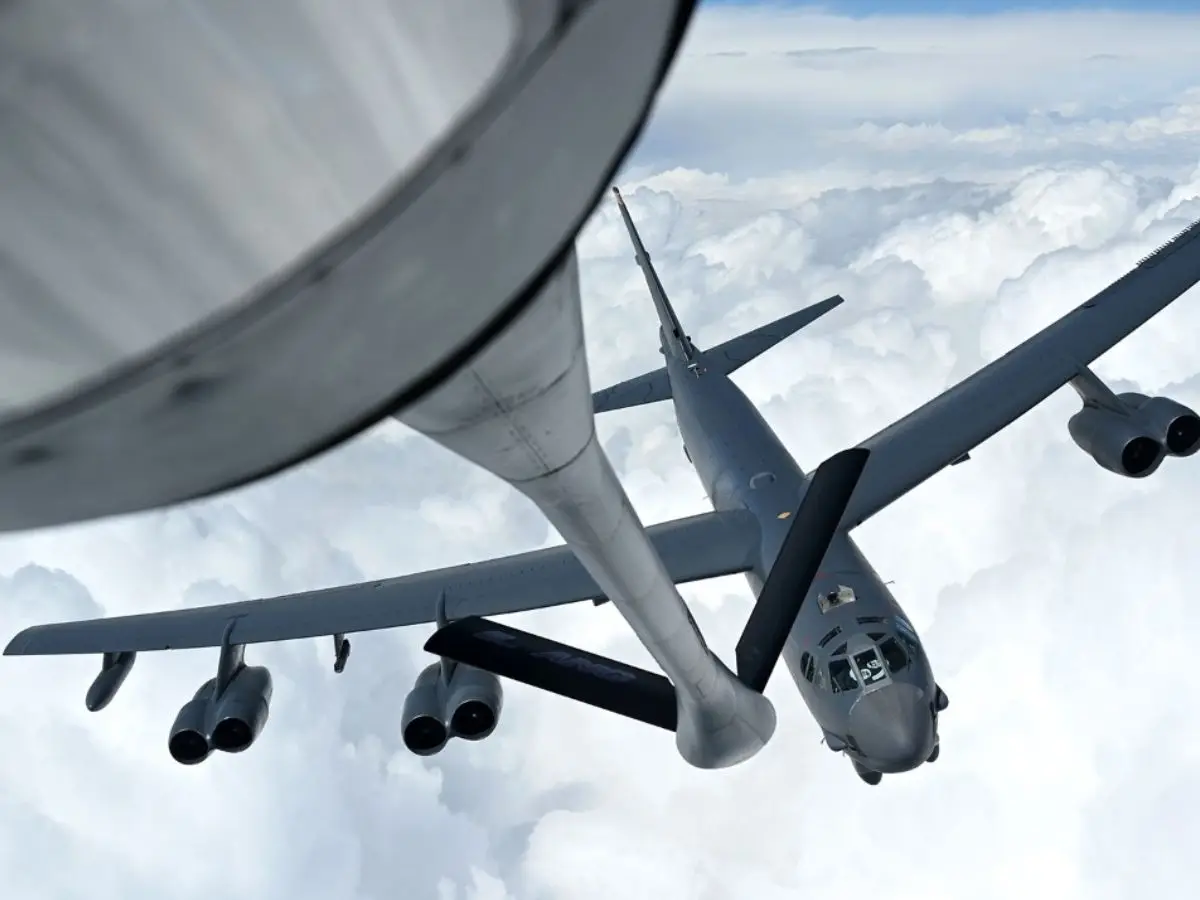
The fear driving Chrome Dome was simple: a Soviet first strike could destroy US nuclear bombers on the ground before they could take off. The solution was to keep bombers permanently in the air, beyond the reach of any ground attack. At any given moment during Chrome Dome, between twelve and thirty B-52s were airborne somewhere in the world, each carrying multiple hydrogen bombs, each on a pre-planned route toward a target that would be attacked if the order came.
The Routes They Flew
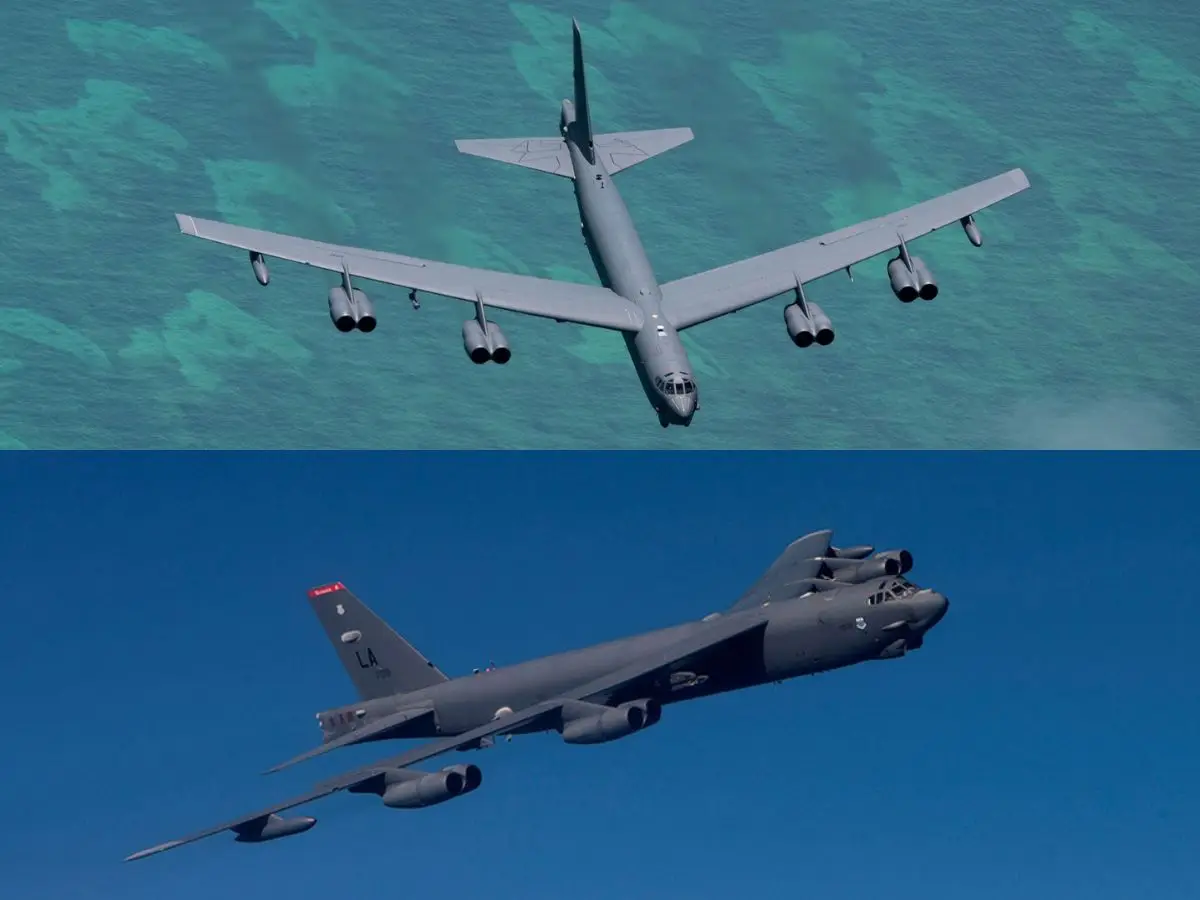
Chrome Dome missions flew four primary routes: over the Mediterranean, over the Atlantic approaches to Europe, over the Arctic toward the Soviet Union, and along the US eastern seaboard. The Arctic routes were the most strategically significant — aircraft that received a go-code from a specially designated airborne command post would continue toward Soviet targets rather than turning back. Every crew on every flight lived with the knowledge that the next radio message could be the one that made the mission real.
What Life Was Like For The Crews
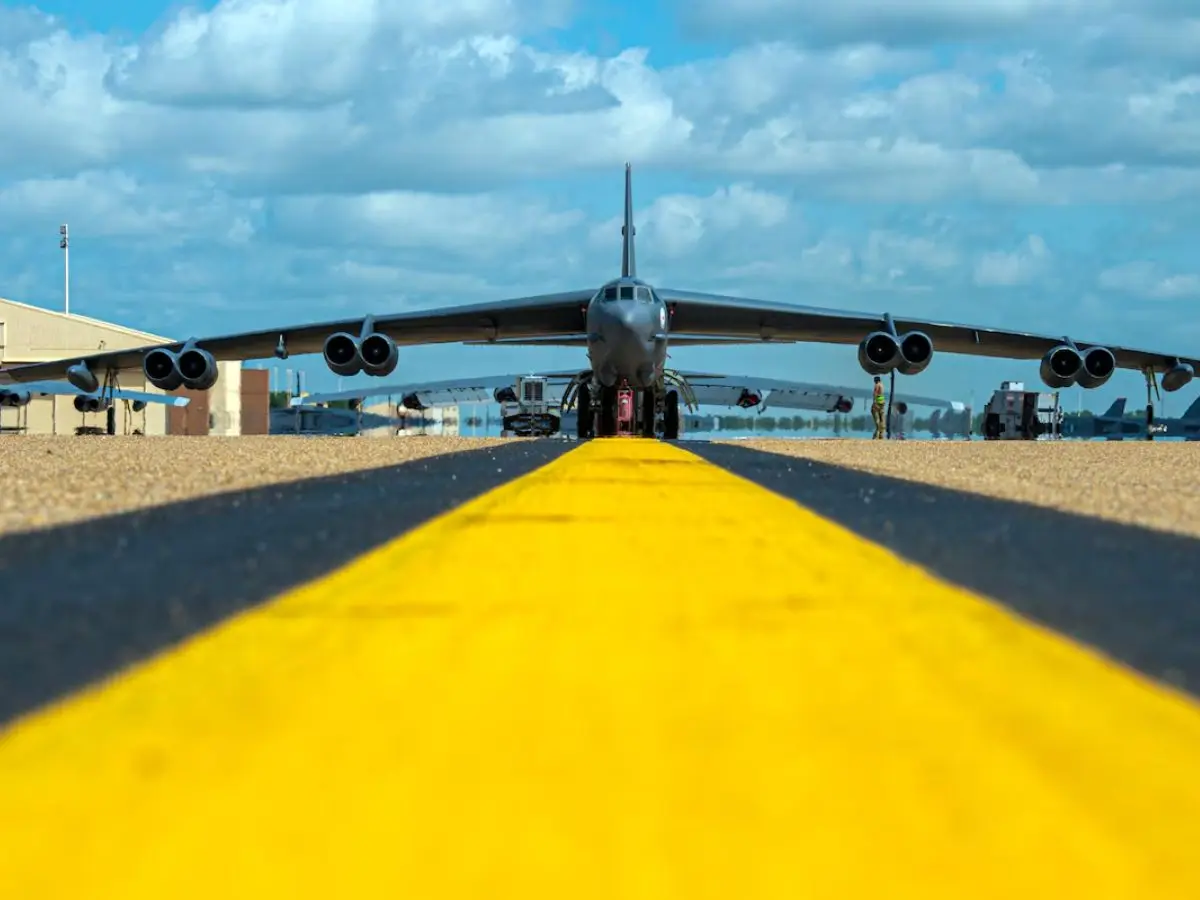
Chrome Dome crews flew missions lasting up to 24 hours, refuelling multiple times, carrying weapons whose yield was measured in megatons. The psychological weight was constant. These were not training flights — the aircraft carried fully functional nuclear weapons. A mechanical failure, a misidentified signal, or a miscommunication could theoretically initiate a sequence leading to nuclear release. Crews were trained to handle that pressure as routine.
The Accident That Changed Everything: Greenland 1968
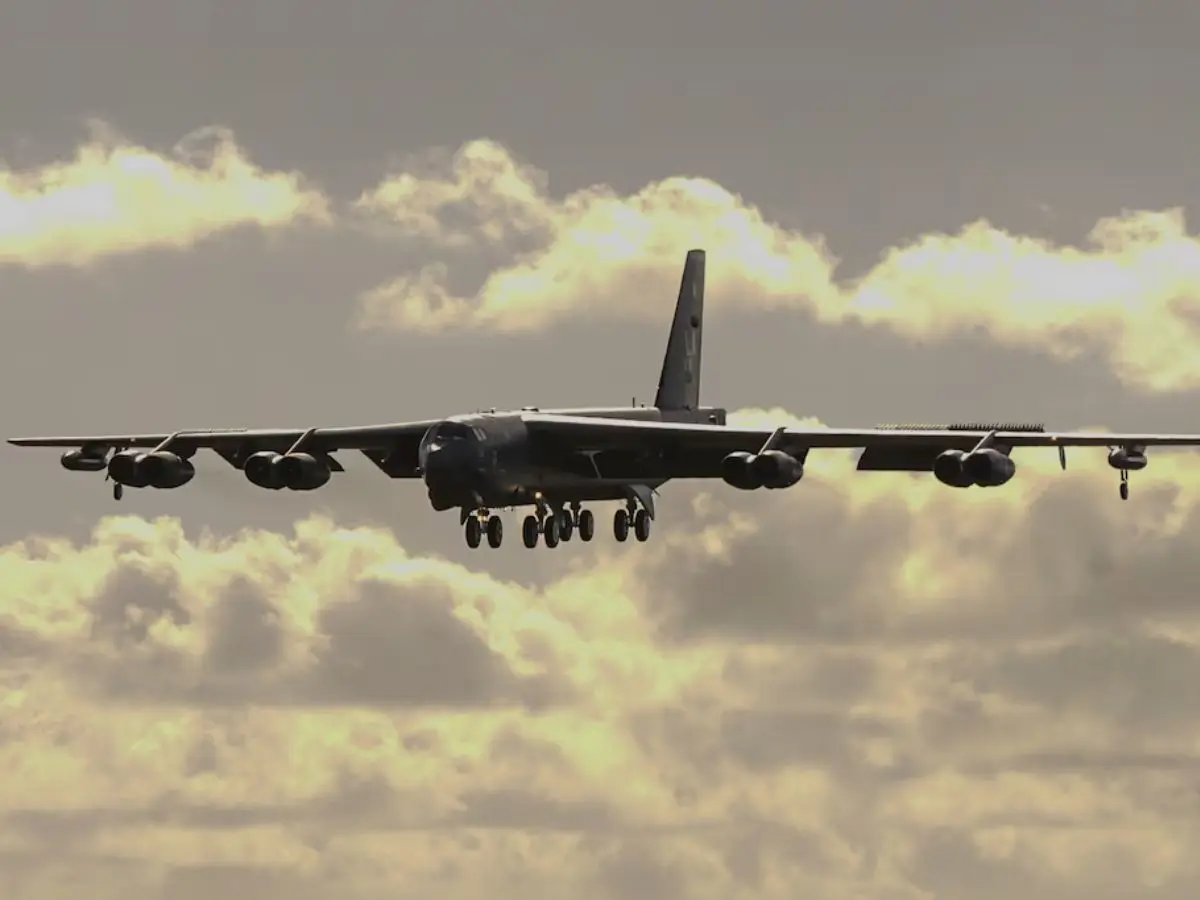
On January 21, 1968, a B-52 on a Chrome Dome mission caught fire and crashed onto the sea ice of Thule Air Base in Greenland. All four nuclear bombs on board broke apart on impact. Radioactive material — including plutonium and uranium — was scattered across the ice. Denmark, which hosted Thule Air Base, had not been officially informed that nuclear weapons were being flown in its territory. The resulting diplomatic crisis was immediate and severe.
The End Of Chrome Dome
The Thule crash, combined with the Palomares accident two years earlier, made the political cost of continuous airborne nuclear patrols unsustainable. Chrome Dome was terminated in 1968. The decision acknowledged what the accidents had revealed: keeping nuclear weapons permanently airborne created a continuous probability of exactly the kind of catastrophic accident that the programme was supposed to prevent through deterrence.
What Replaced It
After Chrome Dome ended, the US shifted its airborne nuclear deterrent to a ground-alert posture — B-52s kept fuelled, armed, and ready to launch within minutes, but on the ground rather than in the air. The concept of continuous airborne nuclear presence was partially replaced by submarine-launched ballistic missiles, which could be hidden underwater and were far harder to destroy in a first strike than aircraft on a runway.
The Legacy Of Eight Years Of Flying Nuclear Weapons
Chrome Dome ran for eight years. During that time, US bombers flew thousands of missions carrying live nuclear weapons over civilian populations, over international waters, and within striking distance of the Soviet Union. Two crashed, scattering radioactive material in Spain and Greenland. No nuclear detonation occurred. The programme is one of the least discussed episodes in Cold War history — a period when the machinery of nuclear war was in continuous motion, every hour, for nearly a decade.
)
)
)
)
)