China has spent 20 years building weapons specifically to kill B-2 bomber! Here is what they built and how well it works

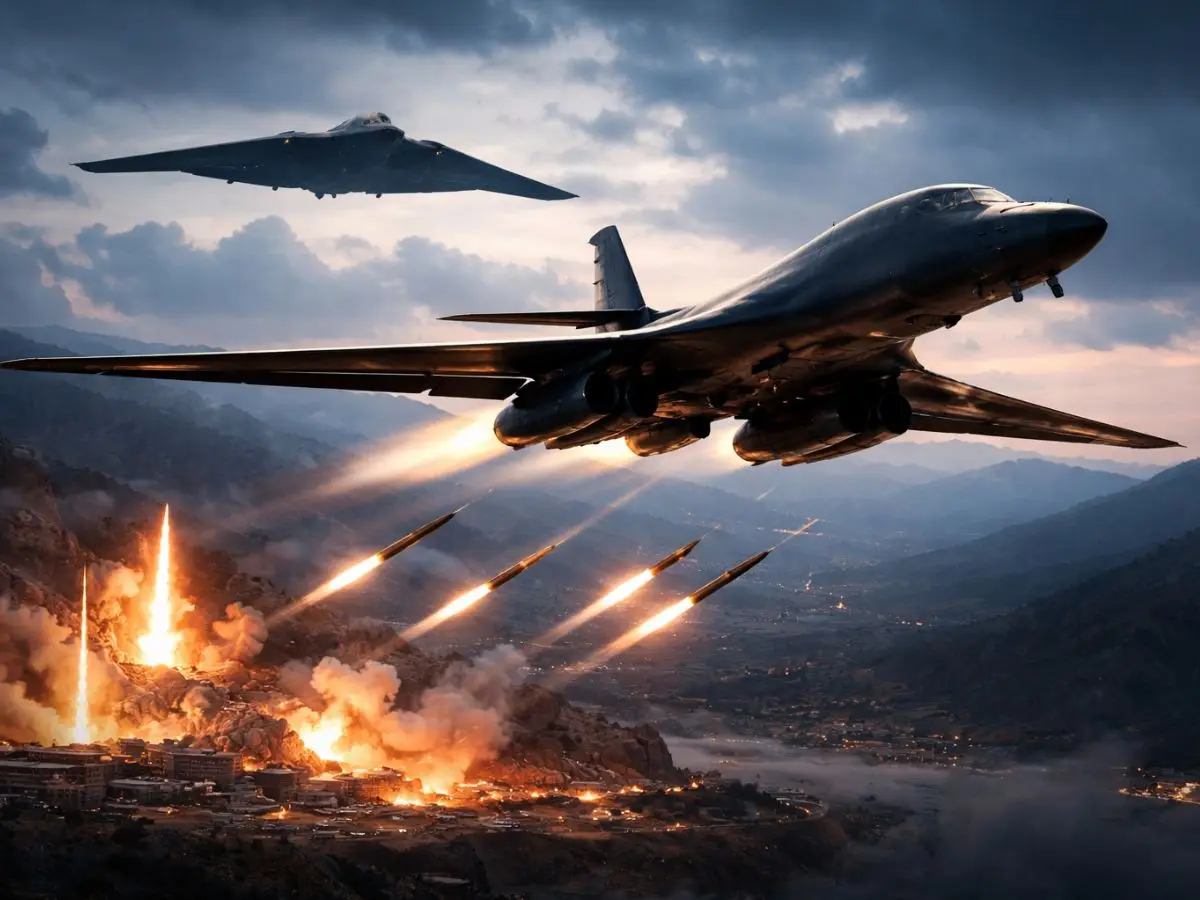
From the moment the B-2 Spirit flew its first combat mission over Kosovo in 1999, China identified it as the primary airborne threat to its strategic interests and began building countermeasures.
Why China Took The B-2 Seriously After 1999
China's People's Liberation Army watched the Kosovo campaign closely. The B-2's ability to fly undetected from Missouri, strike targets in a defended country, and return without loss demonstrated a capability that Chinese military planners had no answer for. The same month the Kosovo campaign ended, Chinese intelligence reportedly obtained access to debris from the F-117 shot down over Serbia — giving them partial insight into 1970s-era stealth technology. The B-2 represented a more advanced threat that their existing air defence network could not reliably detect or engage. The counter-stealth programme that followed was one of the largest military investments China made in the 2000s.
Low-Frequency Radar: The Physics Of Finding Stealth
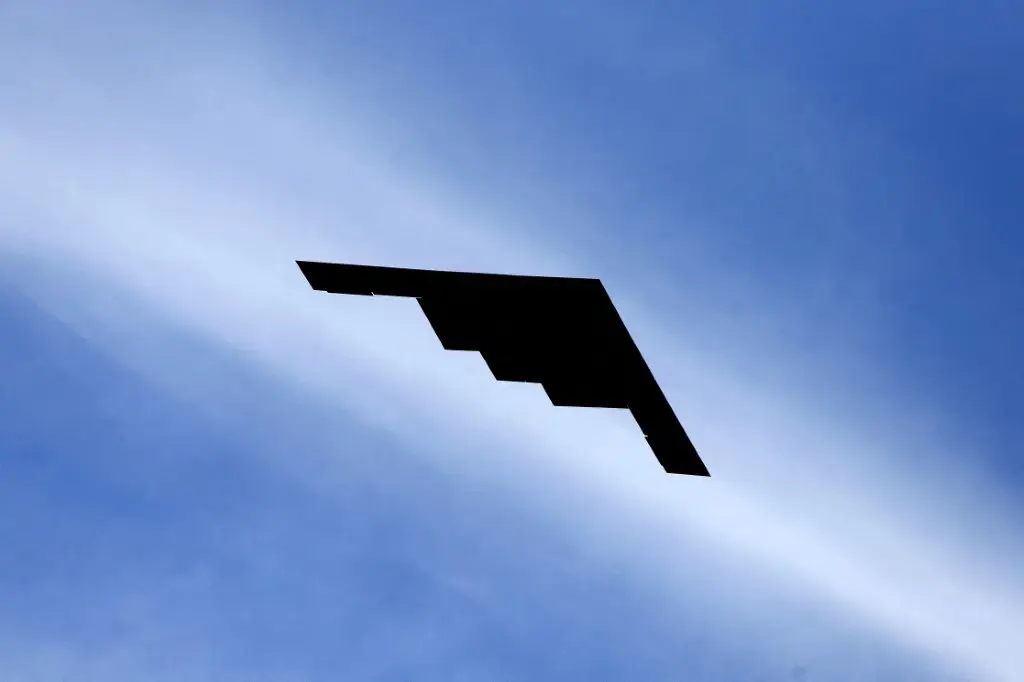
The B-2's stealth coating and shape are optimised to defeat high-frequency radar — the centimetre and millimetre wavelength systems that form the backbone of most air defence networks. Low-frequency radar, operating at VHF and UHF wavelengths, interacts differently with aircraft surfaces. At frequencies where the aircraft's wingspan approaches the radar wavelength, resonance effects cause radar returns that the stealth coating cannot fully suppress. China has invested heavily in VHF radar systems — including the JY-27A and JY-26 Yalkee — that exploit this physics to detect low-observable aircraft at ranges where stealth provides less protection.
The Problem With Low-Frequency Radar
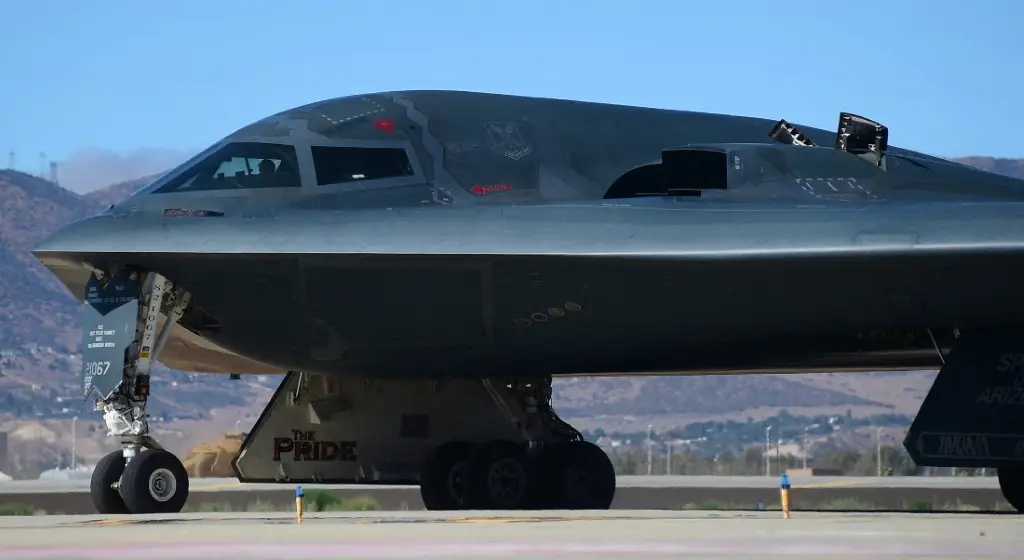
VHF and UHF radar can detect stealth aircraft at some ranges, but with a critical limitation: the resolution of low-frequency radar is poor. A VHF system that detects a B-2 can tell you something is there — but it cannot tell you precisely where it is with the accuracy needed to target a weapon. The fire control radar that guides a surface-to-air missile to its target operates at high frequency for precision — the same frequencies that the B-2's stealth defeats. China's answer has been to develop networked systems where low-frequency radar cues high-frequency targeting radar over a narrow search sector — a layered approach that partially compensates for the resolution limitation.

Passive Detection Systems
China has invested significantly in passive detection — systems that detect aircraft without emitting radar energy of their own. Passive systems listen for radio emissions from the aircraft's own electronics, detect the infrared signature of its engines, or process the disturbance the aircraft creates in existing radio frequency environments such as commercial FM broadcasts. The B-2 is designed to minimise all these signatures, but passive systems are inherently harder to defeat because they emit nothing that reveals their presence or location. A B-2 crew cannot know they are being tracked by a passive system the way they can detect an active radar lock.
The HQ-9B And Long-Range Engagement
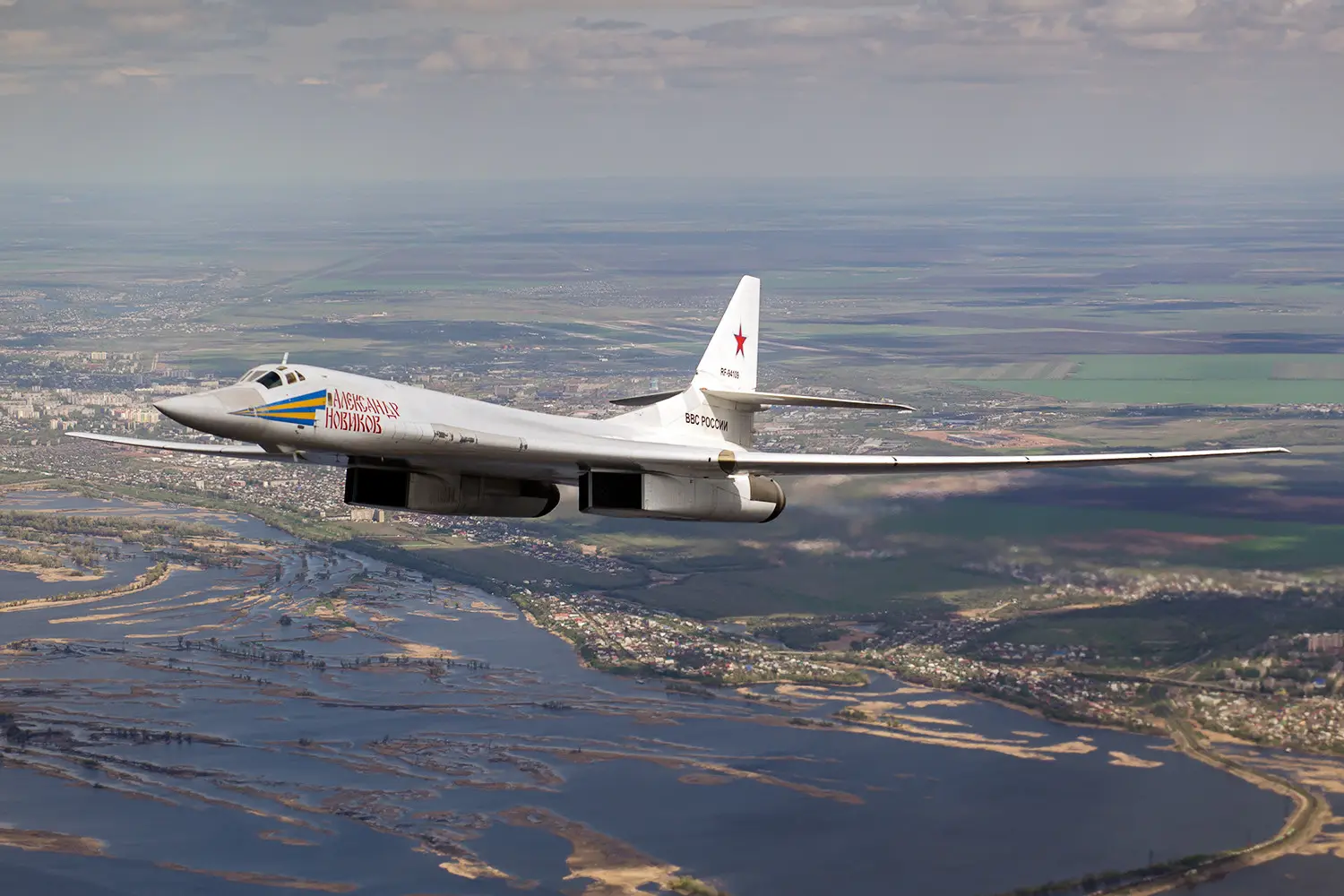
China's HQ-9B surface-to-air missile system is its most capable long-range air defence weapon, with a claimed engagement range of 200 kilometres and the ability to engage targets at high altitude. The system has been upgraded with improved seekers designed to engage low-radar-cross-section targets. Against a detected B-2, the HQ-9B provides a credible engagement capability — but the targeting problem remains the fundamental challenge. You cannot shoot what you cannot precisely locate. The HQ-9B is effective if the target can be tracked with sufficient accuracy. That ‘if’ is the central question of the stealth vs counter-stealth competition.
The Honest Assessment
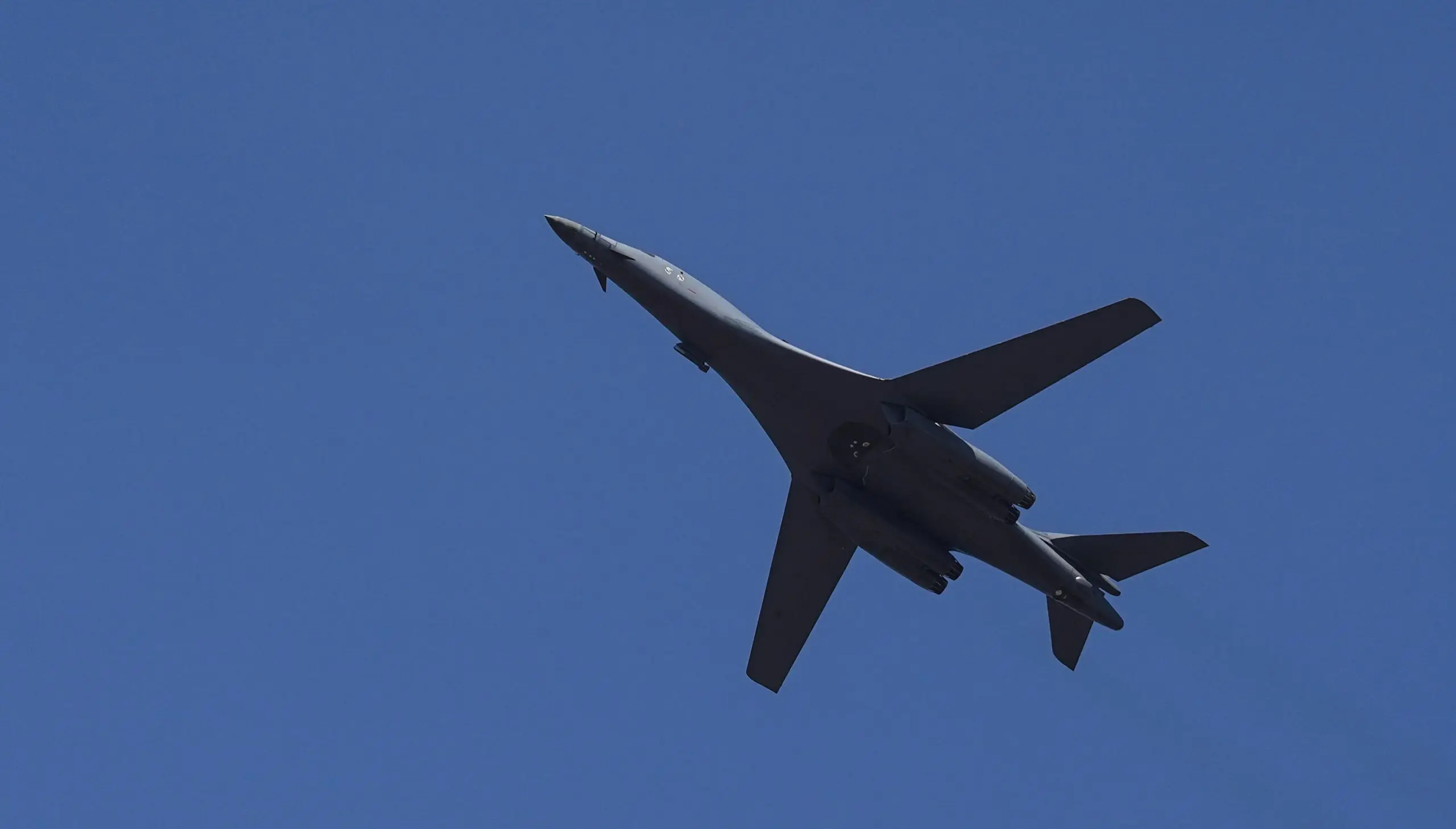
No public evidence exists that China can reliably detect, track, and engage a B-2 at combat ranges. The physics of low-frequency detection provide some capability against stealth aircraft, but the resolution limitation remains a fundamental constraint that networked systems only partially address. China's counter-stealth investment has almost certainly raised the risk level for B-2 operations over Chinese-defended airspace compared to Kosovo in 1999. Whether it has raised that risk level to the point of denying the B-2 operational access is a question that Western intelligence agencies assess carefully and that will remain unanswered unless the two militaries come into direct conflict.
Why This Arms Race Drives The B-21
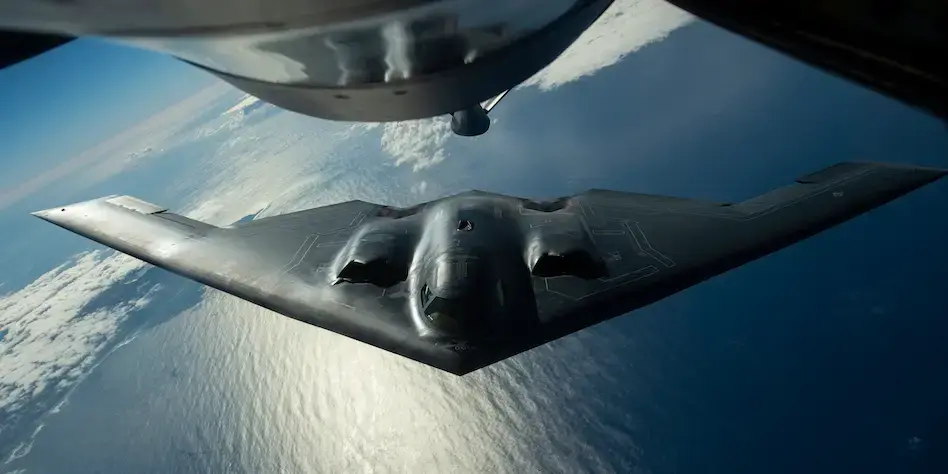
The B-21 Raider's development was shaped in significant part by the evolution of Chinese counter-stealth capabilities. The B-2's stealth characteristics, optimised for the threat environment of the 1980s, face a more challenging environment in the 2020s than they did in 1999. The B-21 incorporates stealth advances developed in response to what US intelligence learned about Chinese and Russian counter-stealth investment — specifically designed to remain effective against the radar and missile systems that were built to defeat the B-2. The B-21 is not just the B-2's replacement. It is the American answer to 25 years of Chinese effort to close the stealth gap.
)
)
)
)
)