China’s J-36: The fighter jet that launches its own army of drones!

China’s new sixth-generation fighter jet, the J-36, is built for stealth, long-range missions, and drone command. With advanced AI and manned-unmanned teamwork, it’s changing how wars may be fought from the skies. Here’s how this powerful jet could reshape global air power.
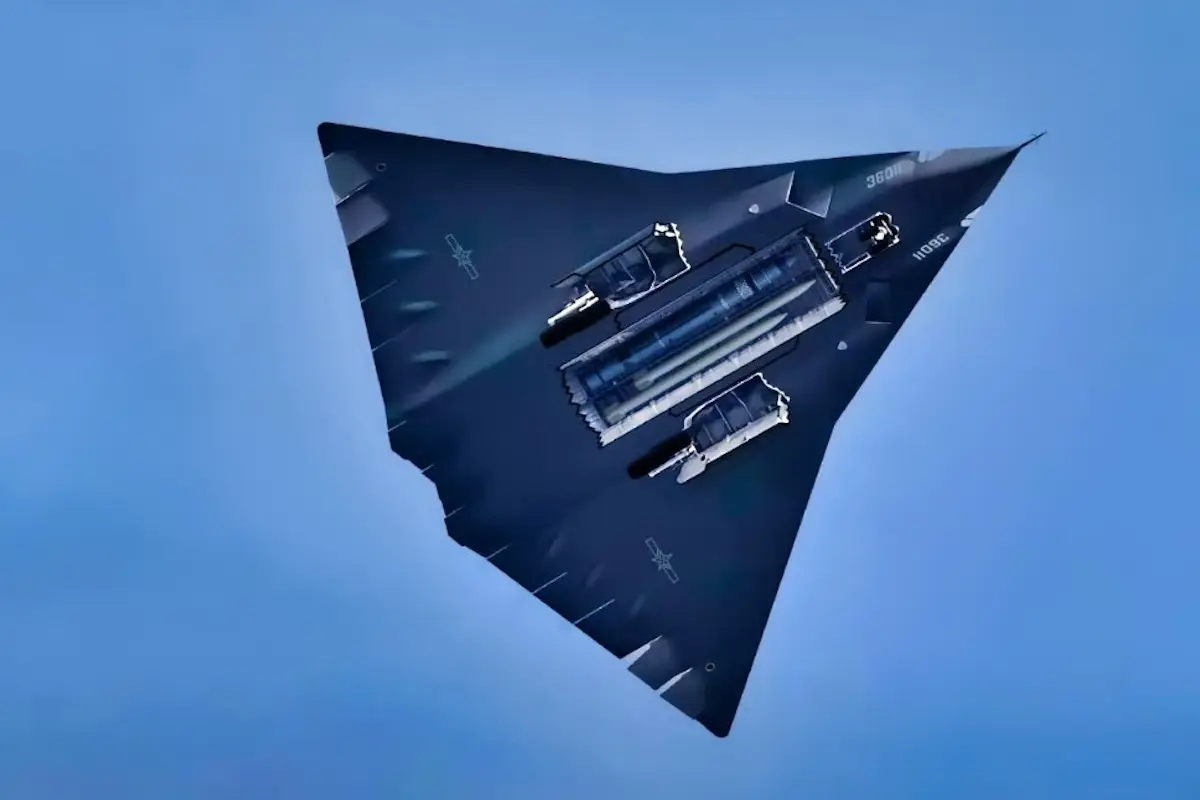
J-36: China’s New Sixth-Gen Jet
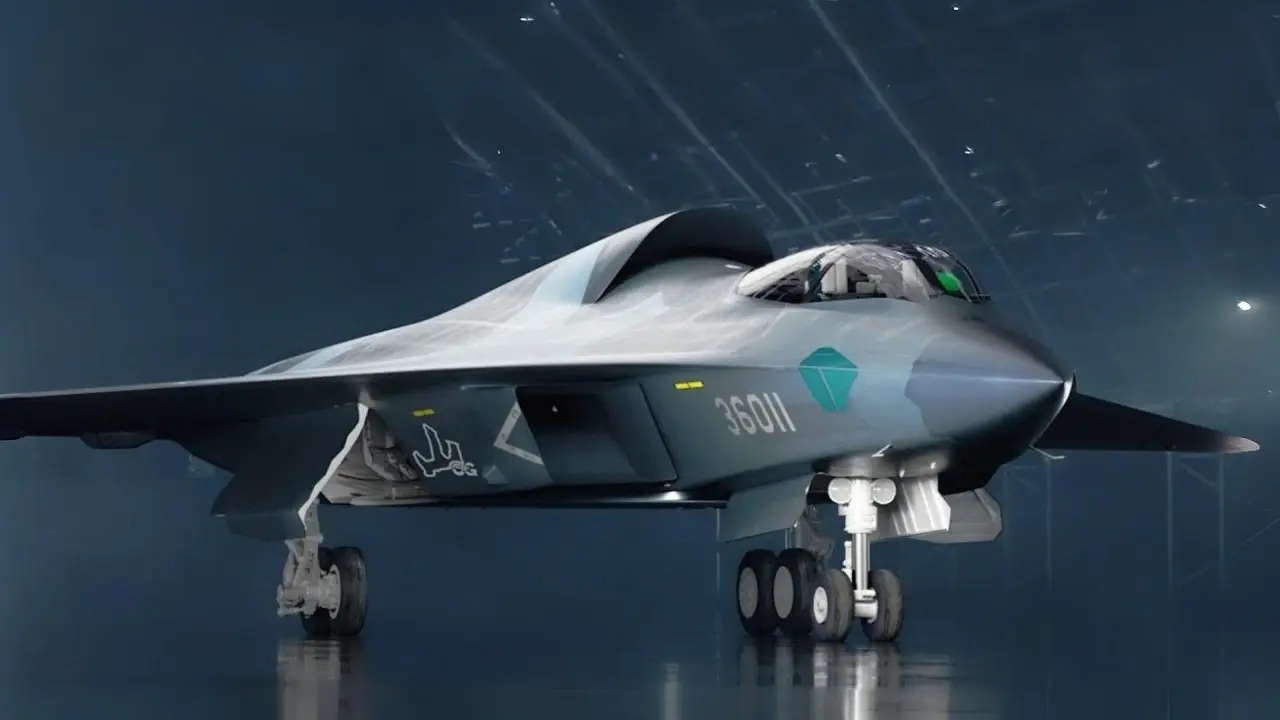
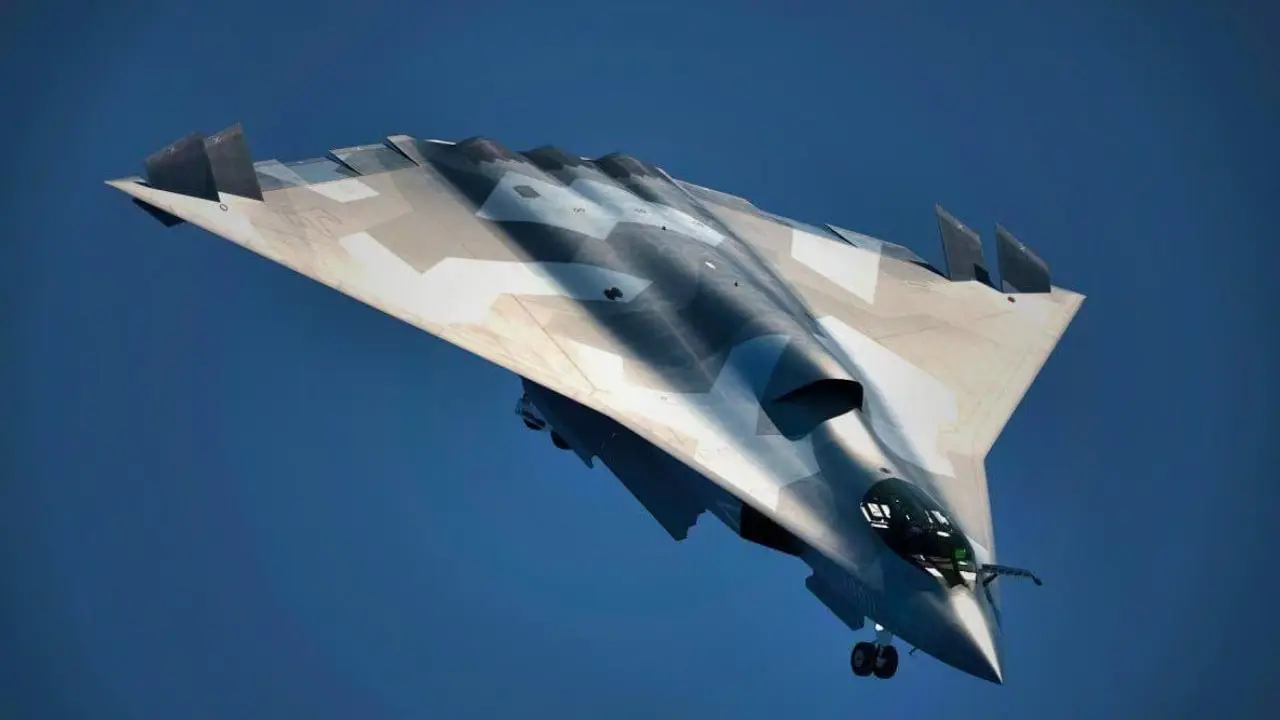
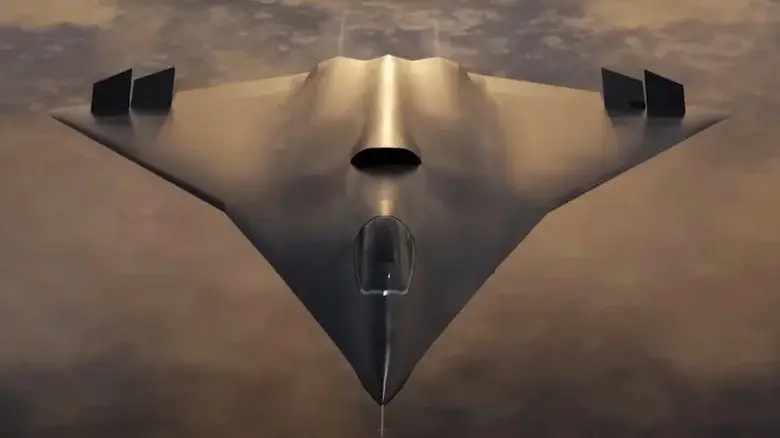
China’s new fighter jet, the Chengdu J-36, made its first public appearance in December 2024. The J-36 is much bigger than earlier jets and brings a new design called tailless double-delta, as per reports with three engines. Its main role: act as a flying headquarters for drones, not just as a single warplane.
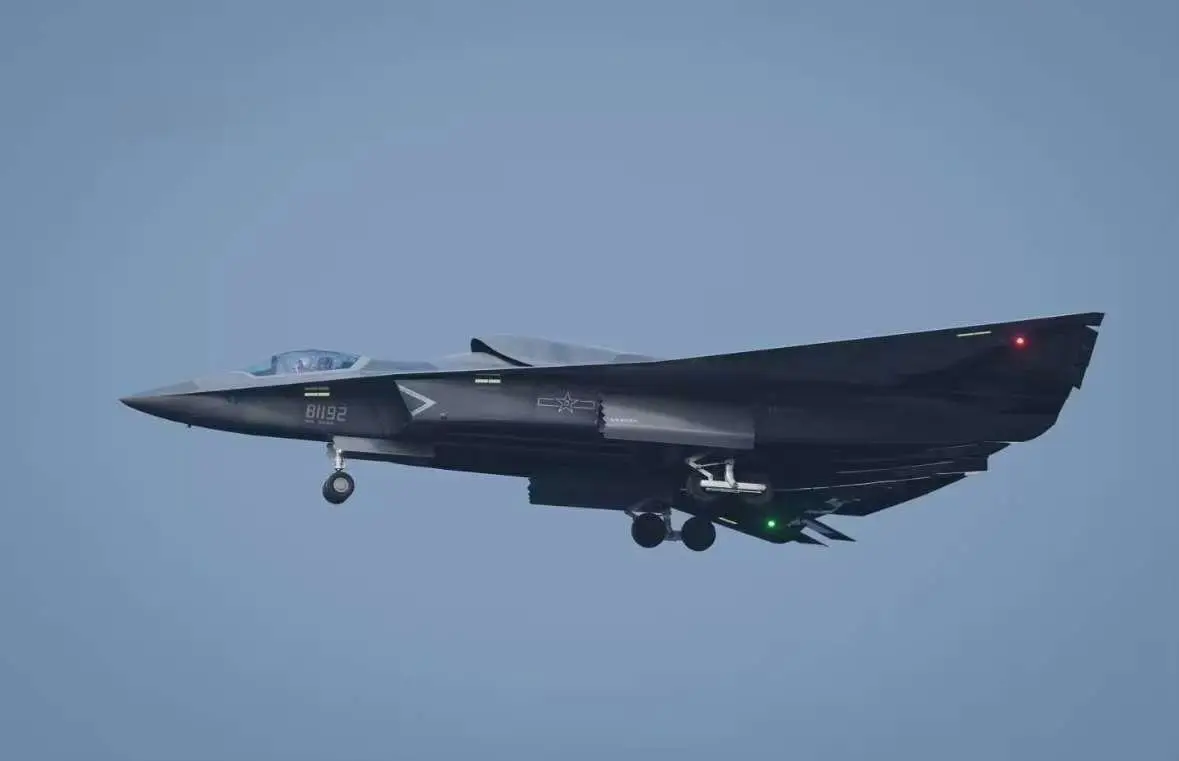
A Command Centre in the Sky
Reports say the J-36 can fly with and control a group of combat drones during missions. This means a pilot and co-pilot can use its side-by-side cockpit to turn the jet into an airborne command post communicating with and giving orders to unmanned aircraft for strikes, surveillance, and electronic warfare.
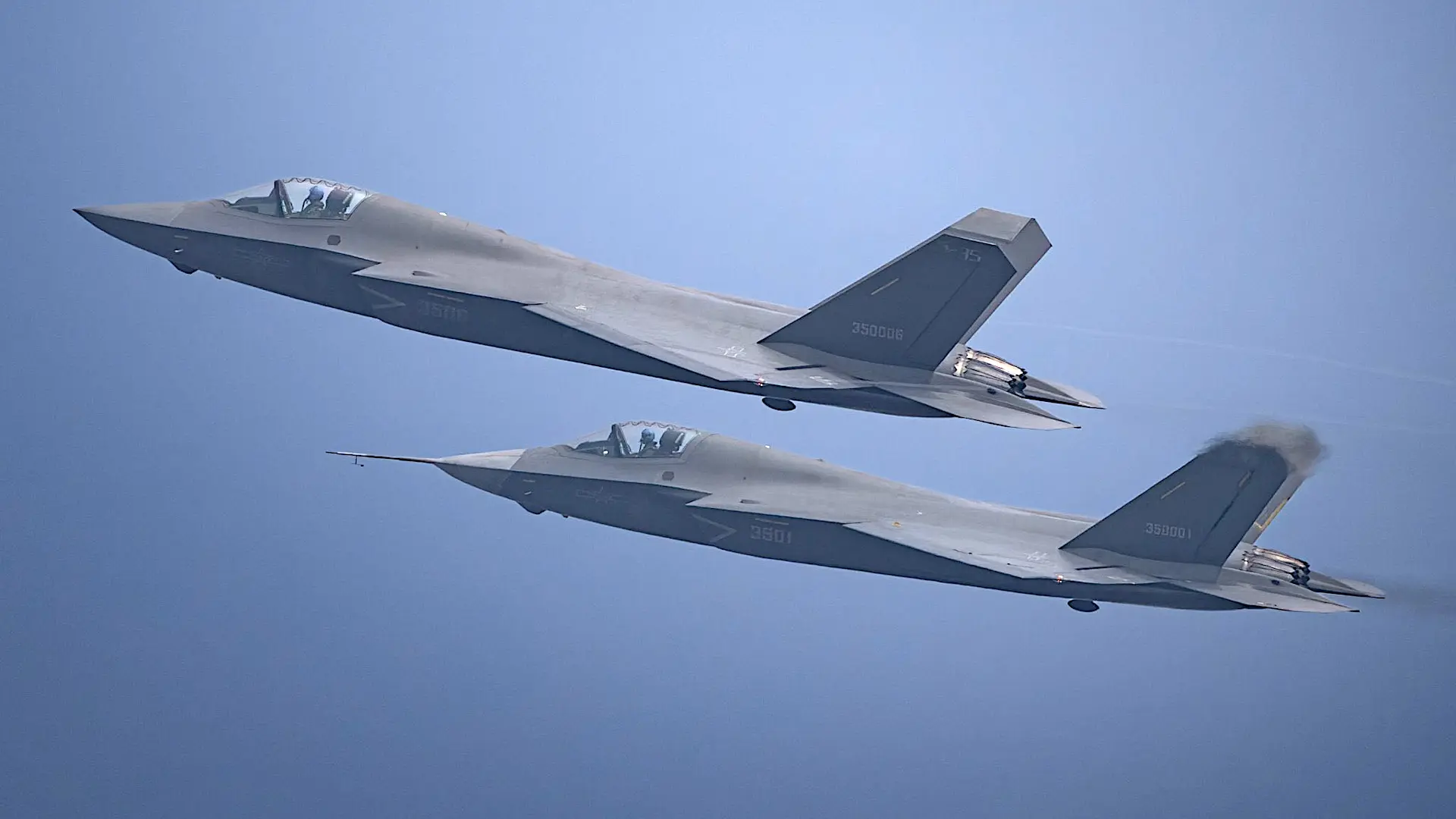
Stealth Meets Swarm
The J-36 uses top-class stealth technology to avoid enemy radar. Combined with control of drones like the CH-5, Sky Hawk, and Wing Loong II, it can collect intelligence, launch attacks, and jam enemy systems all from a safe distance and under cover, according to recent defence reports.
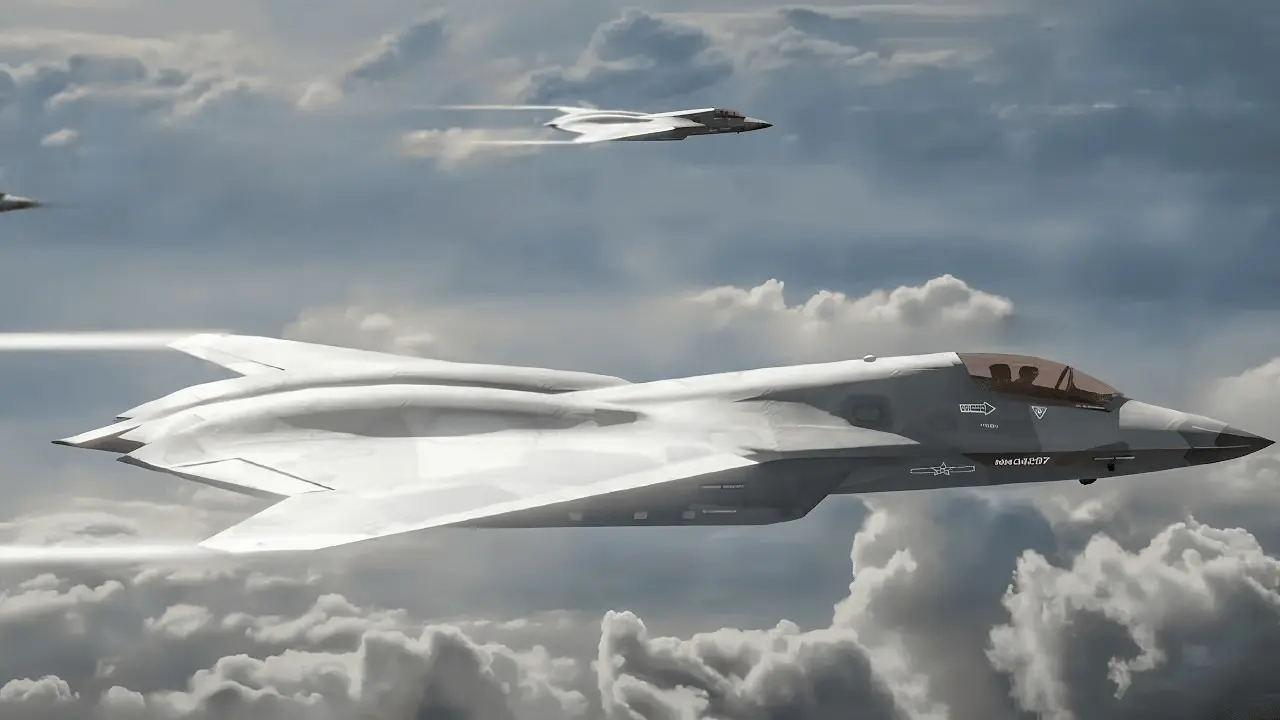
Long Range, Heavyweight Build
With a length of nearly 23 metres (75 feet), a wingspan up to 20 metres, and weight above 45,000 kilogrammes, the J-36 can carry a large payload and fuel for long missions. Defence sources say it can cover a 1,000 km (620 miles) radius, reaching areas like Taiwan or Guam without refuelling.
Manned-Unmanned Teamwork (MUM-T)
The J-36 is designed for “manned-unmanned teaming” meaning it works with other jets and drones as a single network. The jet can send out drones for dangerous missions, use their information for targeting, and make quick decisions with their data, all in real time.
Electronic Warfare & AI on Board
Advanced AI and sensor systems help the J-36 manage huge amounts of data from its own sensors and connected drones. Its electronic warfare abilities can block enemy communications or radar, while onboard computers keep all systems working together during complicated missions.
Changing the Balance of Power
Experts say the J-36’s mix of stealth, long range, data links, and drone control could challenge US air dominance. Its technology points to a new era of warfare, where jets lead and protect an “army in the air”, raising new concerns and questions worldwide.
)
)
)
)
)