China’s J-20 vs Russia’s Su-57: Which fighter jet has the edge?

China’s J-20 and Russia’s Su-57 jets are reshaping air combat with stealth and firepower. One aims for long-range strikes, the other for dogfights. How do they compare and what’s next for these super jets? Know more below.
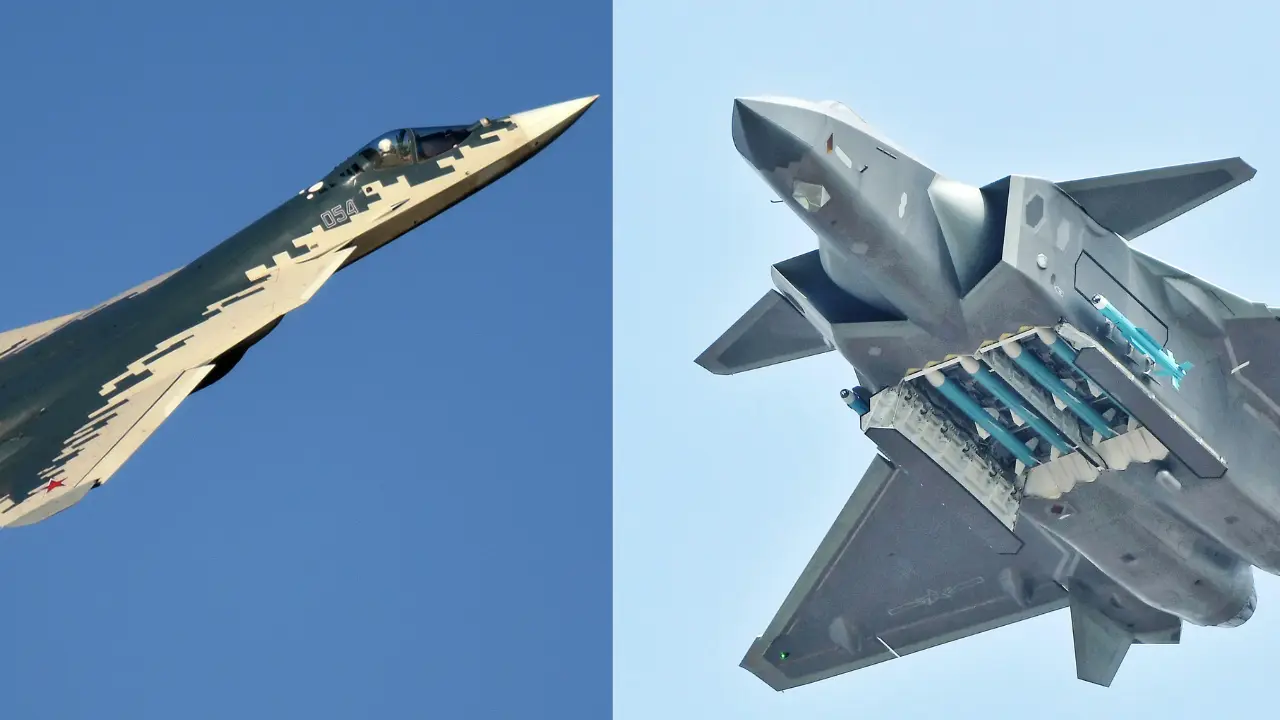
J-20 and Su-57
China’s J-20 and Russia’s Su-57 are advanced fighter jets made for the future of warfare. Both use stealth but have different designs and purposes. The J-20 focuses on long-range, strategic missions while the Su-57 is made for tactical dogfights and agility.
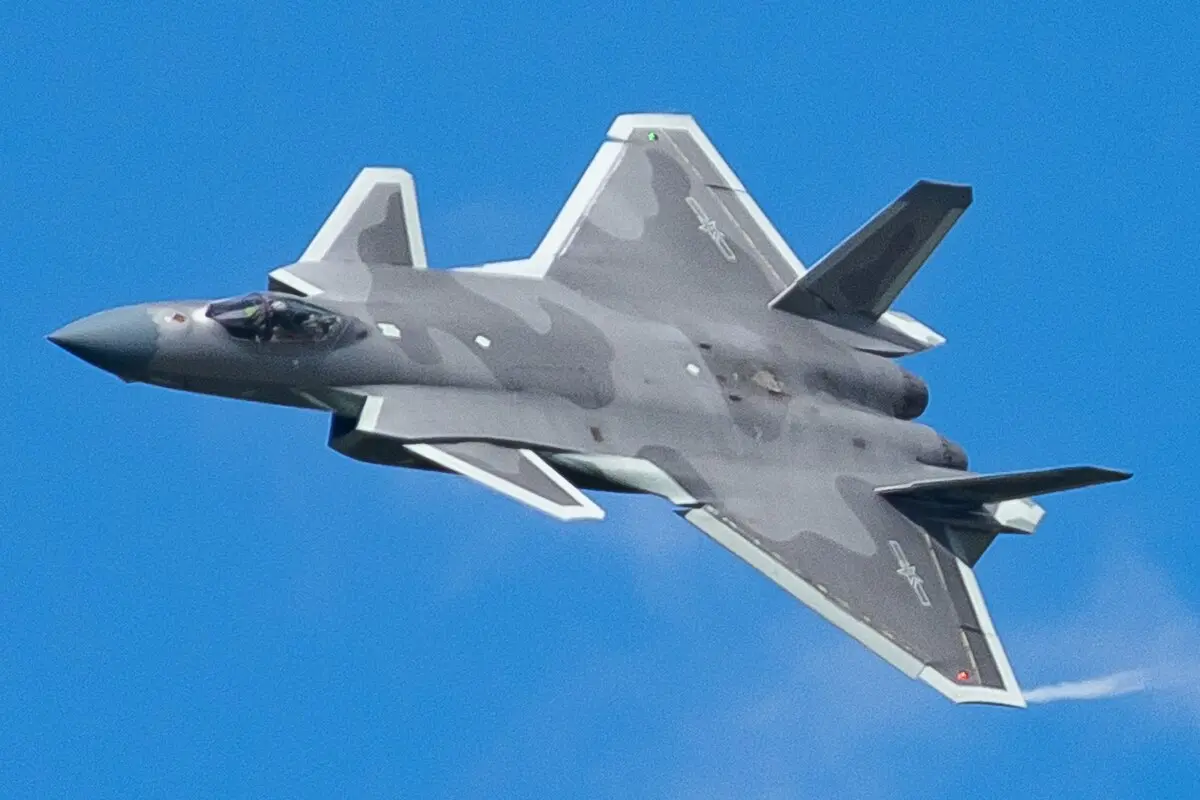
Tactical vs Strategic Roles
The J-20 is designed mainly for long-range interception and strikes inside enemy territory. It can fly about 1,200 kilometres in combat radius. The Su-57, on the other hand, is built for close-range fights, able to perform sharp manoeuvres and attack at various distances.
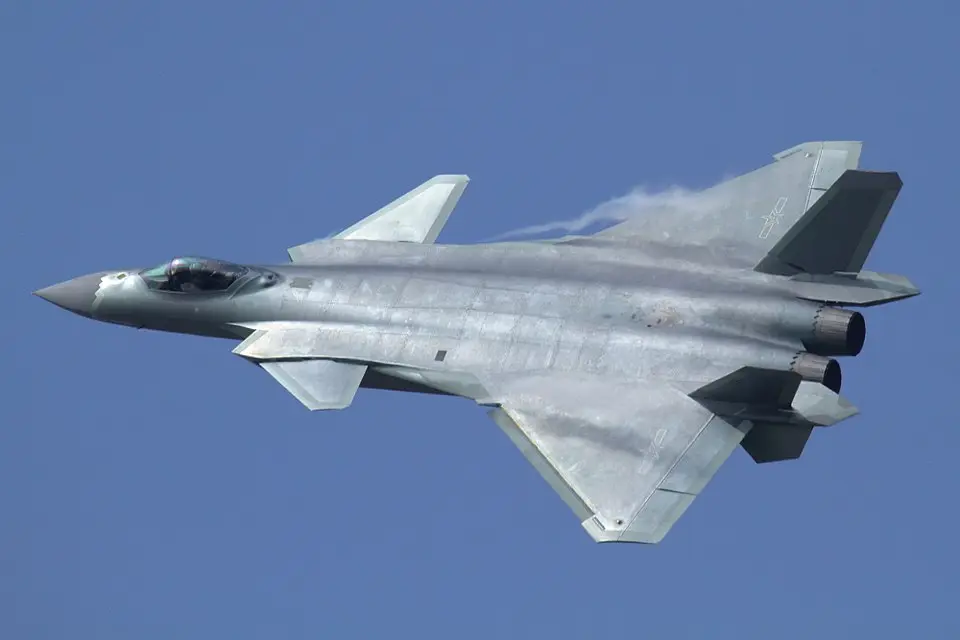
Stealth Features
Both jets are stealthy but in different ways. The J-20’s body is shaped to reduce radar detection mostly from the front and sides. The Su-57 balances stealth with more weapons and better agility, which sometimes means it is more visible on radar. The J-20 may be stealthier at a distance while the Su-57 is stronger in close combat.
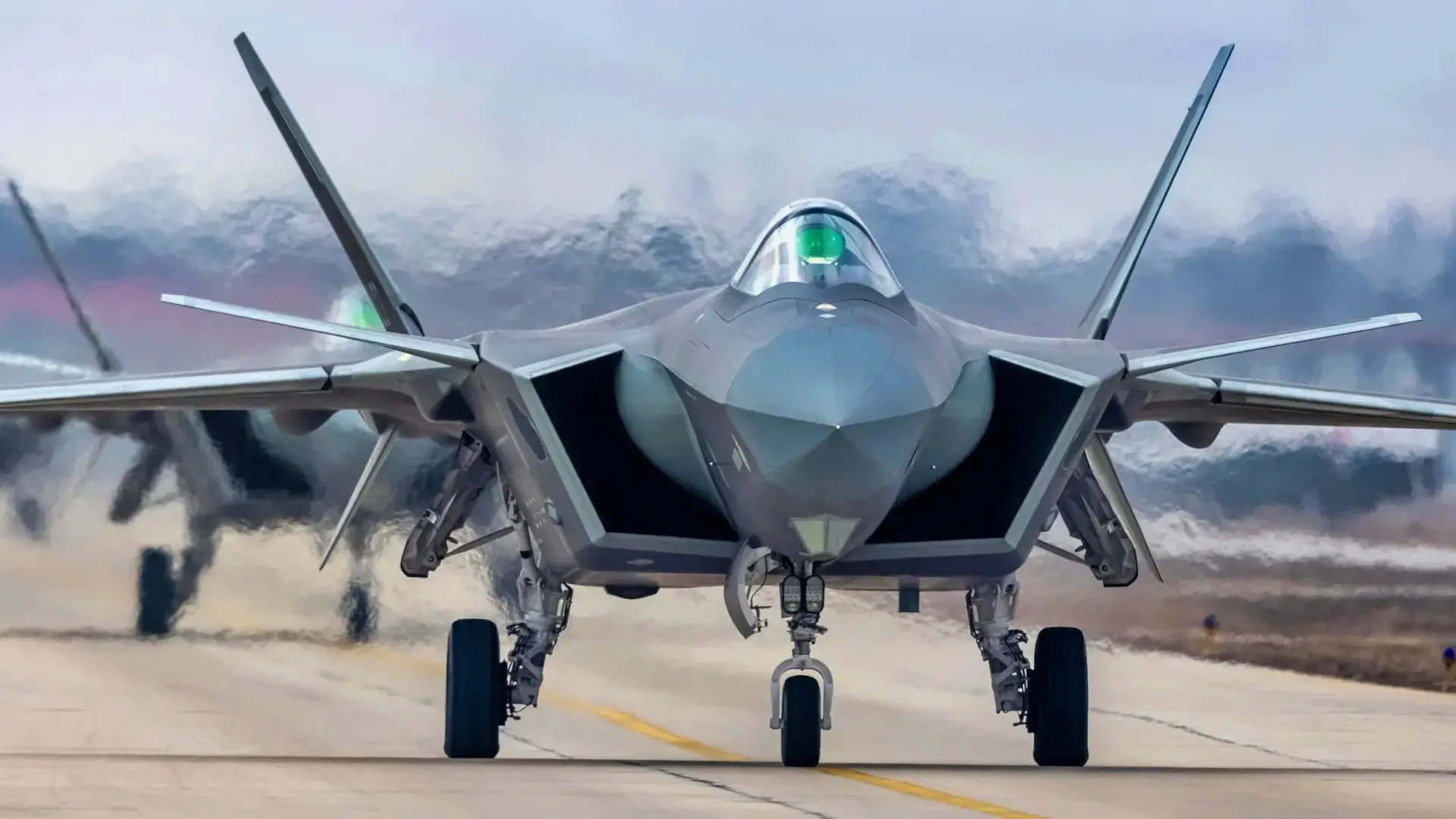
Export and Geopolitical Impact
So far, the J-20 is used only by China. The Su-57 has limited exports, with India as a potential buyer. Both jets reflect the ambitions of their countries in Asia and worldwide. They affect the balance of power in the Asia-Pacific region and beyond.
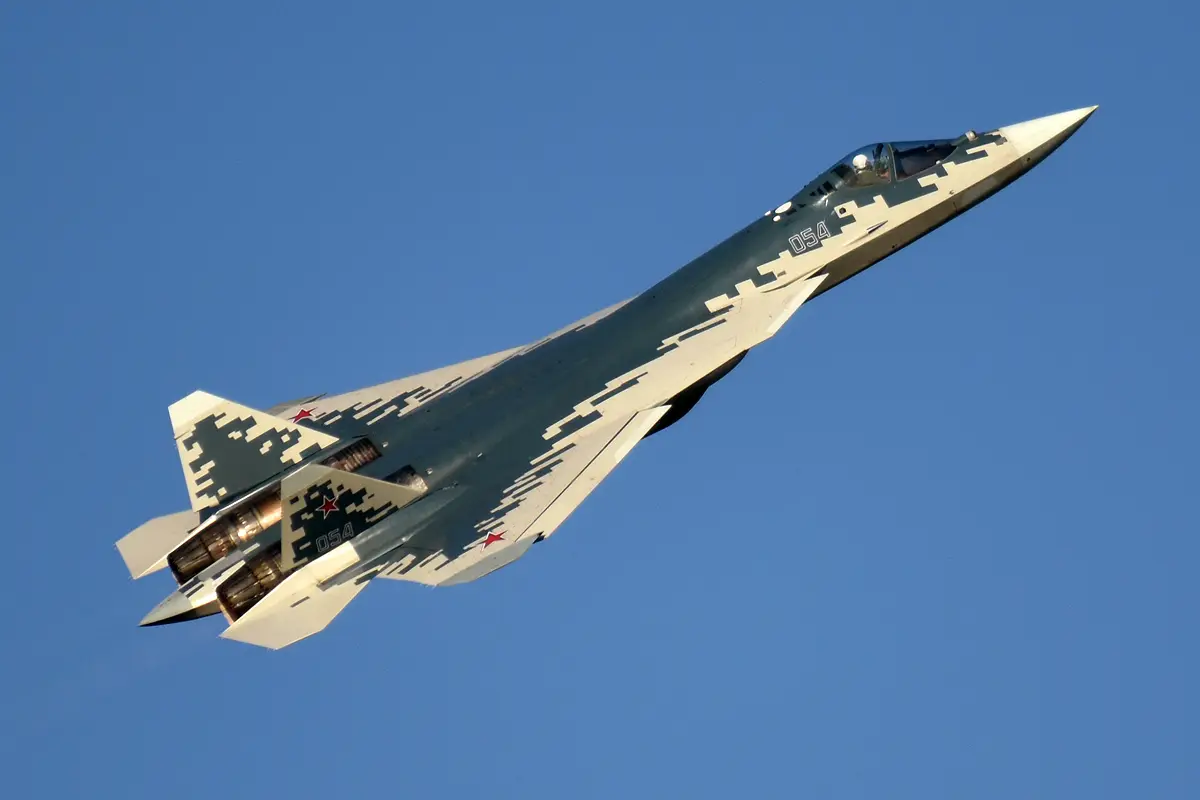
Dogfight and Interceptor Abilities
The Su-57 is faster and uses special engine nozzles called thrust vectoring that help in dogfights. It carries more weapons inside and outside its body. The J-20 is slower but equipped with longer-range sensors and missiles to intercept enemy aircraft from a distance. Each jet has unique strengths in battle.
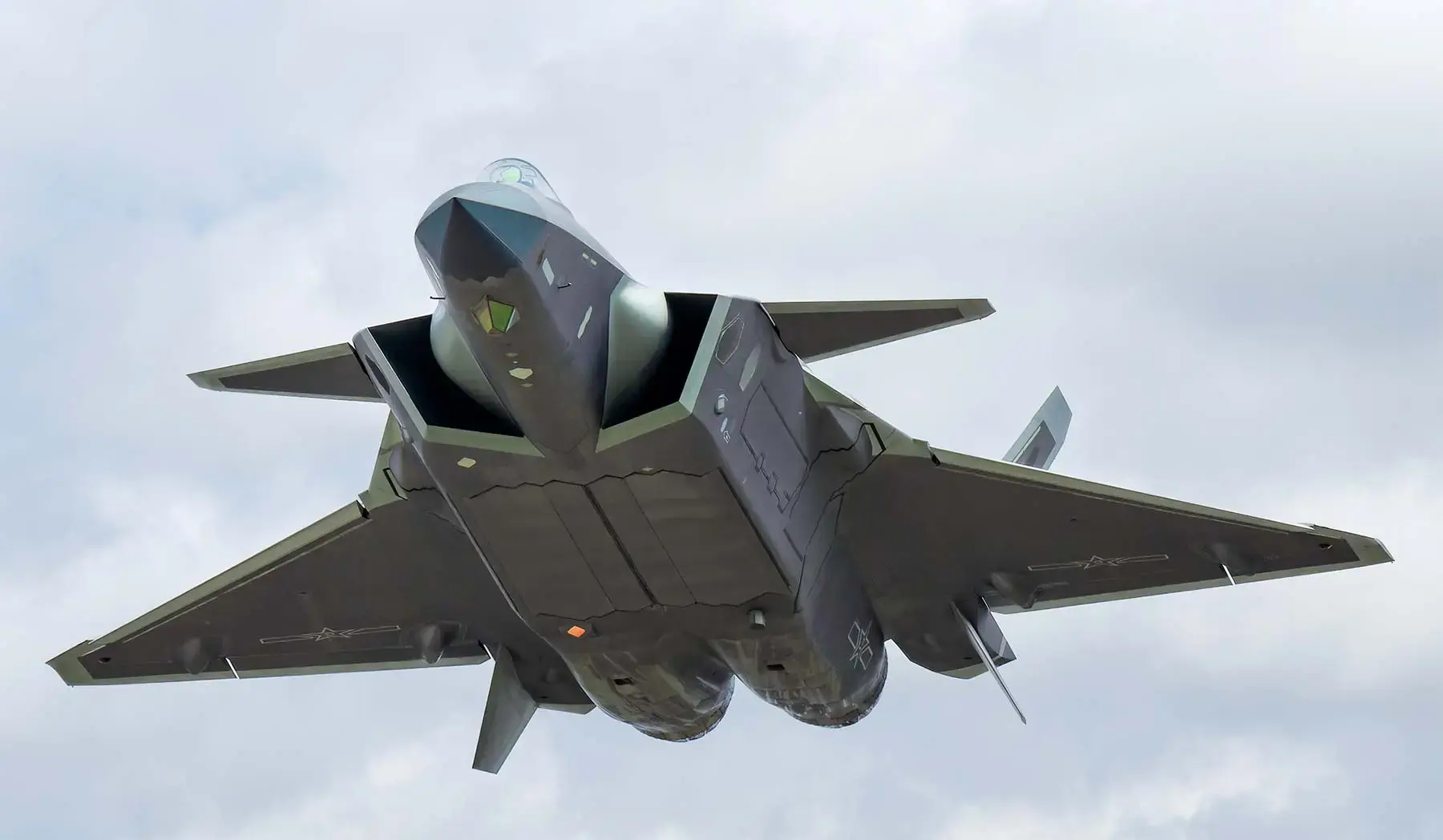
Limitations
The J-20 faces some criticism for its engine power and ability to manoeuvre. The Su-57 has experienced delays and production challenges. Both jets need upgrades in radars and weapons to compete with Western fighters like the F-35. They have not yet proven themselves fully in wartime.
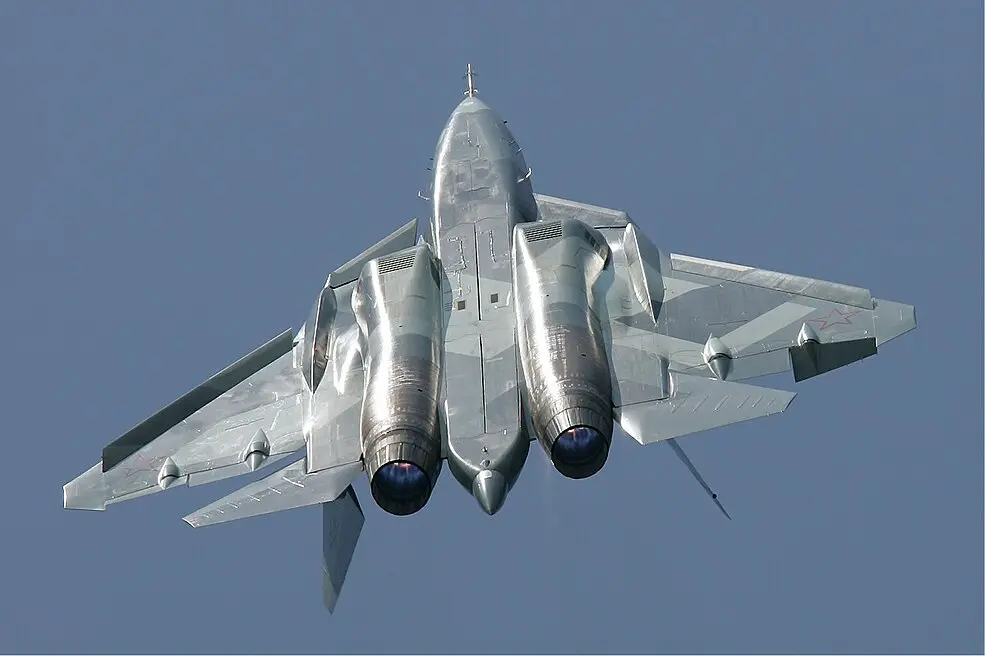
What the Future Holds
Both jets show the growing air power of China and Russia. Further improvements in engines and sensors are expected. Their competition pushes new technology forward and will shape air combat across Asia and the world.
)
)
)
)
)