China-Iran supersonic missile deal nears completion: Could it threaten USS Abraham Lincoln & USS Gerald R. Ford?

The reported negotiations over the missile purchase come as the United States presses Tehran to accept ‘zero enrichment’ of uranium, while Iranian officials are preparing a counter-proposal centred on sanctions relief and what they describe as ‘mutual respect.
Missile deal emerges as nuclear talks resume
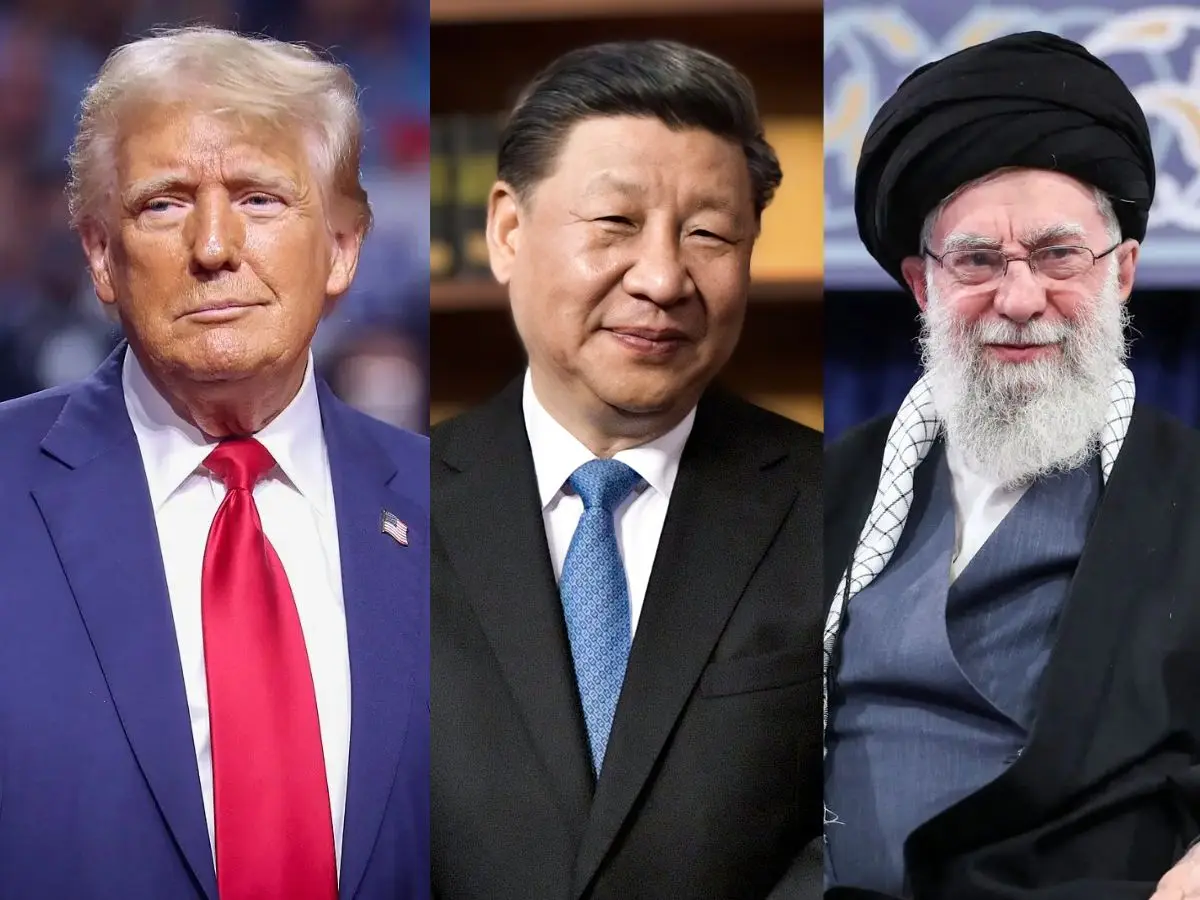
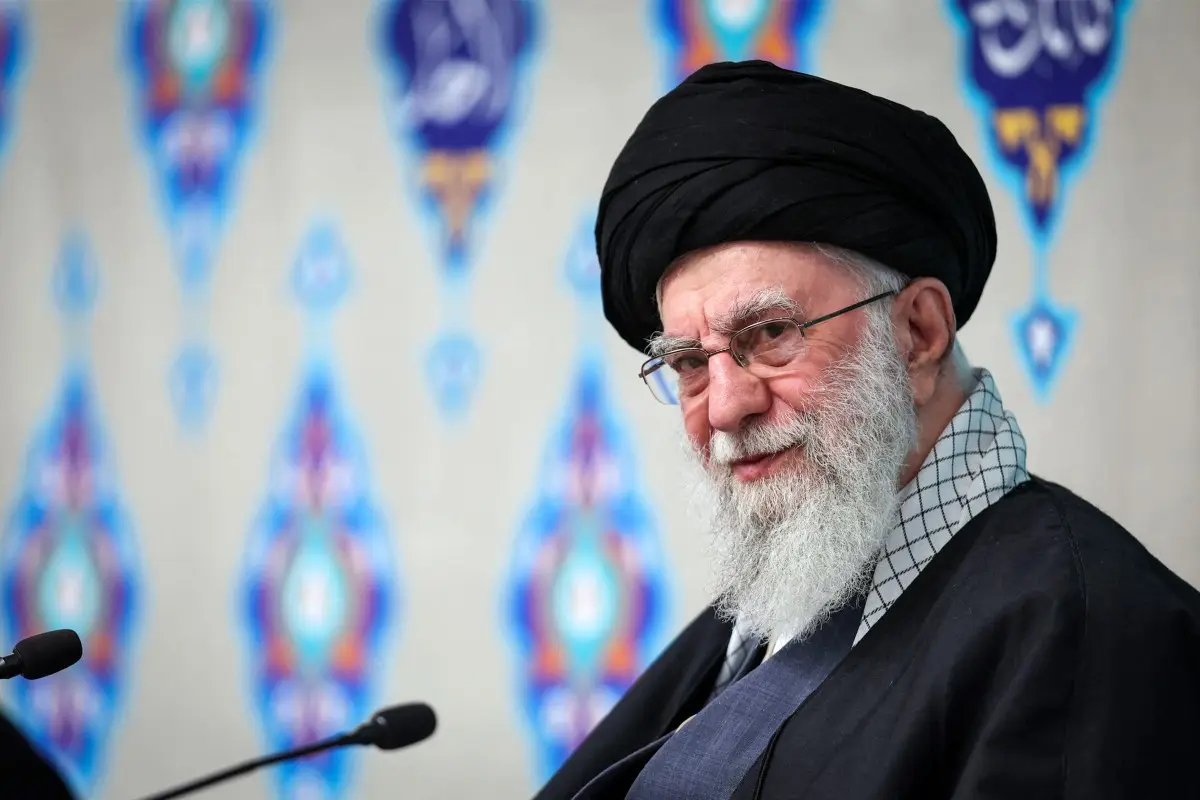
Iran is nearing a deal to acquire Chinese-made CM-302 supersonic anti-ship missiles, in a move that coincides with renewed indirect nuclear talks with Washington. The reported negotiations over the missile purchase come as the United States presses Tehran to accept ‘zero enrichment’ of uranium, while Iranian officials are preparing a counter-proposal centred on sanctions relief and what they describe as ‘mutual respect’. The parallel tracks of diplomacy and military positioning underscore the fragile state of US-Iran relations.
The reported missile deal
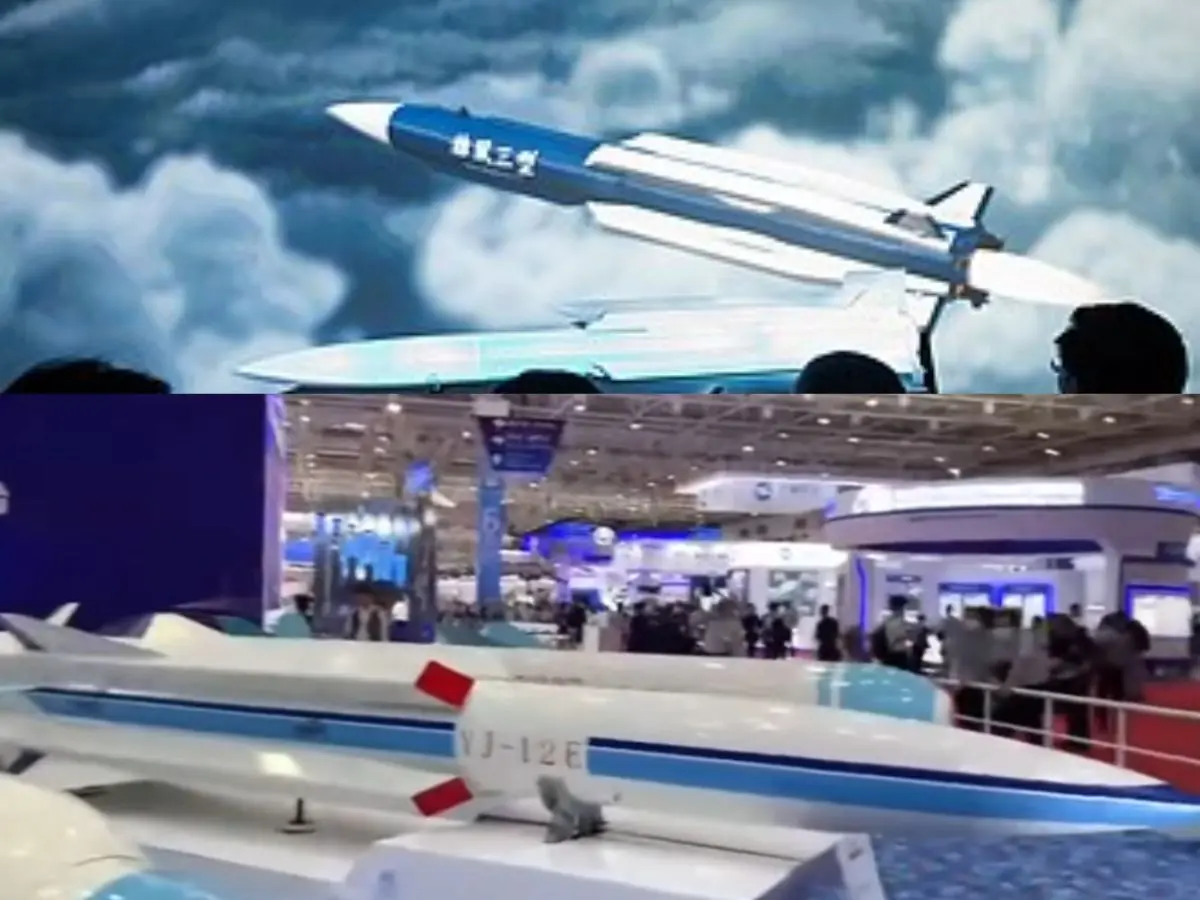
Reuters reported that Tehran is close to finalising an agreement with China for the CM-302, an export variant of the YJ-12 anti-ship missile. The missile is capable of supersonic speeds and designed to strike large naval vessels. Such a capability could significantly enhance Iran’s ability to threaten surface ships operating in the Gulf and surrounding waters.
Strategic implications at sea
The supersonic missiles have a range of about 290 kilometres and are designed to evade shipborne defences by flying low and fast. The CM-302 is believed to have a range of several hundred kilometres and the ability to manoeuvre at high speed, complicating interception efforts. For Iran, whose naval doctrine focuses on asymmetric warfare, the acquisition would complement its existing arsenal of coastal defence missiles, drones and fast-attack craft intended to deter or disrupt larger naval forces.
Washington’s military posture
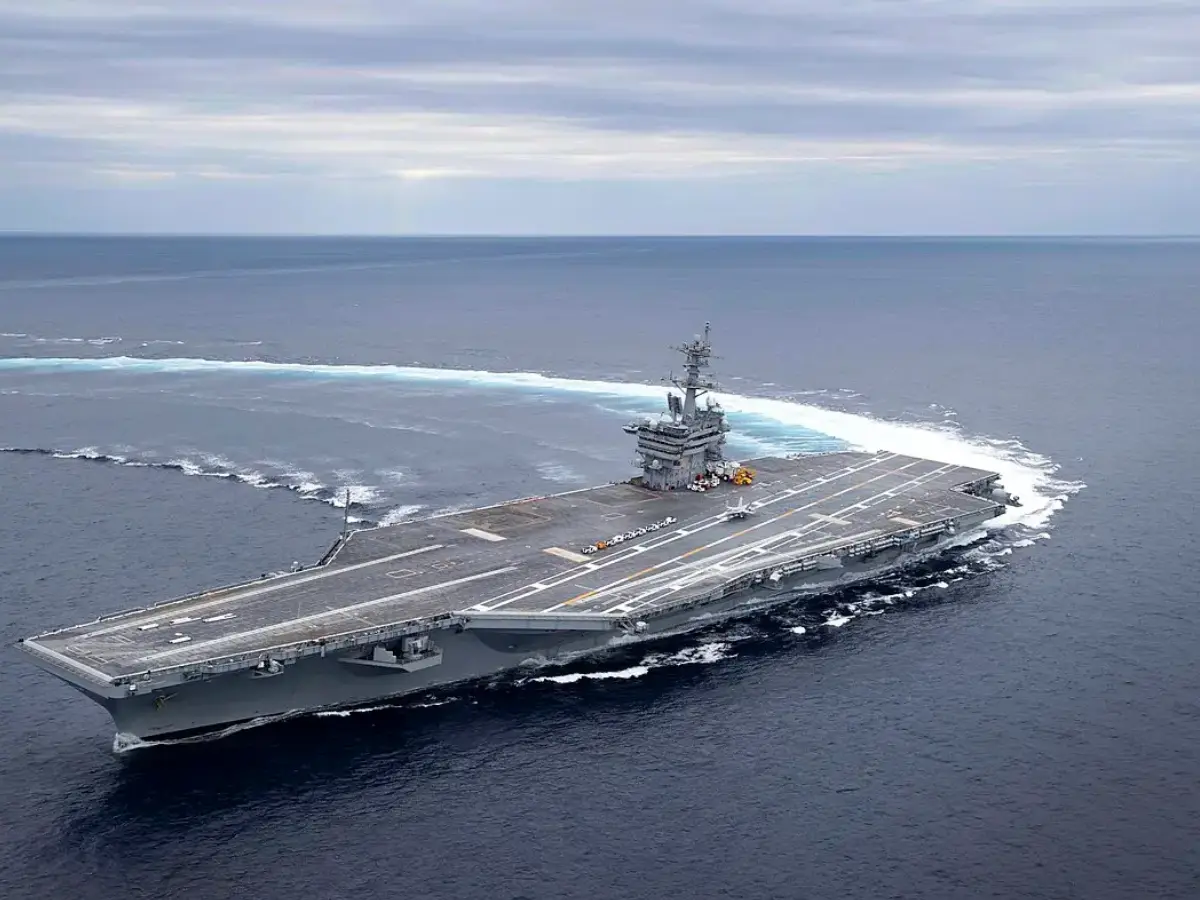
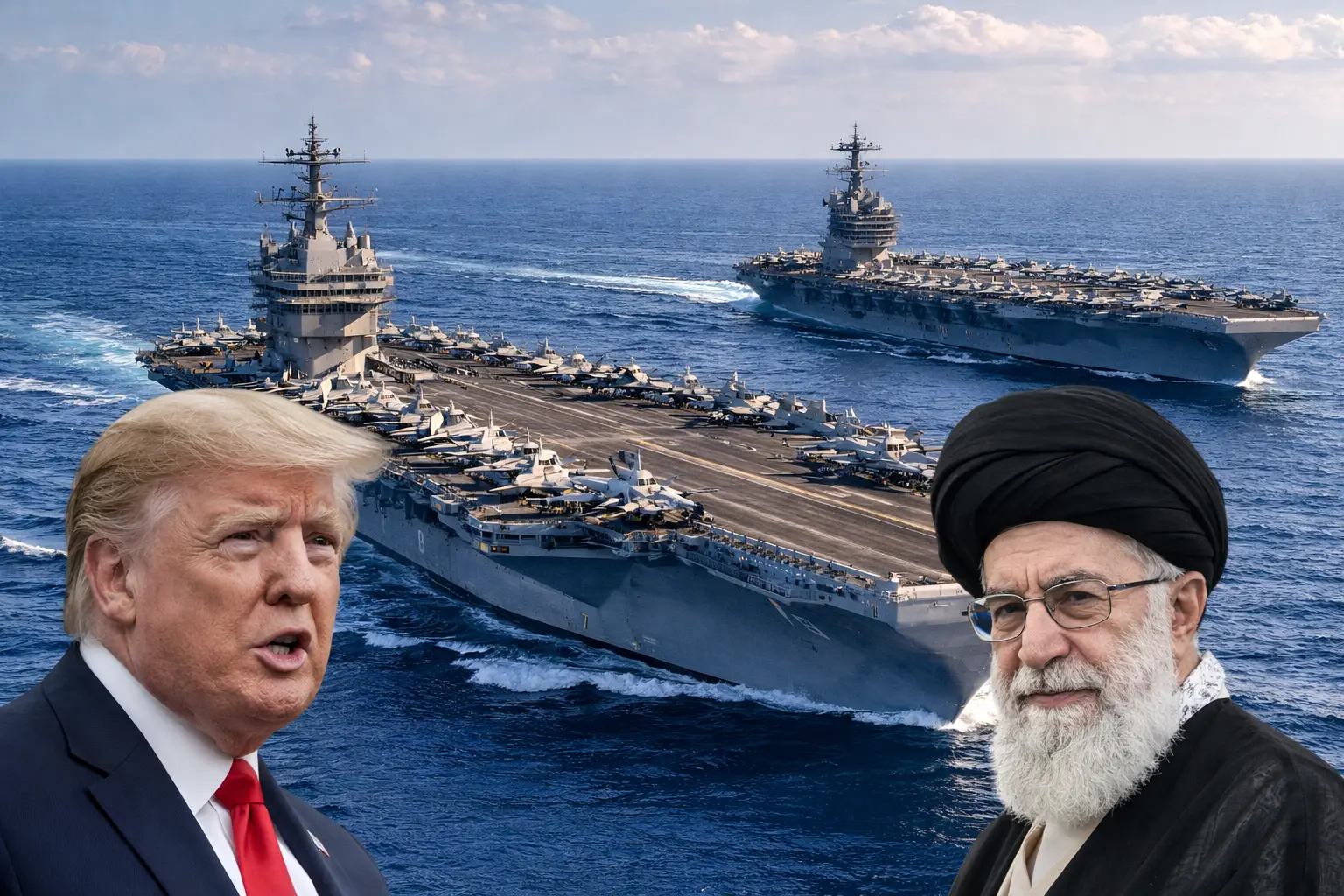
Washington currently has 13 warships deployed in the Middle East, including one carrier, nine destroyers and three littoral combat ships. The arrival of the Ford in the Mediterranean to reinforce the Lincoln signals readiness for sustained operations. It is unusual for two US aircraft carriers, each crewed by thousands and carrying dozens of aircraft, to operate simultaneously in the region.
Trump’s renewed warnings
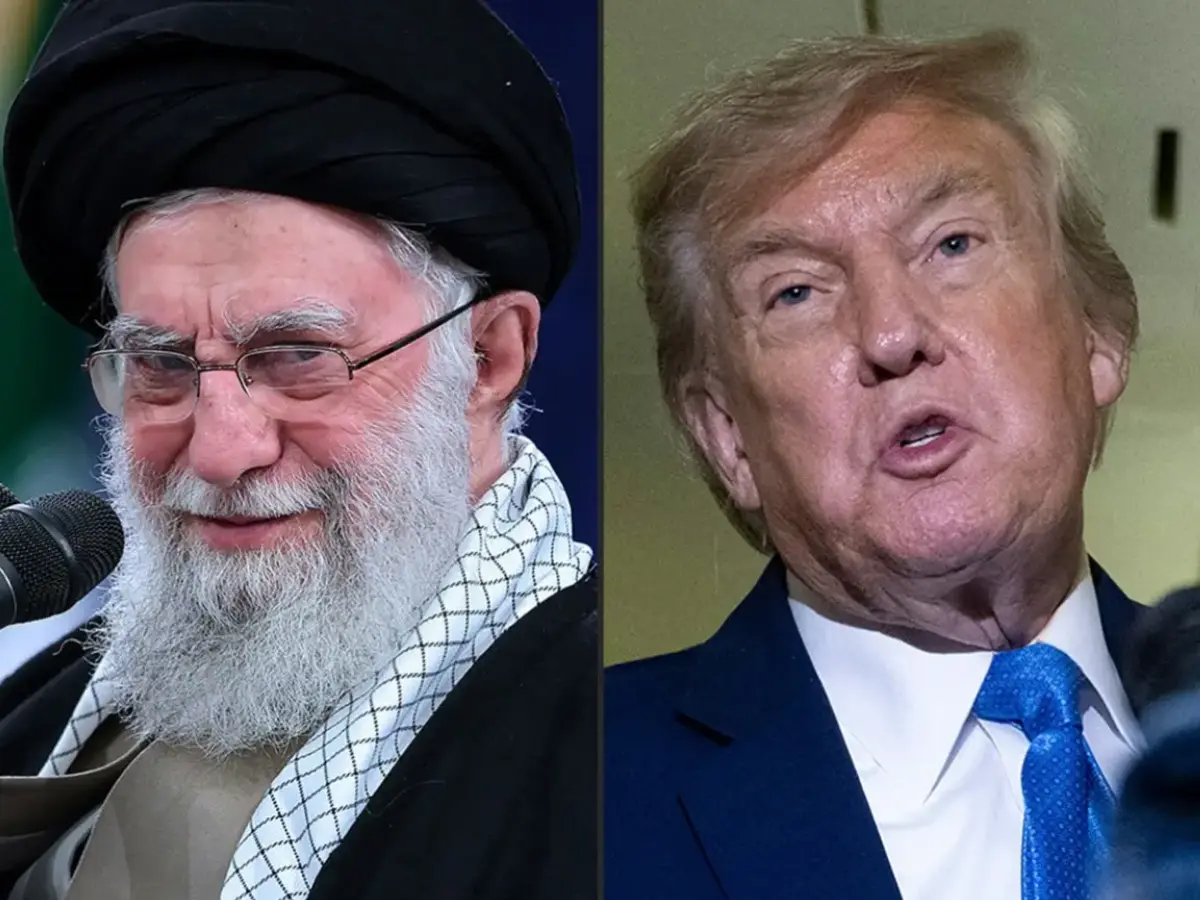
US President Donald Trump, who ordered strikes on Iranian nuclear facilities last year, has repeatedly warned Tehran of fresh military action if it does not agree to a new nuclear arrangement.
Could it threaten US supercarriers?
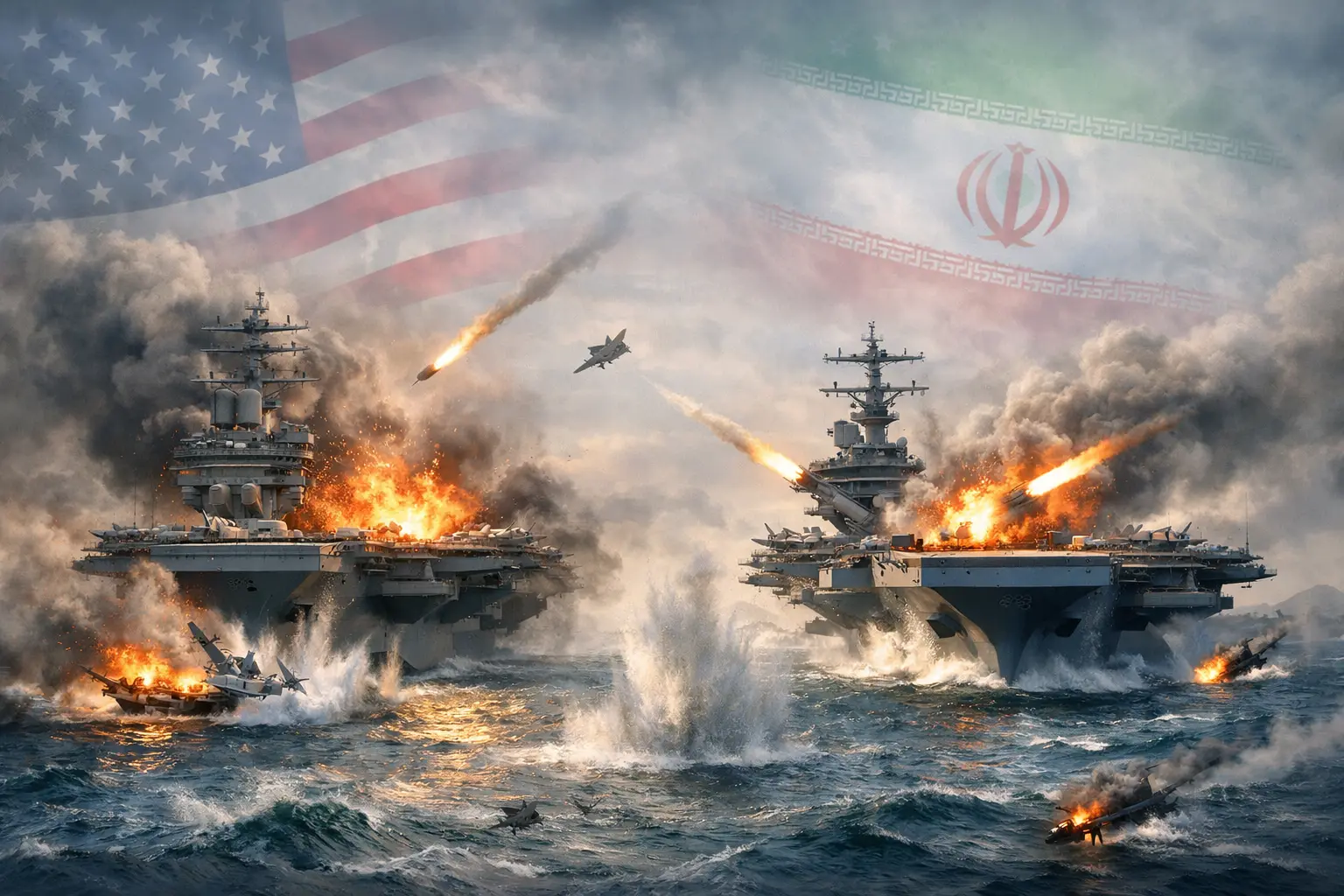
Although limited public information is available about the missile, a supersonic anti-ship missile such as the CM-302 is specifically designed to target large surface vessels, including aircraft carriers. Travelling at high speed and potentially launched in coordinated salvos, such weapons are intended to compress reaction time for shipborne air defence systems. However, US carrier strike groups operate within layered defensive networks that include Aegis-equipped destroyers, electronic warfare aircraft, interceptor missiles and airborne early warning platforms such as the E-2D Hawkeye. While the acquisition of the CM-302 would enhance Iran’s anti-access capabilities in confined waters such as the Gulf, any engagement with US supercarriers would depend on a complex interplay of detection, targeting and defensive countermeasures.
Diplomacy amid escalation
The next round of talks between the United States and Iran will be Thursday in Geneva. Meanwhile, the US State Department has ordered the departure of non-emergency personnel from its embassy in Beirut, describing the move as “prudent” given concerns over potential retaliation.
)
)
)
)
)