China claims supercomputer crown: What are supercomputers, where India stands and what it means for the world

China has reportedly reclaimed the top spot in global supercomputer rankings, intensifying its tech race with the US. These machines pare becoming a key marker of national strength and strategic power for the world to see now.
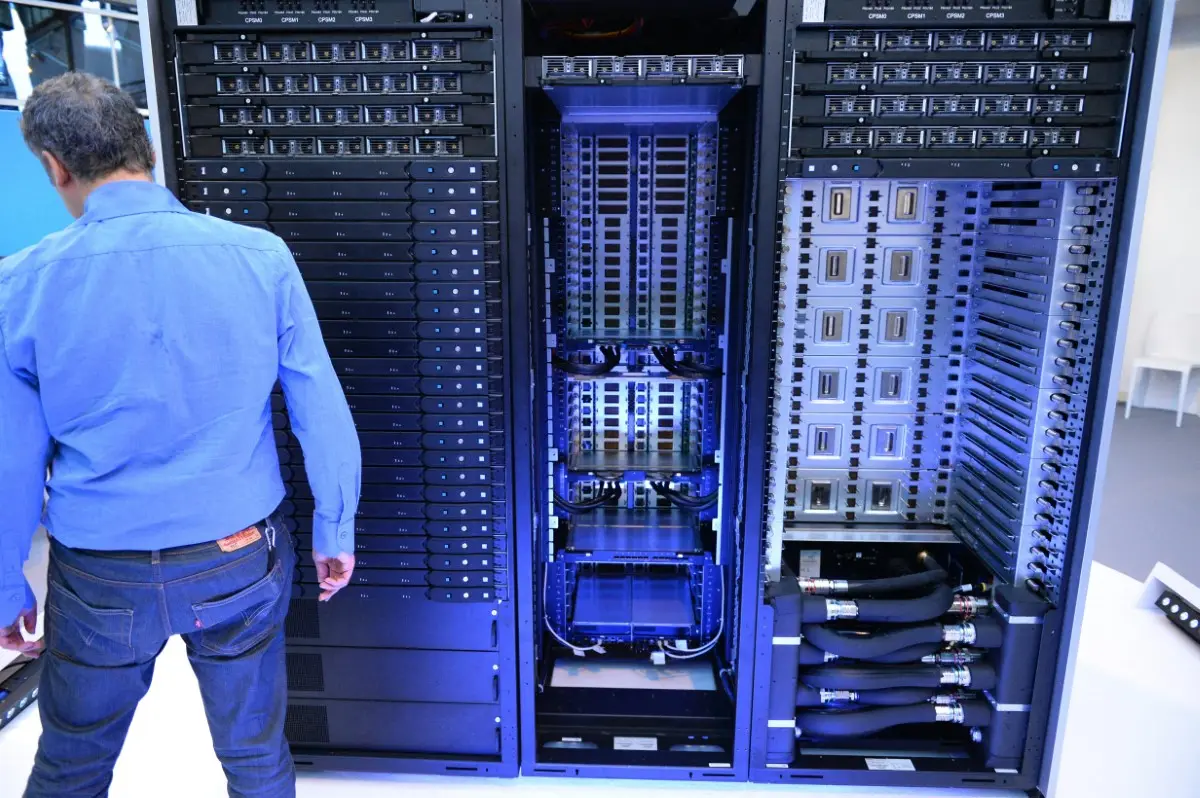
China tops supercomputer rankings
China has reportedly reclaimed the top spot in global supercomputer rankings with its latest system, LineShine. According to reports, China is ranked at the top with LineShina, US claims the second, third and fourth position with El Capitan (US), Frontier (US) and Aurora (US)
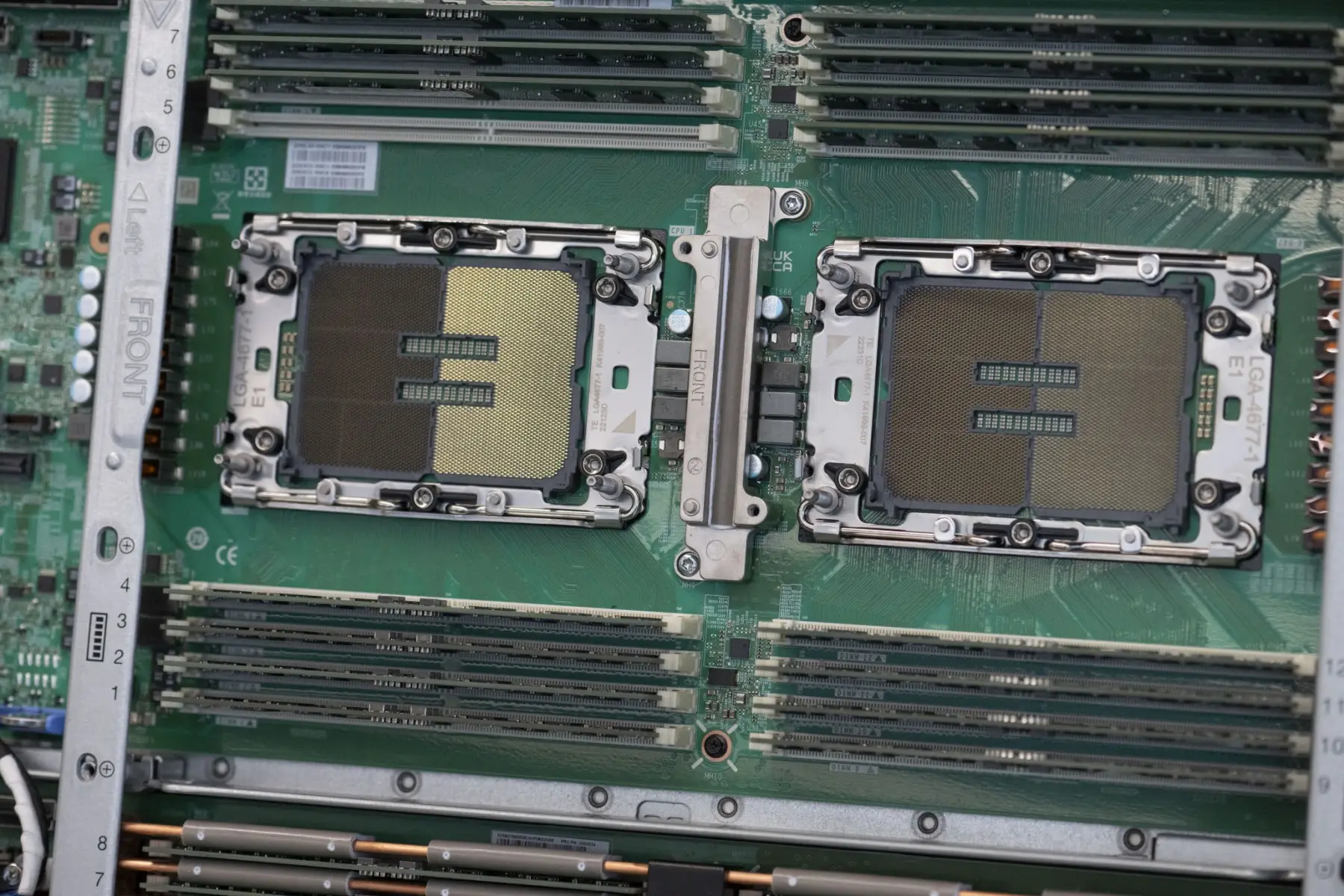
What are supercomputers and how it is different from modern computers
Supercomputers are the world's fastest and most powerful computing systems, designed to solve extremely complex problems by performing billions, trillions or even quintillions of calculations every second. These are different from current day computers as its performance is measured in FLOPS (floating-point operations per second). While Modern systems operate at petaflop scale (quadrillions of calculations per second) and exascale level (quintillions of calculations per second), these computers can process thousands of processors simultaneously. A single supercomputer can be up to a million times more powerful than a high-end laptop.
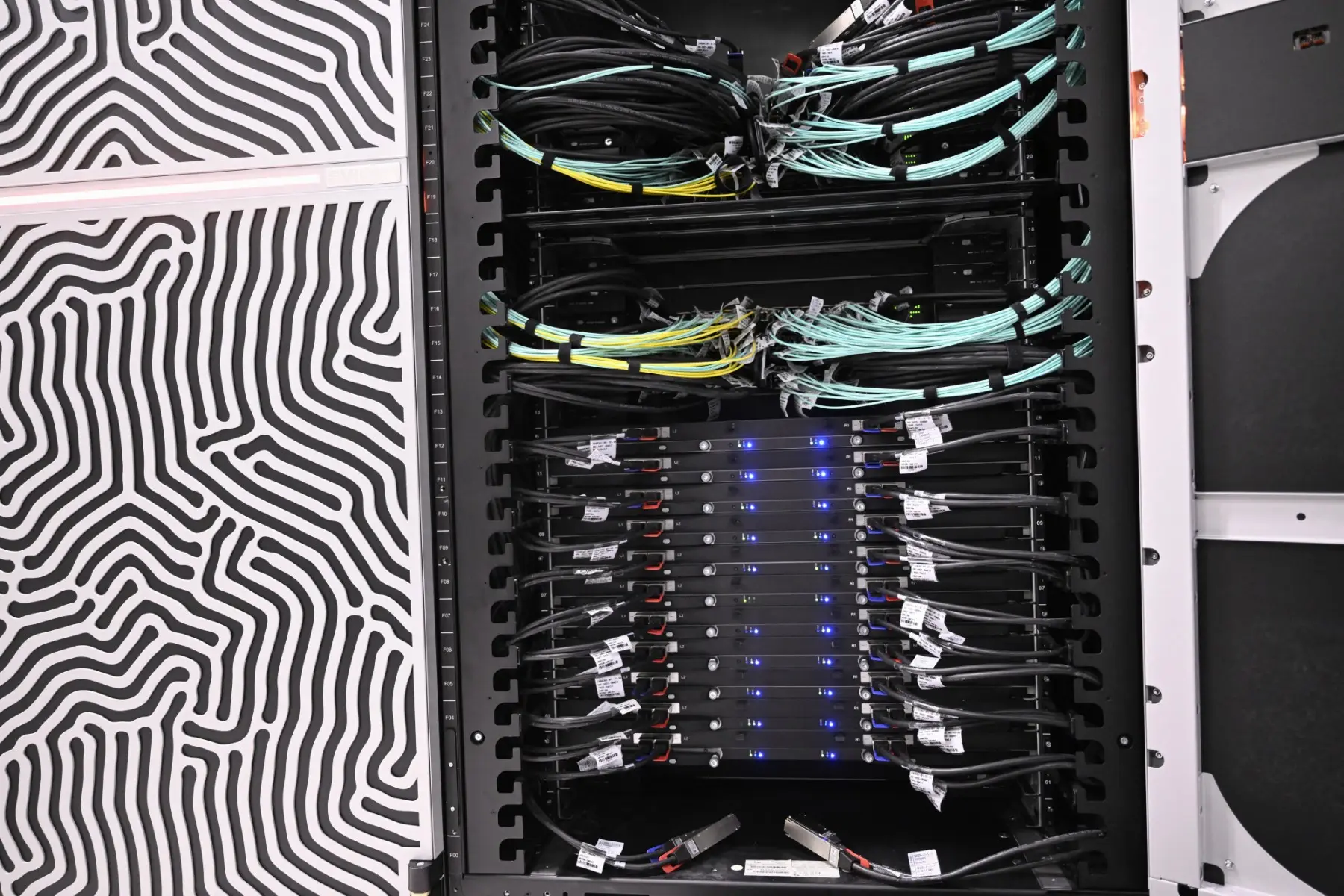
Where India ranks
India trails in the world's supercomputer race. China's LineShine is roughly 26 times faster than India's most powerful listed system. India's most powerful supercomputer, Shakti Cloud, is currently ranked 32nd on the June 2026 TOP500 list, with a performance of 84.31 petaflops. India's supercomputing ambitions are being driven by the National Supercomputing Mission (NSM), launched in 2015 to strengthen the country's high-performance computing capabilities. Under the mission, India has deployed 38 supercomputers across research and academic institutions, creating a combined computing capacity of 47 petaflops. The country has also developed indigenous systems such as the PARAM Rudra series while expanding its broader digital and computing infrastructure.
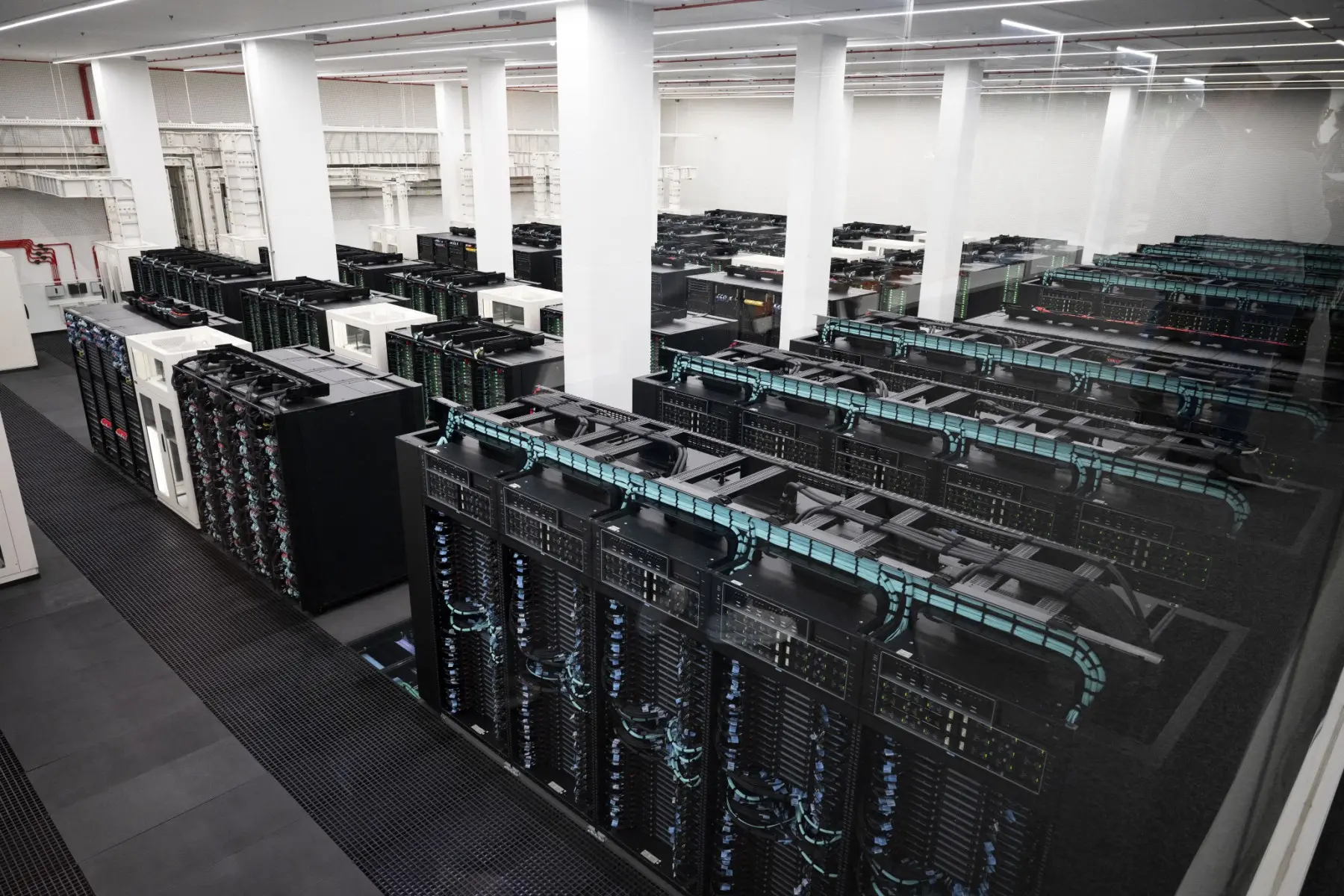
Should China's ranking be a worry for the world
This is the first time after 2017 that China has reclaimed the position at the top by beating the US. China's return to the top of the supercomputer rankings is about far more than computing speed. Supercomputers increasingly underpin artificial intelligence, military planning, climate modelling, healthcare innovation and scientific breakthroughs. Supercomputing is emerging as a key indicator of technological and strategic power in the 21st century.

Why are supercomputers important for AI, healthcare and science
Supercomputers are essential engines of discovery because they process massive amounts of complex data at a speed that is million of times faster than standard computers.
In AI, it can help in training large language models and accelerate AI research. It can process huge databases within minutes that computers would take months.
In Defence, supercomputers play a critical role in nuclear stockpile simulations, cybersecurity and cryptography, designing of hypersonic weapons, and in advanced level surveillance.
It can also help in high-resolution weather modelling and can prove pathbreaking in healthcare. It can be useful in drug research, genome sequencing, disease modelling. A notable example was the use of supercomputers to identify key characteristics of the COVID-19 virus, aiding vaccine development.
)
)
)
)
)