Chartered VIP jets crash: Top safety measures recommended by authorities

The tragic death of Ajit Pawar in a chartered jet crash has put the spotlight on private aviation safety. With VSR Ventures under investigation for its second hull loss in three years, aviation authorities and safety experts have issued urgent guidelines for VIPs and charter operators.
NSOP Validity
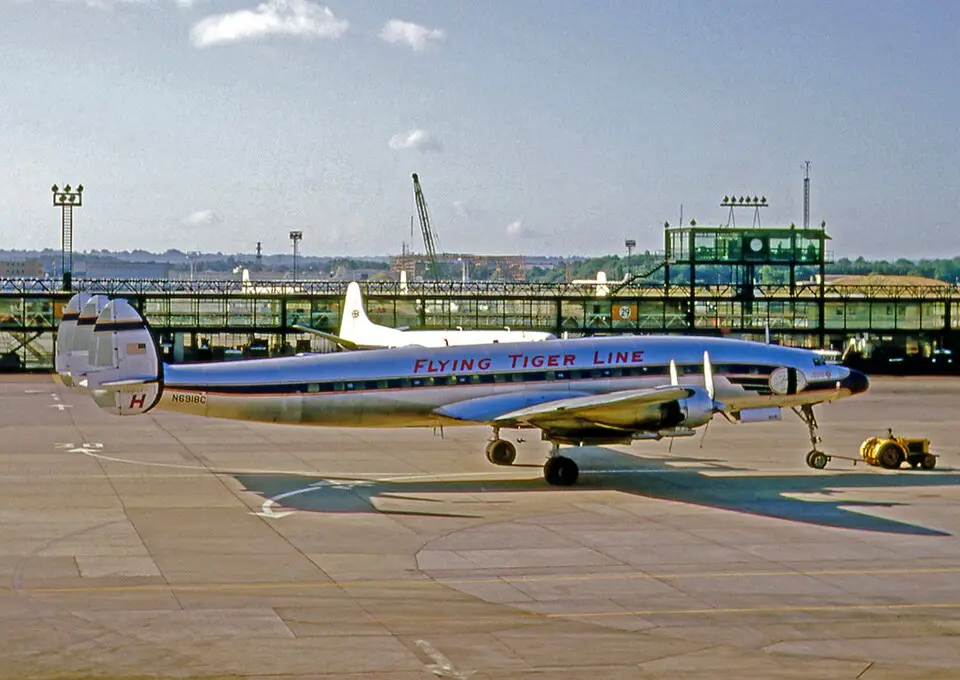
Authorities recommend verifying the operator’s Non-Scheduled Operator Permit (NSOP) issued by the DGCA. This ensures the company meets the minimum safety, maintenance, and staffing standards required by Indian law, rather than just being a fly-by-night aggregator.
The ‘Type-Rating.’
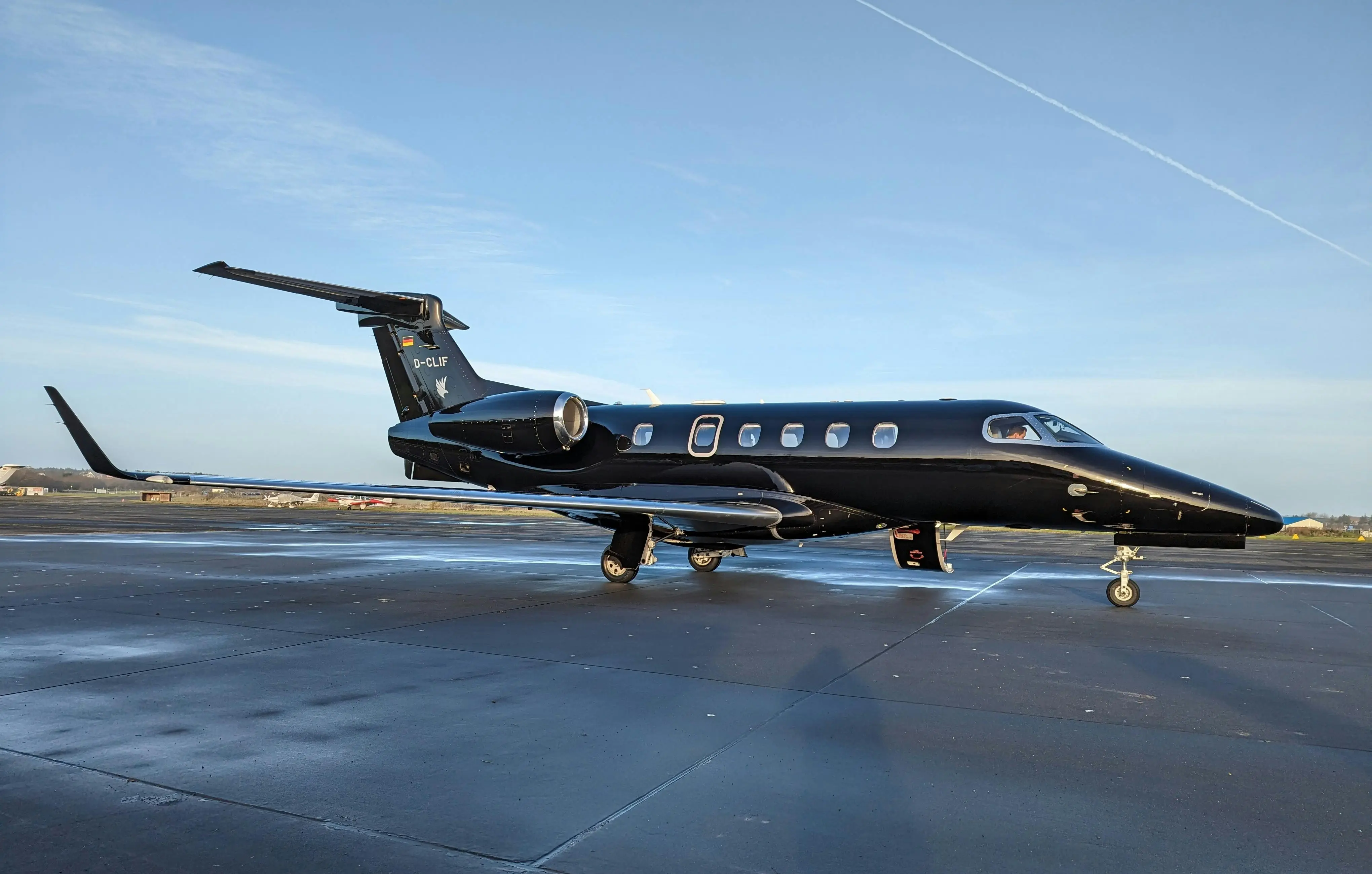
Total flying hours can be misleading; what matters is the pilot's experience on the specific aircraft type. Experts advise checking if the pilot is ‘current’ on the specific jet (e.g., Learjet 45) and has undergone simulator training for emergency scenarios within the last six months.
Respect Weather Minima
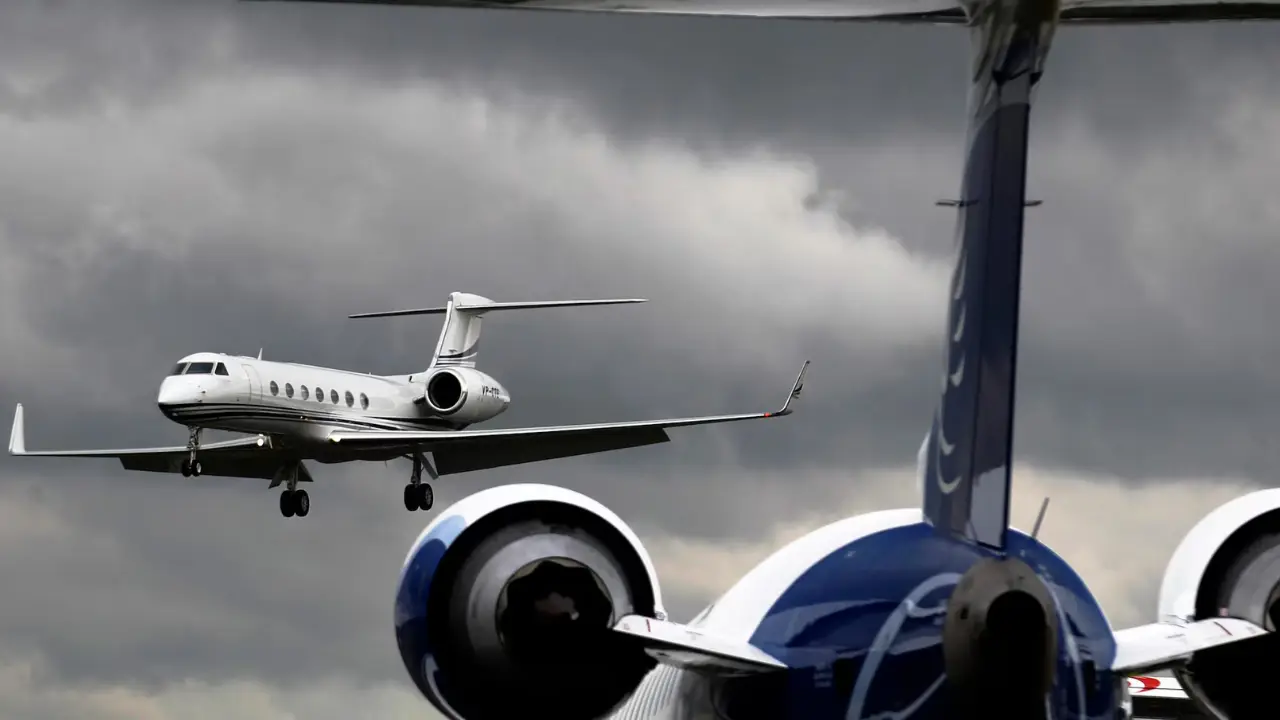
As per recent updates, the Baramati crash might be due to poor visibility. Authorities stress that VIPs must never pressure pilots to land in bad weather. If the visibility is below the standard ‘minima’ (often 1,500-2,000 meters for smaller airfields), diverting to a larger airport is the only safe option.

Runway Suitability Checks
Private jets often fly into smaller, uncontrolled airfields with shorter runways. Operators must conduct a Performance Analysis to ensure the aircraft can land safely with its current weight, especially on wet runways where braking distance increases significantly.

Third-Party Safety Audits
Unlike commercial airlines, charter firms aren’t always continuously monitored. Experts recommend choosing operators with voluntary third-party safety accreditations like ARGUS (Gold/Platinum) or Wyvern, which audit pilot training and maintenance records more rigorously than government bodies.
The ‘Sterile Cockpit’ Rule
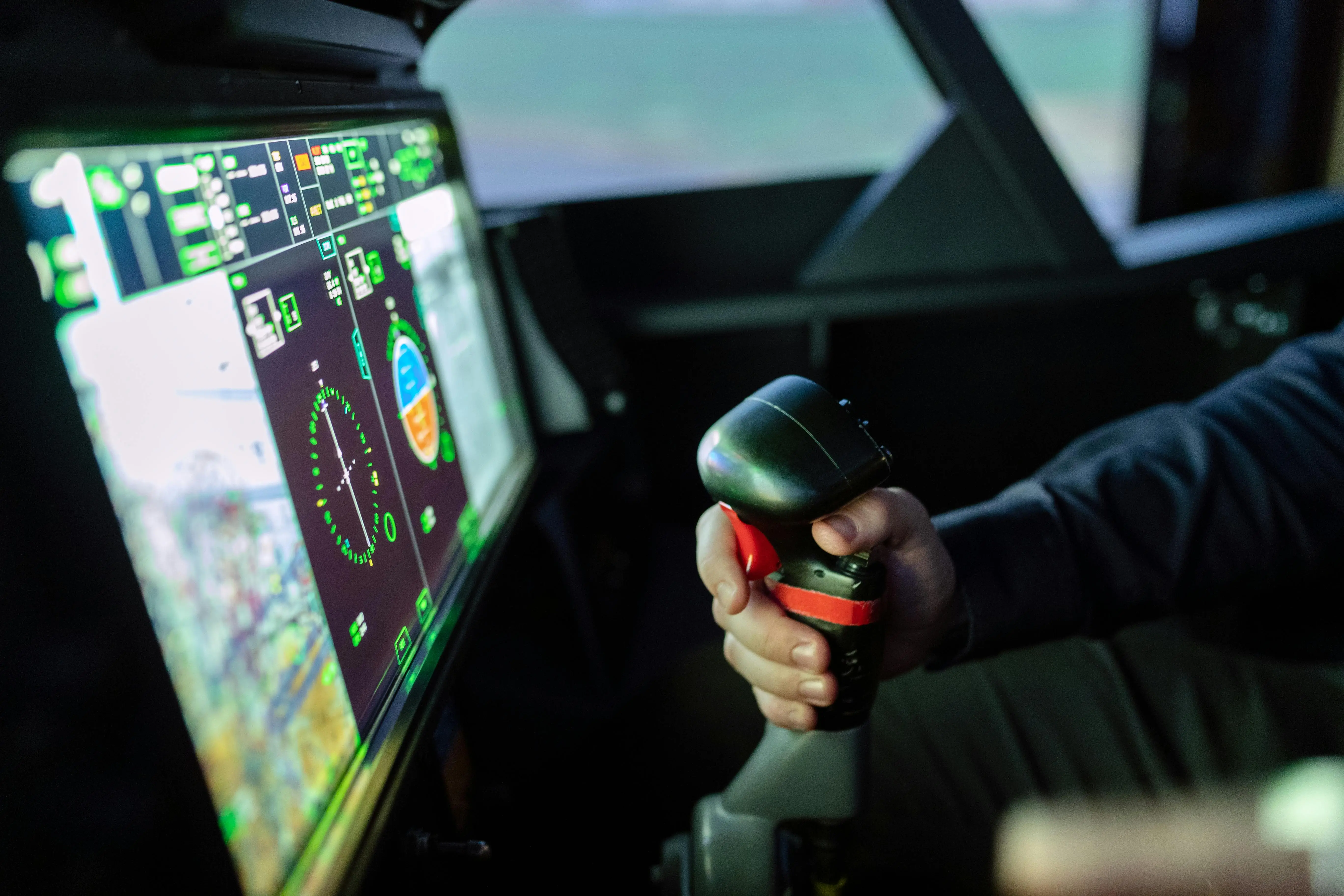
VIP passengers often enter the cockpit or interact with the crew during critical phases. Authorities reiterate the Sterile Cockpit Rule, which forbids any non-essential conversation or distraction below 10,000 feet, allowing pilots to focus 100 per cent on flying.

Flight Duty Time Limitations (FDTL)
Pilot fatigue is a silent killer in non-scheduled operations. Authorities strictly enforce FDTL norms, ensuring pilots have had adequate rest before a flight. VIPs should avoid last-minute schedule changes that might force a tired crew to extend their duty hours illegally.
)
)
)
)
)