Charlie Kirk may have predicted his own death in Tyler Robinson case, says Candice Owens

Owens’ claims have added fuel to public speculation and conspiracy theories. Social media is ablaze with debates, and right-wing media are amplifying her narrative. This increases pressure on the court and investigators to respond transparently and may complicate jury perceptions.
1. Claim: Kirk Told People He Thought He’d Be Killed
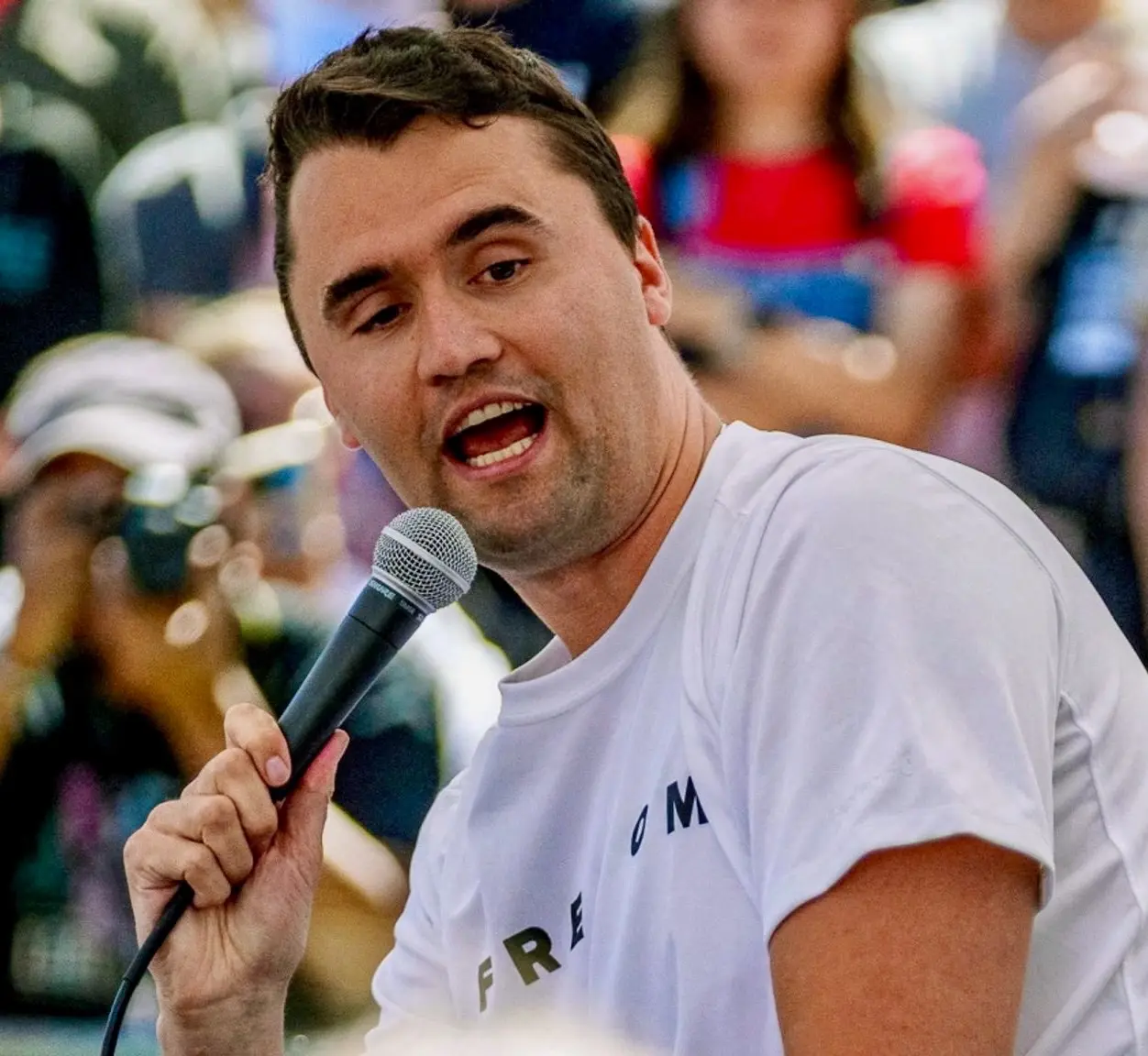
Conservative commentator Candace Owens stirred controversy by claiming Charlie Kirk, the slain Trump ally, had predicted his own death. Owens says that one day before the shooting, Kirk confided to three individuals, two of whom she claims have written communications that “I think they’re going to kill me.” She says these were private conversations, but argues they deserve public scrutiny.
2. Owen’s Evidence: A Screenshot + Off-Record Testimony
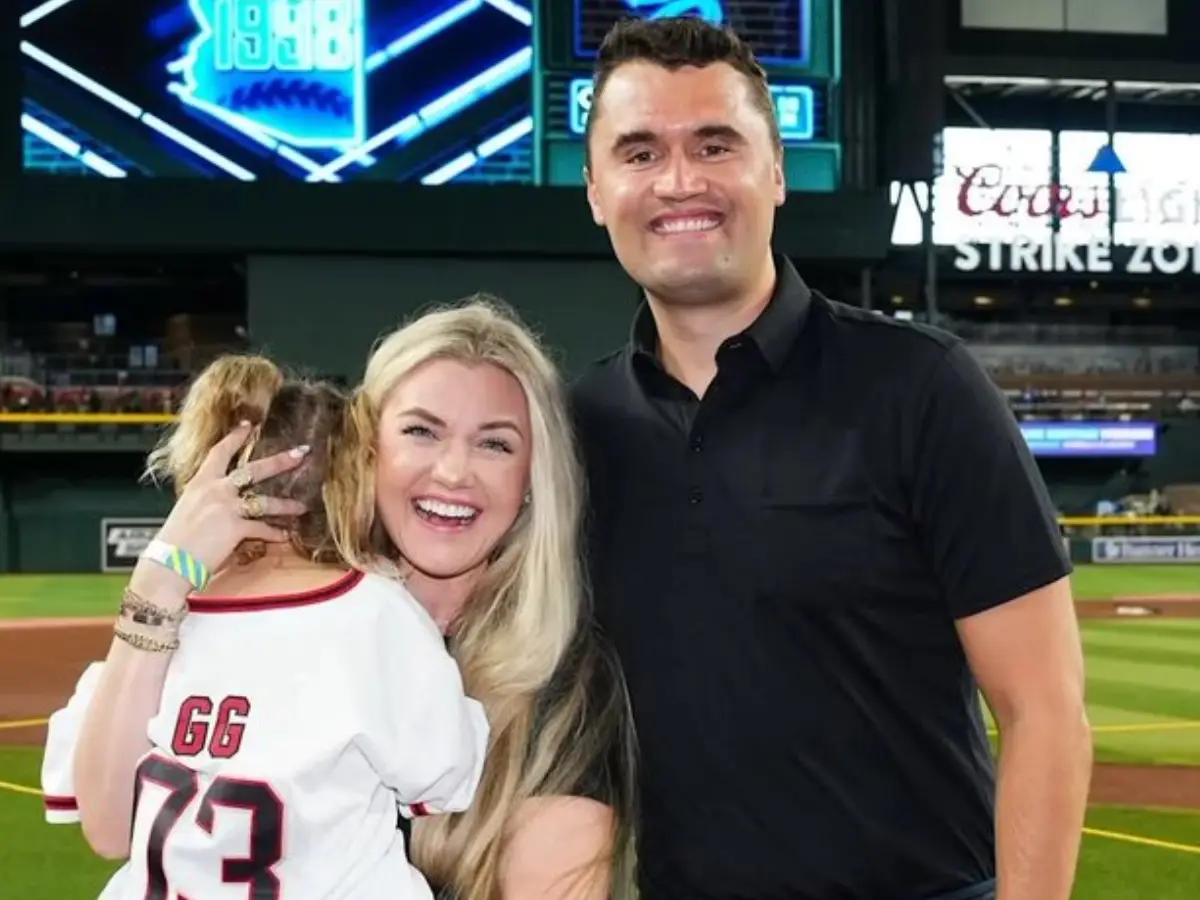
To back her claims, Owens released a screenshot of texts from Kirk in which he admitted losing a Jewish donor over inviting Tucker Carlson. That screenshot has been confirmed as authentic by a TPUSA employee. She also says her assertions are based on off-the-record conversations with a donor and others close to Kirk.
3. Owens Suggests a Larger Conspiracy
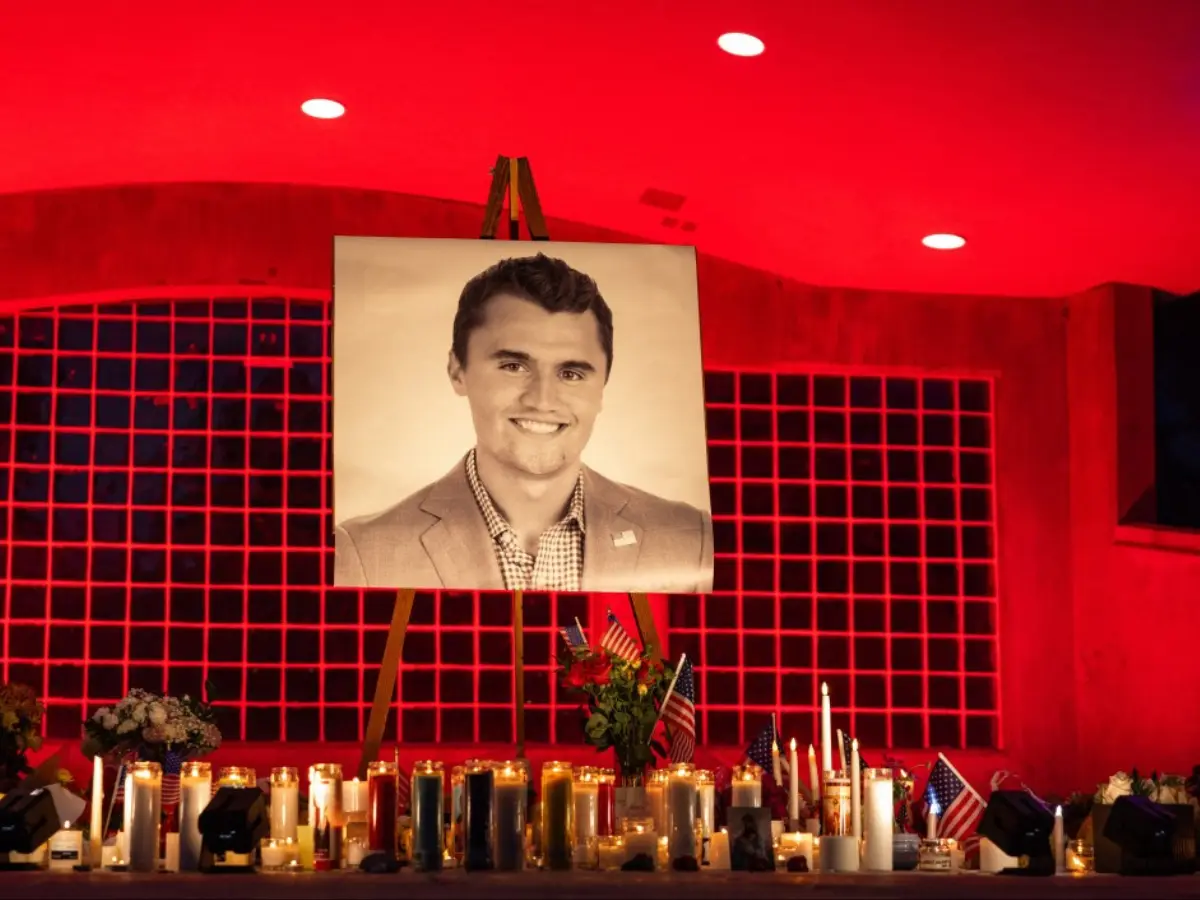
Owens pushes the narrative that Robinson may have been a “scapegoat” or that the FBI is covering up a bigger plot. She claims that nearly everyone involved in the investigation, judges, officers are “new,” which she believes suggests orchestration. She also alleged that Kirk had conflicts with Israeli donors and hinted at donor-led pressure preceding his death.
4. What the Official Position Is
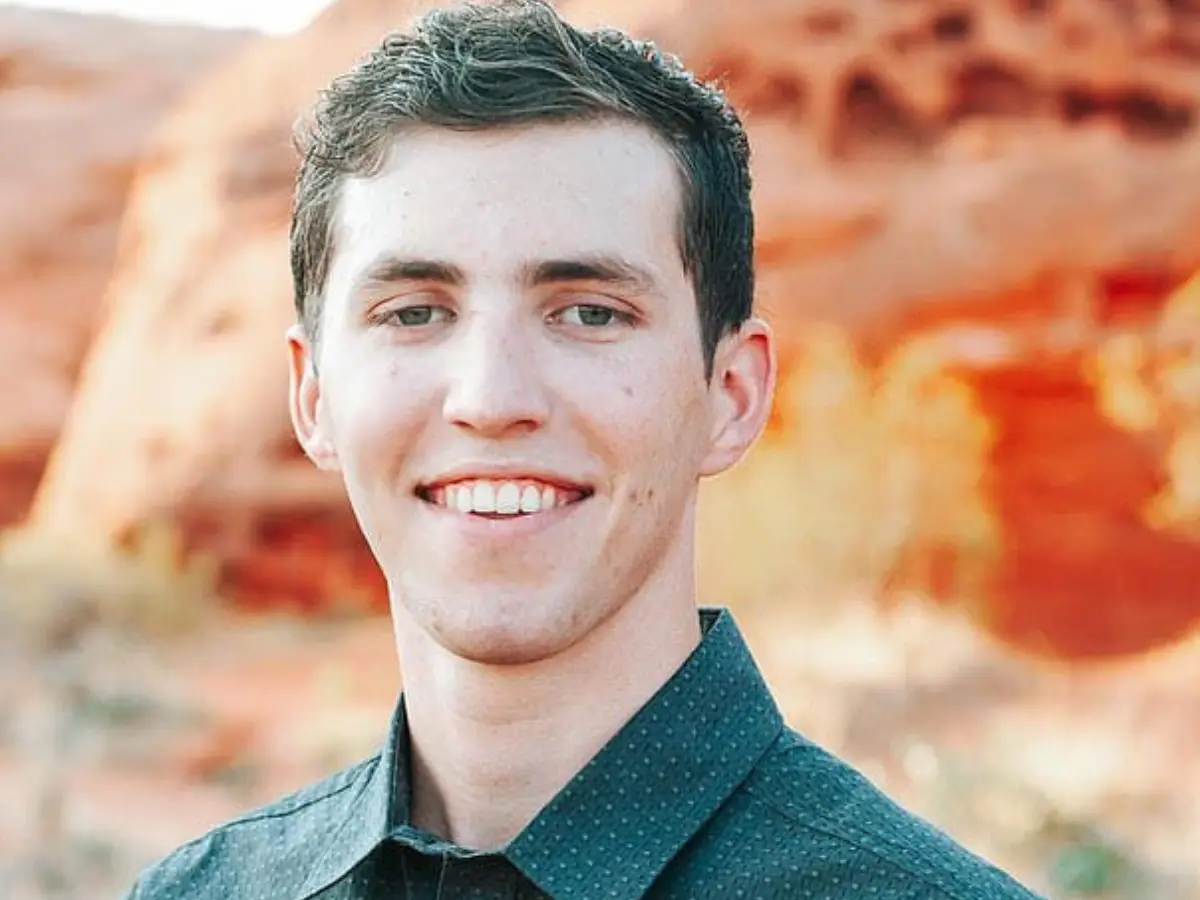
As of now, none of Owens’ claims have been substantiated in court or by independent investigators. The FBI’s official narrative remains that Tyler Robinson shot Kirk, as Robinson has admitted. Owens has not provided hard evidence to prove a conspiracy beyond reasonable doubt.
5. The Legal Relevance (If True)
If Kirk genuinely predicted his death and left documented warnings, that could serve as evidence of foreknowledge or motive, something defence and prosecution will fight over. However, such testimony would likely be challenged for hearsay, reliability, timing, and whether it should even be admissible.
6. Public Reaction & Media Storm
Owens’ claims have added fuel to public speculation and conspiracy theories. Social media is ablaze with debates, and right-wing media are amplifying her narrative. This increases pressure on the court and investigators to respond transparently and may complicate jury perceptions.
7. The Challenge for Defence & Prosecution
For Robinson’s defence, Owens’ claims create a new line to explore: possibly arguing pre-existing threats or conspiratorial motivations. For the prosecution, they must show that Owens’ allegations are speculative and unsupported. Whether the court allows such testimony will be a point of fierce litigation.
)
)
)
)
)