‘Change the government’: Lebanese protesters demand answers and accountability after Beirut explosion

Two government ministers resign
Two government ministers resigned amid the political fallout of the blast and months of economic crisis, saying the government had failed to reform.
Tuesday's explosion of more than 2,000 tonnes of ammonium nitrate killed 158 people and injured more than 6,000, compounding months of political and economic collapse and prompting furious calls for the government to quit.
Police seen in cities
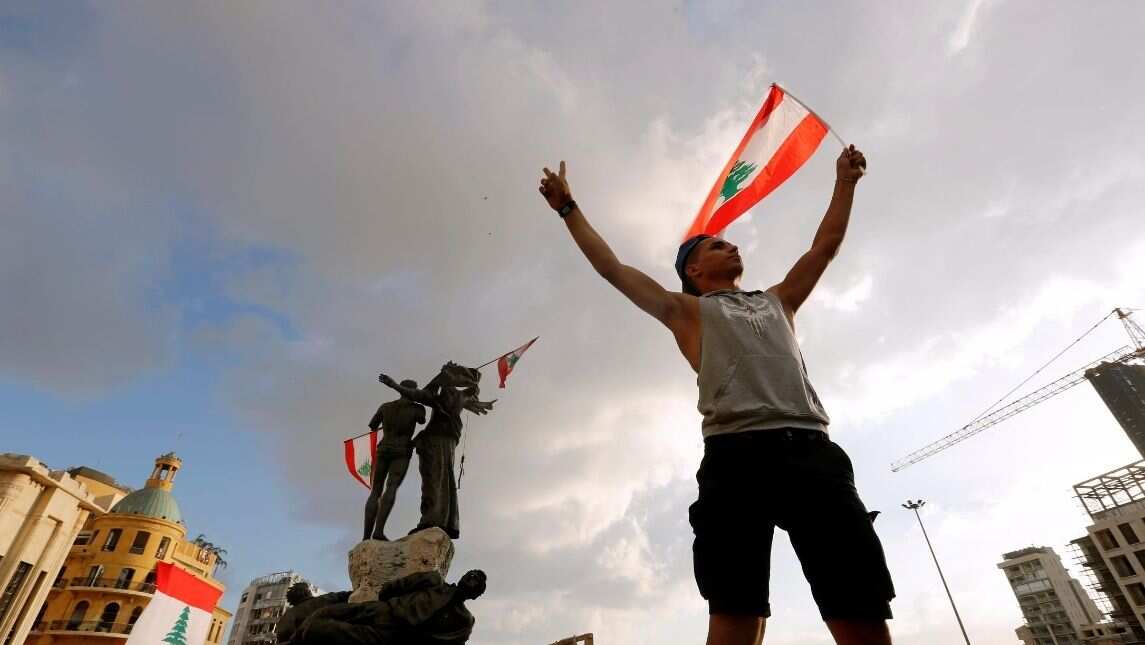
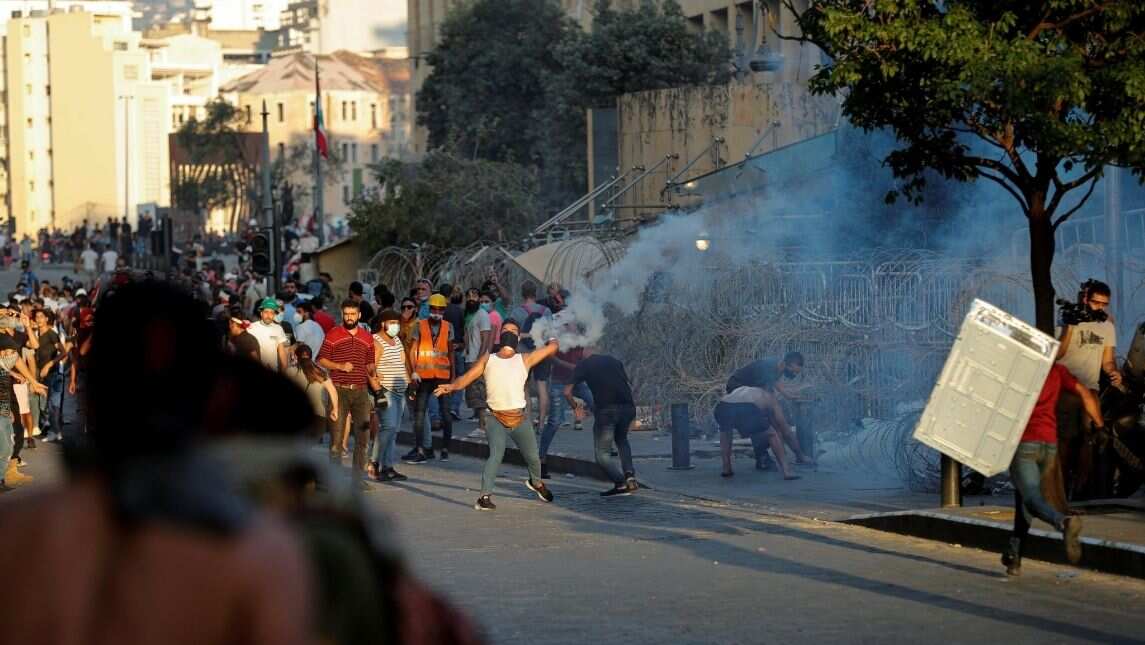
Riot police wearing body armour and carrying batons clashed with demonstrators as thousands converged on Parliament Square and nearby Martyrs' Square, a Reuters correspondent said.
‘Opportunities lost’
Lebanon's environment minister resigned on Sunday, saying the government had lost a number of opportunities to reform, a statement said. Damianos Kattar's departure follows the resignation of Information Minister Manal Abdel Samad earlier on Sunday in the wake of the explosion.
Protesters break in!
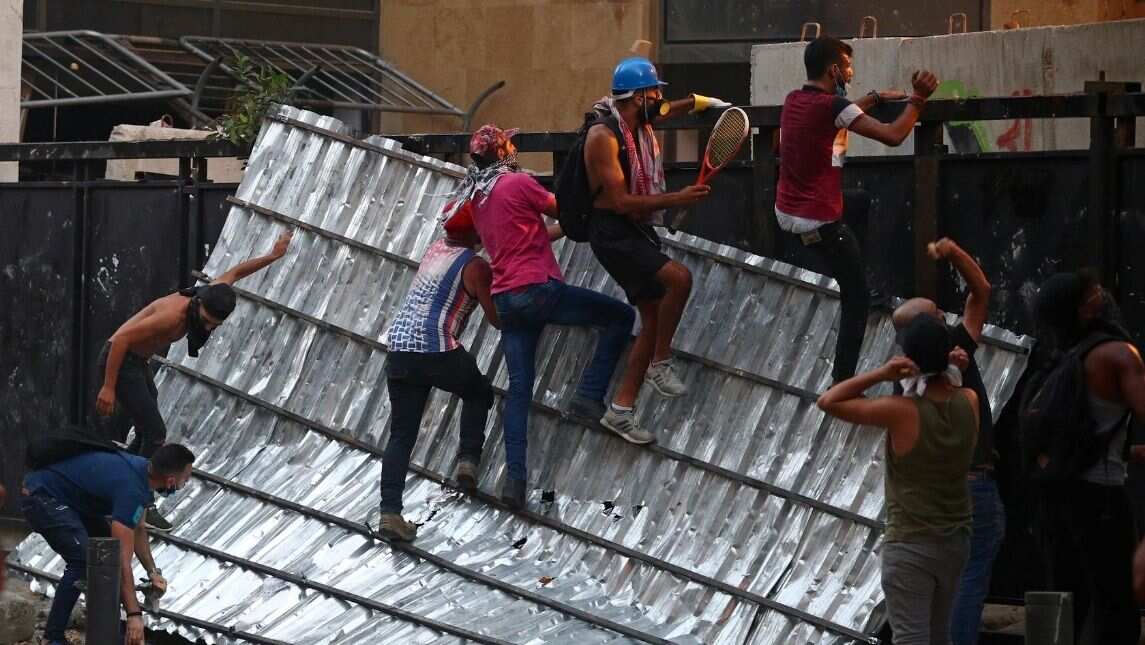
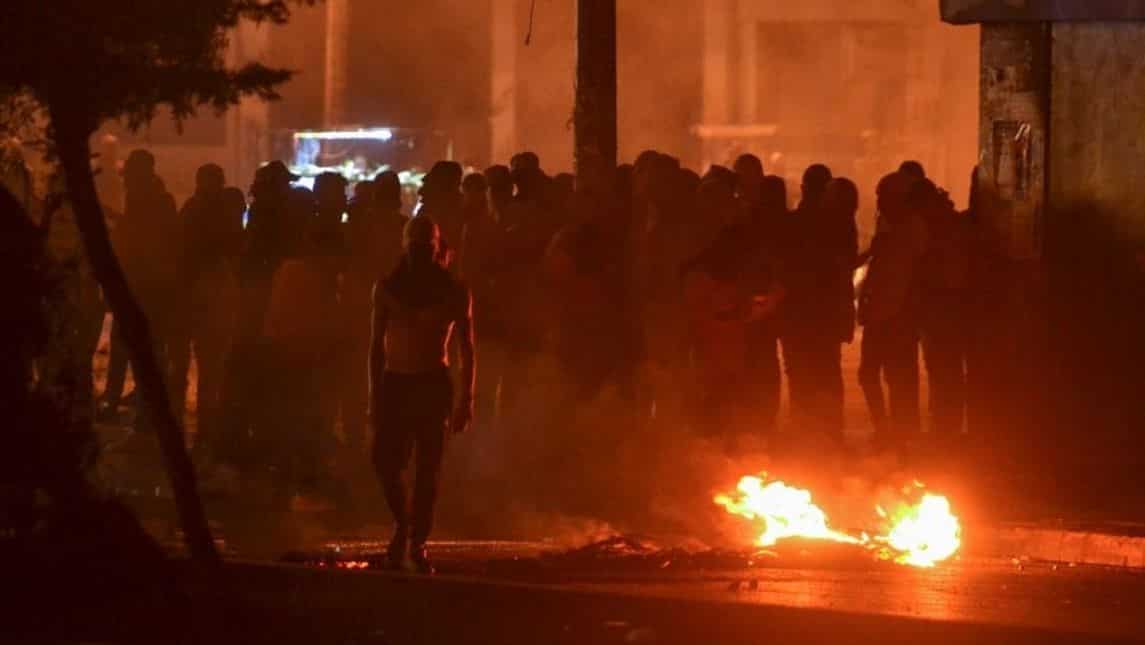
Fire broke out at an entrance to Parliament Square as demonstrators tried to break into a cordoned-off area, TV footage showed. Protesters also broke into the housing and transport ministry offices.
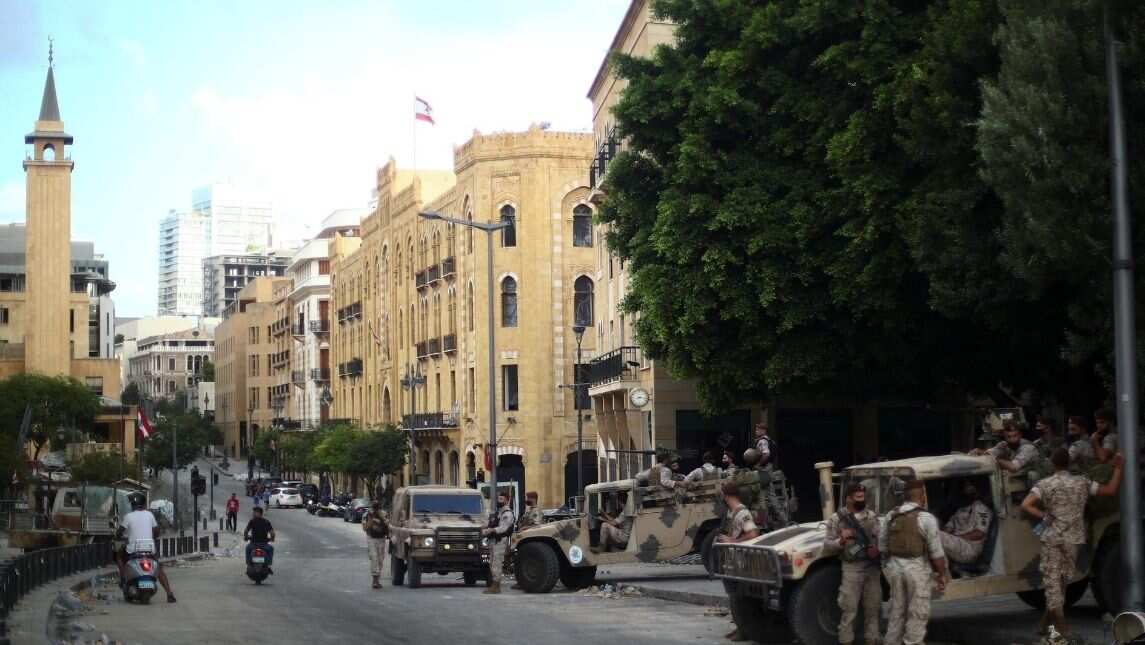
End corruption, protesters demand
Anger boiled over into violent scenes in central Beirut on Saturday. Those protests were the biggest since October when thousands of people took to the streets to demand an end to corruption, bad governance and mismanagement.
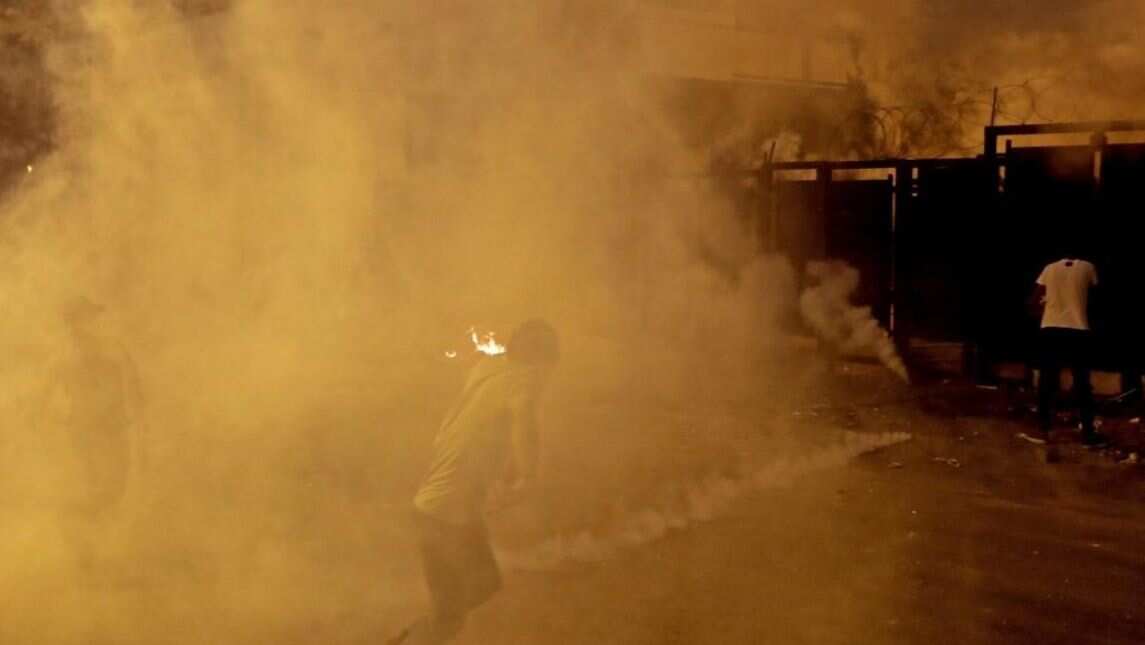
Government promises action
The prime minister and presidency have said 2,750 tonnes of highly explosive ammonium nitrate, which is used in making fertilisers and bombs, had been stored for six years without safety measures at the port warehouse. The government has said it will hold those responsible to account.
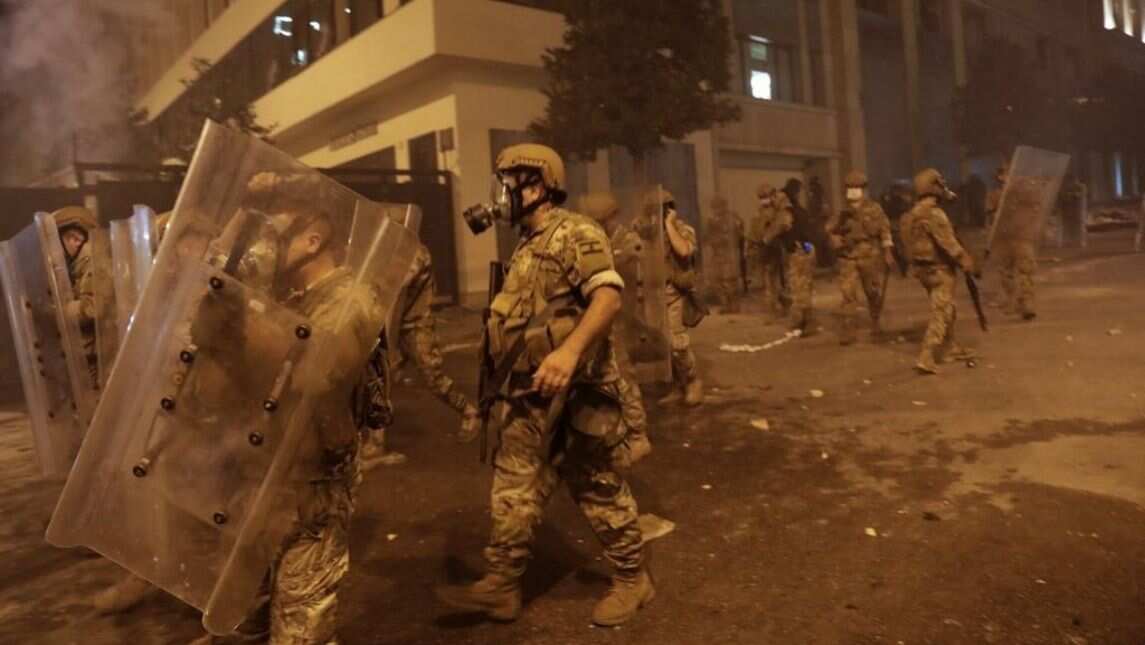
A battle zone
About 10,000 people gathered at Martyrs' Square, which was transformed into a battle zone in the evening between police and protesters who tried to break down a barrier along a road leading to parliament. Some demonstrators stormed government ministries and the Association of Lebanese Banks. One policeman was killed and the Red Cross said more than 170 people were injured in clashes.
)
)
)
)
)