Change in climate changing Asia's rivers

Limiting global warming
The 2015 Paris agreement saw nations commit to limiting global warming to two degrees Celsius above pre-industrial levels as a way of curbing the worst impacts of global warming.
A lower cap of 1.5°C was set, only as a goal for nations to work towards. But this year's Hindu Kush-Himalaya (HKH) Assessment Report says unless it is met — two-thirds of the region's glaciers will be lost by the end of the century.
Water tower
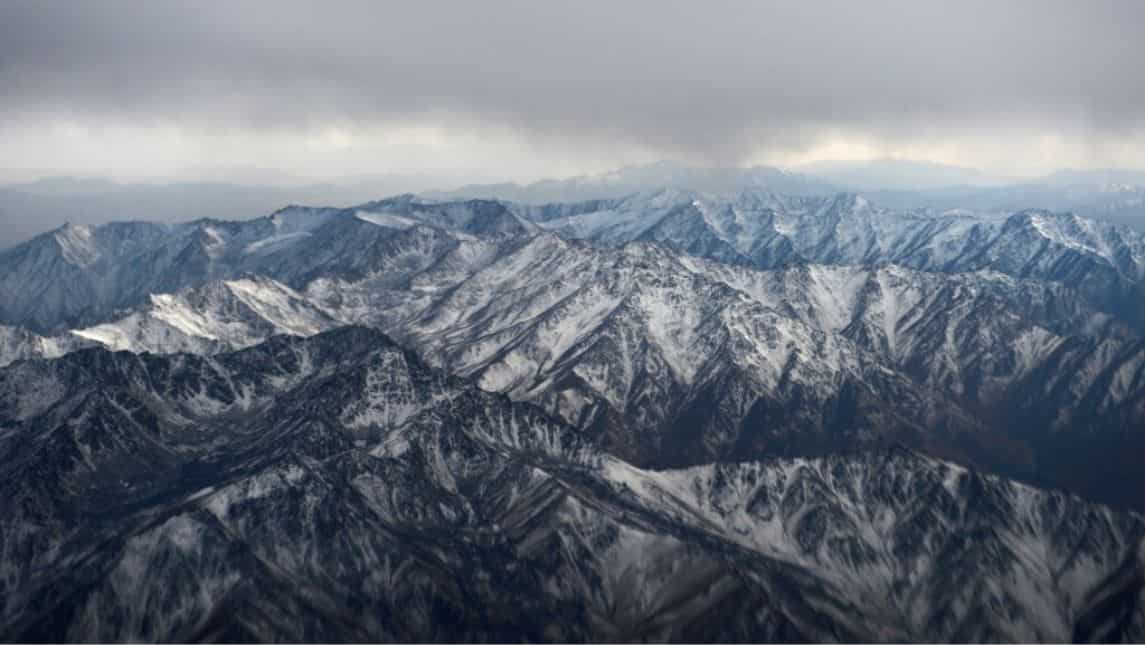
Running from Afghanistan to Myanmar, the Hindu Kush-Himalayan region takes in the Tibetan Plateau, and the Himalaya, Hindu Kush, and Karakoram mountain ranges.
Functioning as a vast water tower, some of the world's largest and most important rivers, including the Brahmaputra, Yangtze, Mekong and Indus, begin here.
Its health is inextricably linked to that of the continent: Some 1.65 billion people directly rely on these waters — for their lives and livelihoods.
Climate crisis you haven't heard of
"This is the climate crisis you haven't heard of," ICIMOD's Philippus Wester explains, adding that alongside glacier melt, there will be increased risk of floods, droughts, landslides and avalanches.
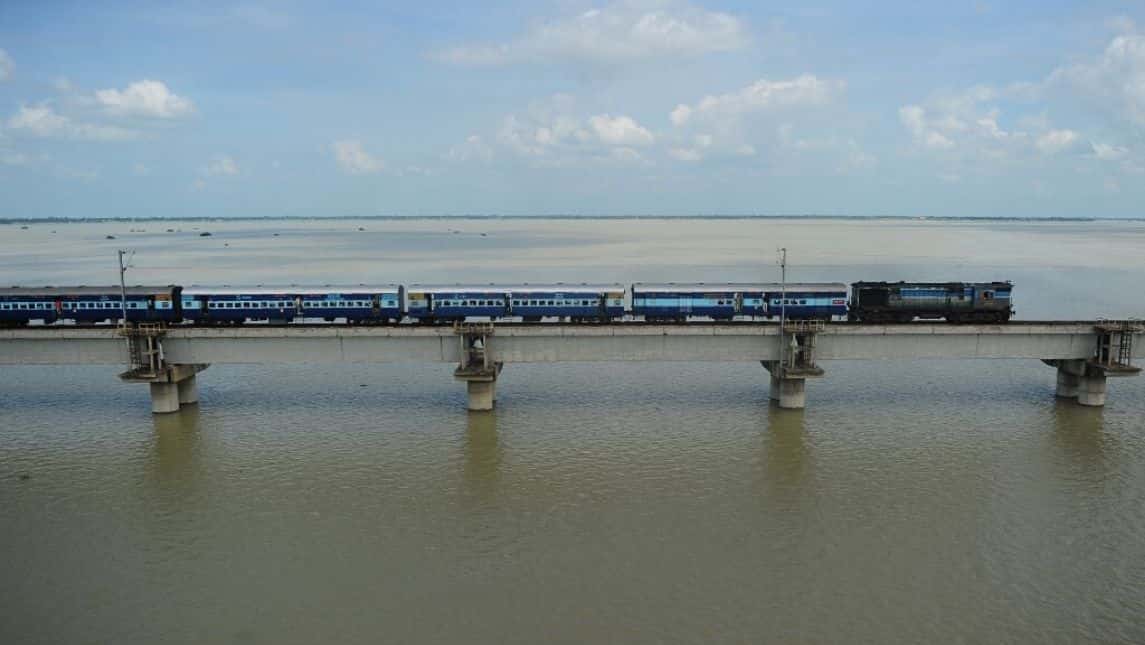
Northern India was lashed by flooding as the Brahmaputra and Ganges rivers burst their banks, with more than 100 reported dead and many more displaced. In Pakistan, thousands of glacial lakes have formed, with its mountain people facing the threat of at least 30 bursting.
In the southern Indian city of Chennai, 2019 brought a drought so severe reservoirs ran dry. Residents were forced to queue for water from government tanks or pay black-market prices. In some cases, desperation led to violence.
Rapidly diminishing potable water
More than half the world's population lives in Asia, but there is less fresh water available per person there than on any continent, according to the UN, often leaving the most vulnerable at risk.
"Climate change is rapidly diminishing our access to clean water, which will have a devastating impact on human health, access to food, and sanitation, radically reshaping communities and cities," Philip Alston, UN Special Rapporteur on extreme poverty and human rights, tells sources.
"As always, the poorest people are and will be the most affected."
Breadbaskets and rice bowls
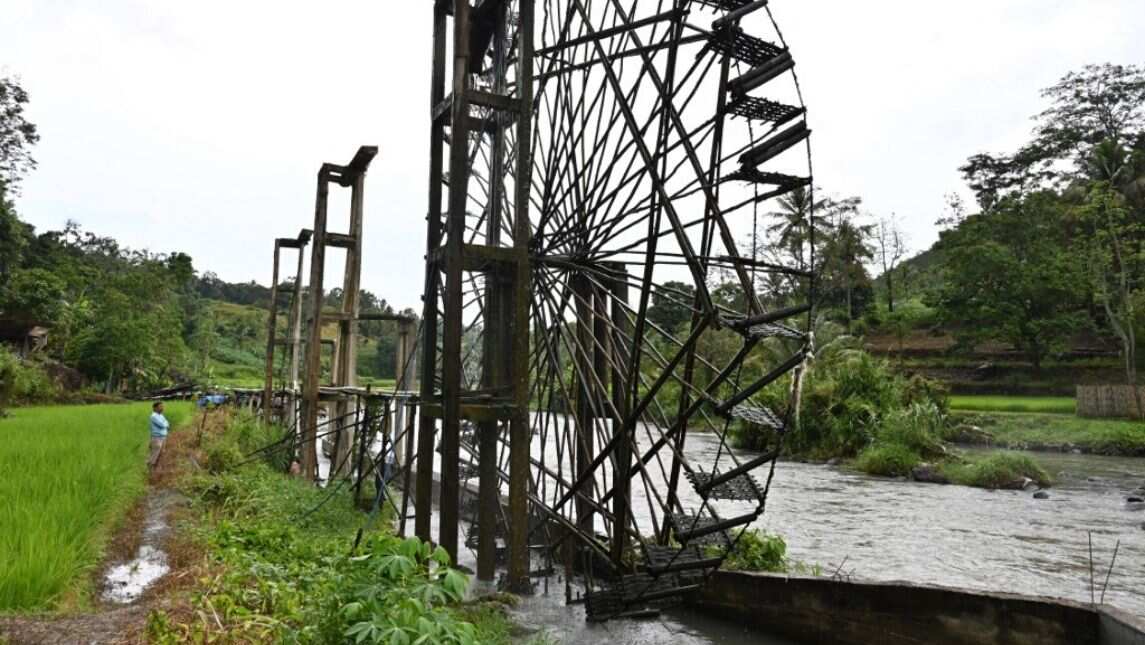
Asia's rivers feed the continent's breadbaskets and rice bowls — the Indus, Yangtze, and Yellow basins rely heavily on meltwater to irrigate agriculture that helps sustain not only those that live there, but national economies too.
Any change - either the initial surge of meltwater - or the later drastic decline in river flow could cause catastrophic food shortages, with Molden warning the worst-case scenario, if nothing is done to combat global warming, would be "starvation and conflict".
Despite proclamations that we are in "the Asian Century", there are fears lack of proper planning for the coming water crisis may stifle the economic dreams of a rapidly growing region.
Triple threat
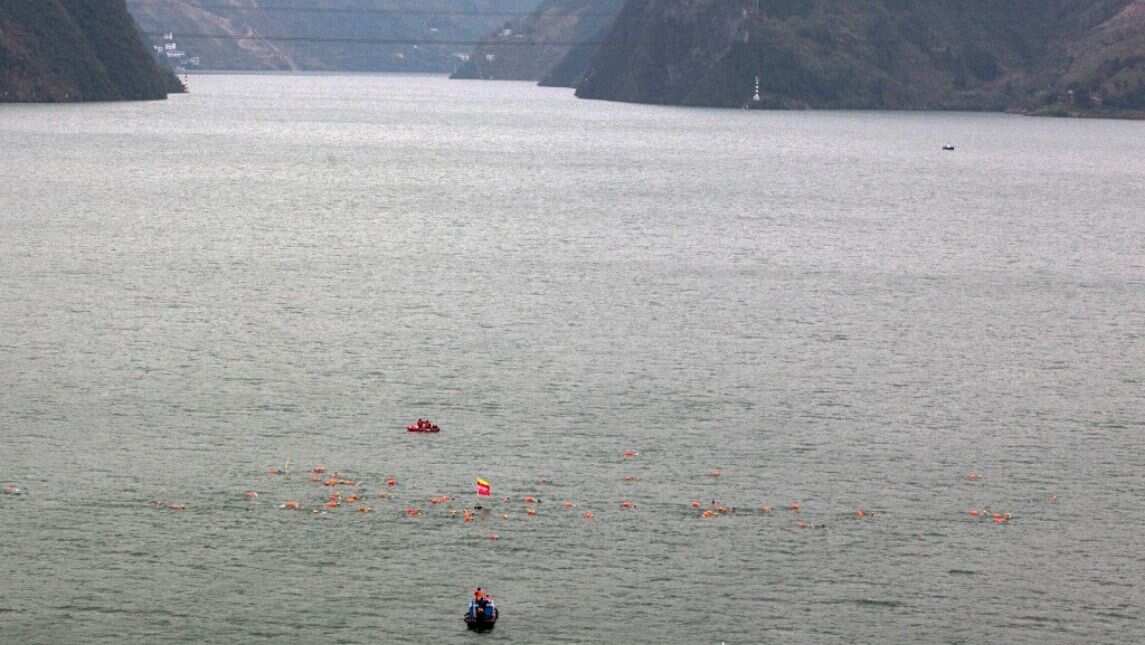
Debra Tan, director of the NGO - China Water Risk, adds: "Asia faces a triple threat in terms of water because some parts - including China and India - have very limited water resources to develop, climate change exacerbates scarcity, and our cities and populations are clustered along vulnerable rivers."
Every key industry on the continent — from electronics and automobiles to clothing and agriculture — requires water but few use the resource judiciously.
Irrigation methods are often inefficient and crops grown can be water-intensive, while many industries still discharge untreated water in the rivers with few facilities for recycling.
Tan insists: "If the risks are not managed well, they will not only have detrimental consequences to billions of livelihoods but also to trillions of dollars of economic growth."
Water wars
In a 2008 report, Goldman Sachs hailed water as the "the petroleum for the next century", underlining fears its scarcity will lead to unrest.
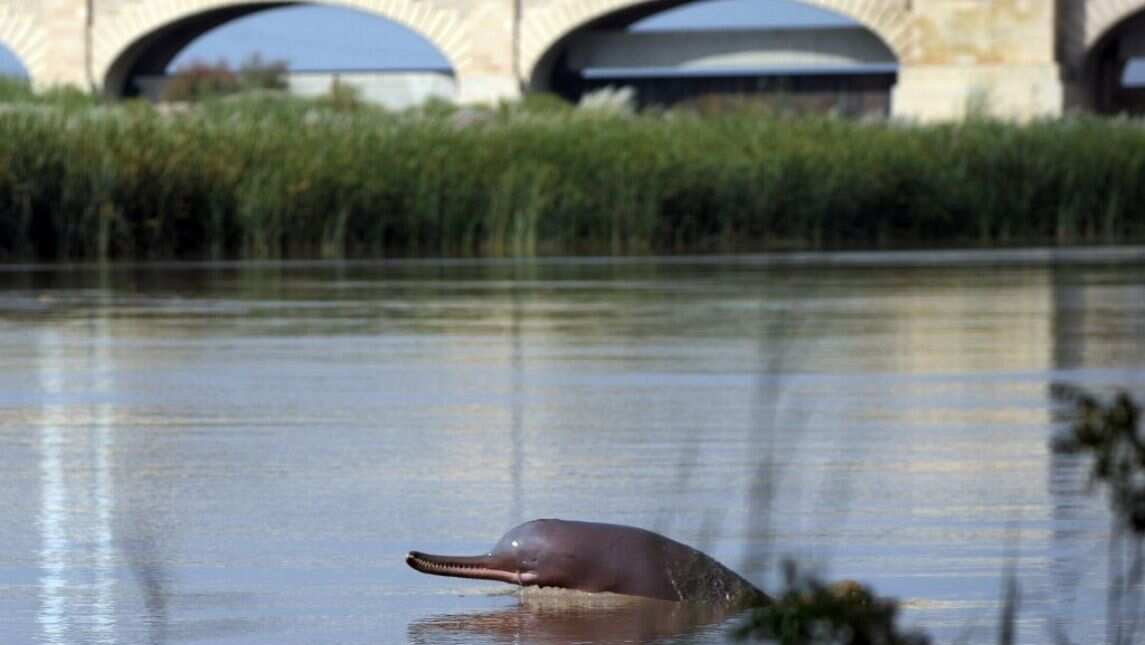
Already ranked among the planet's most water-stressed nations according to the World Resources Institute, India and Pakistan's access to the Indus and its tributaries is governed by a dedicated treaty.
But there have long been fears that India, which sits upstream, could weaponise the resource, as it has threatened more than once to restrict Pakistan's access.
Flood control
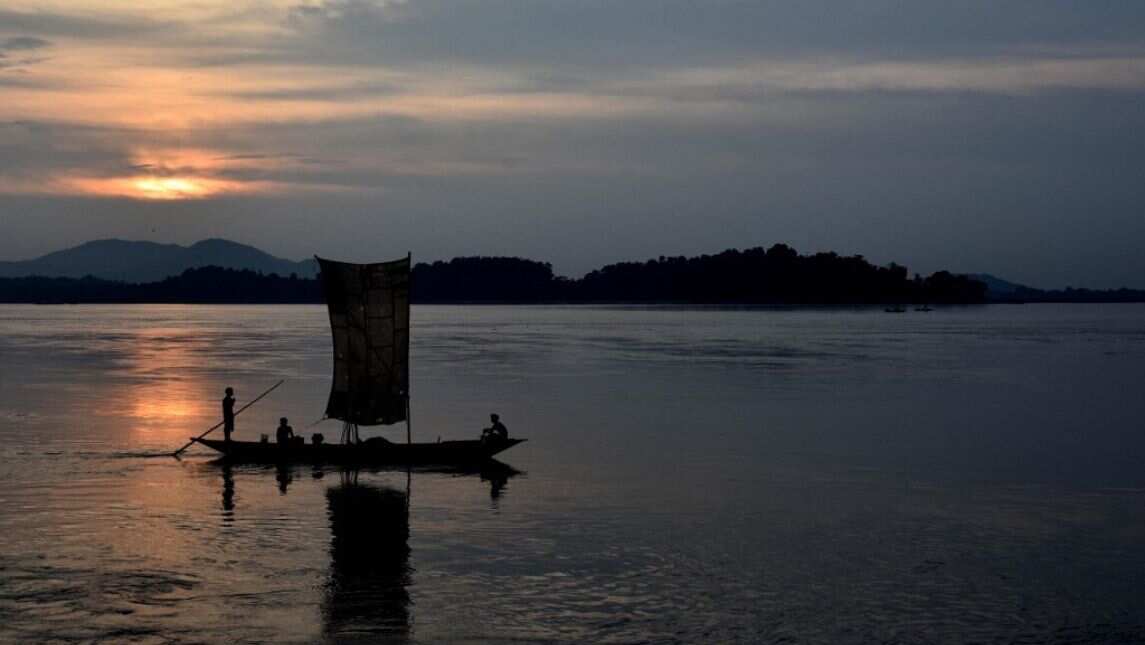
In 2017, China withheld hydrological data on the flow of the Brahmaputra and Sutlej rivers, which flow from its territory into India. The move heightened tensions with New Delhi as authorities rely on upstream information for flood control.
Dry season
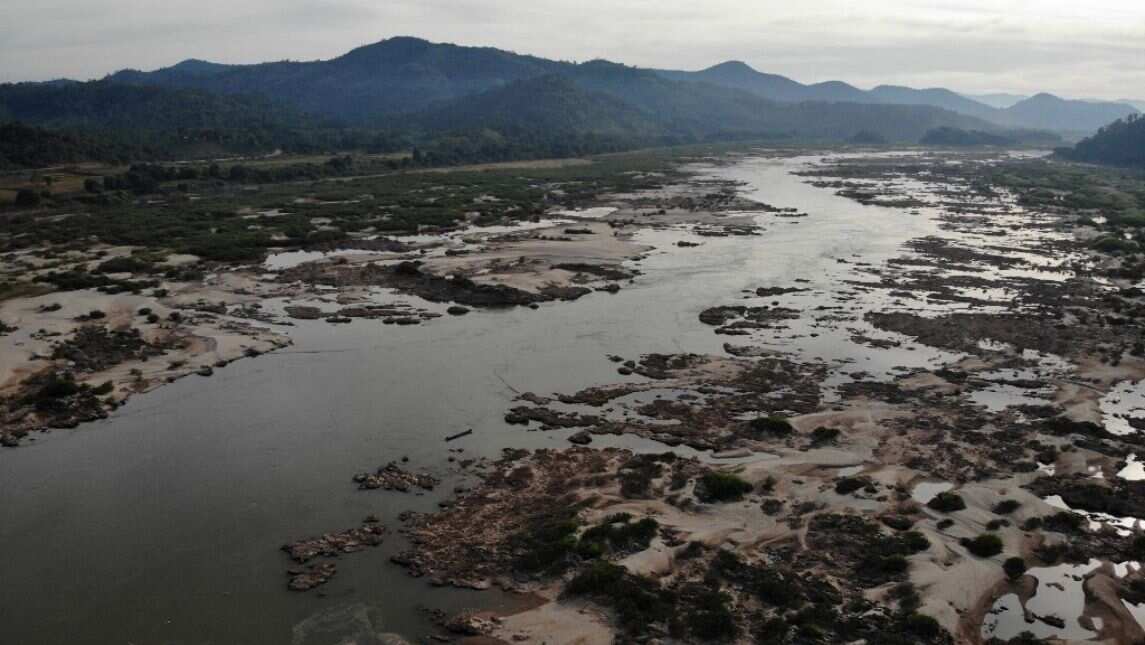
Geopolitics may dictate the very survival of the Mekong, says Brian Eyler, South East Asia programme director for The Stimson Center.
There are more than 100 dams across the five countries that rely on the river. China alone has built 11 "mega-dams" which impact flow downstream in the dry season.
The issue is not just the loss of water flow, but also diminishing sediment and a decline in migratory fish downstream.
Homeless and destitute
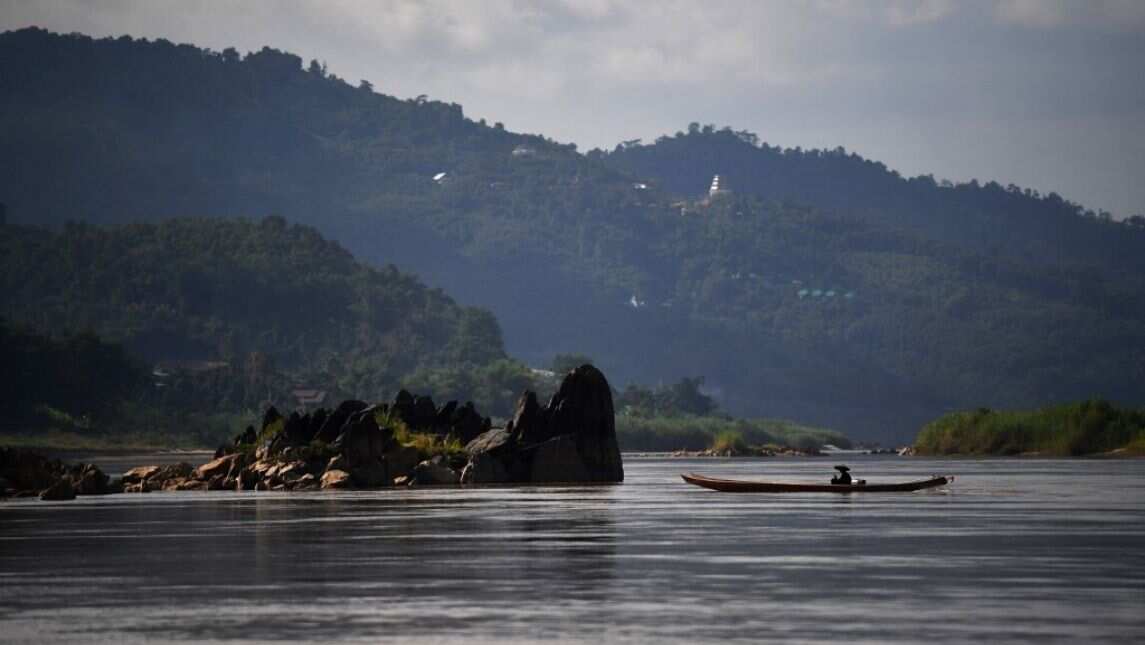
"Cambodia's Tonle Sap Lake produces 500,000 tons of wild-caught fish per year and this feeds the Khmer people with 70 percent of their protein intake. Vietnam needs sediment to keep its delta agricultural production strong," Eyler says.
Without the sediment, a key building block of any delta, the Mekong's wetlands may slip into the ocean faster — leaving millions homeless and destitute.
Alston says: "Governments need to stop taking access to clean water for granted and urgently plan for how they will guarantee the right to water for everyone, not just those who can afford it."
)
)
)
)
)