Census 2027 starts: Why counting over 1.4 billion Indians matters for policy and representation

The exercise, which is India’s 16th Census and the eighth since Independence, formally began on April 1 with the House Listing and Housing Census phase.
A long-delayed census finally begins
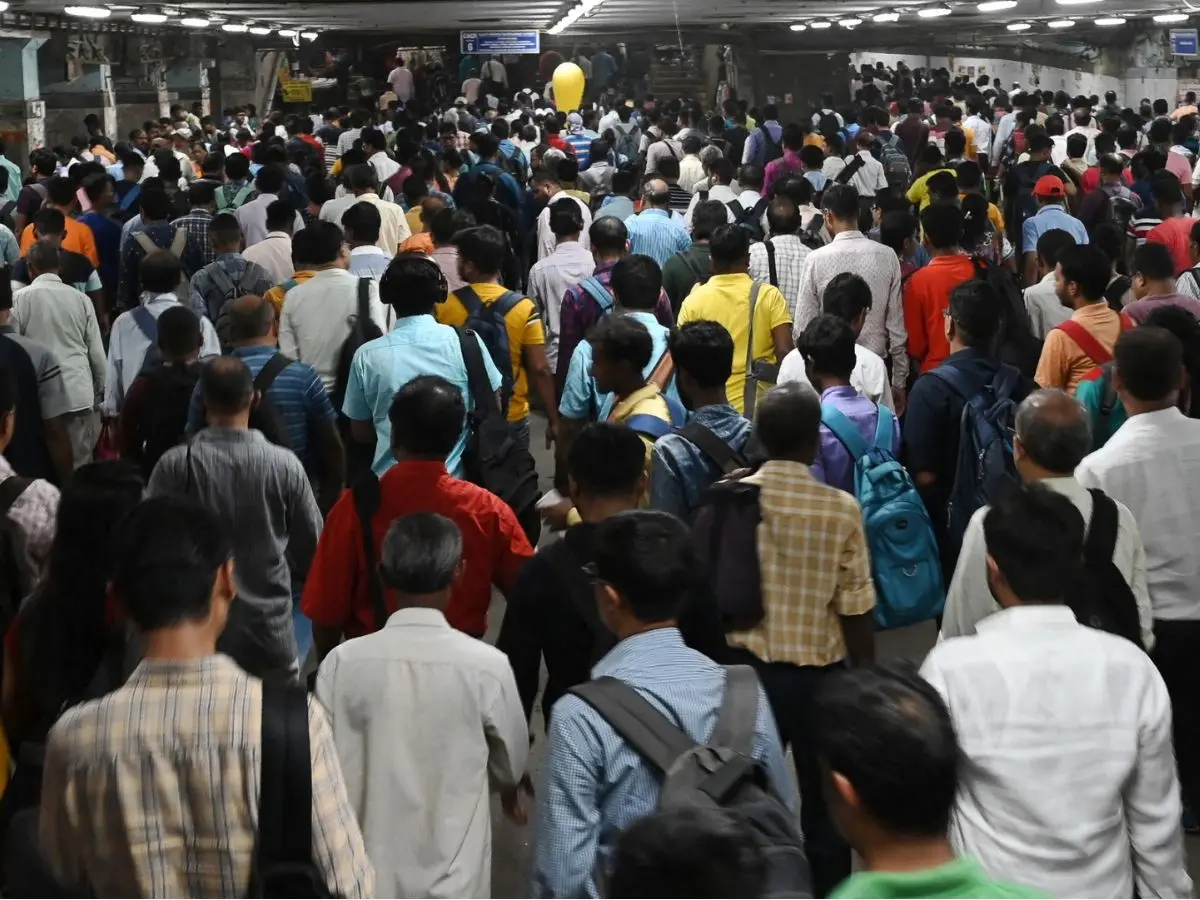
India has begun Census 2027, the world’s largest population enumeration exercise. Originally scheduled for 2021 but delayed due to the COVID-19 pandemic, the exercise will cover a population now estimated at over 1.4 billion, up from 1.21 billion in 2011, reinforcing India’s position as the most populous nation. The self-enumeration process has already commenced in several states, including Sikkim and Odisha. The exercise, which is India’s 16th Census and the eighth since Independence, formally began on April 1 with the House Listing and Housing Census phase. This phase will be conducted across states and Union Territories in a staggered manner.
First fully digital population count
For the first time, the census will be conducted digitally, combining door-to-door surveys with online self-enumeration. Data will be collected through mobile applications and multilingual platforms integrated with mapping tools, marking a shift in how large-scale population data is gathered and processed.
Structure and scale of the exercise
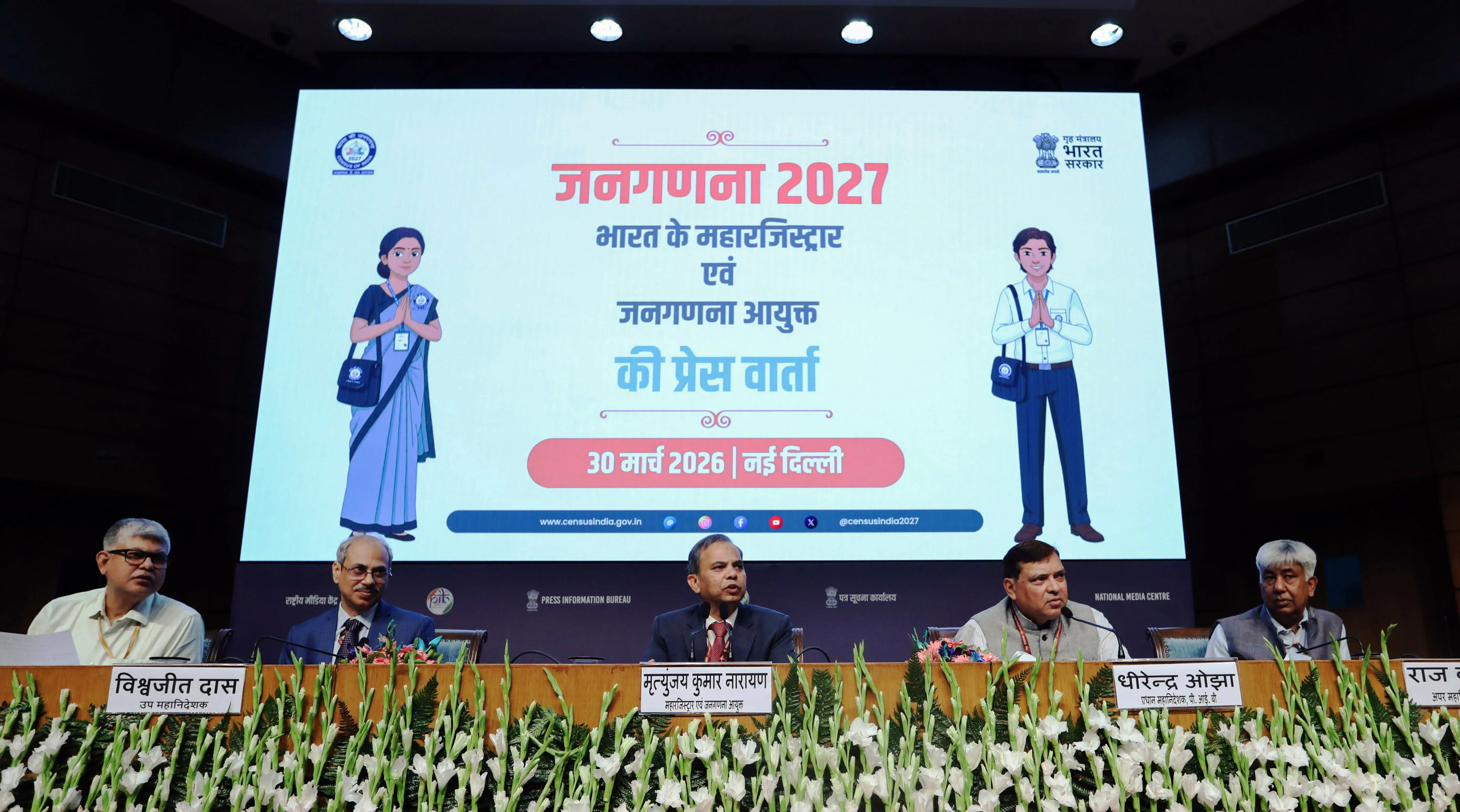
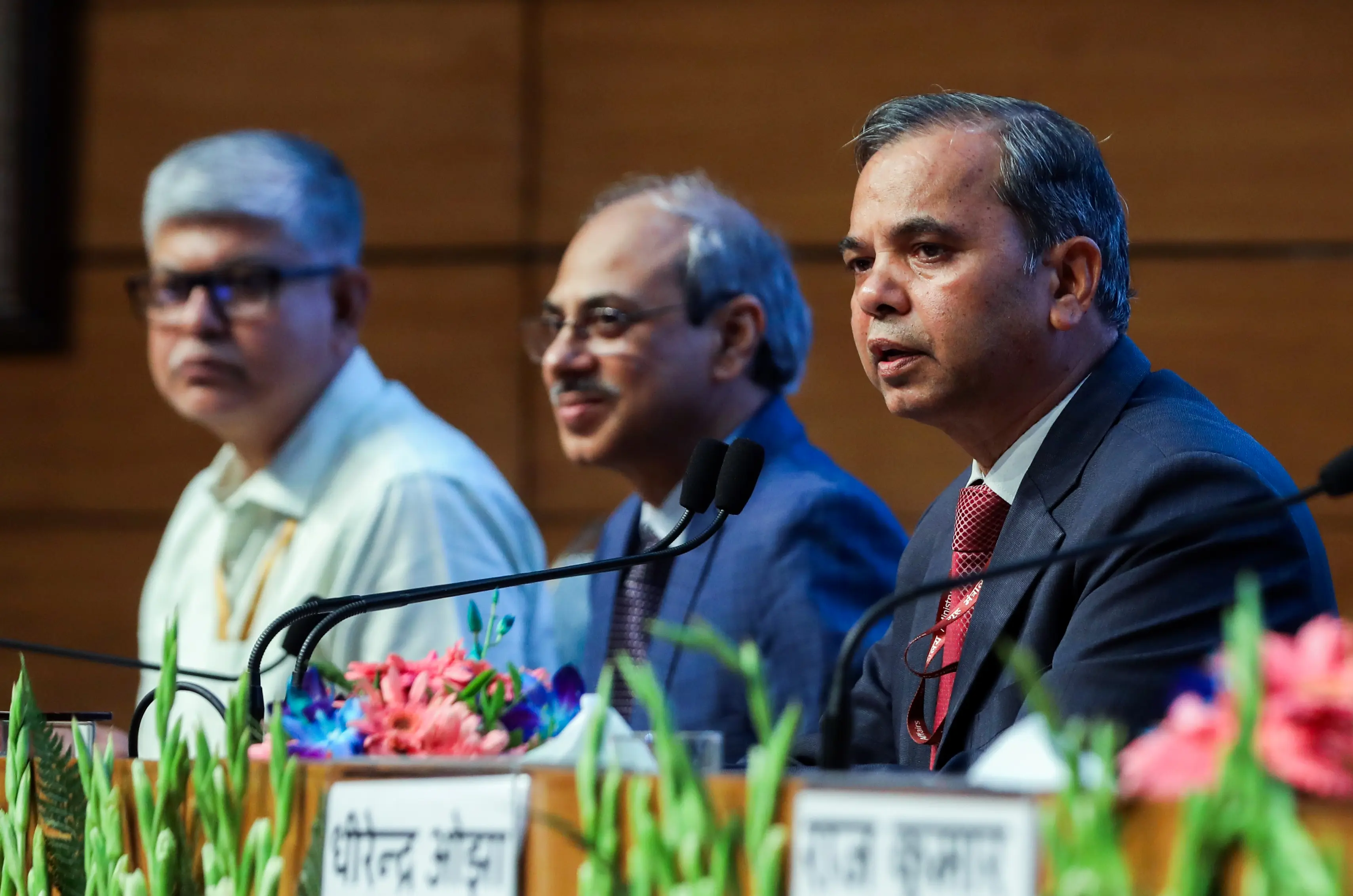
The census will be conducted in two phases: House Listing and Housing Census from April to September 2026, followed by Population Enumeration in early 2027. Addressing a press conference in New Delhi, Mritunjay Kumar Narayan said it would be “the world’s largest enumeration”, involving over 3 million personnel.
Why census data is critical for welfare
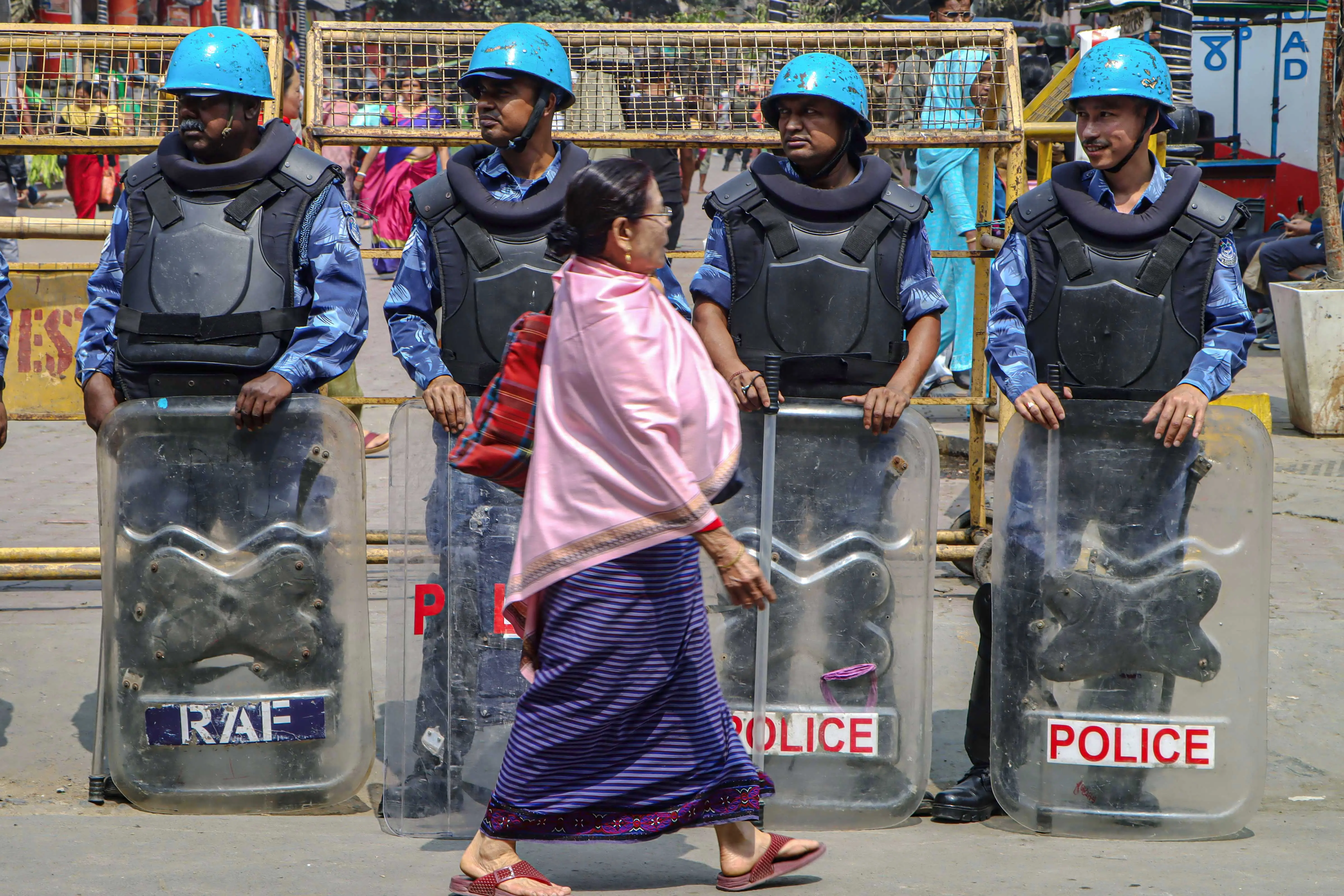
Census data forms the backbone of government welfare programmes. It determines how subsidies, food distribution, housing schemes and healthcare resources are allocated. Without updated population data, targeting benefits efficiently becomes difficult, increasing the risk of exclusion or misallocation. More than 3 million government workers are expected to be deployed over the course of the year. In 2011, nearly 2.7 million enumerators surveyed more than 240 million households nationwide.
Role in economic planning and development
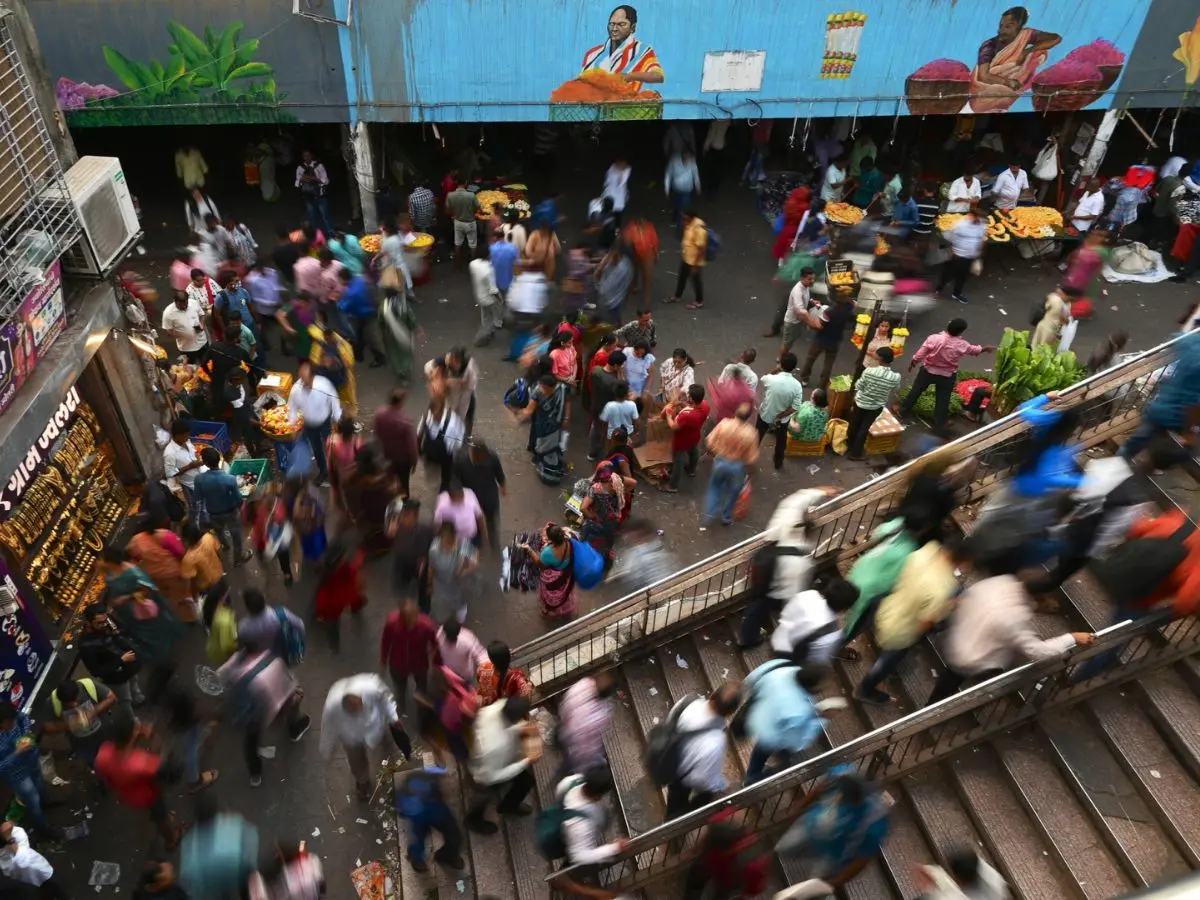
Accurate population data is essential for infrastructure planning, employment strategies and urban development. It helps governments assess demand for schools, hospitals, transport and housing, and guides long-term economic policies based on demographic trends such as migration, fertility and workforce participation.
Political impact and representation
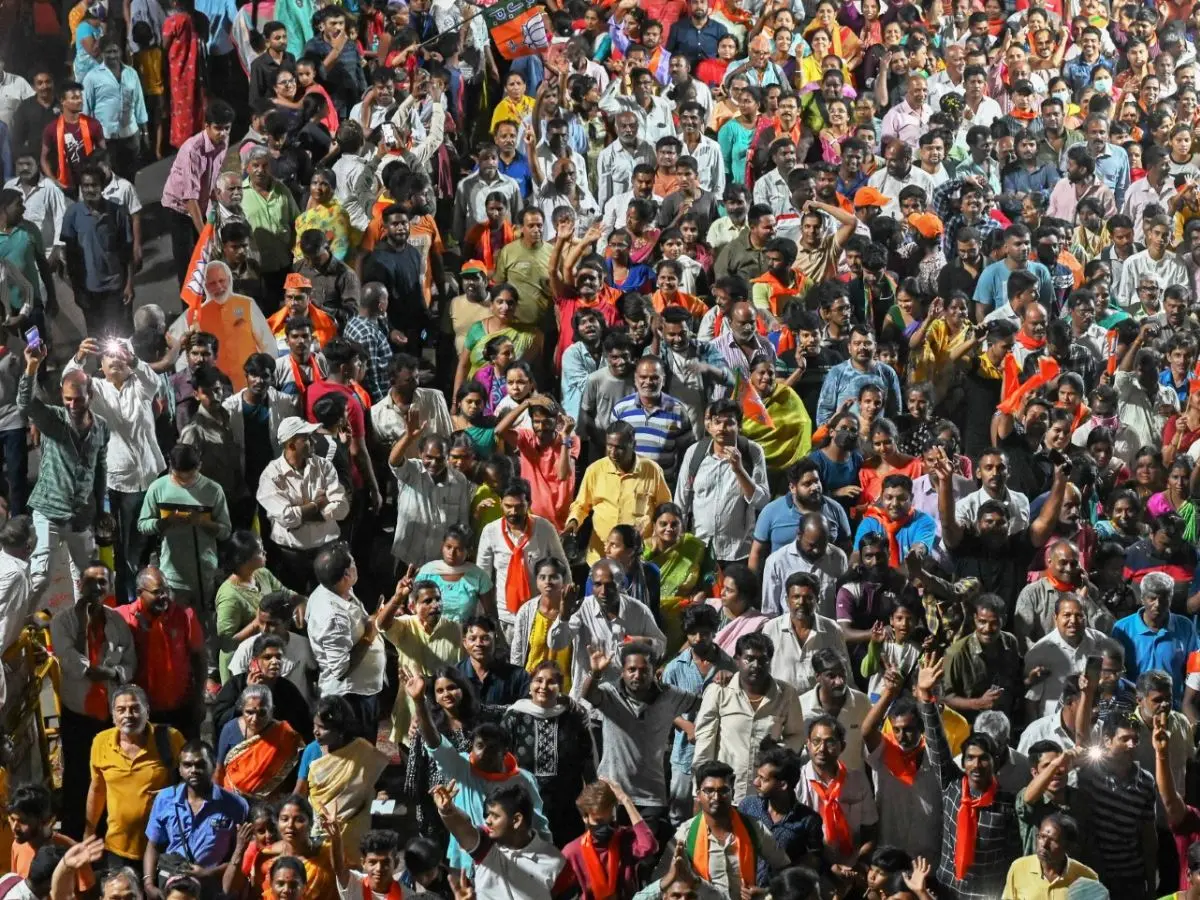
Census findings could lead to a redrawing of parliamentary and state assembly constituencies. Population changes may alter seat distribution, directly affecting political representation. With provisions such as one-third reservation for women in legislatures, any revision in seat numbers could have significant implications for governance.
Caste data and social policy implications
The inclusion of caste enumeration in the second phase adds significant weight to the exercise. India has not conducted a comprehensive caste count since 1931, and post-Independence censuses, beginning in 1951, have been limited to counting Dalits and Adivasis, classified as Scheduled Castes and Scheduled Tribes, who are eligible for specific government benefits. A broader caste enumeration could provide updated data on social hierarchies, potentially reshaping debates around affirmative action and social justice. However, successive governments have resisted such an exercise, citing concerns that a full caste count could heighten social tensions and trigger unrest.
A foundation for future policymaking
Ultimately, Census 2027 will serve as a foundational dataset for the next decade. From welfare delivery to political representation and economic planning, its findings will influence nearly every aspect of governance, making it one of the most consequential administrative exercises in the country.
)
)
)
)
)