Census 2027 begins today: India’s first-ever digital population count, 7 key facts you must know

The exercise will blend in-person surveys with a digital option where residents can submit information through a multilingual smartphone application that integrates satellite-based mapping.
World’s largest population exercise underway
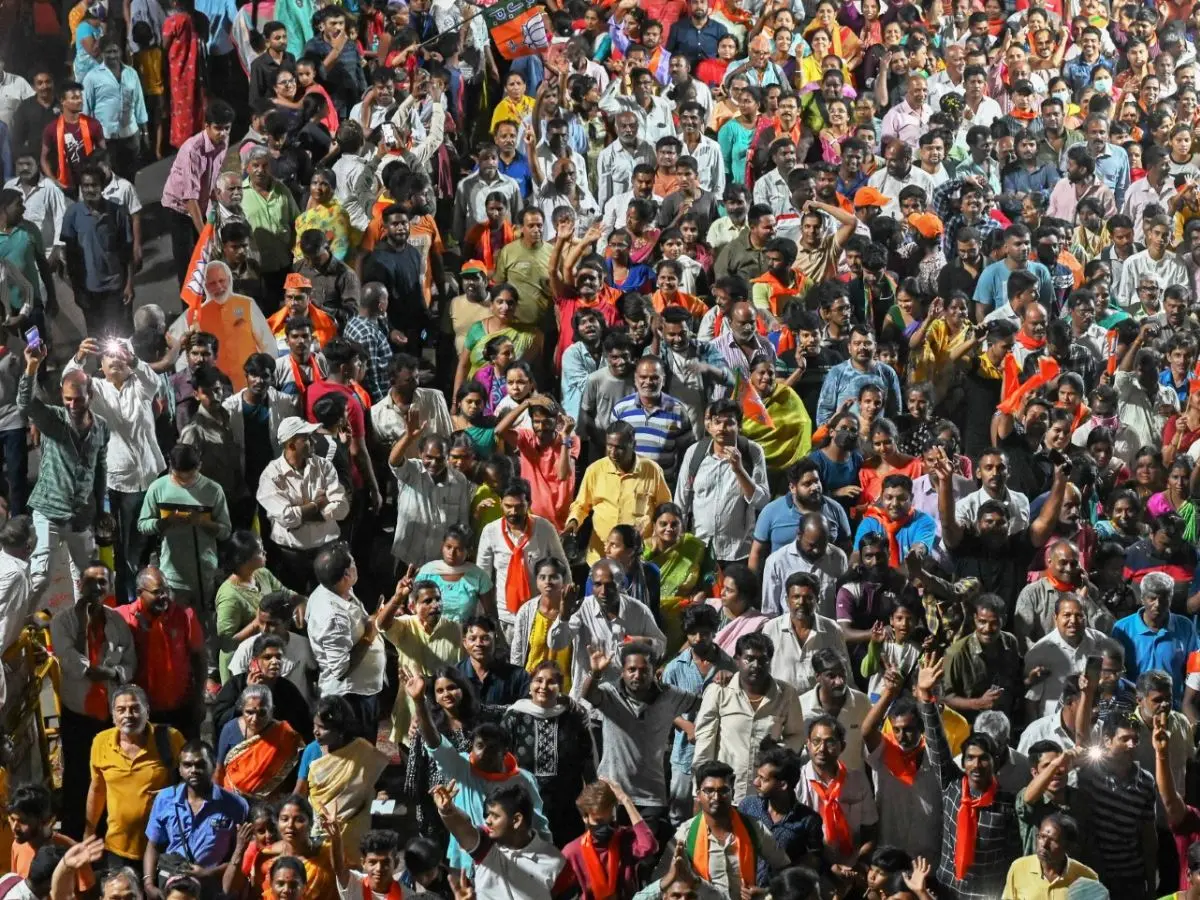
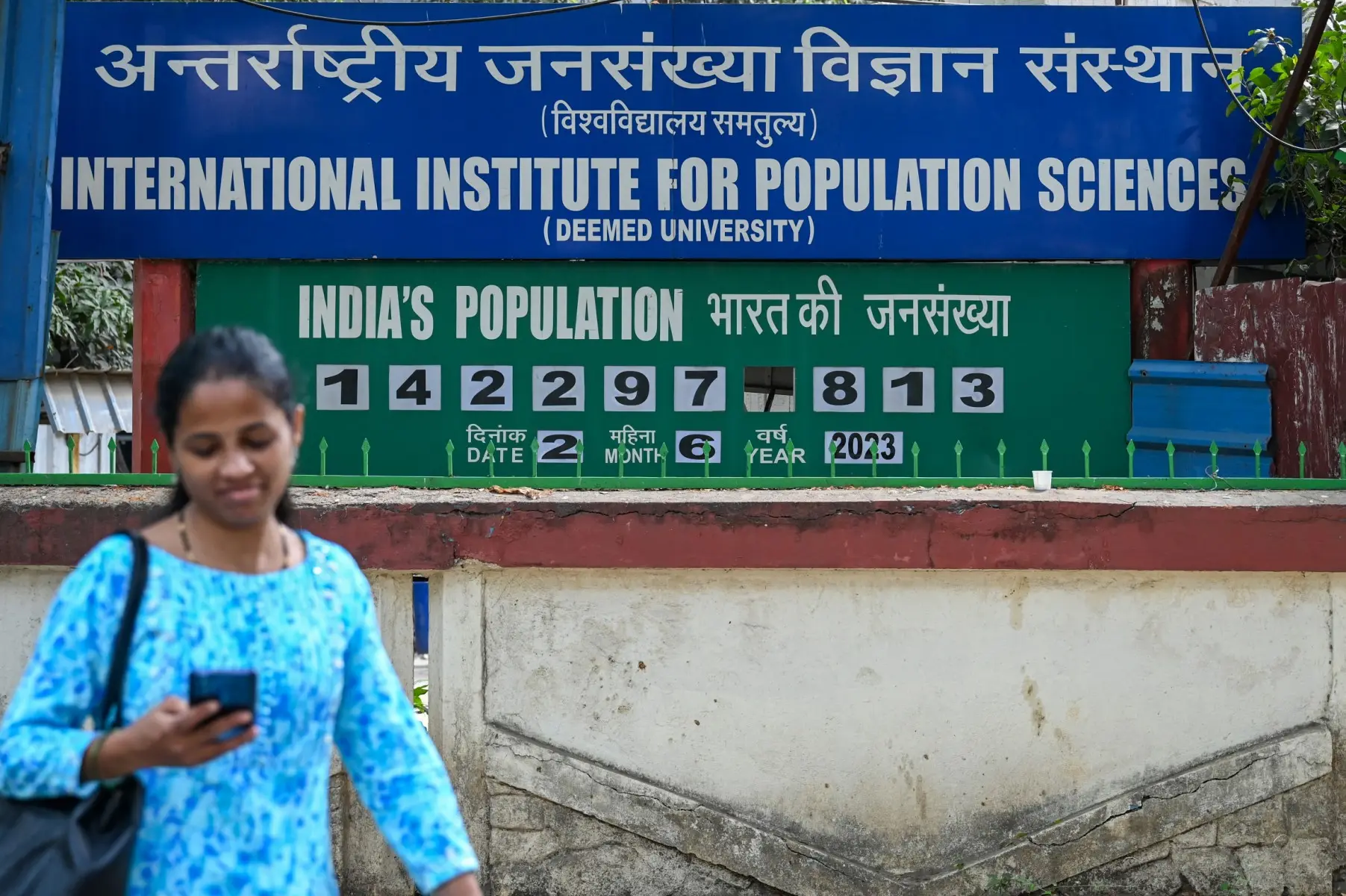
India will begin the first phase of Census 2027, marking the start of the world’s largest population enumeration exercise. The count, delayed from 2021 due to the COVID-19 pandemic and logistical challenges, is expected to cover a population now estimated at over 1.4 billion, up from 1.21 billion recorded in 2011.
1. First-ever digital census with self-enumeration
For the first time, the census will be conducted digitally, combining traditional door-to-door surveys with a self-enumeration option. Citizens can submit their details through a secure, multilingual online platform and mobile application available in 16 languages, integrating satellite-based mapping.
2. Two-phase structure of the census
The exercise will be conducted in two phases. The first phase, House Listing and Housing Census (HLO), will run from April to September 2026, with self-enumeration available for a 15-day window before field visits. The second phase, Population Enumeration (PE), is scheduled for early 2027.
3. What data will be collected
During the HLO phase, enumerators will gather information on housing conditions, amenities and assets. The second phase will capture detailed demographic and socio-economic data, including education, migration, fertility, religion and caste, with caste enumeration formally included.
4. Scale and manpower involved
Over 3 million government workers are expected to be deployed for Census 2027, compared to around 2.7 million in 2011. They will survey hundreds of millions of households across urban and rural areas, making it one of the most extensive administrative exercises globally.
5. Key dates and regional variations
March 1, 2027, has been set as the reference date for most of the country, while snow-bound regions such as Ladakh and parts of Jammu and Kashmir, Himachal Pradesh and Uttarakhand will use October 1, 2026. The first phase has already begun in several states, with staggered timelines across regions.
6. Cost, security and significance
The Union government has approved an outlay of over Rs. 11,700 crore for the exercise. Authorities have emphasised that 'necessary measures for data security have been taken', urging citizens to provide accurate information. As the 16th Census and the eighth since Independence, the exercise is expected to play a critical role in shaping welfare policies, resource allocation and political representation across the country.

7. Geo-tagging and digital tracking of households
A major feature is the use of digital tools such as GPS and geo-tagging to map households and monitor enumeration in real time
)
)
)
)
)