Cash is still the king? Top 7 countries that use the most paper money — India’s rank will surprise you

Despite the global trend towards digital payments, Cash is still used on a daily basis in several places globally. During the last 10 years, following the growth of digital payments, the use of actual money, notes and coins, has decreased by about 1 per cent to 2 per cent annually.
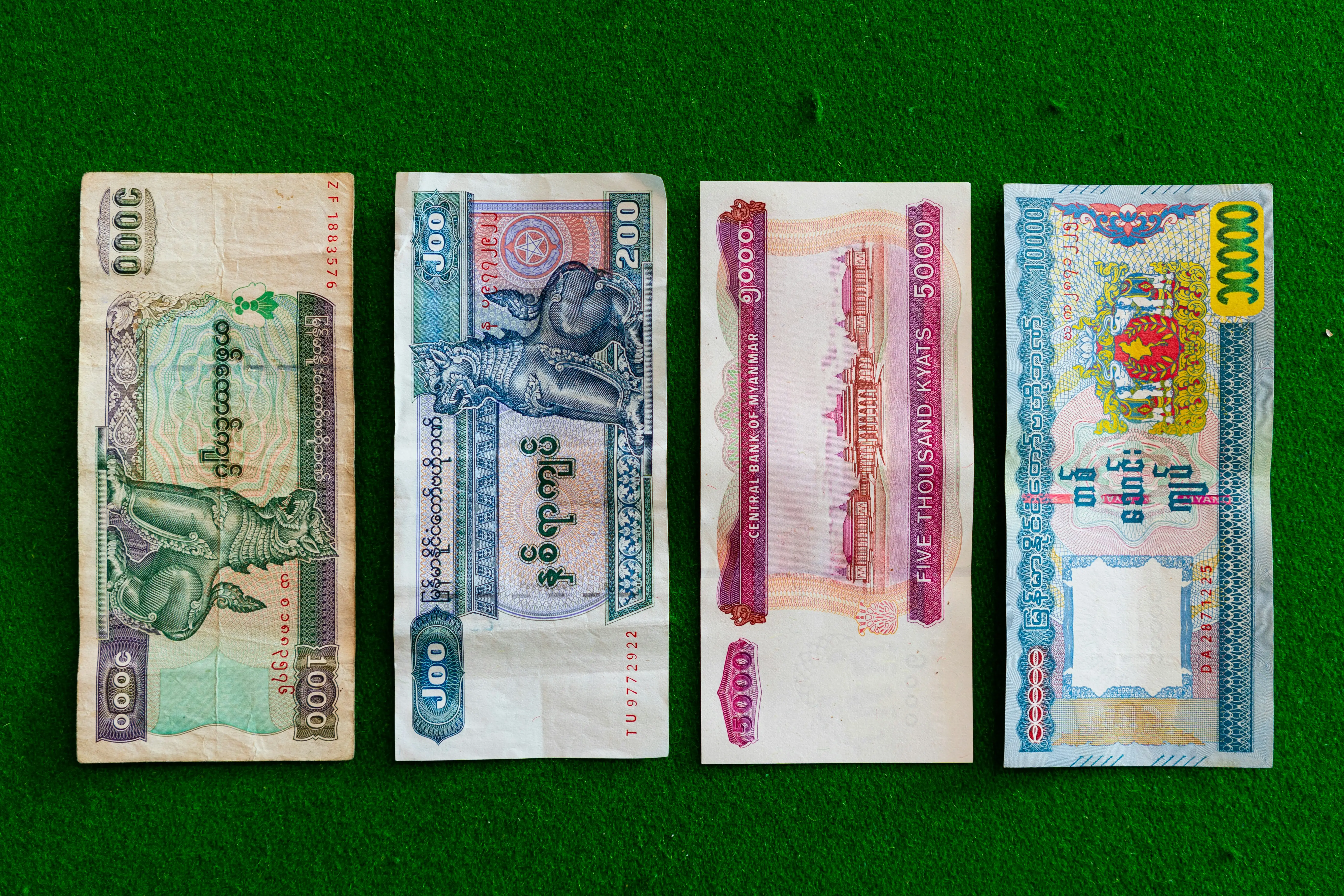
1. Myanmar (98 per cent)
Myanmar leads globally with 98 per cent of daily transactions conducted in cash. Limited banking infrastructure, especially outside urban centres, and widespread distrust in formal financial systems contribute to this heavy reliance. Cash remains vital for privacy and is essential in Myanmar's large informal economy, according to data in Forex.se.

2. Ethiopia (95 per cent)
Ethiopia has about 95 per cent of daily transactions in cash, ranking second globally, driven by low banking penetration and limited digital payment adoption. Rural areas dominate the economy, where cash is the preferred transaction method due to accessibility issues and trust in financial institutions. Cash enables everyday trade and commerce.
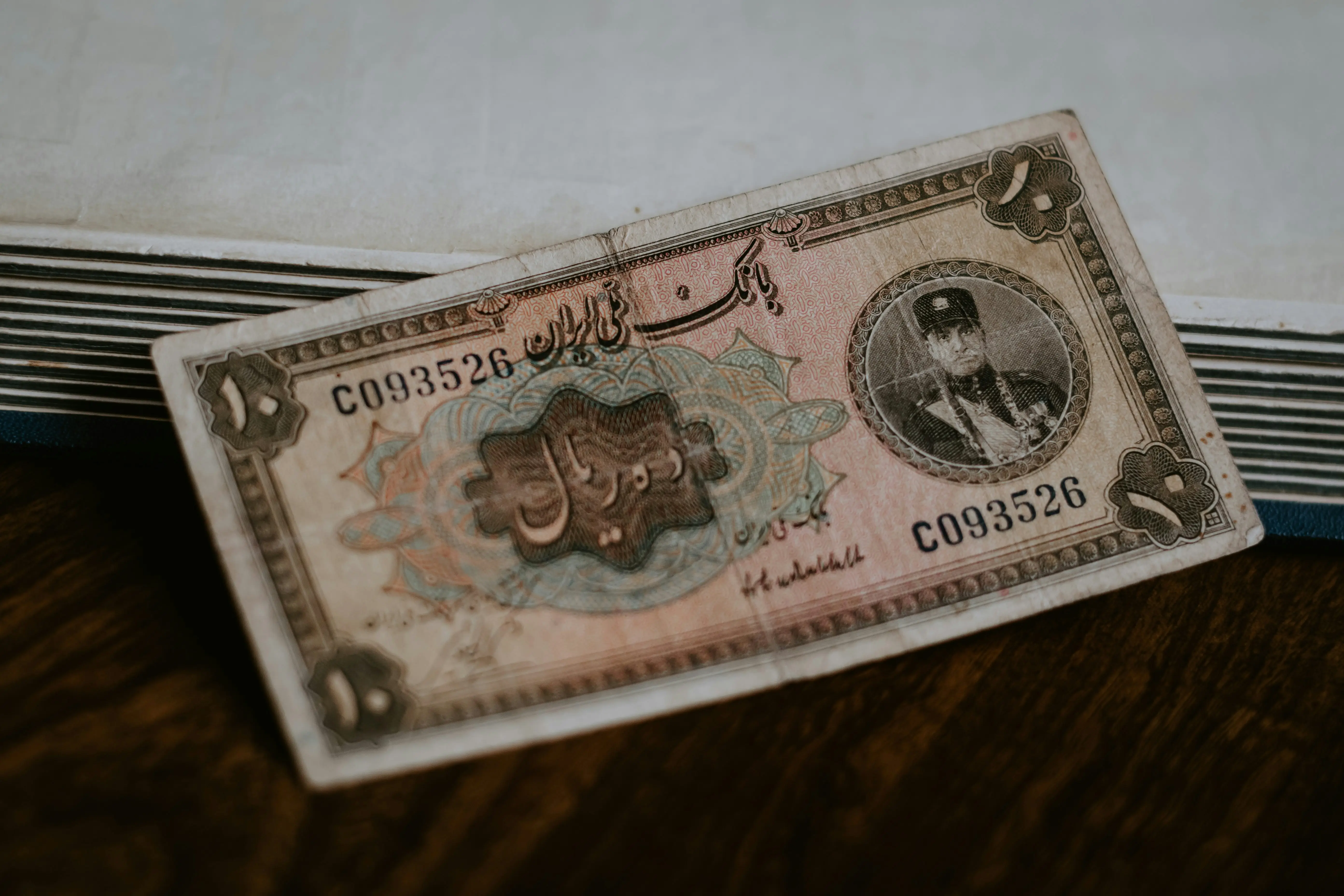
3. Gambia (95 per cent)
Gambia also reports 95 per cent of daily transactions in cash, reflecting a predominantly informal economy with limited financial inclusion. Digital infrastructure challenges and low access to banking services maintain cash's dominance. Cash transactions are deeply entrenched in Gambian daily life for goods and services.
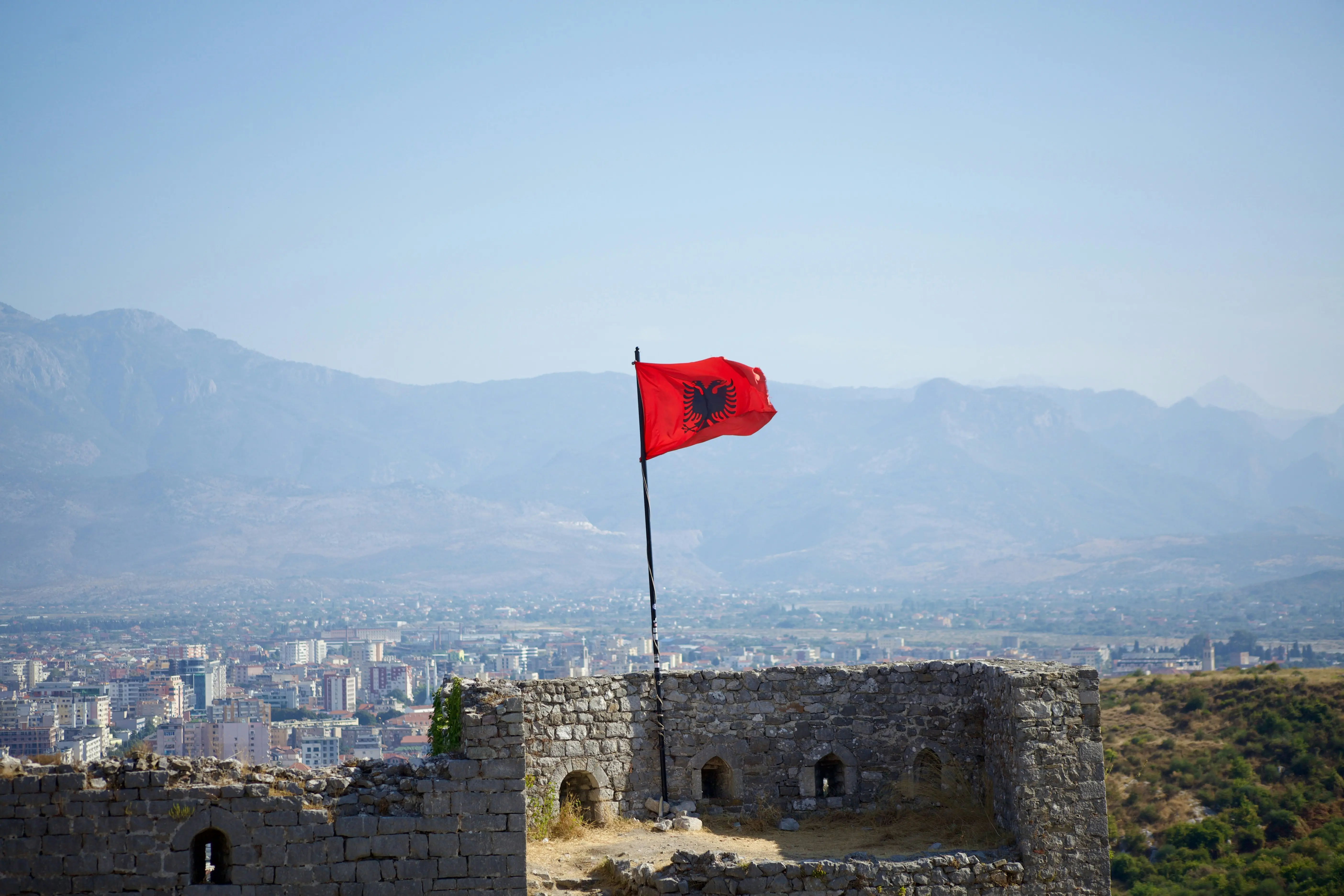
4. Albania (90 per cent)
Albania’s 90 per cent share of cash in daily transactions reflects cultural preference and limited adoption of card payments. Despite growing economic development, cash remains a principal transaction means for many, especially in retail and markets, where traditional payment methods persist.

5. Cambodia (90 per cent)
Cambodia’s daily cash use is around 90 per cent, fueled by rural communities’ limited bank access and a large informal sector. Though digital payment platforms grow in urban areas, cash remains the main medium for trade, reflecting infrastructure gaps and financial inclusion challenges.
6. Laos (90 per cent)
In Laos, 90 per cent of transactions are still cash-based due to limited digital infrastructure and banking services outside major cities. Rural populations rely heavily on cash for daily transactions, reflecting the economic landscape and slower digital adoption stages.
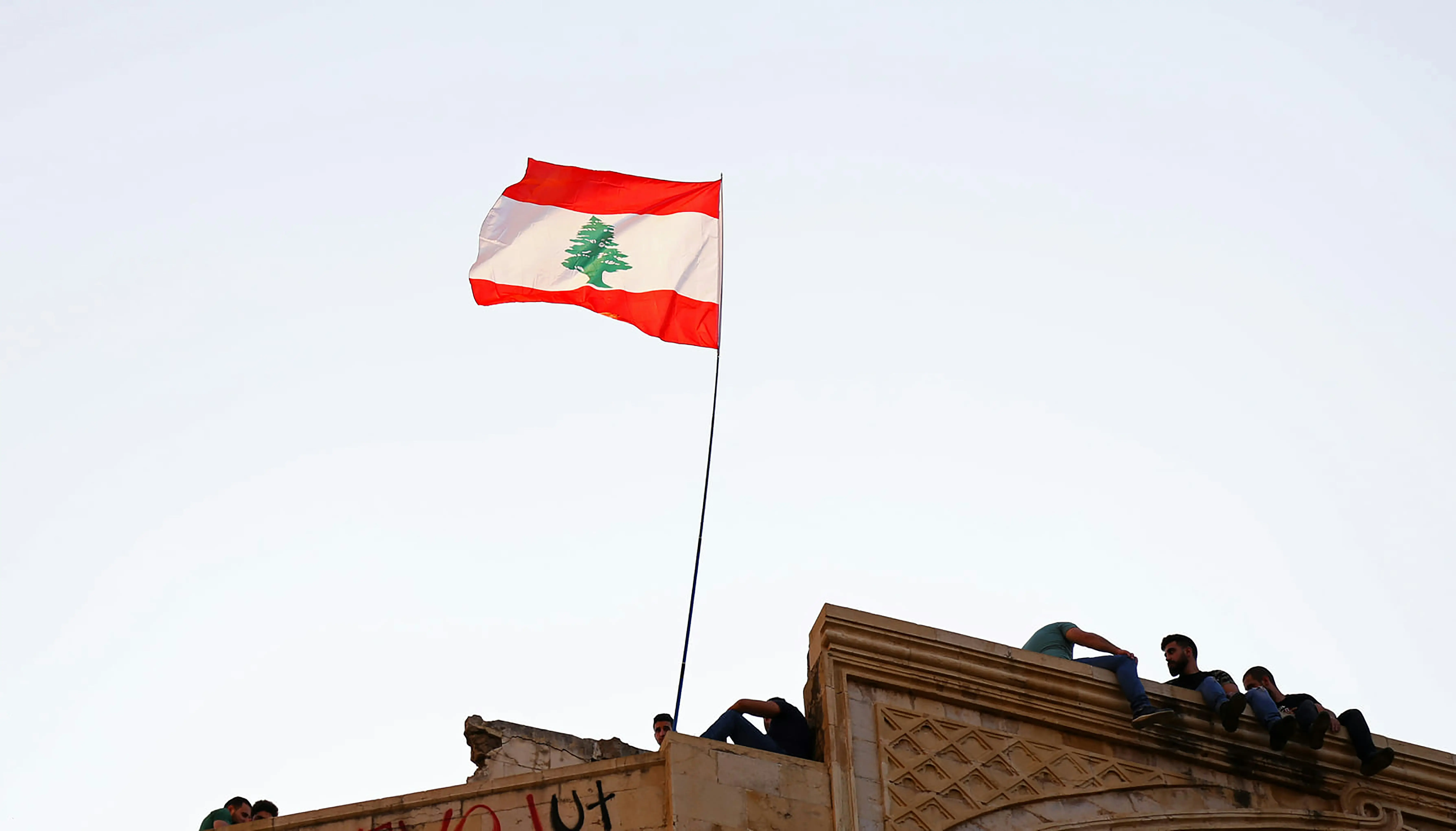
7. Lebanon (90 per cent)
Lebanon maintains 90 per cent cash transaction rates, impacted by economic instability and banking sector crisis. Cash provides immediate liquidity in a context of currency fluctuations, capital controls, and a lack of trust in formal financial institutions, sustaining high cash dependency.
India
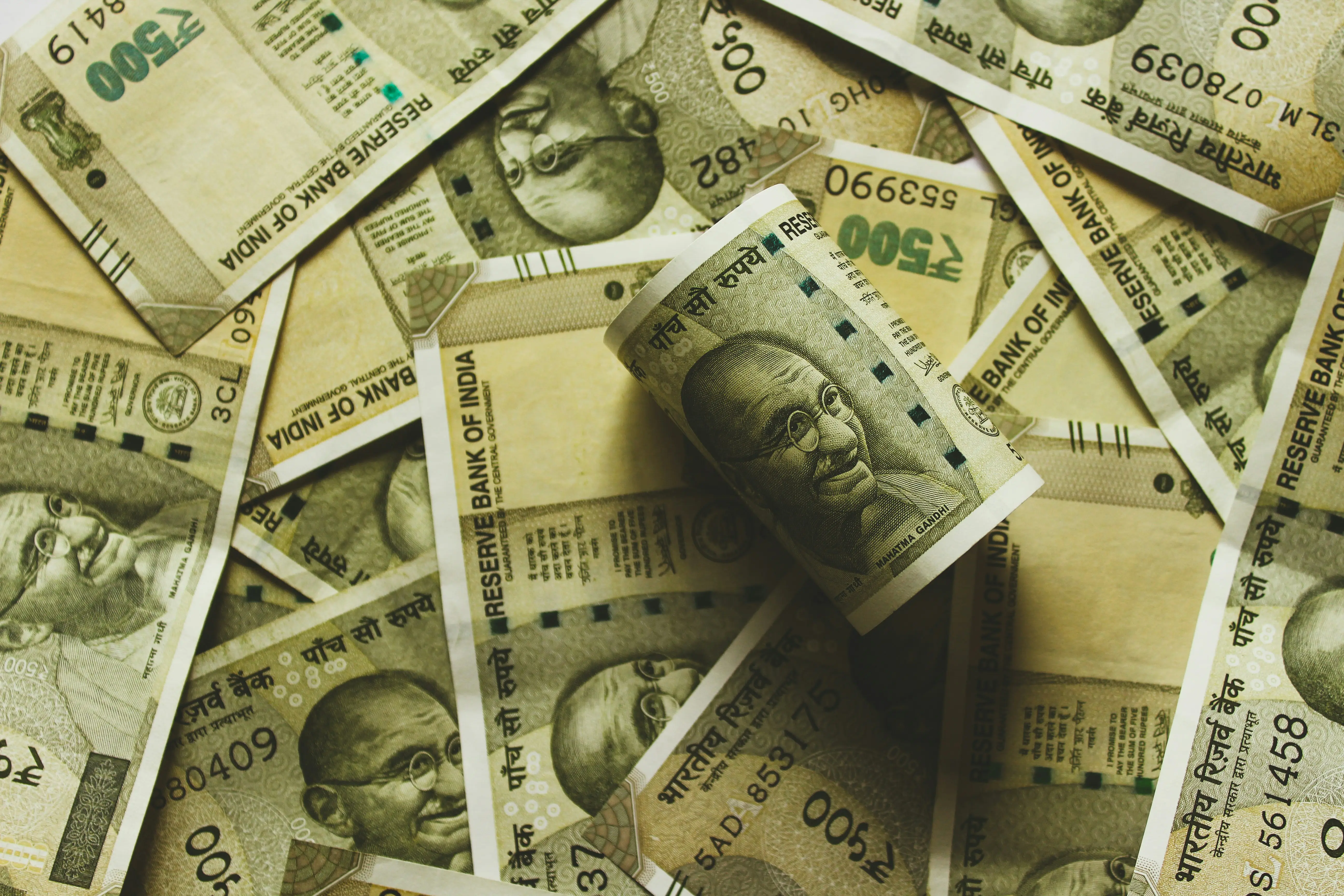
Around 70 per cent of transactions in India still use cash, but the country leads the digital payment revolution through UPI, enabling millions to easily send and receive money via smartphones, making digital payments fast and accessible for all. With this volume of cash transaction, India do not comes under top 10 nation in the world that use most cash.
)
)
)
)
)