Cars in India to run on alcohol? Govt set to issue draft rule for 85% ethanol-blended petrol: Here's why

India is set to introduce E85 fuel, a blend of 85% ethanol and petrol, with draft rules expected soon. Backed by market consensus and testing, E85 will be separate from E20 and require compatible engines, supporting cleaner energy and reducing oil dependence amid global supply concerns.
Ethanol 85 fuel
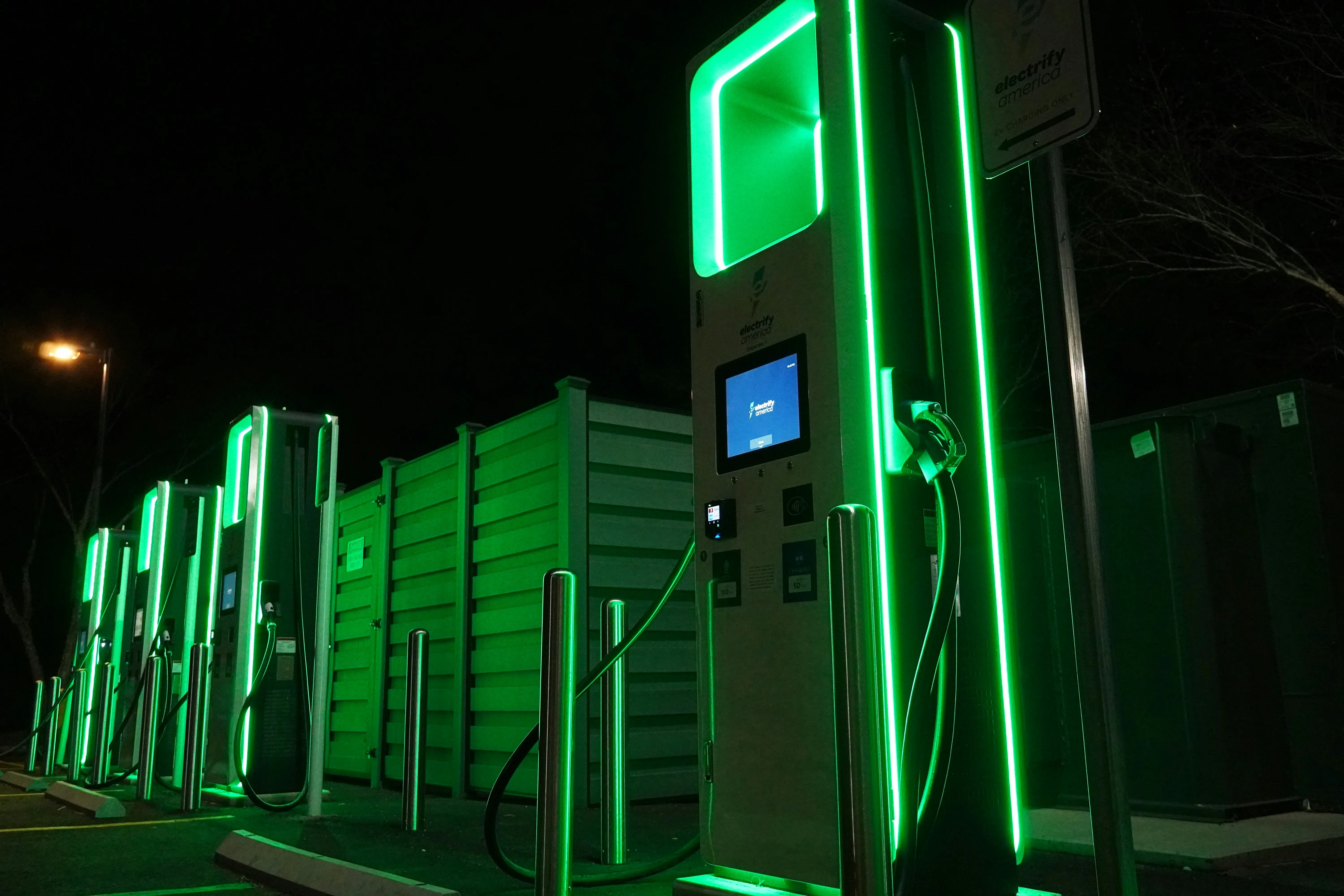
The Indian government is reportedly set to issue draft rules for E85, a fuel blend made up to 85 per cent ethanol and 15 per cent petrol. The decision was envisaged in 2016, which is likely to be placed into action during the oil crisis that grips the world due to Middle East conflicts. While a final date has not been declared yet, the official indicated that the roll-out is likely “in a couple of years”.
Officials on Ethanol 85 fuel
The draft rules for E85 were disclosed by a senior government official, indicating that the government will "very soon" issue the plan on the roll-out of Ethanol 85 (E85). "Draft regulations will be notified very soon. There is consensus within the government. There is also market consensus, and preliminary testing too has been carried out," The Hindu quoted the officials as saying, who decide to remain anonymous.
Market consensus
A senior official told ET Auto that a draft notification allowing 85 per cent ethanol blending (E85) in fuel is ready and likely to be issued soon. The official added that there is already broad agreement within the market, and initial vehicle testing for E85 has been completed.
E20 variant
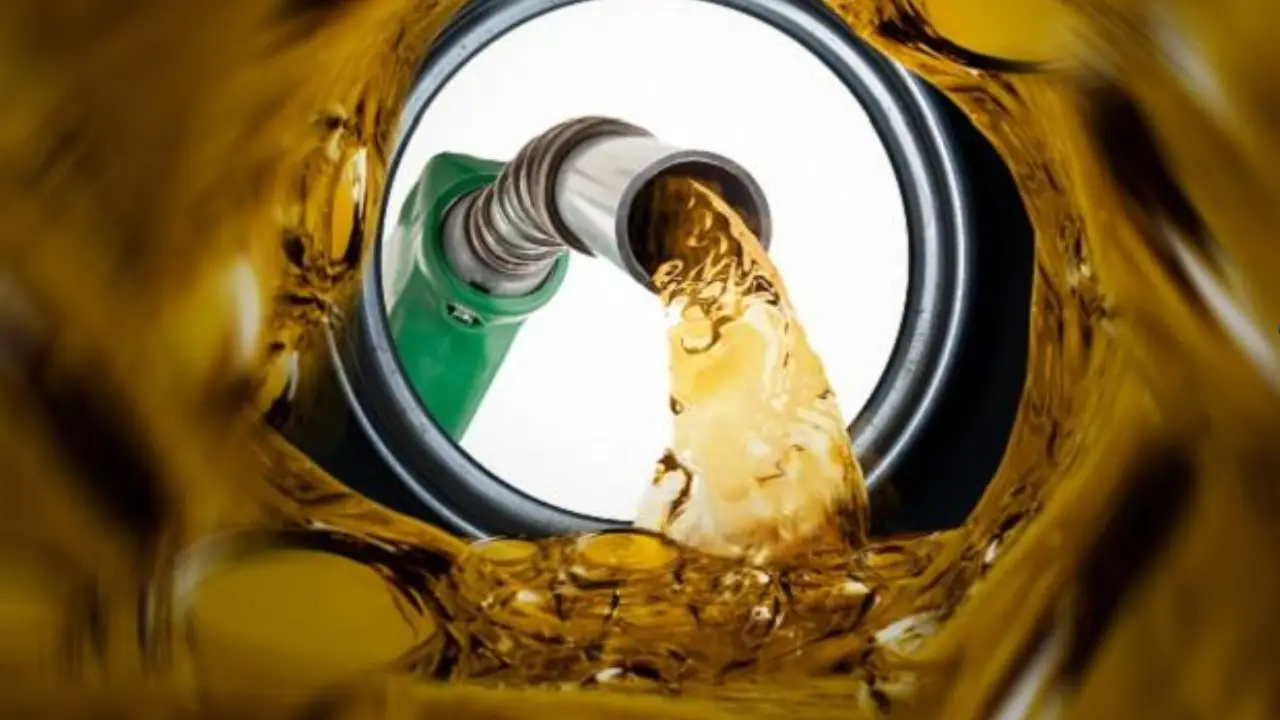
Reports indicate that E85 will be launched as a separate fuel category, different from the current E20 petrol, where ethanol blending can go up to 27 per cent. E20 petrol became mandatory nationwide from April 1, 2026. Higher ethanol blends like E85 will require compatible engines and dedicated dispensing systems at fuel stations, though E85-compatible engines can also run on lower blends such as E60 and E50.
Net-zero emission plans
Addressing rising demand for ethanol-blended fuels, including in aviation, where India targets 1 per cent blending in turbine fuel for international flights under global net-zero goals by 2050, the official said the country currently has surplus ethanol supplies.
How Ethanol is made?
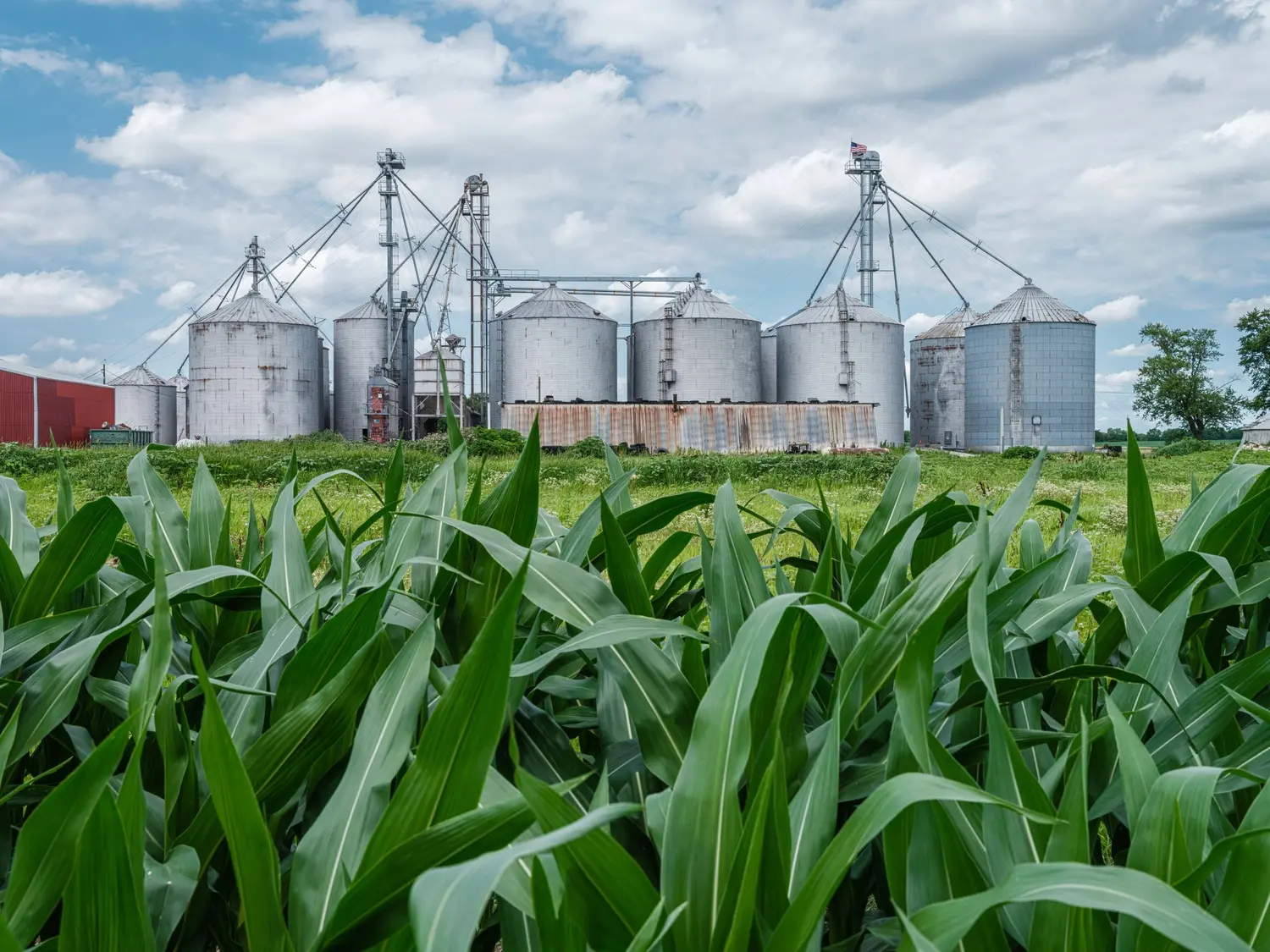
Ethanol is made from sugarcane, maize, or grain, acting as a renewable source of energy which is domestically produced, and has cleaner burning than pure petrol. Basically, it is prepared after fermenting plant-based sugars and starches (biomass) using yeast, primarily from corn or sugarcane. The process involves grinding feedstock, converting starch to sugar via enzymes, fermenting with yeast to create alcohol, and distilling to remove water. The final product is dehydrated to 99 per cent purity for fuel.
)
)

)
)