Carrier‑kill strategy? What could be Iran’s missile, drone & swarm boat plan against USS Abraham Lincoln & Gerald R. Ford

The question now is whether those aircraft carriers would be used for military strikes if the second round of talks does not go in the United States’ favour, and how Iran might defend itself in such a situation.
Naval Build-Up Shadows Renewed Nuclear Diplomacy
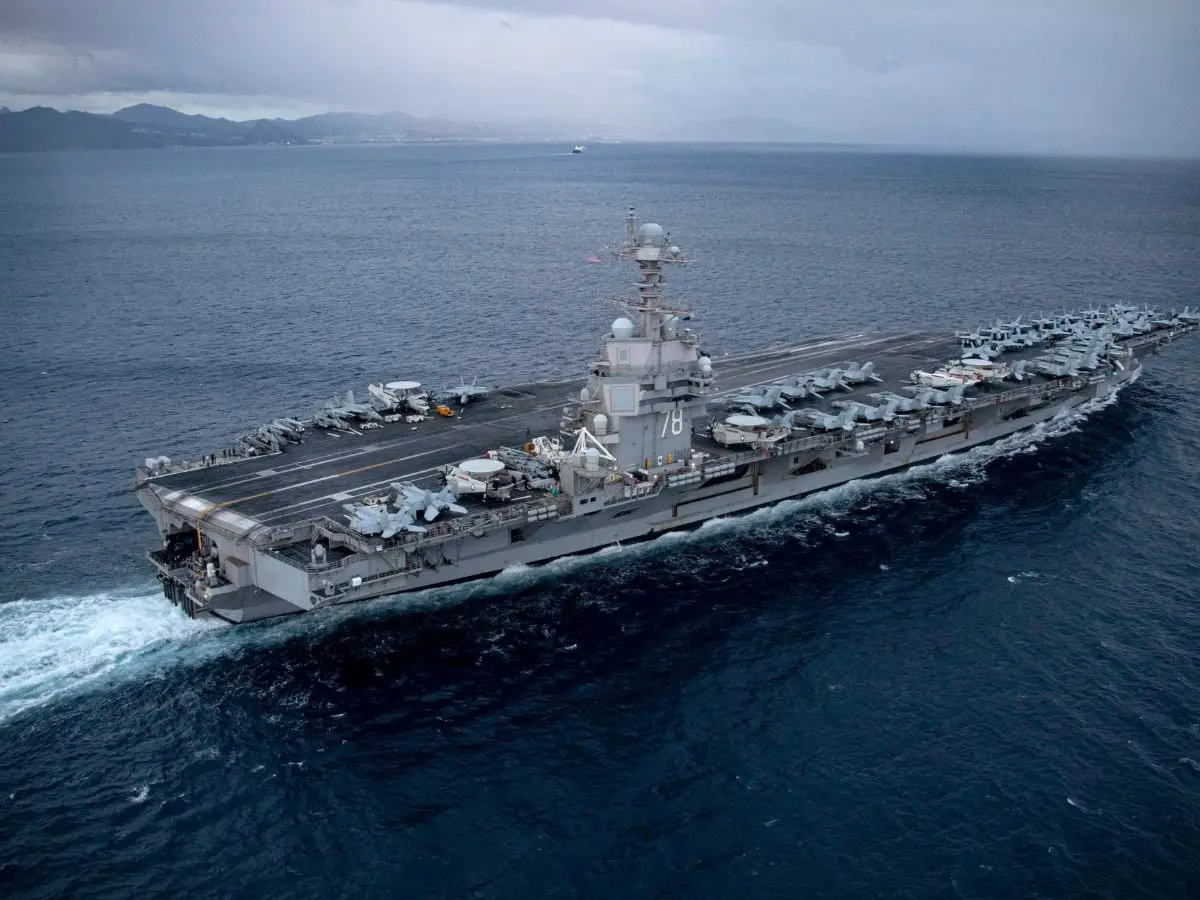
The United States is set to dispatch its most advanced and largest aircraft carrier, USS Gerald R. Ford to the Middle East amid escalating tensions with Iran. The vessel will join USS Abraham Lincoln, which is already deployed in the region, alongside guided-missile destroyers, fighter jets and surveillance aircraft repositioned in recent weeks. The redeployment marks one of Washington’s most significant naval concentrations in the region in years. The military build-up comes as Tehran and Washington prepare for a second round of nuclear negotiations in Geneva, following indirect discussions hosted by Oman on February 6.
Iran Signals Conditional Openness Amid US Warnings
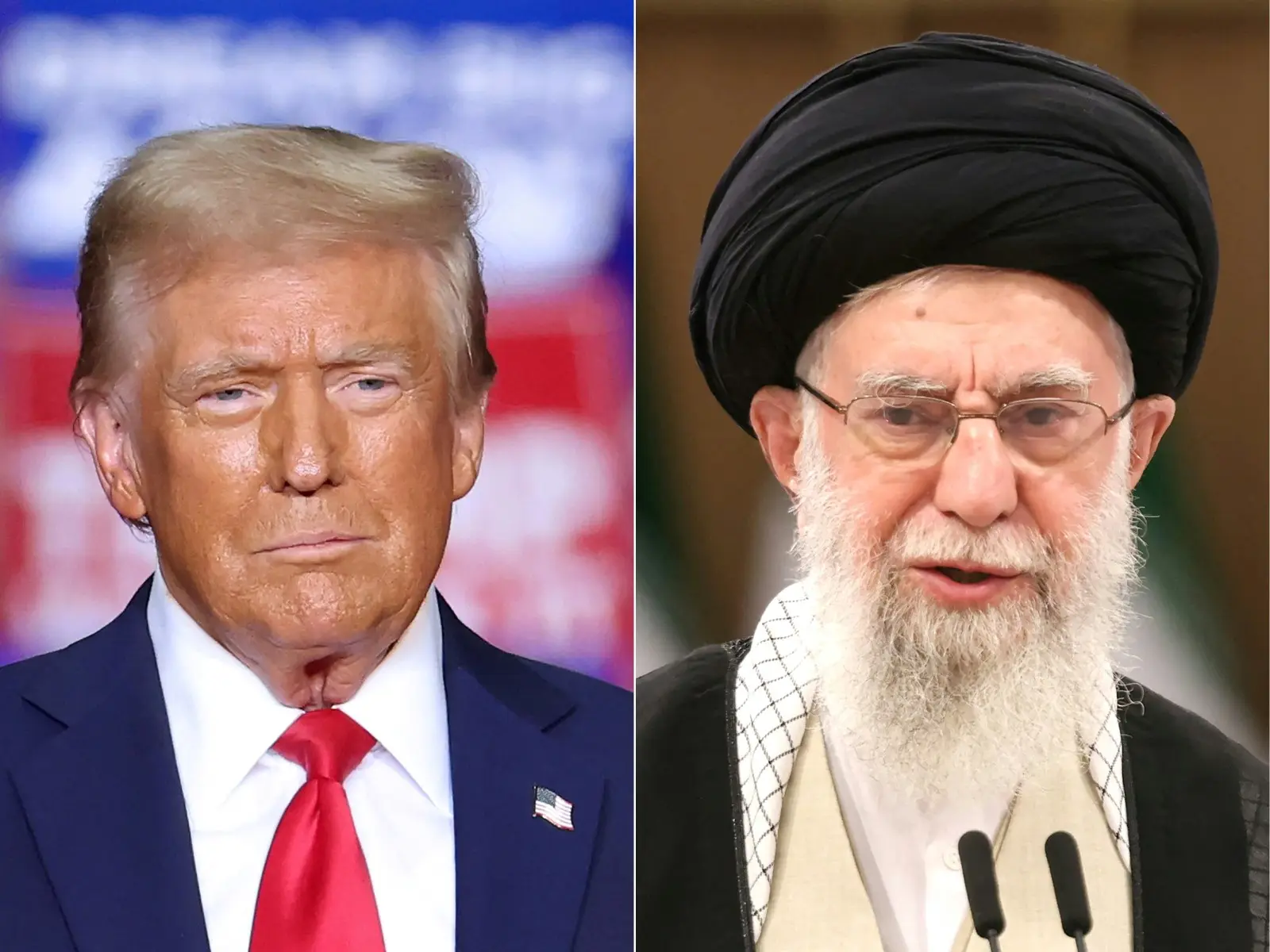
Earlier, Iran’s deputy foreign minister told BBC that the ball was “in America’s court to prove that they want to do a deal. The remarks followed the first round of talks and came after Donald Trump warned that failure to reach a nuclear agreement would be “very traumatic”. Questions are now being raised over whether the aircraft carriers could be used for military strikes if the second round of talks does not favour the United States, and how Iran might defend itself in such a scenario.
Evolving Asymmetric Naval Doctrine
Iran has developed an asymmetric maritime strategy aimed at countering the superiority of large warships such as aircraft carriers. Rather than matching the firepower or size of United States Navy carrier strike groups, Tehran focuses on small, mobile platforms and layered anti-access/area denial systems that can complicate carrier operations in confined waters like the Strait of Hormuz. This doctrine emphasises coordination between disparate assets rather than direct ship-to-ship confrontations.
Fast Attack Craft and Speedboats
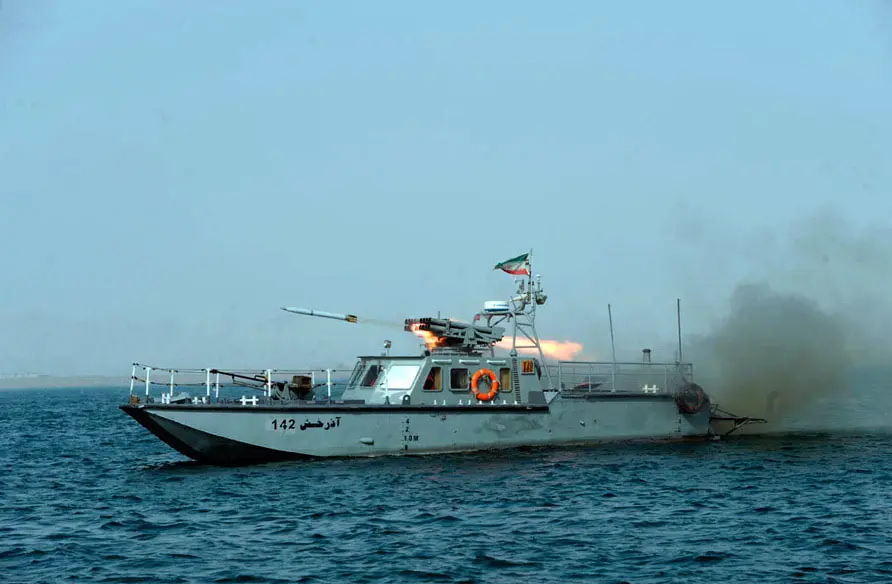
Iran’s fleet of fast attack craft and speedboats forms a core component of its naval deterrent. These fleets are operated primarily by the Islamic Revolutionary Guard Corps Navy (IRGCN), and is a cornerstone of its asymmetric naval doctrine, designed to counter superior naval forces like the US Navy in the Persian Gulf through swarm tactics. These vessels are capable of employing swarm tactics, whereby multiple small craft approach a larger target from various directions to saturate defences and overwhelm sensors.
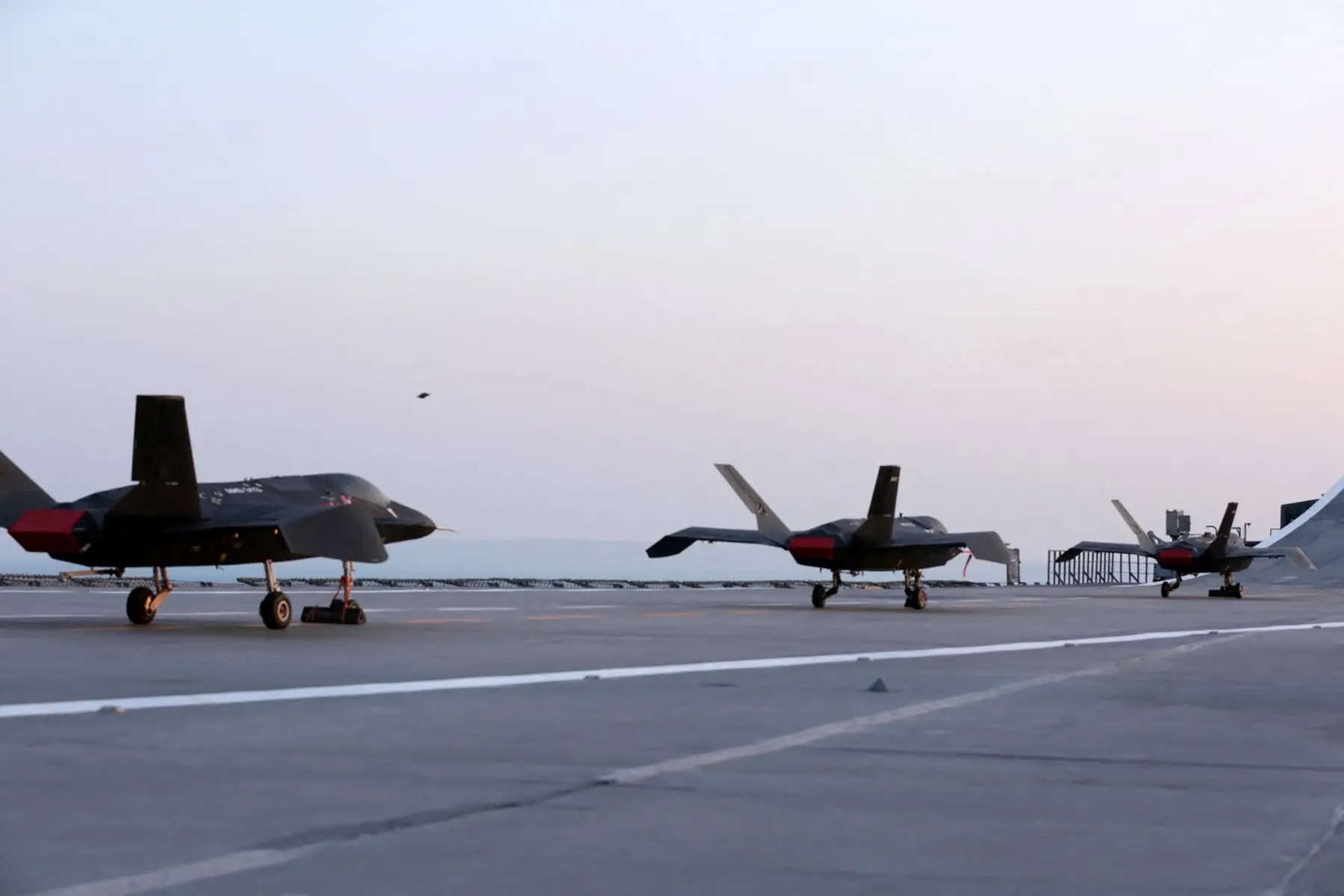
Anti-Ship Missile Arsenal
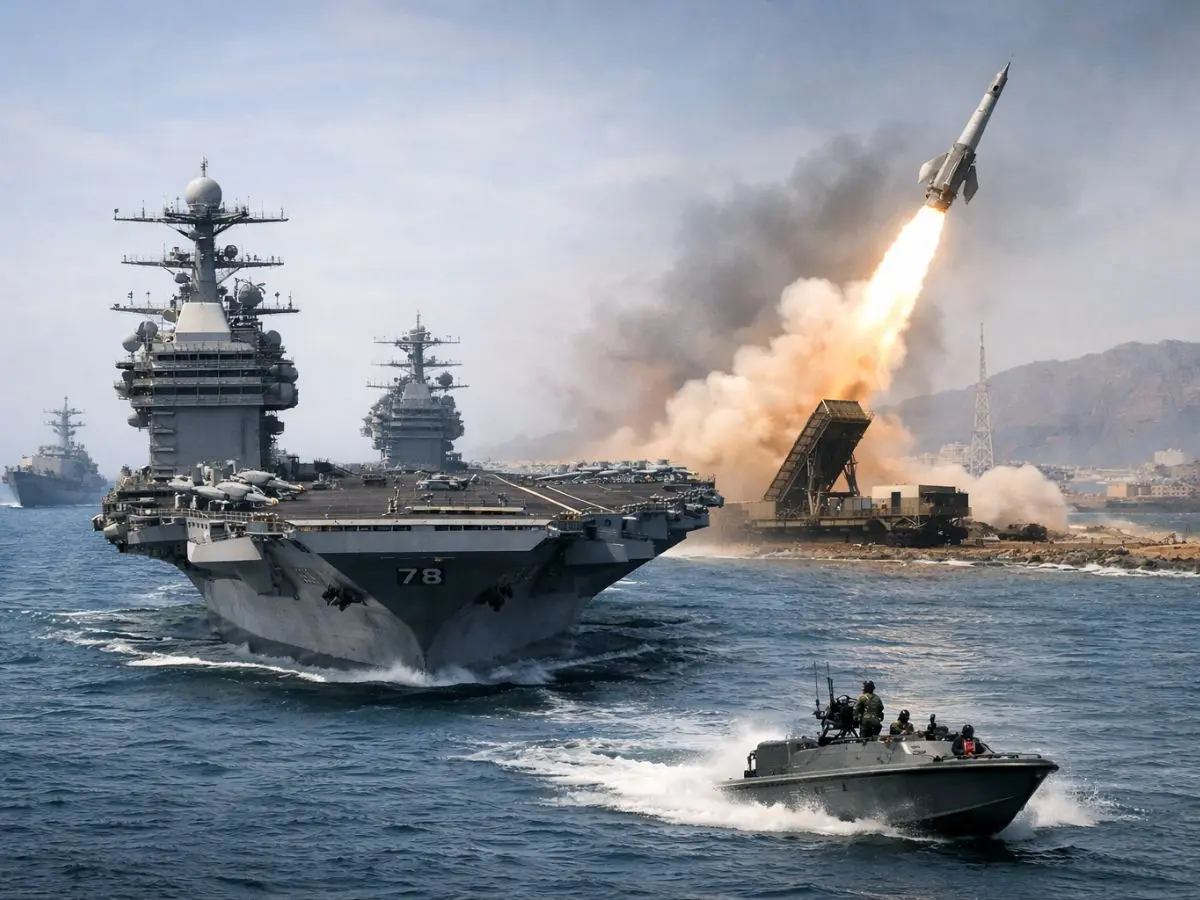
Tehran’s missile inventory includes long-range anti-ship systems that present a credible threat to vessels operating near its coastline. The Noor and Qader are the backbone of Iran's coastal defence, with ranges of 120 kilometres and 300 kilometres respectively. Both of them are derived from Chinese C-802 designs. These cruise missiles are often truck-mounted or deployed on small naval vessels.
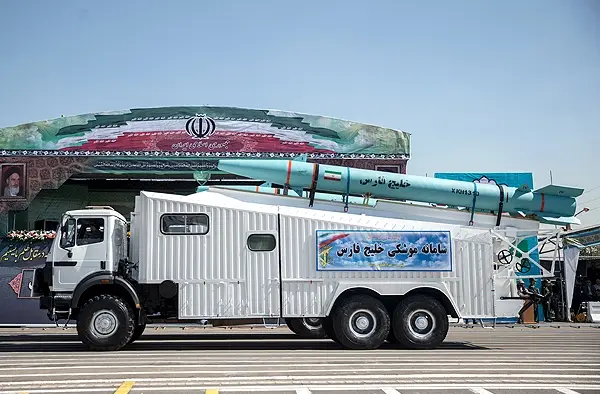
Ballistic and Cruise Missile Threat Layers
In addition to conventional anti-ship missiles, Iran fields ballistic missiles such as the Khalij Fars, with reported ranges of 300 km and supersonic speeds, alongside longer-range cruise missiles like Abu Mahdi. Launched from mobile coastal batteries, these weapons establish a threat envelope extending well into the Gulf of Oman, forcing adversaries to monitor wide areas.
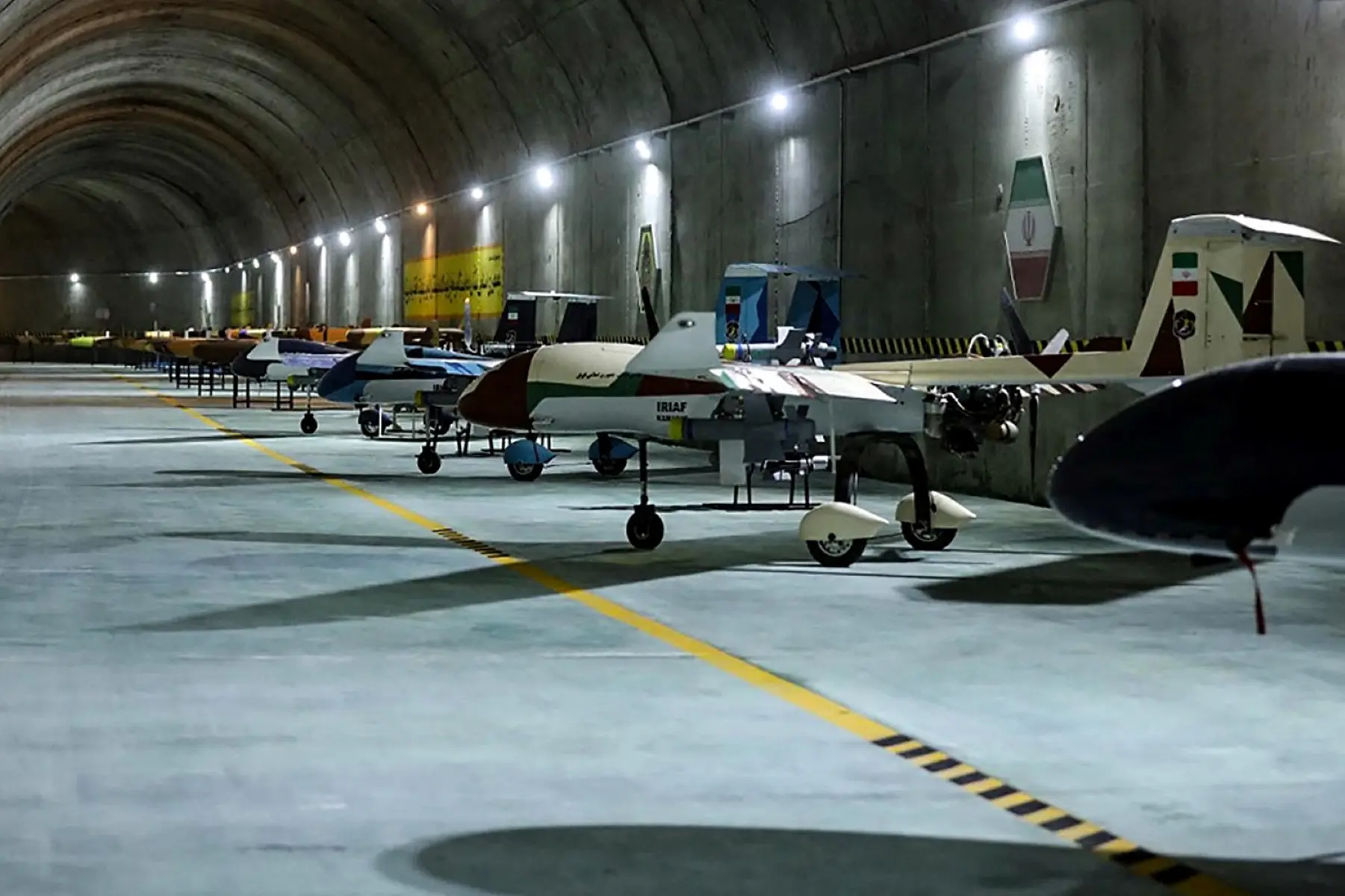
Drone and UAV Saturation Tactics
Unmanned aerial systems have become a central element of Iran’s asymmetric strategy. Swarms of relatively low-cost drones such as the Shahed-136 and Shahed-131 loitering munitions are designed to overwhelm air defences through volume and persistence. Iran also operates reconnaissance and strike drones including the Mohajer-6, Ababil-2, and the longer-range Shahed-129, which can conduct surveillance, targeting and precision strike missions. Used in coordinated numbers, these drones can harass naval air defence systems, force the use of costly interceptor missiles and complicate command decision-making under sustained operational pressure.
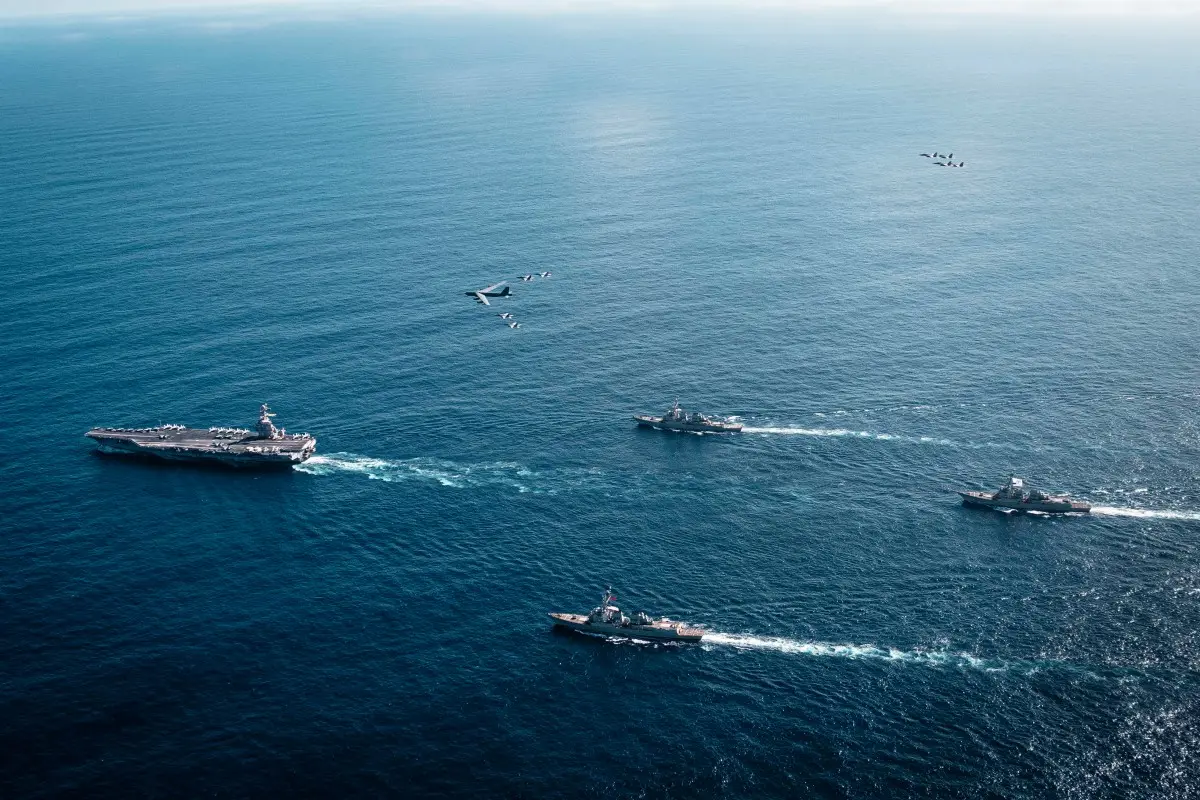
Strategic Implications for Carrier Operations
While it remains uncertain whether such tactics could decisively neutralise a carrier battle group, they do force adaptation. Aircraft carriers operate with layered defences including fighter escorts, close-in weapon systems and electronic countermeasures, but Iran’s low-cost, high-volume threat profile is designed to erode those advantages over time by increasing reaction demands and taxing defensive capacities.
)
)
)
)
)