Car, ashes and more: 6 strange things humans have left in outer space

These items, deliberately placed or left behind, serve as reminders of our presence in the cosmos and our desire to leave a part of ourselves among the stars. Here are six such items that have found their way into space.
Touch in Space
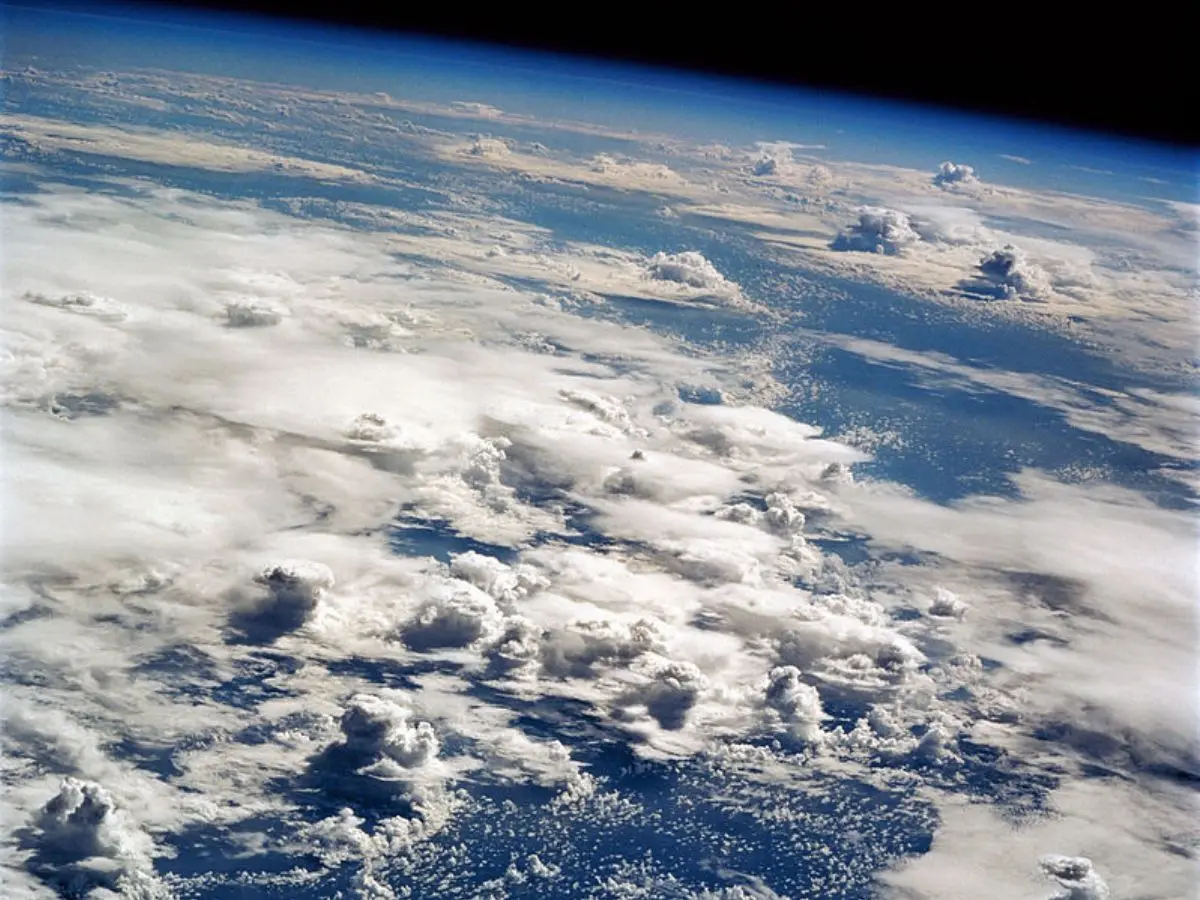
Humanity’s reach extends far beyond Earth, but it isn’t just satellites and spacecraft that orbit our planet or rest on the Moon. Over decades of exploration, astronauts and space agencies have sent an extraordinary variety of objects into space, from everyday tools and personal mementoes to human remains and cultural tributes. These items, deliberately placed or left behind, serve as reminders of our presence in the cosmos and our desire to leave a part of ourselves among the stars. Here are six such items that have found their way into space.
1. Gene Roddenberry's Ashes
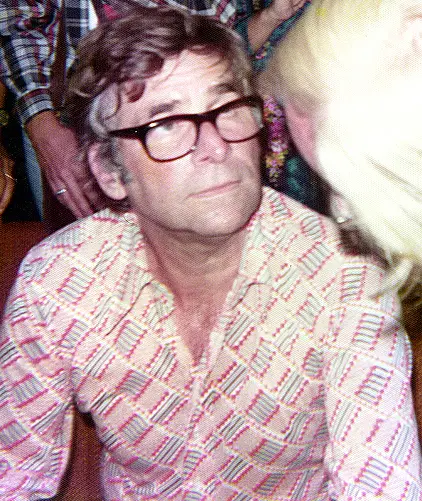
In 1992, a portion of the ashes of Gene Roddenberry, the creator of Star Trek, was launched into space aboard the space shuttle 'Columbia'. This act was a tribute to Roddenberry's vision of space exploration and his impact on popular culture. His remains were carried into orbit, symbolizing a connection between human creativity and the vastness of space.
2. Apollo 16 Family Photograph
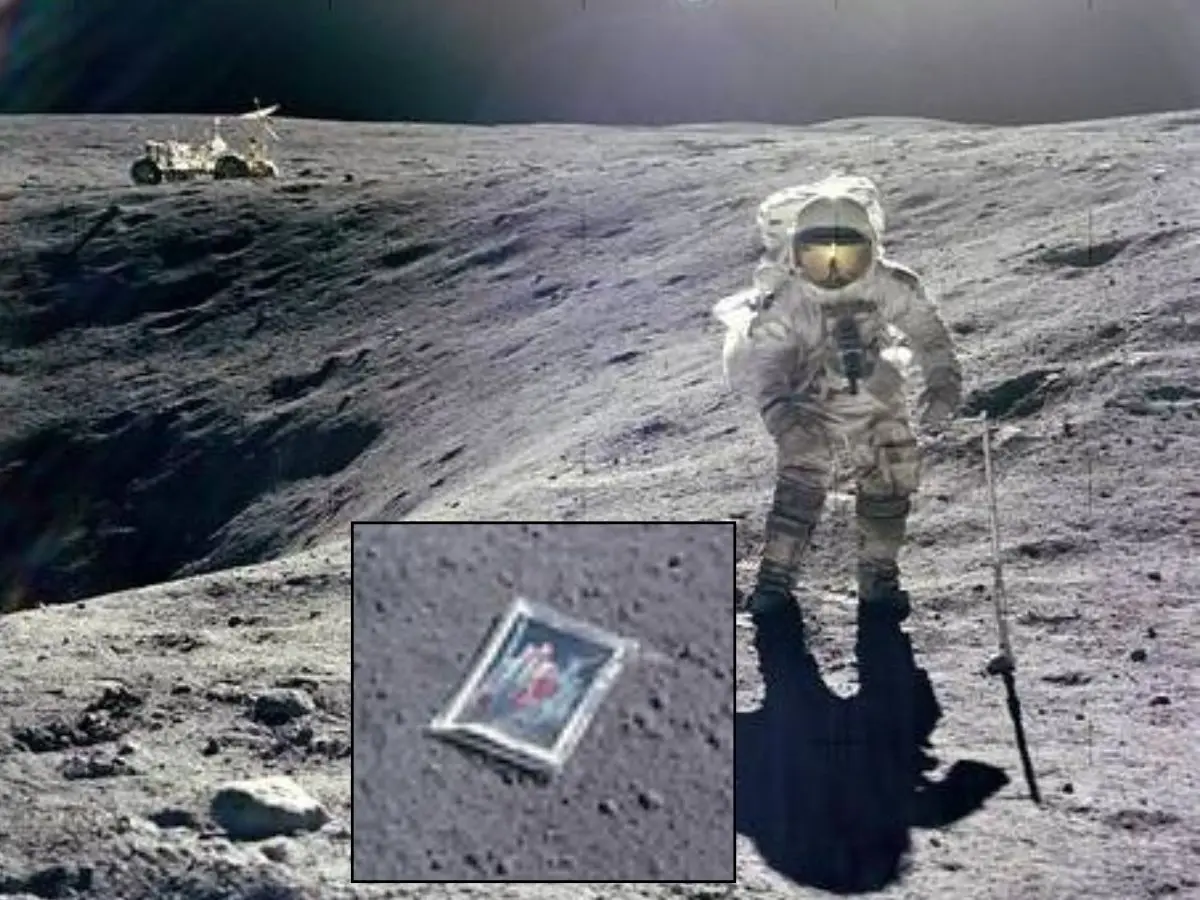
During the Apollo 16 mission in 1972, astronaut Charles Duke left behind a family photograph on the Moon. The photo depicted Duke, his wife, and their two sons. Encased in plastic, it was placed on the lunar surface as a personal memento. This gesture highlighted the human element of space exploration, showing that astronauts carried personal connections with them beyond Earth.
3. Fallen Astronaut Sculpture
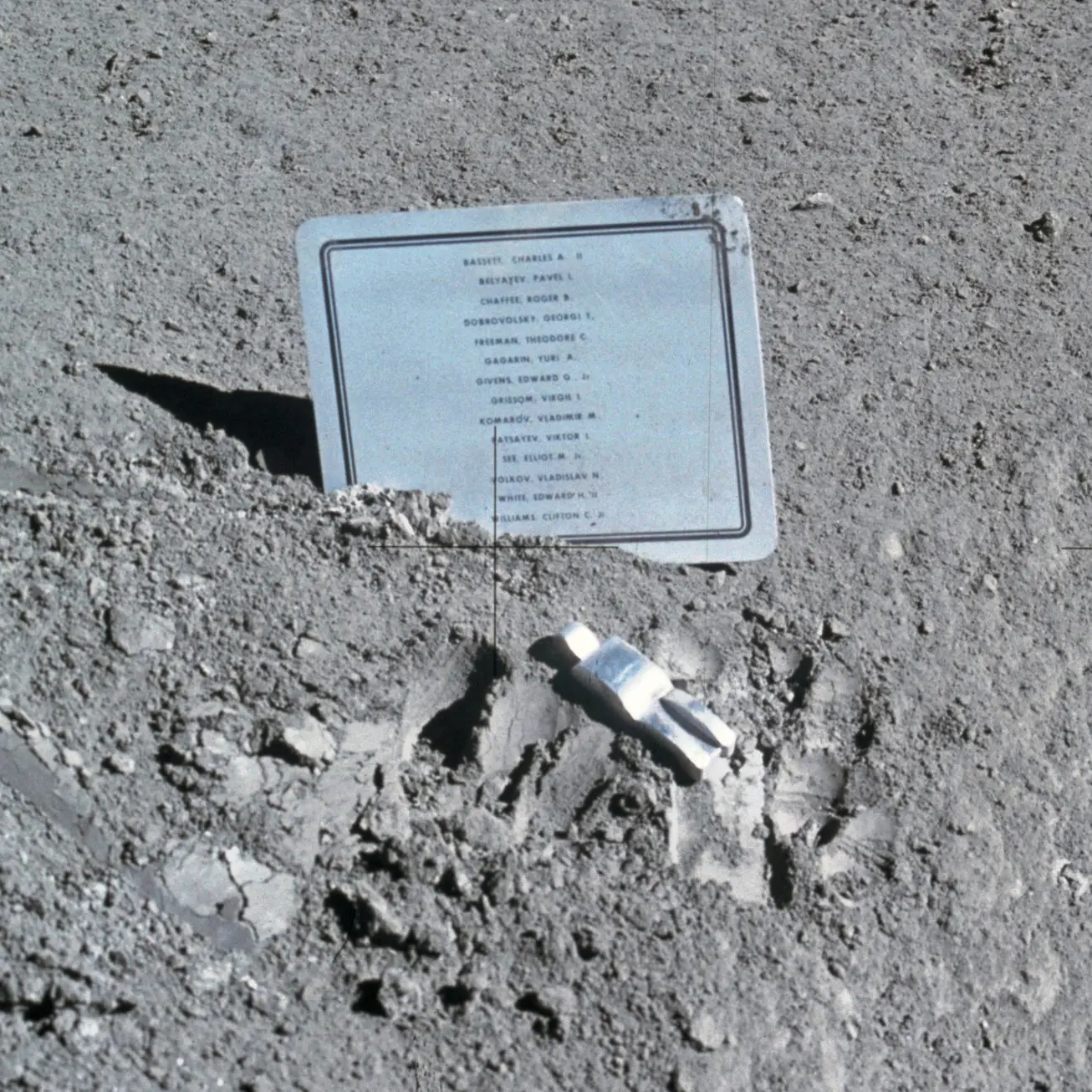
On the Moon's surface, near the Apollo 15 landing site, lies a small aluminum sculpture known as the 'Fallen Astronaut.' Created by Belgian artist Paul Van Hoeydonck, this 3.5-inch figure was placed there in 1971 to commemorate astronauts and cosmonauts who lost their lives in the pursuit of space exploration. Accompanying the sculpture is a plaque listing the names of 14 individuals who died in the advancement of space travel.
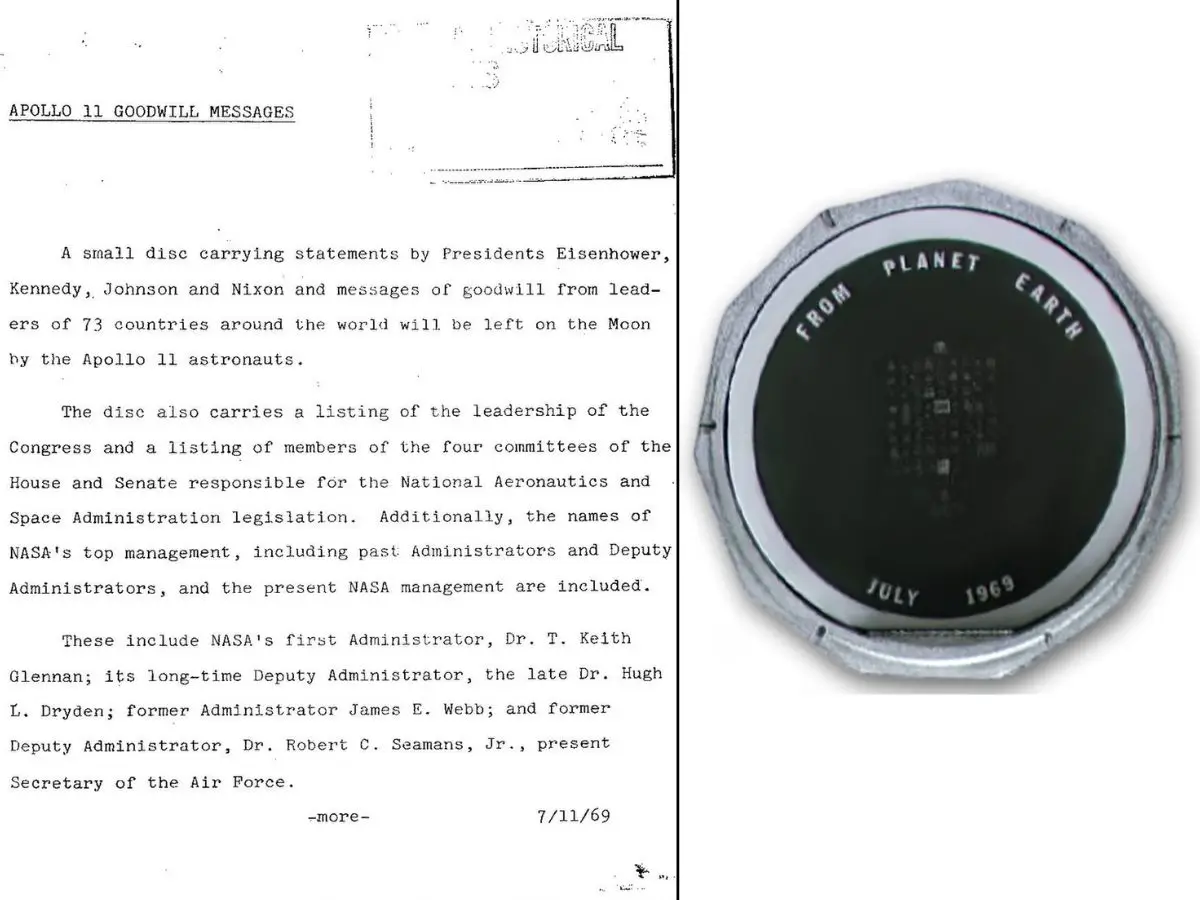
4. Apollo 11 Goodwill Messages
In 1969, the Apollo 11 astronauts left behind a silicon disc containing goodwill messages from leaders of 73 countries. This disc, about the size of a 50-cent piece, was placed on the Moon as a symbol of global unity and peace. The messages were intended to represent the collective hope of humanity for a peaceful future and a shared interest in space exploration.
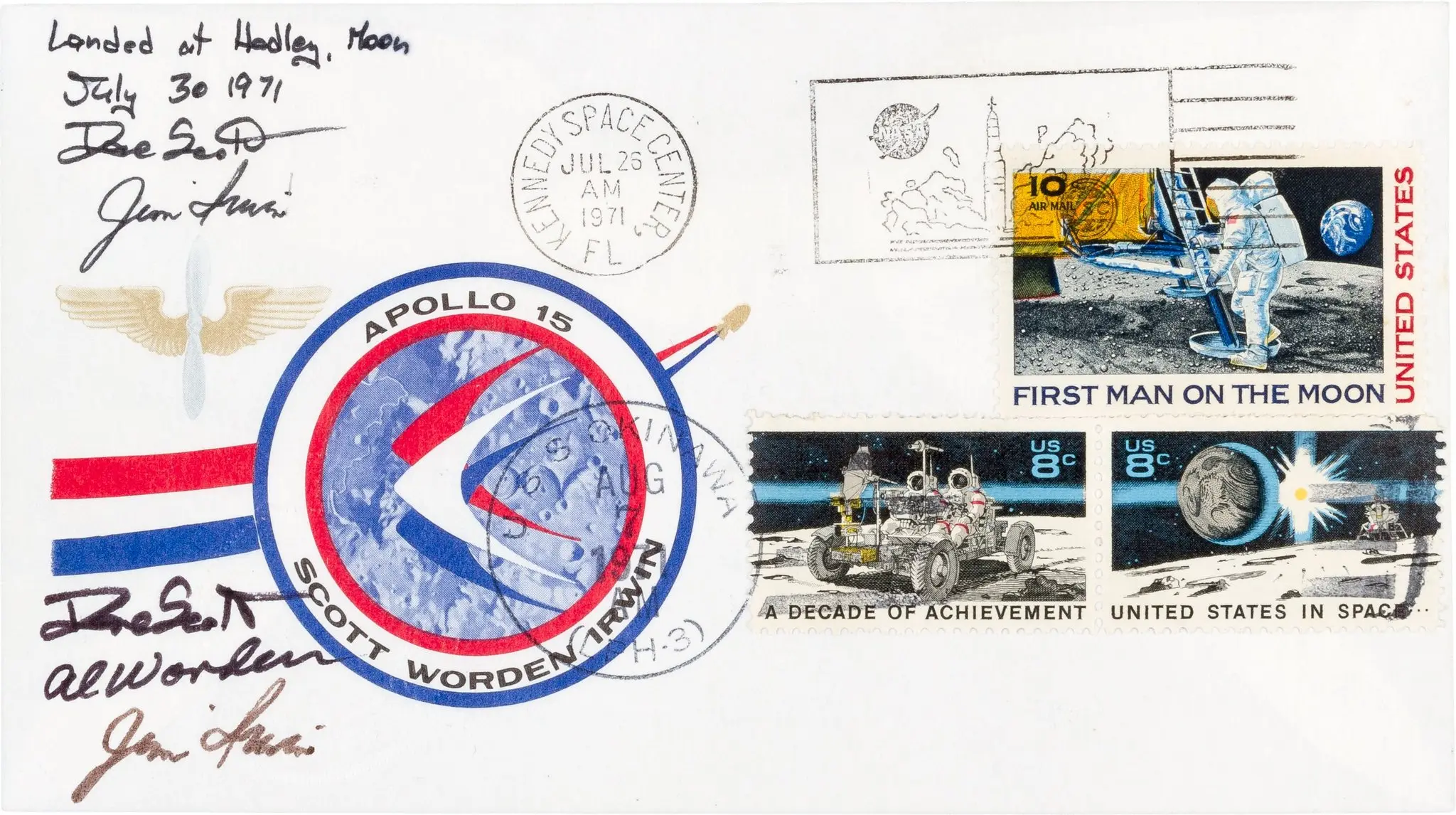
5. Apollo 15 Postal Covers Incident
During the Apollo 15 mission in 1971, astronauts David Scott, James Irwin, and Alfred Worden carried unauthorised postal covers into space. These stamped and postmarked envelopes were later sold by a stamp dealer, leading to a scandal. The astronauts were reprimanded by NASA, and the incident highlighted the importance of ethical conduct in space missions.
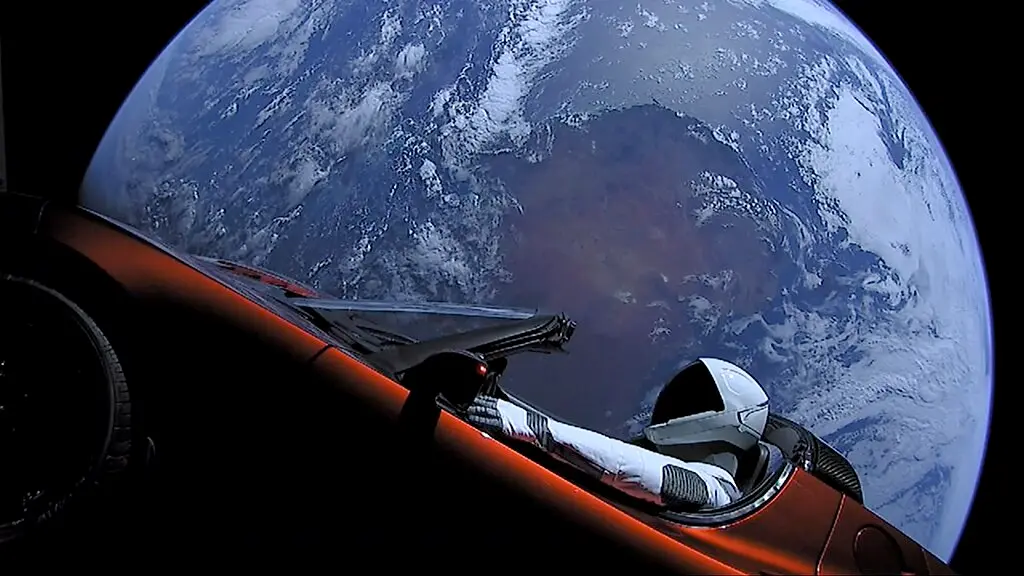
6. Tesla Roadster and Starman
The most famous example is Elon Musk’s Tesla Roadster, launched aboard SpaceX’s Falcon Heavy rocket in February 2018. It was deliberately sent into a heliocentric orbit as a test payload. The car, with a mannequin named 'Starman' in the driver’s seat, is still orbiting the Sun and has become one of the most iconic non-scientific objects humans have placed in space.
)
)
)
)
)