Canada's wildfire smoke reaches Europe, US

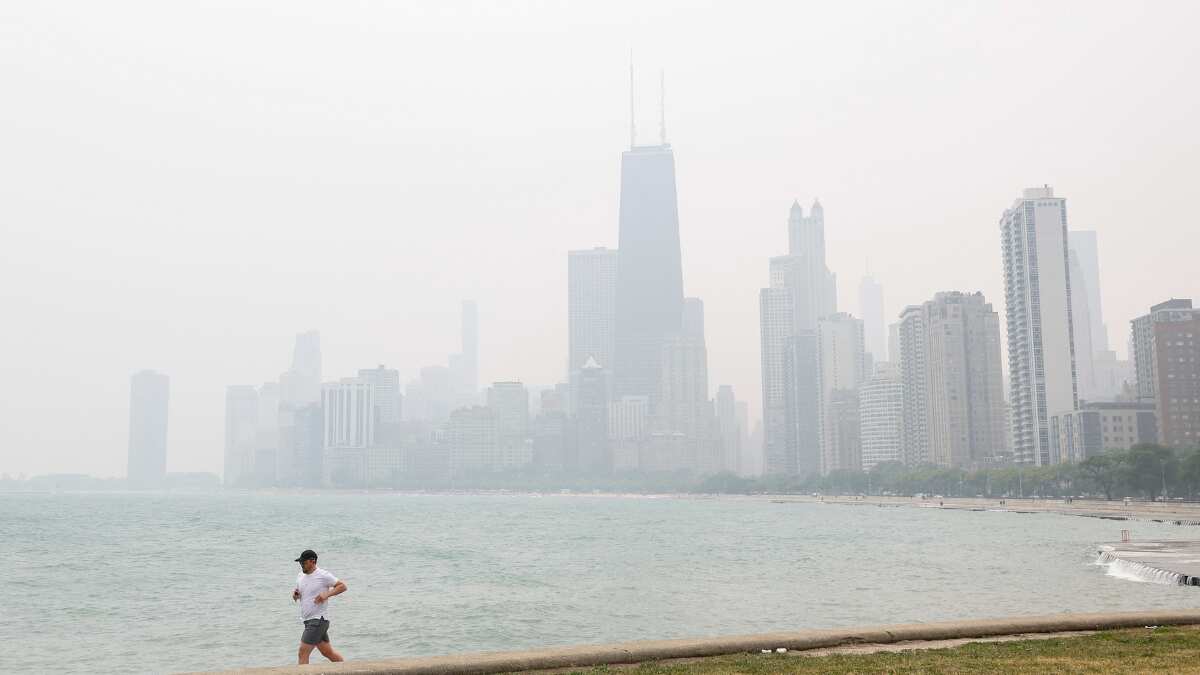
Wildfire smokes reaches the US
Smoke drifting from the ranging wildfires across Canada has increased the air pollution throughout the Great Lakes region and central and eastern parts of the US.
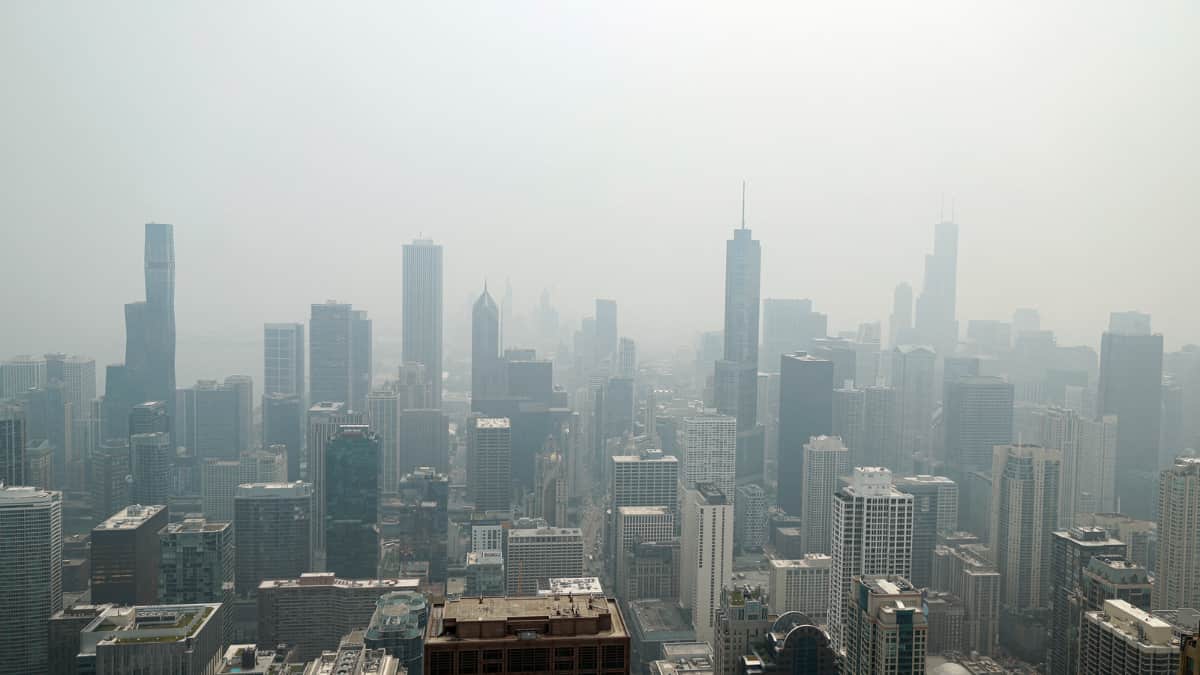
Worst air quality index
As per the Environmental Protection Agency's AirNow.gov website, parts of Illinois, lower Michigan and southern Wisconsin had the worst air quality index. Chicago, Detroit and Milwaukee had air quality categorised as 'very unhealthy'.
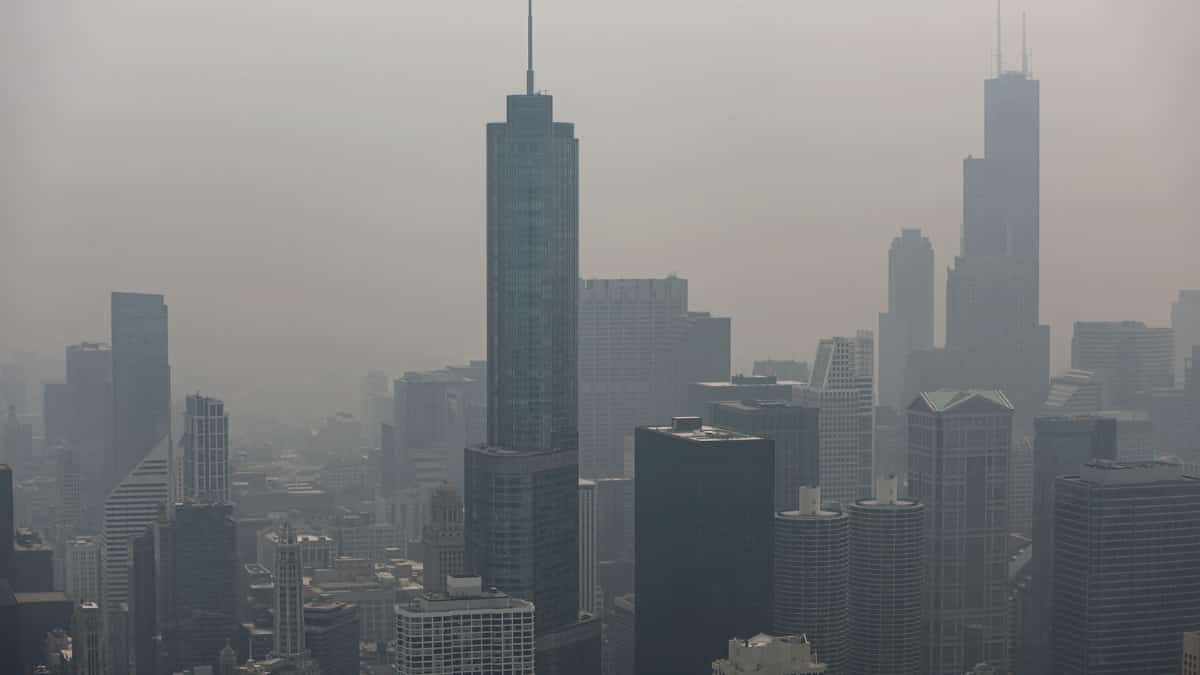
Refrain from going outdoors
In several parts of the US, officials have advised children and older adults to spend more time indoors, and to refrain from indulging in any outdoor activity as much as possible.

Wildfire smoke reaches Europe
The smoke has now made its way to Europe and has done so via the jet stream of strong winds in the upper levels of the atmosphere. This means that the smoke will not lead to dramatically worse surface air quality like the Northeast US. However, forecast models show that smoke from Canada's wildfire will keep on lingering in the upper levels of the atmosphere over Europe for much of this week.

Air quality deteriorates in Europe
The smoke from Canada's wildfire had reached Norway at the start of June. Since the smoke is injected at high altitudes, it’s able to stay in the atmosphere longer and travel farther distances.
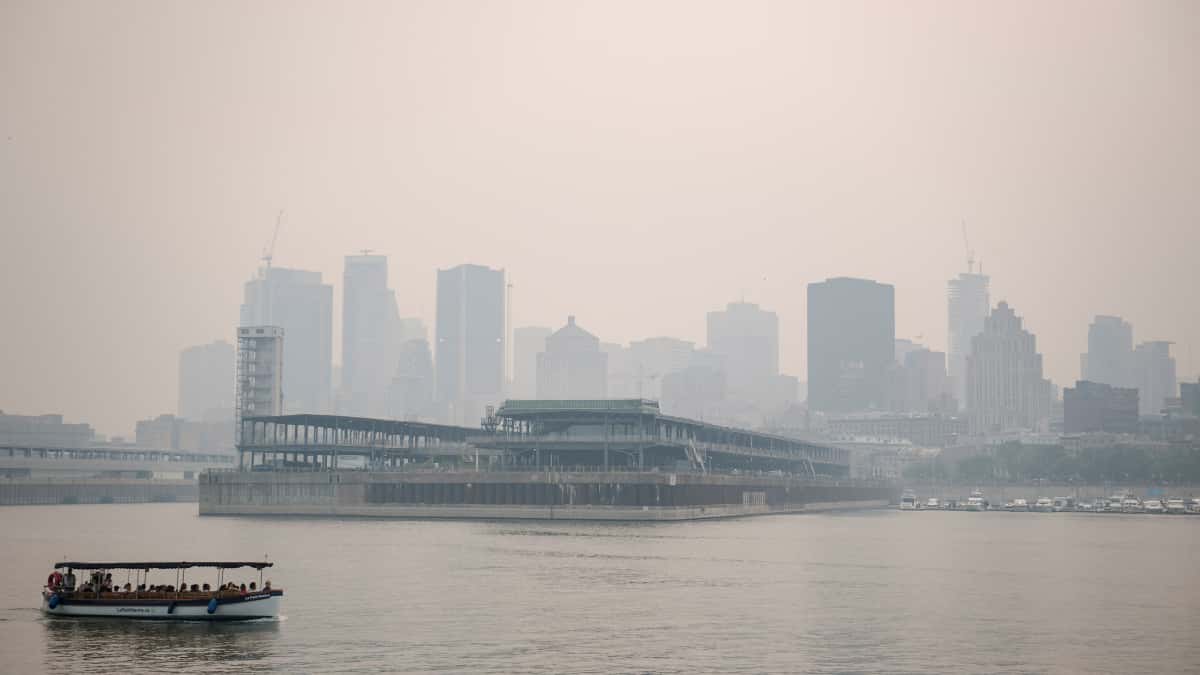
Canada, US and Europe severely affected!
The wildfires continue to burn across multiple provinces in Canada. As per reports from the Canadian Interagency Forest Fire Centre, there were at least 53 new wildfires on Sunday, June 25. Alberta had the most at 23, followed by Ontario and Quebec, which had eight each. The record wildfire season continues to impact air quality throughout parts of Canada, the US and Europe.
)
)
)
)
)