Can you trust modern planes? What Airbus A320 recall says about aviation’s digital vulnerabilities

From flight-control computers to electrical power systems and cockpit displays, modern aircraft operate as interconnected networks. While they are isolated from passenger WiFi, they still depend on hundreds of embedded processors.
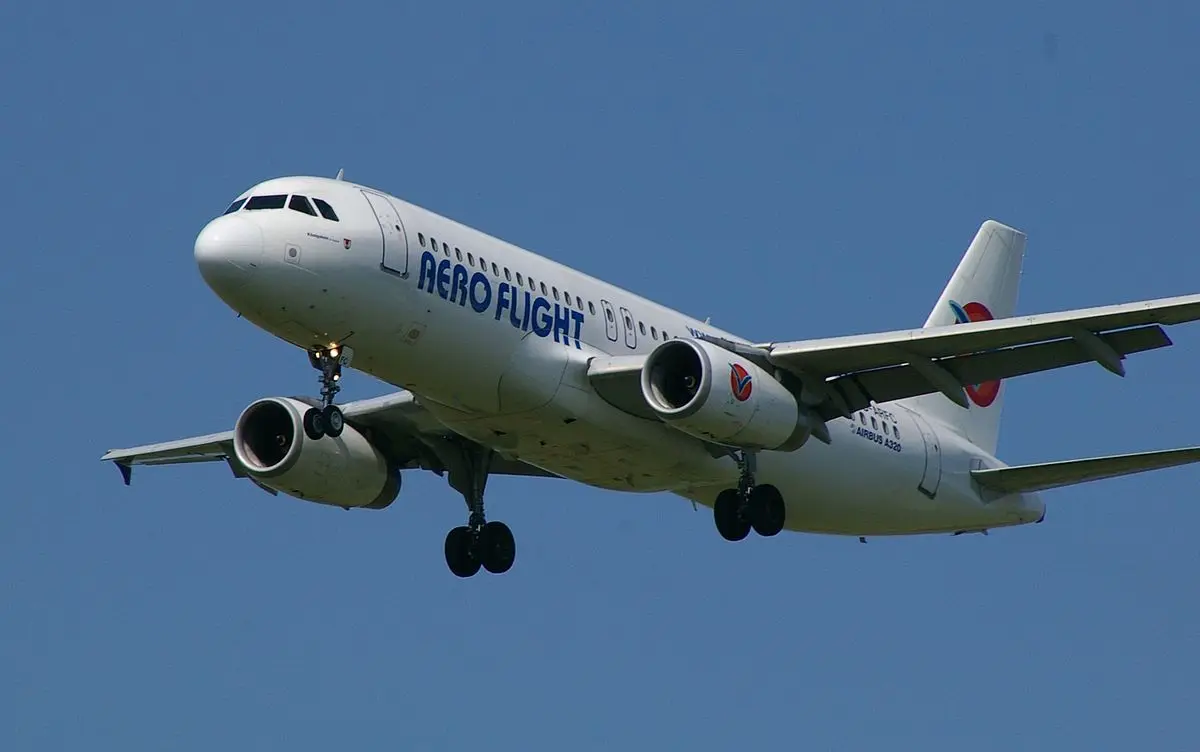
1. A320’s Global Recall Exposed a Hidden Weakness in Fly-By-Wire Aircraft
The worldwide recall of over 6,000 Airbus A320-family jets has revealed something uncomfortable: the modern aircraft you fly on is effectively a giant flying computer and computers can fail. The recent incident involving an A320 suddenly losing altitude due to corrupted flight-control data shows how digital systems can become single points of failure, even in one of the world’s most “safe and reliable” aircraft families.
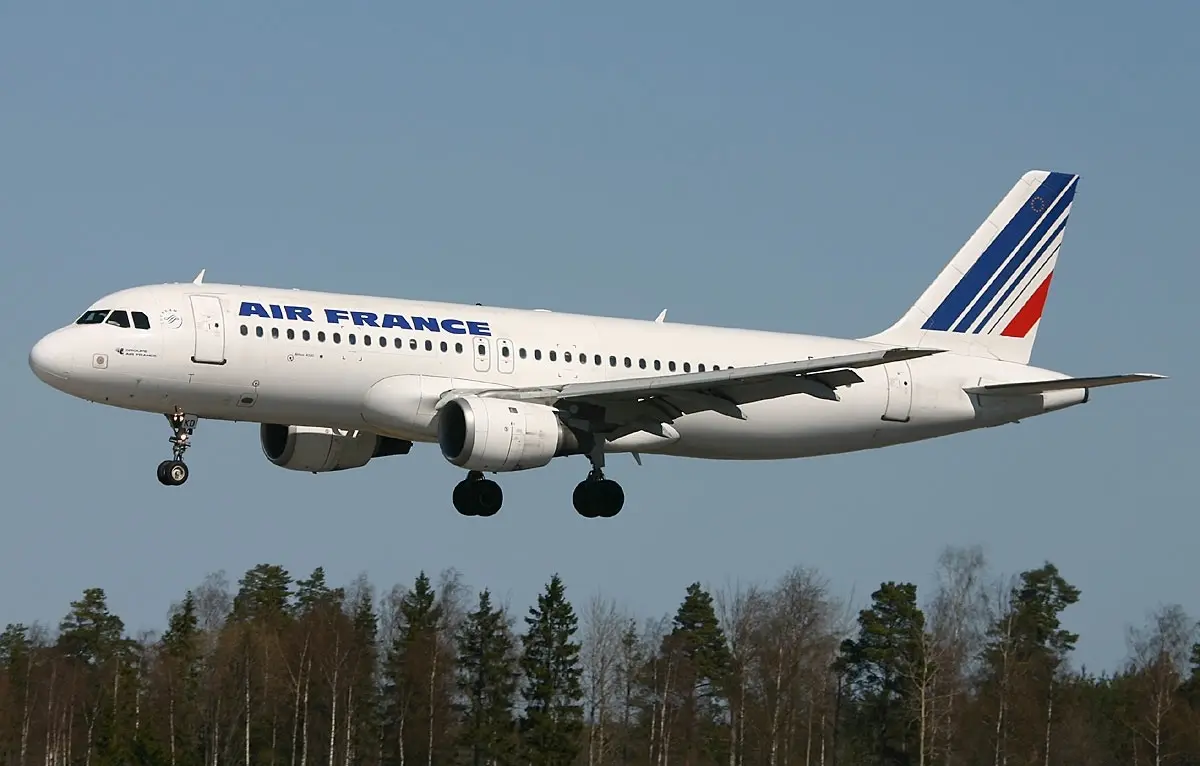
2. Software Runs Everything — And a Glitch Can Overpower Pilot Inputs
In fly-by-wire aircraft like the A320, pilot controls don’t move the wings directly. Instead, software interprets pilot commands, validates them, then sends instructions to hydraulic actuators. If that software or its sensors malfunction, as seen in the JetBlue incident, the airplane may respond incorrectly or ignore pilot inputs, leaving almost no mechanical fallback. This dependence on code introduces a vulnerability older analog aircraft never had.
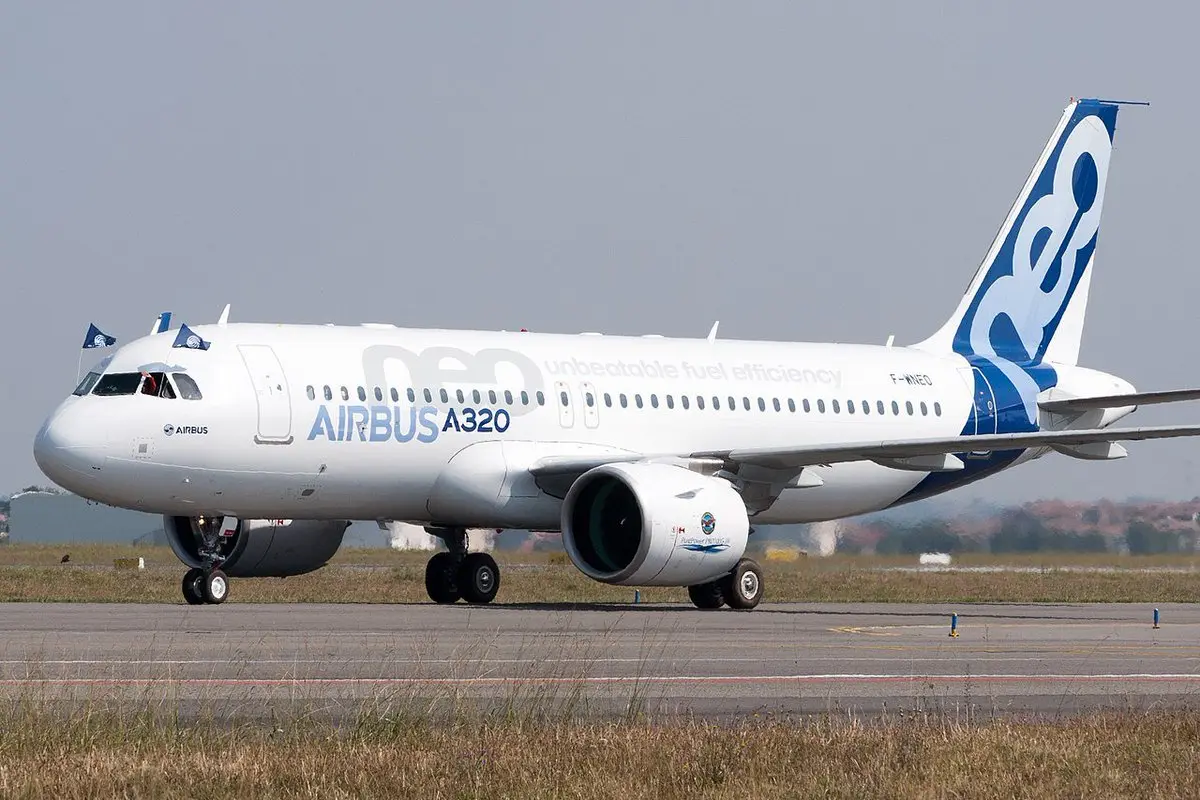
3. Solar and Cosmic Radiation Can Interfere With Avionics
The A320 recall was triggered by a scenario few passengers ever think about: a burst of solar radiation corrupted onboard systems. High-energy particles can penetrate aircraft electronics at cruising altitude, flipping bits in memory or causing transient errors. Normally, redundancy absorbs these glitches but the incident showed that under certain conditions, a single radiation-triggered fault can cascade into a full flight-control anomaly.
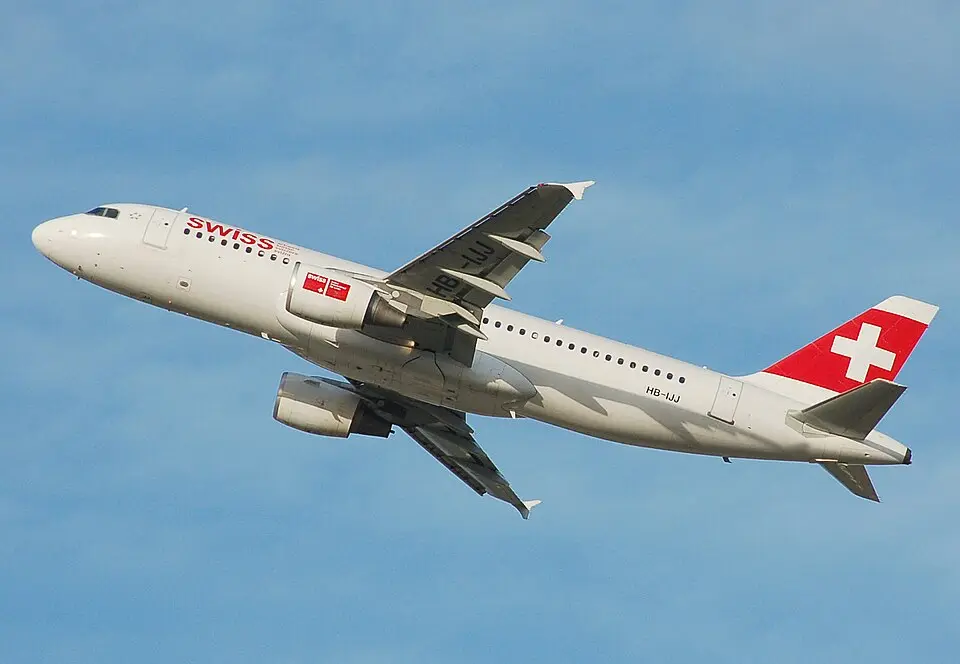
4. Modern Planes Are Increasingly Dependent on Networked Systems — Creating More Attack Surfaces
From flight-control computers to electrical power systems and cockpit displays, modern aircraft operate as interconnected networks. While they are isolated from passenger WiFi, they still depend on hundreds of embedded processors. Any unexpected behaviour, whether from a software bug, electromagnetic interference, hardware fatigue, or rare environmental conditions, can spread across the system quickly, making troubleshooting difficult and failures more unpredictable.
5. Airlines Rush Updates — But Some Aircraft Need Hardware Fixes, Not Just Software Patches
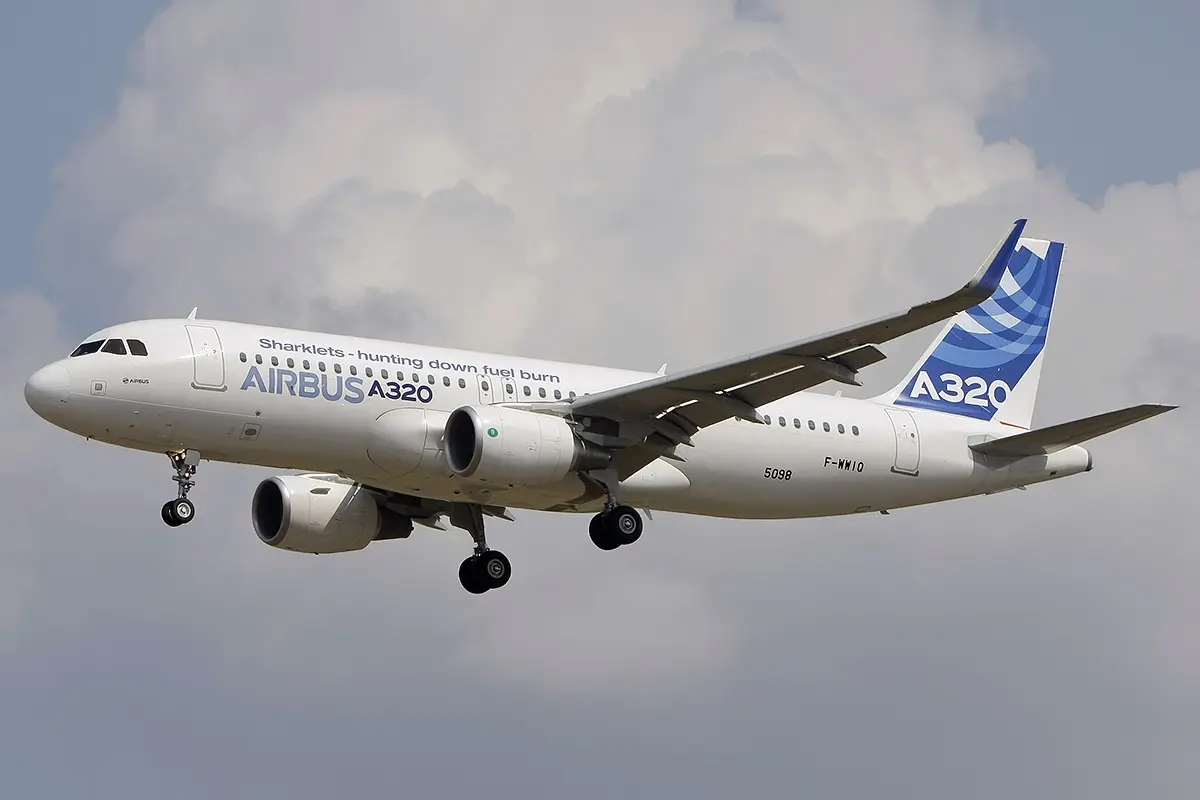
While many A320s require only a software patch, a significant fraction need physical hardware replacements, meaning their vulnerability is built into the avionics components themselves. This shows the limits of “quick digital fixes”: you can’t patch away every flaw. Some airplanes will remain grounded for days or weeks, a sign that the issue is far more structural than initially reported.
6. The Incident Raises Questions About How Many Bugs Remain Undetected
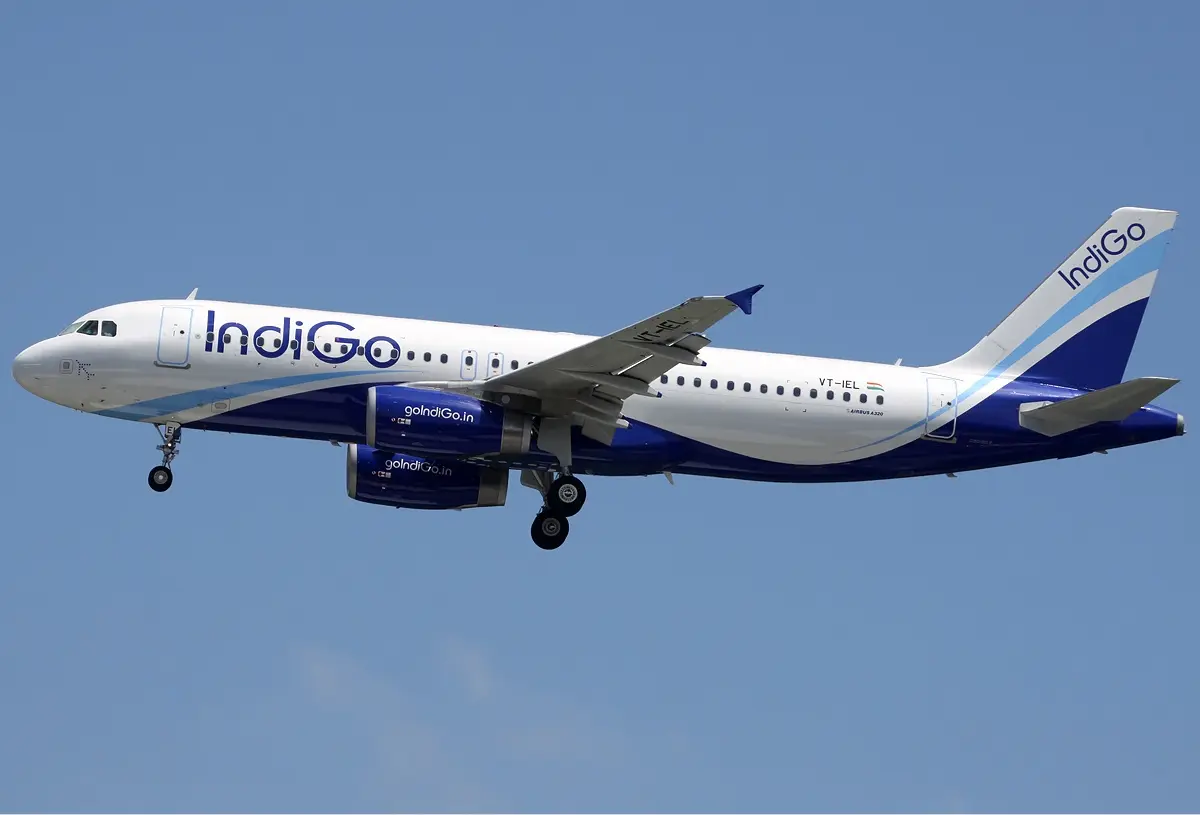
Aviation software is extremely rigorously tested but no complex system is perfect. The A320 flaw was discovered only after a near-accident. That means other unseen vulnerabilities could exist not just in the A320 family, but across other aircraft types, manufacturers, and systems. The recall forces regulators to reconsider how they certify digital flight-control systems in an era where aircraft carry millions of lines of code.
7. This Crisis Is a Wake-Up Call: Modern Planes Are Safe — But Not Invincible
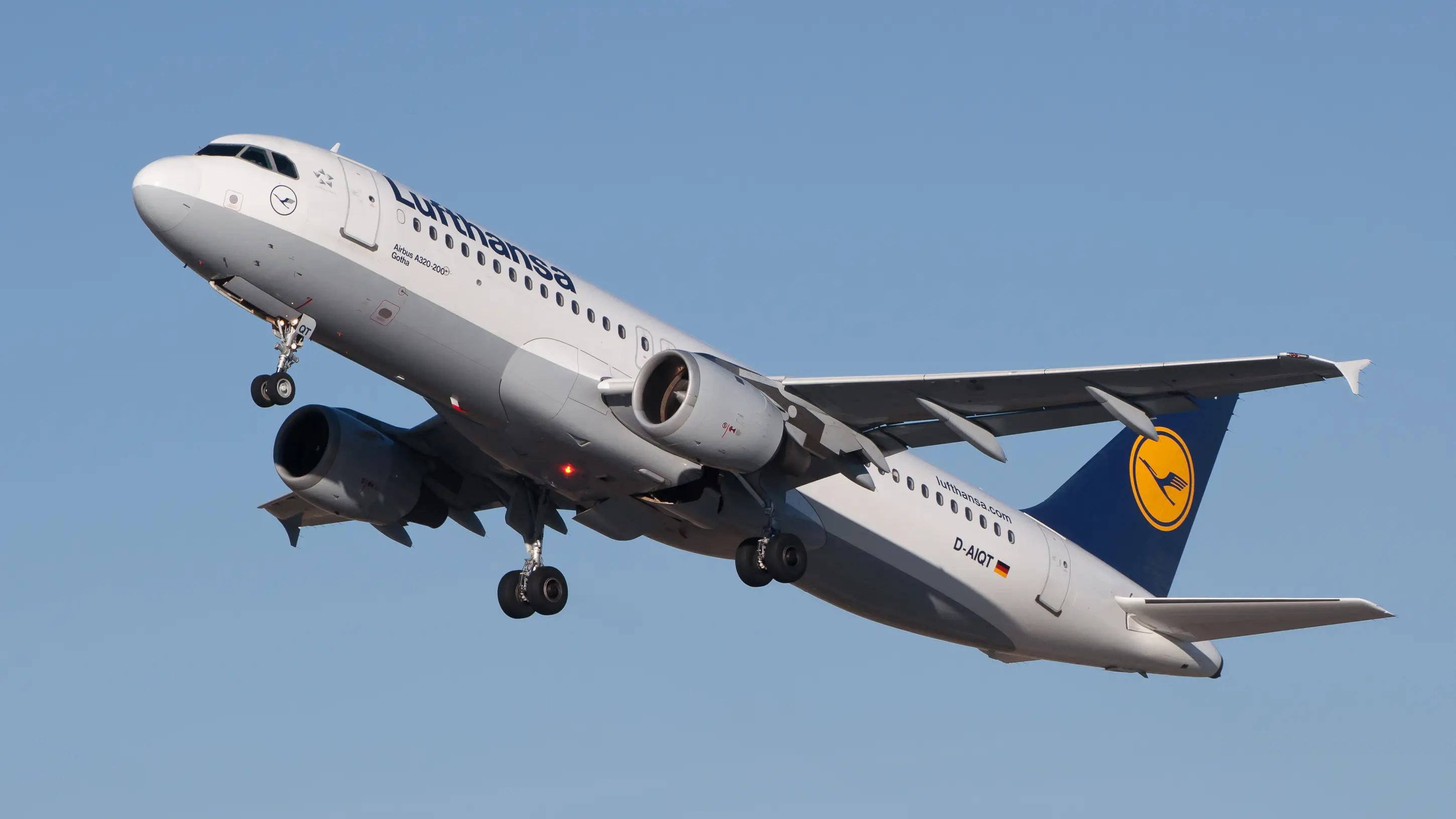
The aviation industry has one of the best safety records in the world. But the A320 recall proves something important: digital aircraft are extremely safe… until an edge-case failure hits the exact weak spot nobody anticipated. As planes get more automated and more software-driven, understanding and mitigating digital vulnerabilities will be as important as traditional mechanical safety checks.
)
)
)
)
)