Can you make the next Avengers movie on ChatGPT? Here's what Disney x OpenAI deal means

By licensing character libraries and investing in AI infrastructure, traditional studios may set new standards for how intellectual property is shared and controlled in a generative AI world.
1. A $1 Billion Investment and a Landmark Licensing Deal
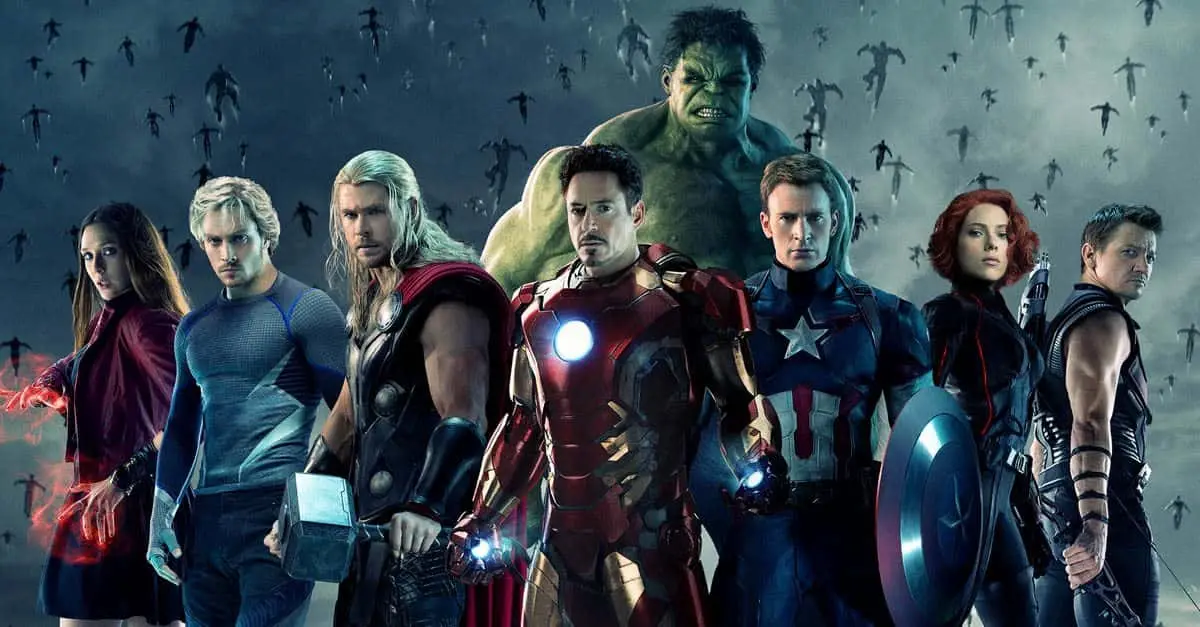
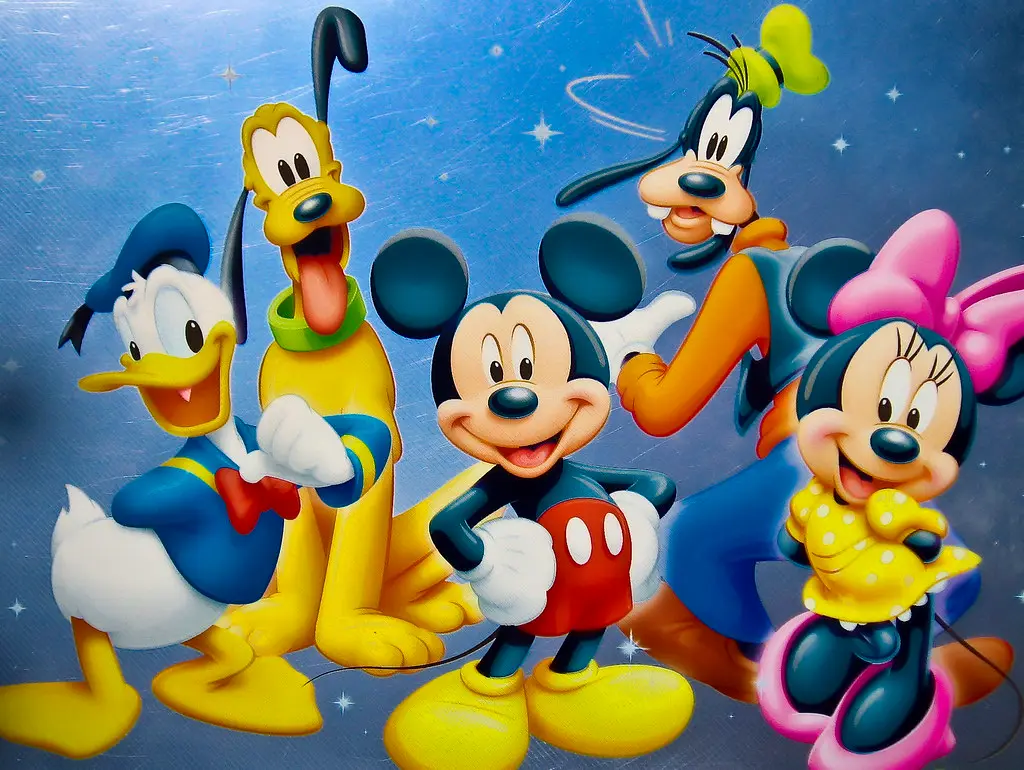
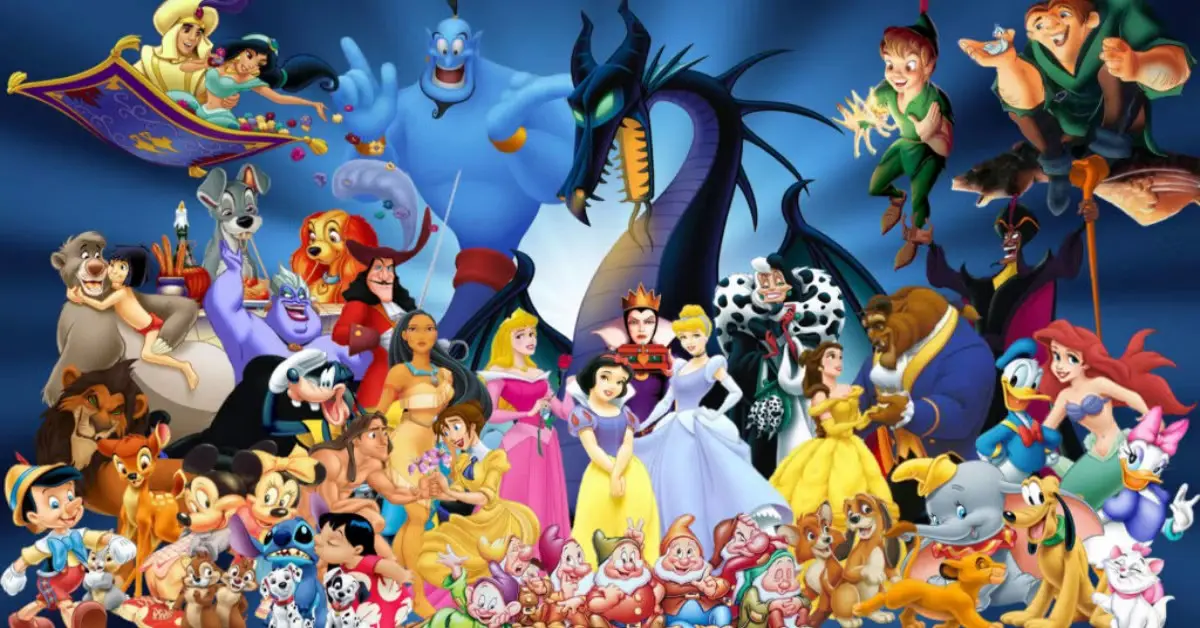
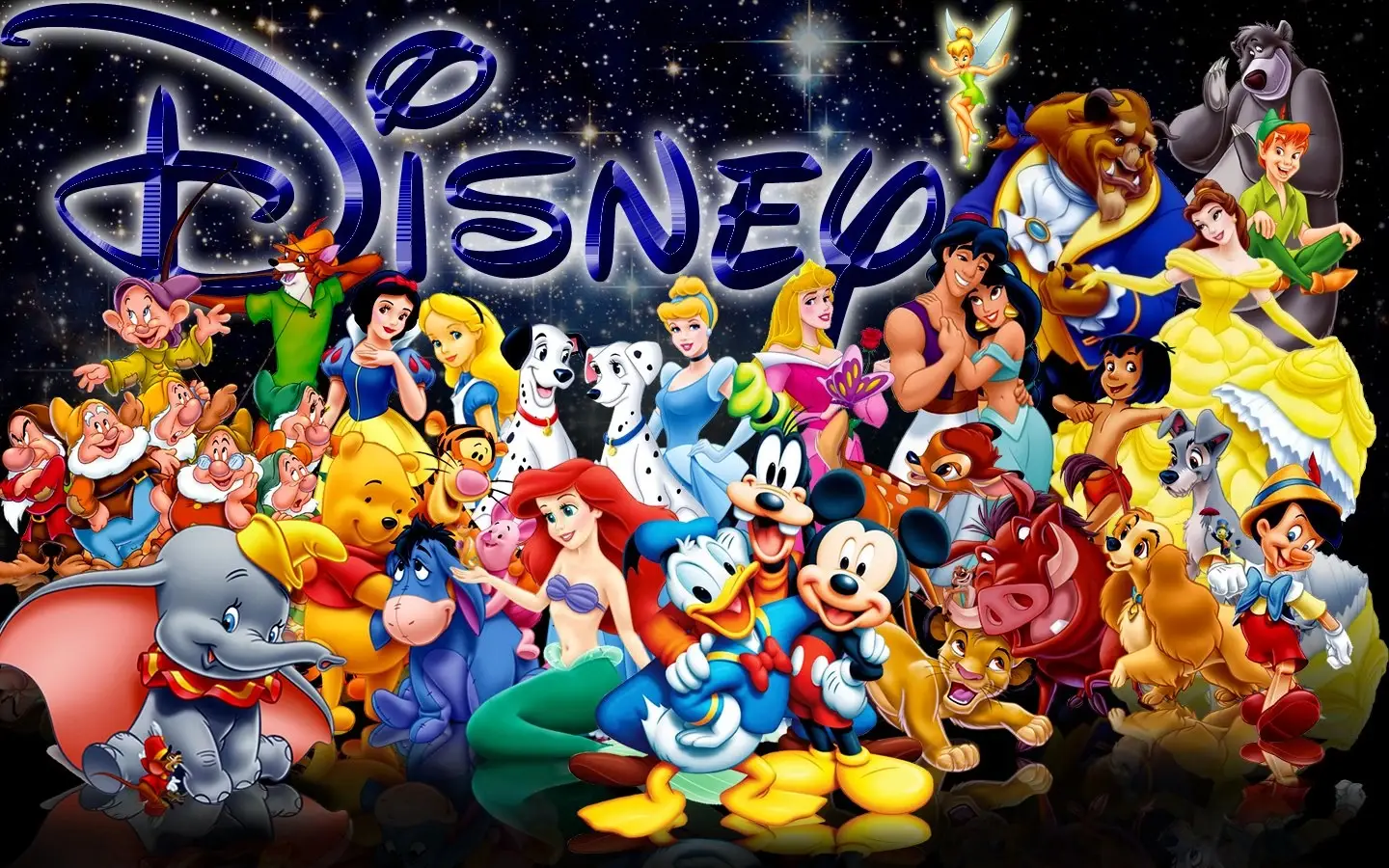
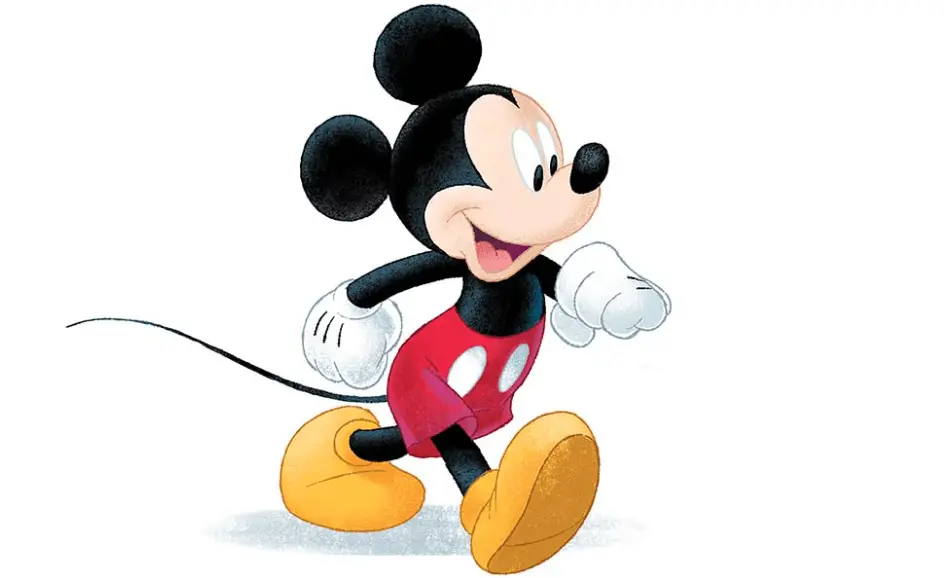
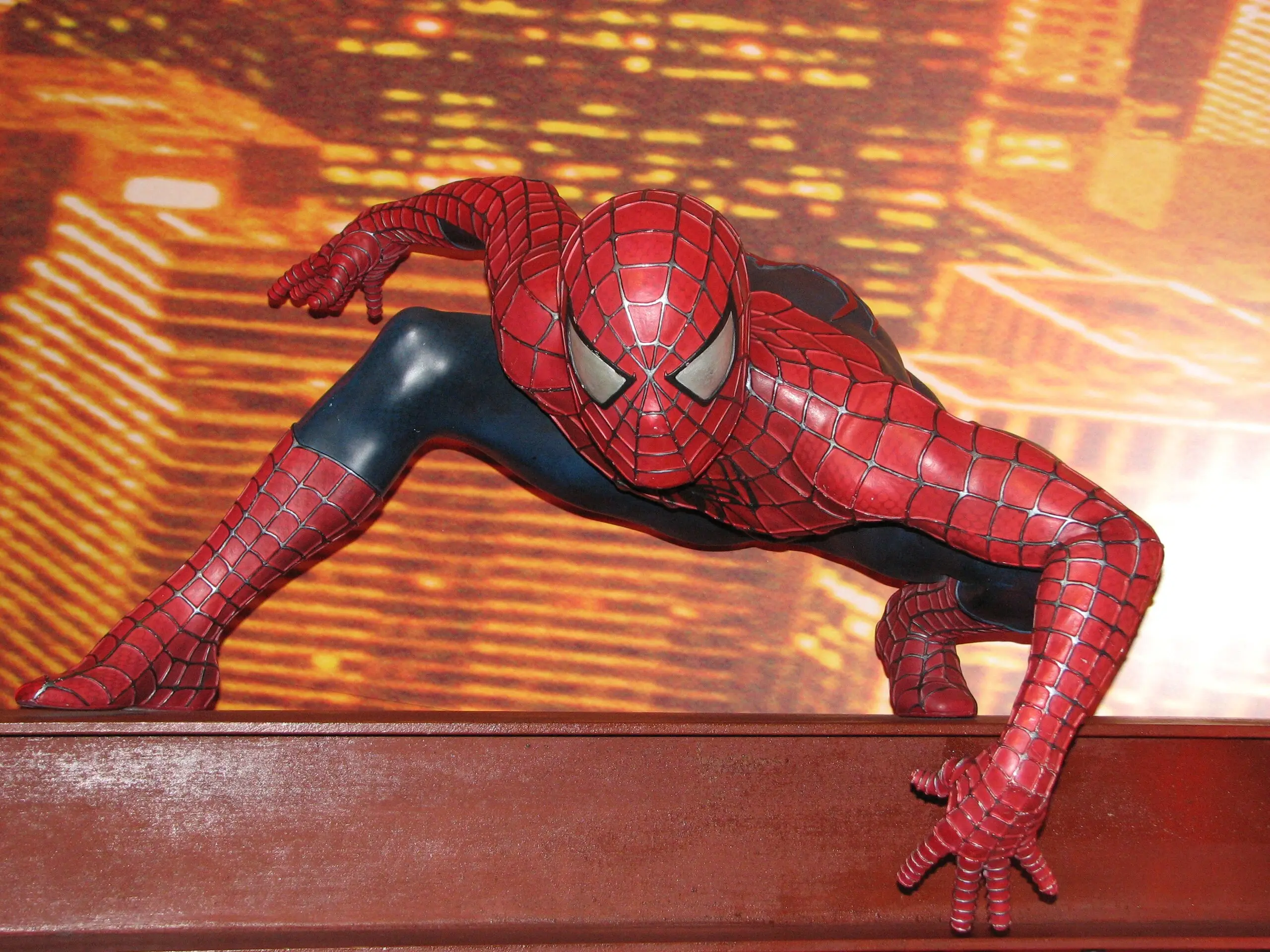
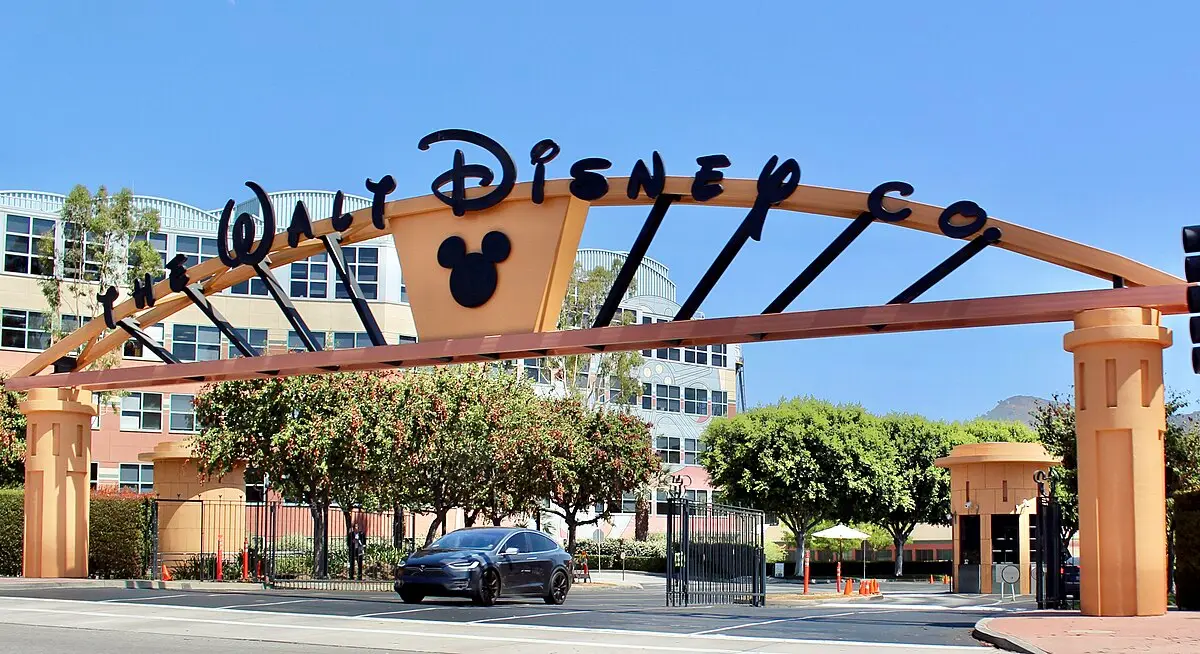
Walt Disney announced a $1 billion equity investment in OpenAI along with a three-year licensing agreement that lets OpenAI’s generative video tool Sora and ChatGPT’s image generator, use more than 200 characters from Disney, Marvel, Pixar and Star Wars franchises in AI-generated short videos and images. The characters include Mickey Mouse, Iron Man, Luke Skywalker, Cinderella and many others, though actor likenesses and voices are excluded from the deal. This content is expected to begin rolling out to the public in early 2026.
2. What Fans Will Actually Be Able to Do
Thanks to the deal, users of OpenAI’s Sora and ChatGPT Images will be able to generate short, fan-prompted videos and graphics featuring licensed Disney characters simply by typing prompts. Some of these AI-created videos may be curated for display on Disney+ itself. The collaboration also paves the way for Disney to embed OpenAI technology into internal tools and Disney+ experiences, while OpenAI gains access to a rich trove of Disney IP for generative content.
3. Why This Is a Major Shift for Hollywood
Disney’s move represents a significant change in stance. Earlier in 2025, many parts of Hollywood were openly sceptical about generative AI tools like Sora and their impact on creative jobs and intellectual property. Major talent agencies and studios, including the Creative Artists Agency (CAA) had warned that generative AI could put artists at risk by creating content without proper credit or compensation. That pushback highlighted deep industry concerns about how training data is sourced and who benefits from AI-generated media.
4. Potential Upsides for Creators and Audiences
The Disney–OpenAI partnership could unlock new ways to engage with beloved characters and stories. Fans may be able to create personalised tributes, reimagine scenes, or explore new narrative twists in short video form using generative AI tools. Disney itself has framed the deal as a way to “extend the reach of storytelling through generative AI” while respecting and protecting creators and their works. The collaboration could also accelerate internal use of AI to streamline workflows, enhance production pipelines and develop innovative tools for creative professionals.
5. Concerns Remain About Artists’ Rights and Compensation
Even as Disney embraces AI, many artists and industry advocates remain cautious. Critics worry that generative AI tools trained on existing media could replicate visual styles without fair compensation to original creators. Hollywood critics have pointed to the lack of clarity around how training datasets are compiled, with reports suggesting tools like Sora have been able to mimic visuals from films and shows without explicit disclosure or consent of creators. The Creative Artists Agency and others have urged clearer policies on credit, compensation and data consent for artists affected by AI.
6. What This Means for the Future of Creative Work
The Disney–OpenAI deal illustrates how major entertainment companies are choosing to engage with AI rather than fight it. By licensing character libraries and investing in AI infrastructure, traditional studios may set new standards for how intellectual property is shared and controlled in a generative AI world. However, the transition raises fundamental questions about the balance between technological innovation and the economic and moral rights of creators, from illustrators and animators to writers, actors and designers.
7. A Turning Point in AI and Entertainment
The partnership stands as a potential blueprint for how large media franchises and tech companies can collaborate responsibly, licensing IP, establishing guardrails, and potentially sharing revenue while exploring new creative frontiers. At the same time, studios, unions and creatives are watching closely, demanding that protections for artists and intellectual property become central to any future AI integration in film, TV and digital content creation.
)
)
)
)
)