Can you identify fake gold with a magnet?

A magnet can expose some magnetic metals in fake gold, but it cannot confirm purity. Pure gold is not attracted to ordinary magnets, so use professional testing and BIS hallmark verification before trusting your jewellery.

Try The Magnet Test
Pure gold is not attracted to ordinary magnets because it is a diamagnetic metal. If a gold ornament strongly sticks to a magnet, it may contain iron, nickel or another magnetic material, but that alone does not prove it is fake.
Why Does Pure Gold Not Stick?
Gold has a weak diamagnetic response, meaning it is slightly repelled by an external magnetic field rather than attracted to it. This property makes a magnet useful for identifying certain magnetic metals, but it cannot establish the purity of a gold ornament.
The Metals That Can Expose Fake Gold
Iron, nickel and cobalt are ferromagnetic metals that can produce a noticeable attraction to a magnet. Some counterfeit or mixed-metal jewellery may contain these materials, although genuine gold ornaments can also have magnetic clasps, springs or other components.
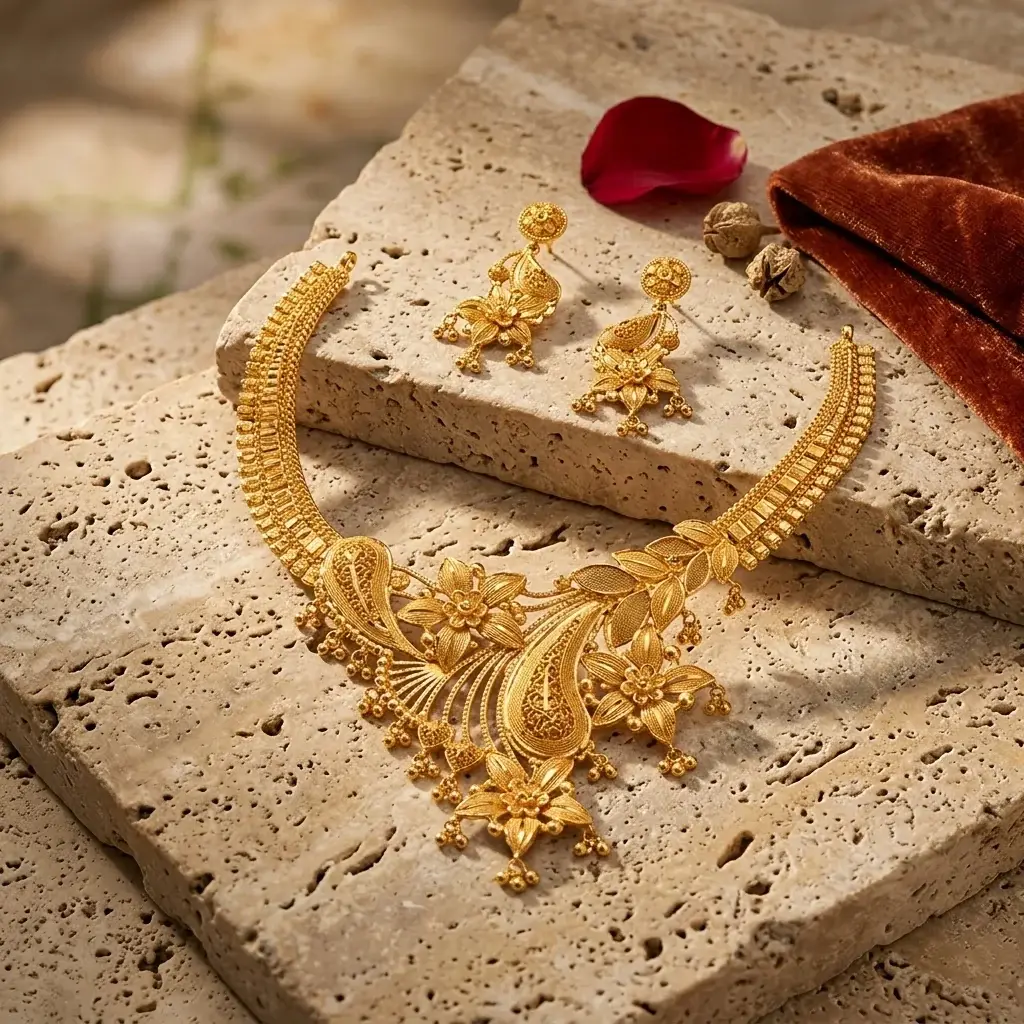
What If Your Gold Does Not Stick?
A non-magnetic result does not guarantee that jewellery is genuine gold or has the purity claimed by the seller. Metals such as copper, silver, zinc and aluminium are also not strongly attracted to ordinary magnets and can be used in imitation jewellery or gold alloys.

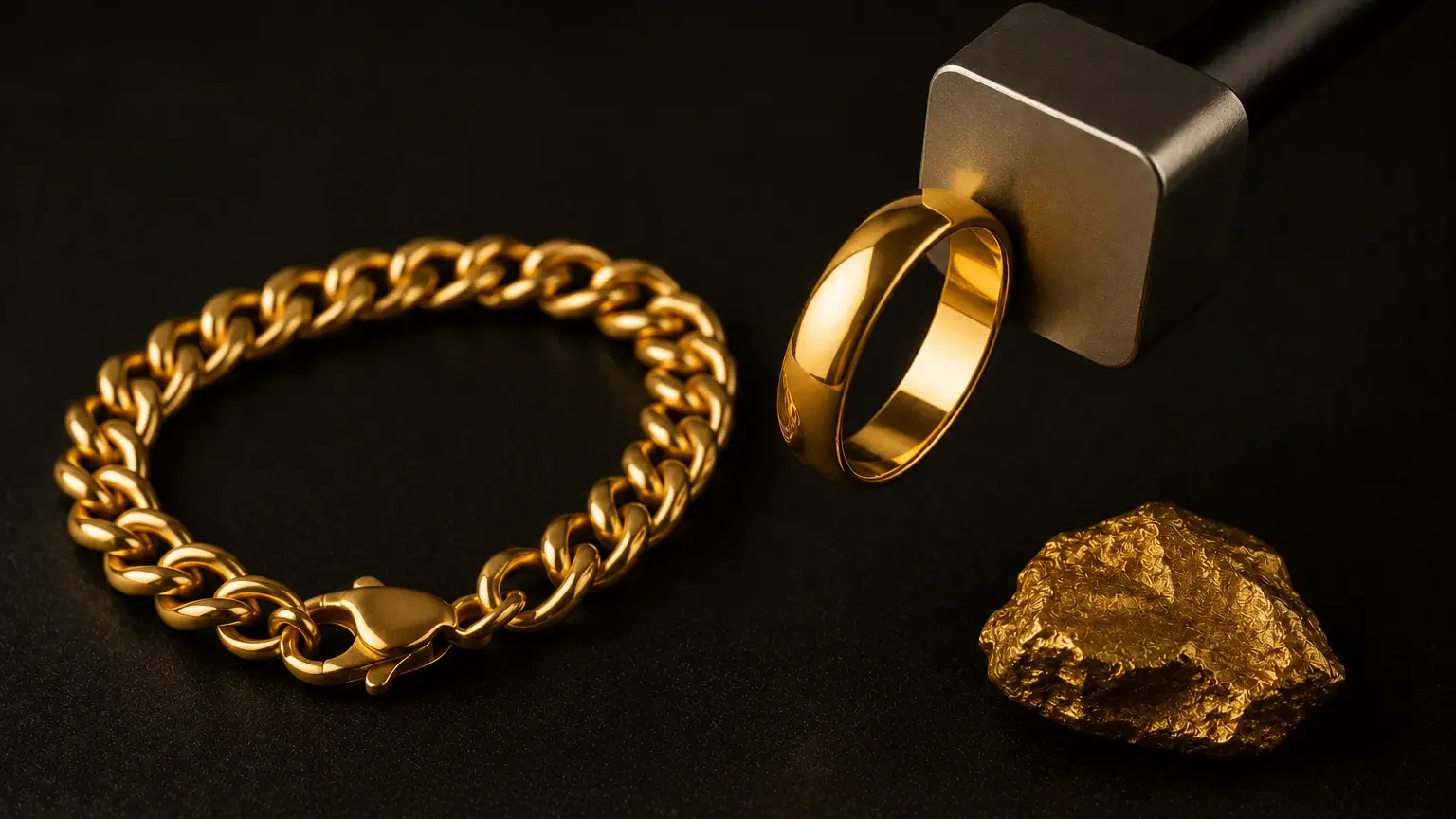
Try A Strong Neodymium Magnet
Neodymium magnets produce a stronger magnetic field than common household refrigerator magnets and can make the test more sensitive to magnetic components. However, even a powerful magnet cannot distinguish 22K gold from 18K gold or reliably detect every form of gold adulteration.

Why The Magnet Test Can Mislead You
Gold-plated jewellery, non-magnetic imitation metals and certain mixed-metal alloys may all pass a basic magnet test. The result also depends on the magnet's strength, the item's construction and whether magnetic components are present, so it should never be treated as a definitive purity test.
Use Professional Gold Testing
For a more reliable assessment, ask a recognised testing centre to examine the ornament using X-ray fluorescence (XRF) or an appropriate laboratory method. In India, buyers can approach BIS-recognised Assaying and Hallmarking Centres and verify the six-character HUID through the BIS Care app.