Can you keep your LPG cylinder after getting a PNG connection?

Amid a severe global energy crisis triggered by disruptions in the Strait of Hormuz, the Indian government has enacted strict new fuel regulations. Households with access to Piped Natural Gas (PNG) are now required to surrender their domestic LPG connections to optimise national reserves.
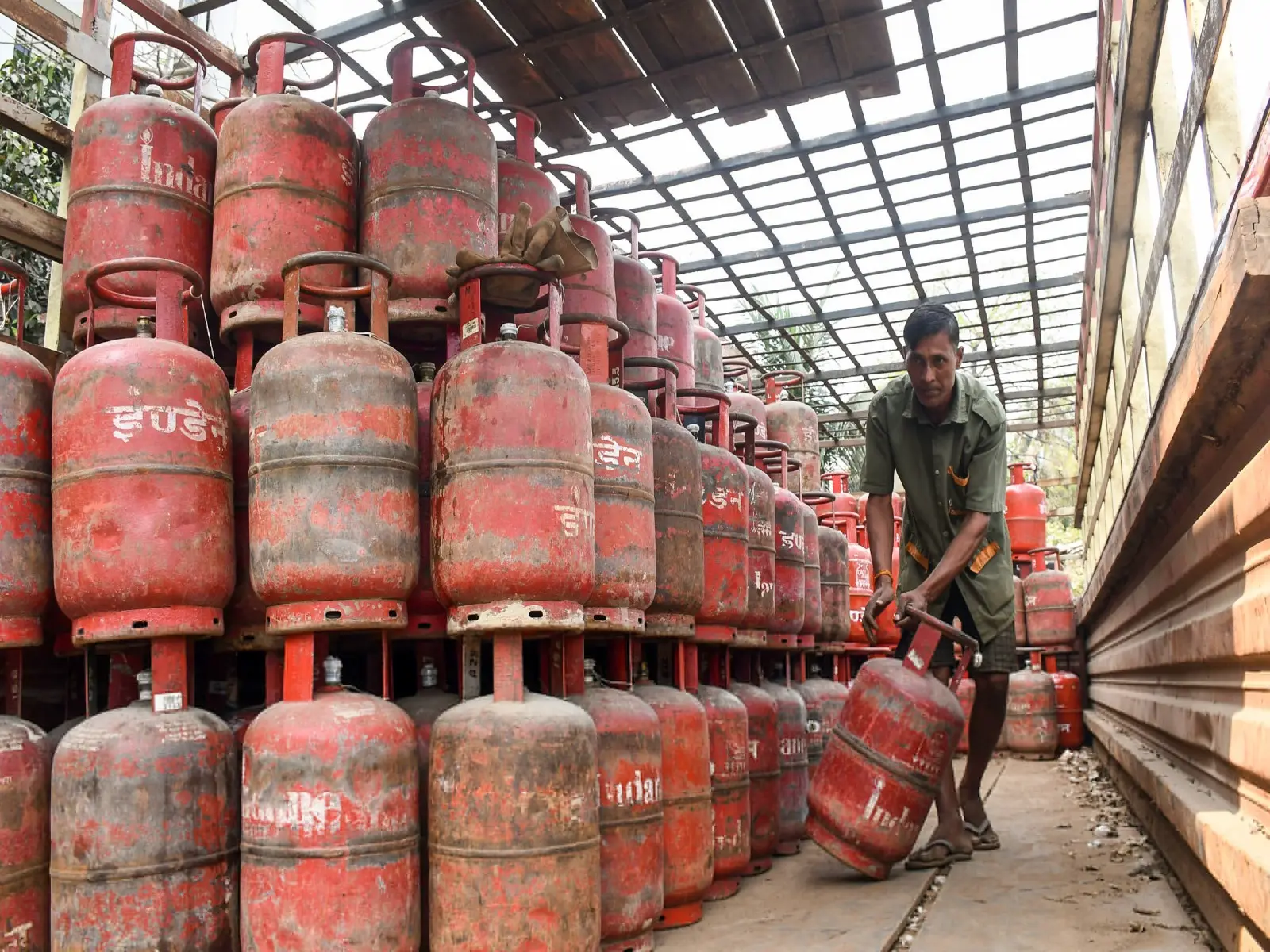
Mandate
Under the Essential Commodities Act, the Ministry of Petroleum and Natural Gas issued a critical order in March 2026. It strictly prohibits consumers from holding both a domestic LPG connection and a PNG supply simultaneously to prevent fuel hoarding.
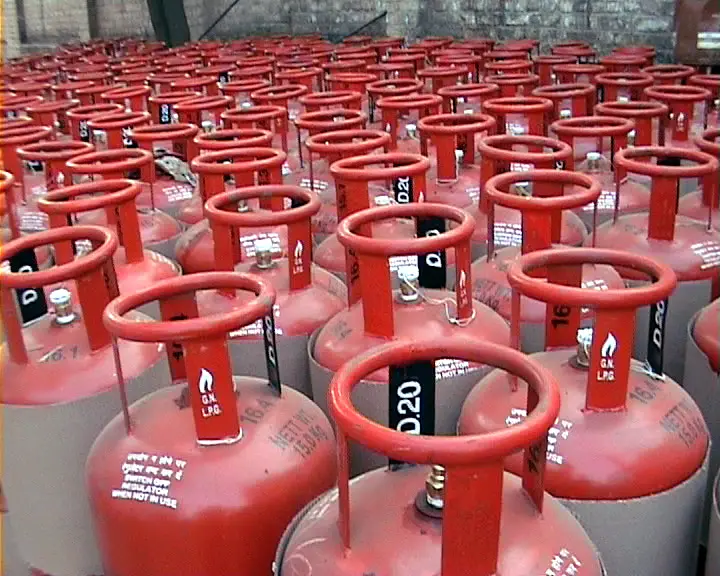
Mandatory Surrender Rule
According to the latest government notification, any person with an active PNG connection must immediately surrender their domestic LPG cylinder. Government oil companies and distributors are explicitly barred from providing refills to dual-connection holders.

The Three-Month Ultimatum
The government is aggressively enforcing the transition to piped gas to secure energy supplies. For households in areas where PNG infrastructure is already laid, domestic LPG supplies will be completely cut off after a strict three-month notice period.
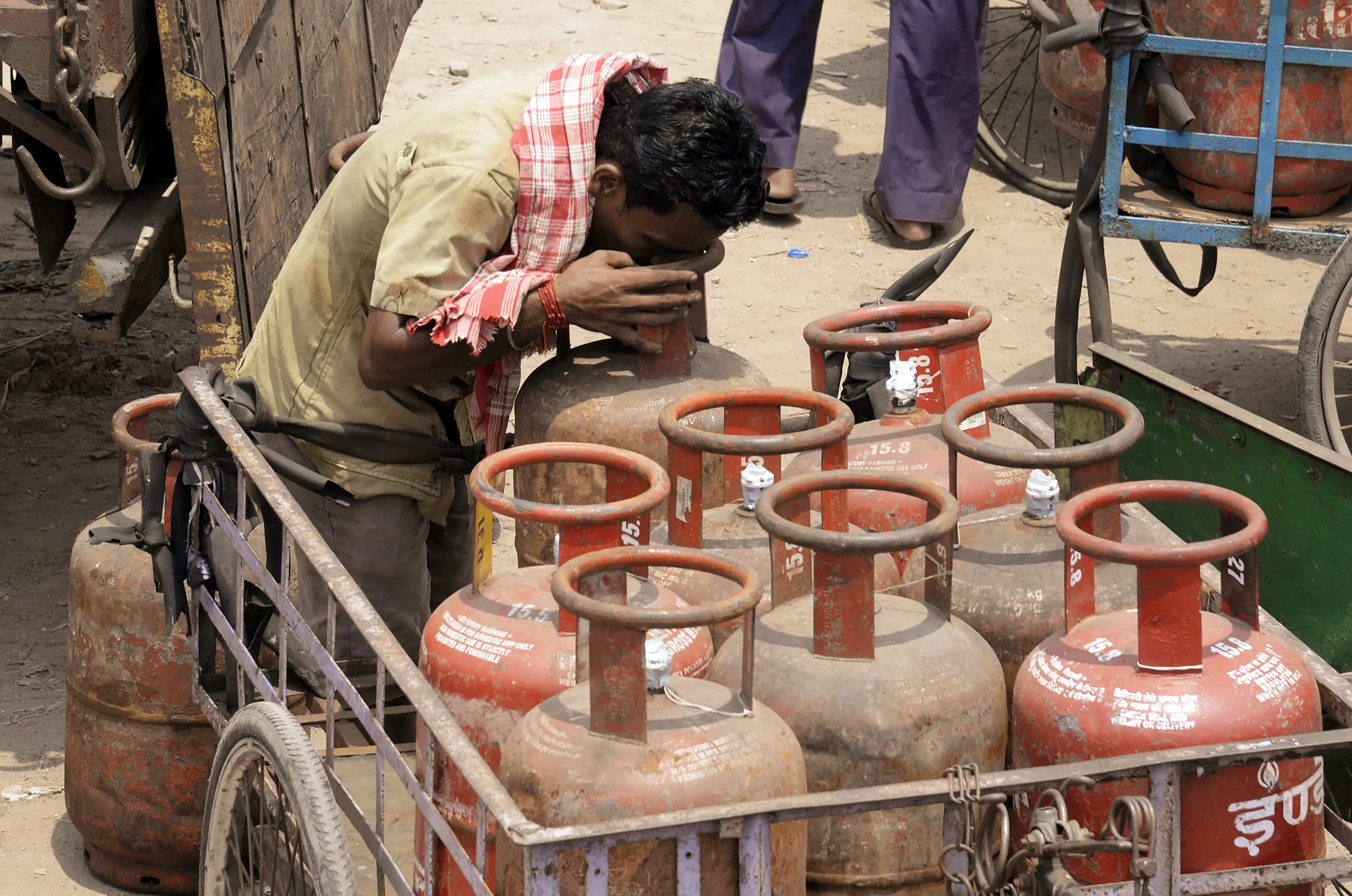
Exception
There is only one legal loophole to this strict new policy. If an authorised city gas distributor issues a 'no-objection certificate' proving that a piped connection is technically infeasible for a specific home, the LPG supply will be allowed to continue.
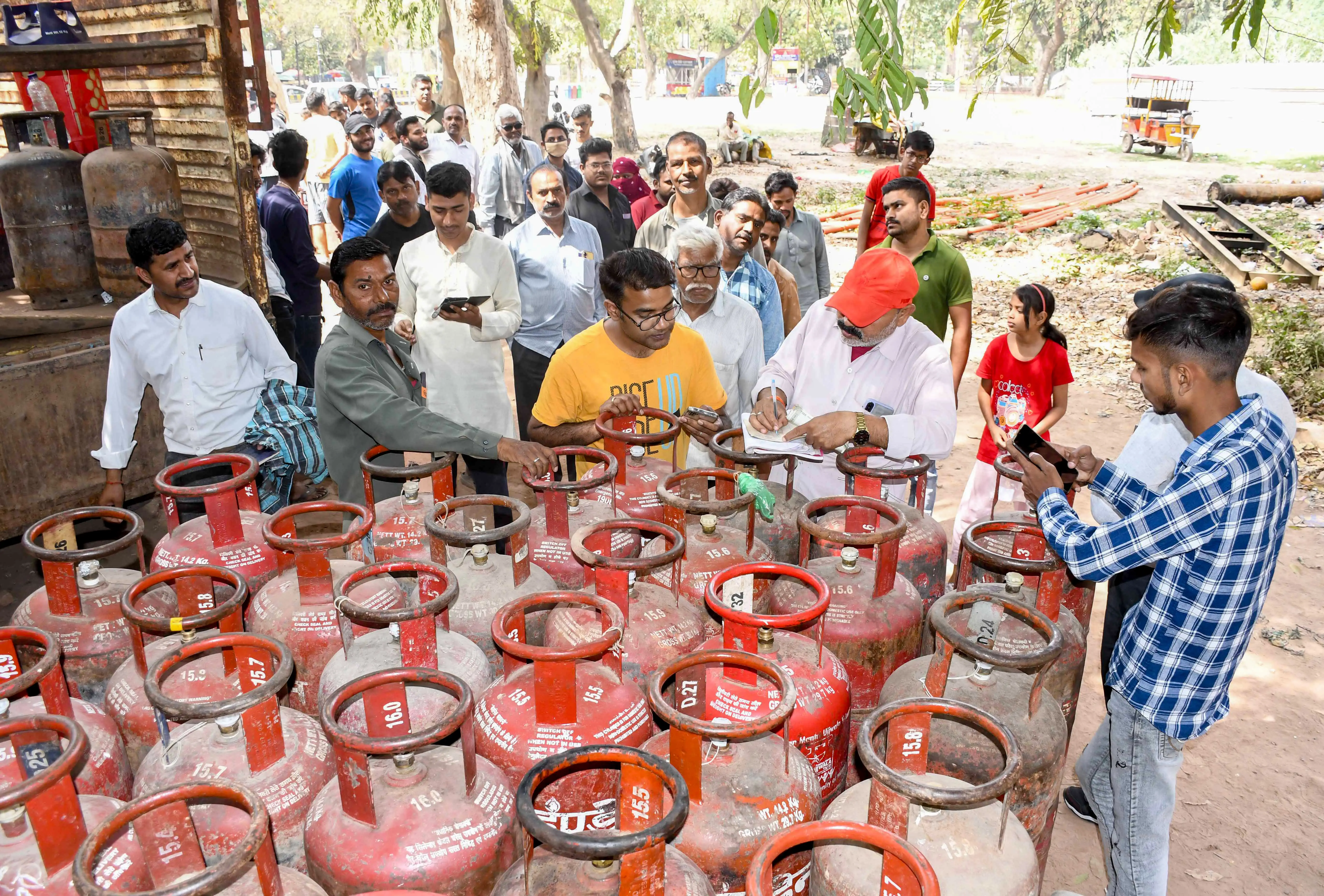
The Geopolitical Catalyst
This drastic domestic policy shift is driven by an escalating geopolitical crisis in West Asia. The continued blockage of the Strait of Hormuz has severely disrupted global shipping, forcing the Indian government to fiercely protect its imported LPG stockpiles.
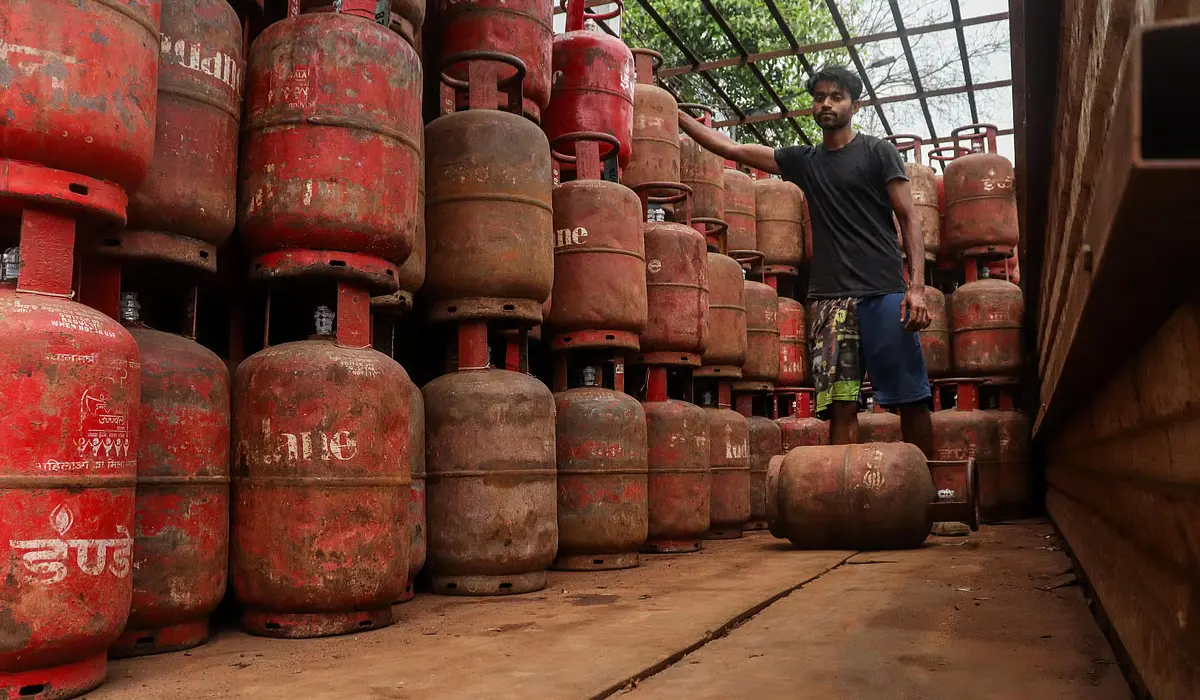
Redirecting Fuel Supplies
India currently imports nearly 60 per cent of its total LPG requirements. By forcing PNG-connected urban homes to surrender their cylinders, authorities can divert crucial LPG supplies to rural regions that lack pipeline infrastructure.
Rapid Pipeline Rollouts
To accelerate this transition, the Petroleum and Natural Gas Regulatory Board (PNGRB) has introduced sweeping infrastructure reforms. City gas entities must now provide last-mile PNG connectivity within 48 hours of an application to ensure uninterrupted cooking fuel access.
)
)
)
)
)