Can you guess Asia’s 6 most dangerous nations and where India ranks?

Lower scores denote stability, higher ones danger. In 2024, the GPI ranges from Iceland’s tranquil 1.112 to Yemen’s dire 3.397, with Asia’s average of 2.228 surpassing the global mean of 2.10, reflecting a region on edge.
Introduction
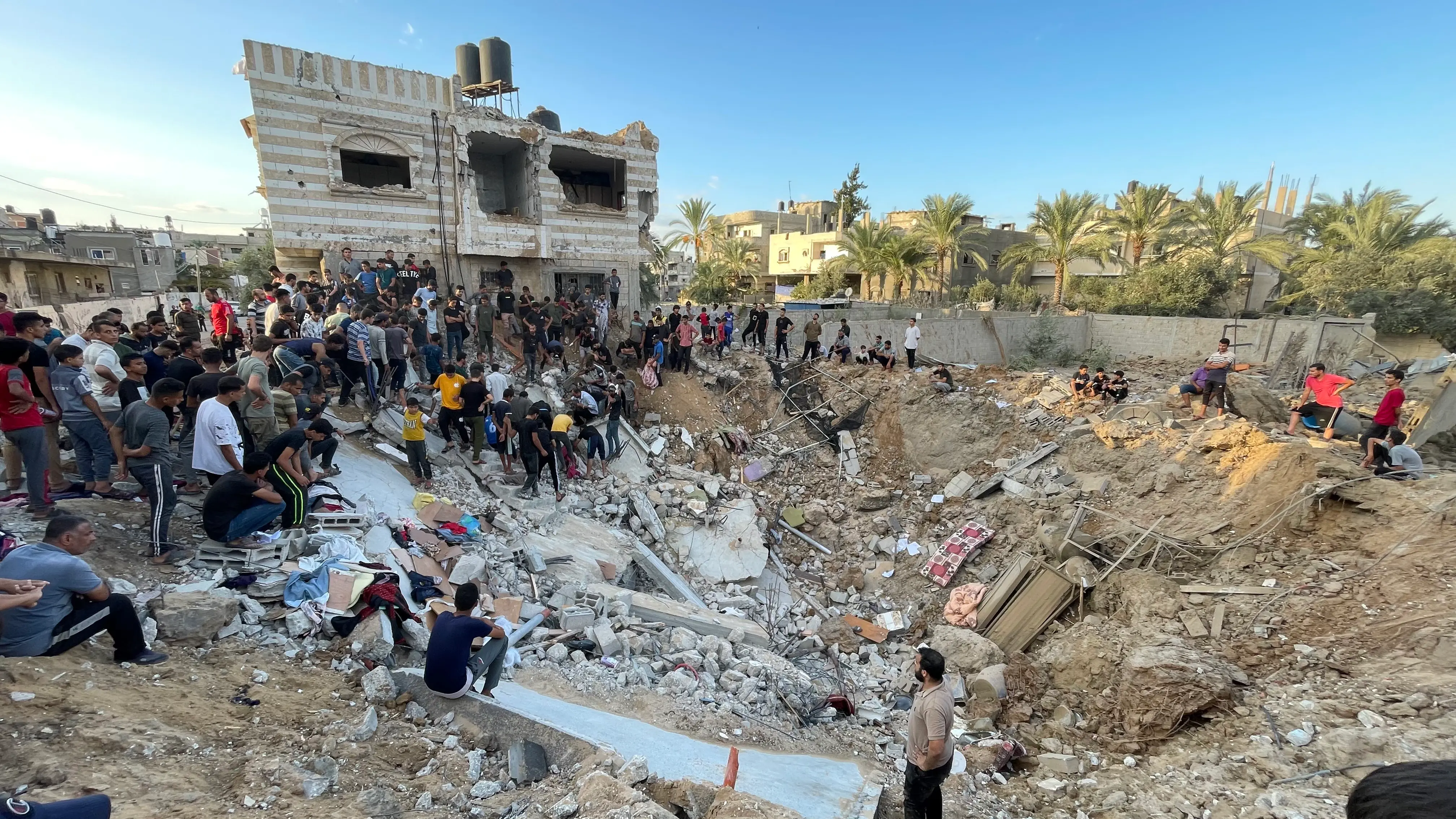
Asia, a continent of dizzying diversity, is also a crucible of conflict, where ancient rivalries and modern geopolitics collide. The Global Peace Index (GPI), crafted by the Institute for Economics and Peace, measures peace across 163 countries using 23 indicators spanning conflict, societal safety, and militarisation. Lower scores denote stability, higher ones danger. In 2024, the GPI ranges from Iceland’s tranquil 1.112 to Yemen’s dire 3.397, with Asia’s average of 2.228 surpassing the global mean of 2.10, reflecting a region on edge. The World Population Review’s 2024 rankings spotlight Asia’s most volatile nations, so here's a list of the seven most dangerous Asian countries:
1.Yemen
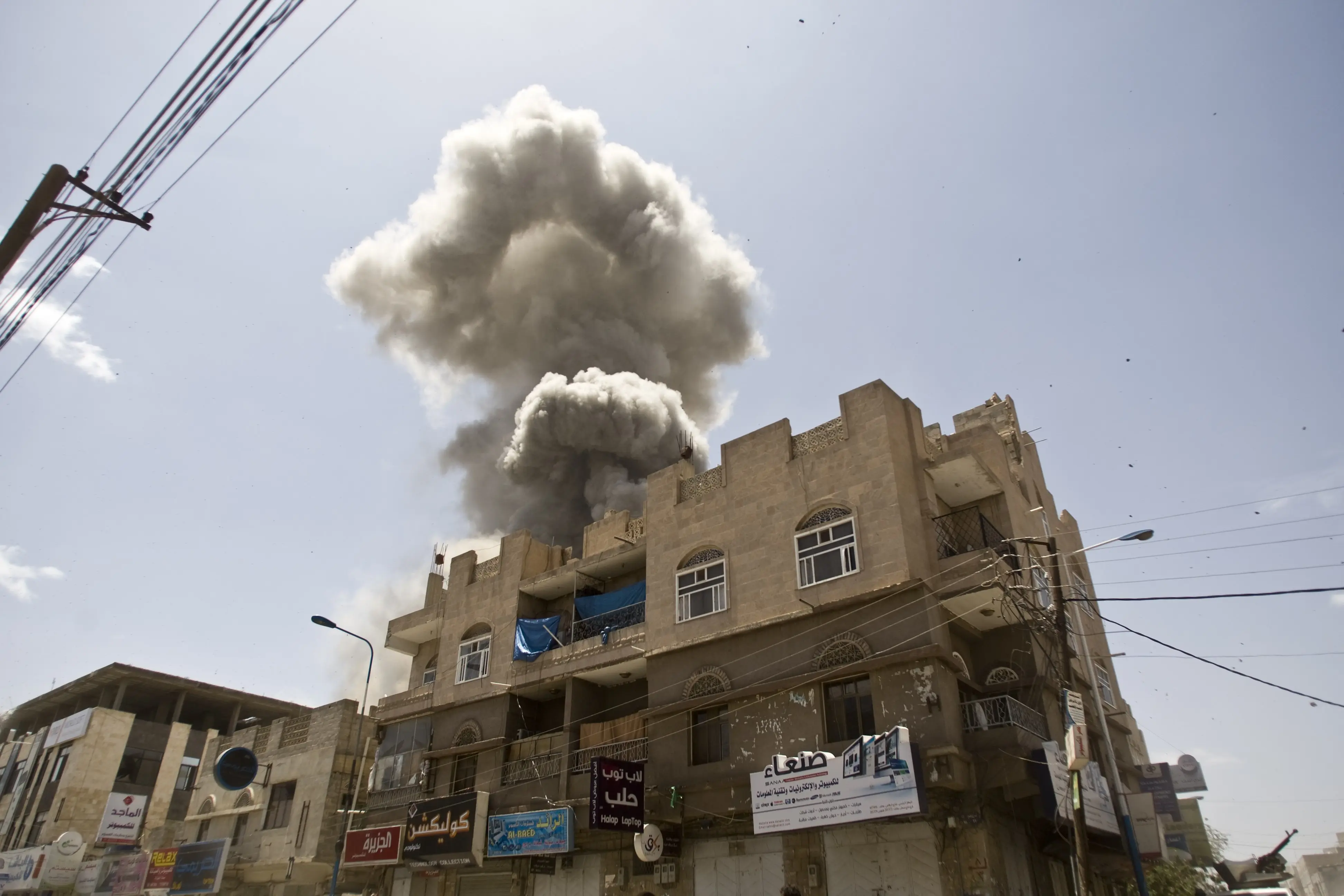
Yemen tops Asia’s danger list with a GPI score of 3.397, a grim reflection of its decade-long civil war. The Houthi rebellion, backed by Iran, battles a Saudi-led coalition, devastating a nation where 80 per cent of the population, over 24 million, relies on humanitarian aid, per United Nations reports. In May 2025, Israel launched a series of airstrikes against the Houthi movement in Yemen. Airstrikes, famine, and cholera outbreaks have killed over 1,50,000 since 2015, with the Uppsala Conflict Data Program noting a surge in proxy warfare. Yemen’s fractured governance and strategic position on the Red Sea make it a geopolitical flashpoint, rendering peace elusive.

2. Afghanistan
Afghanistan, scoring 3.294, ranks second, a marginal improvement from 2023’s 3.448, yet still a land of unrelenting strife. The Taliban’s 2021 takeover crushed hopes of stability, with their draconian rule fuelling economic collapse and starvation; 90 per cent of Afghans face food insecurity, per the World Food Programme. Insurgencies by groups like the Islamic State-Khorasan persist, while internal dissent meets brutal suppression. The GPI’s metrics, high terrorism impact and low societal safety, cement Afghanistan’s place as a vortex of chaos.
3. Russia
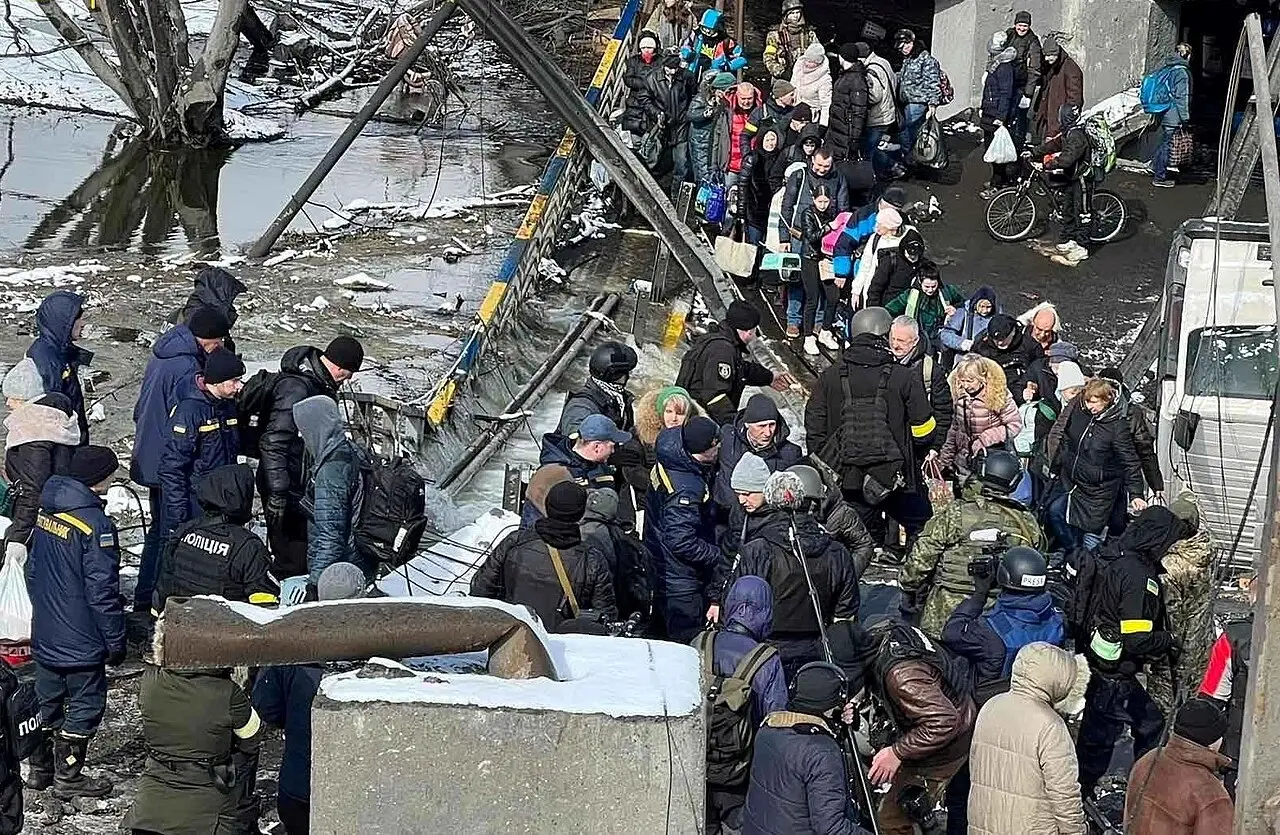
Russia, with a GPI of 3.249, claims third place, its Asian territories tainted by the Ukraine war’s ripple effects. The war, now in its third year, has spiked militarisation, with defence spending soaring 20 per cent since 2022, per Stockholm International Peace Research Institute data. Domestic dissent faces crackdowns, and Siberia’s ethnic minorities endure forced conscription. Vision of Humanity’s GPI notes Russia’s high conflict scores, driven by external aggression and internal repression, making its vast Asian expanse a restless frontier.
4. Syria
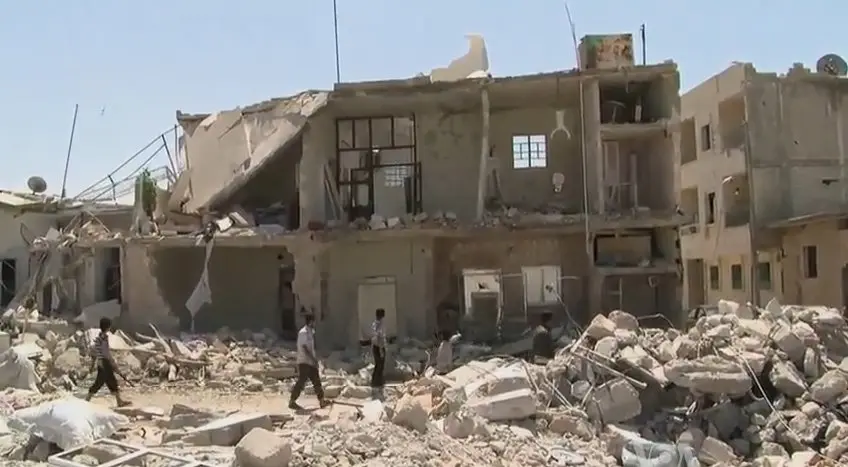
Syria’s 3.173 score places it fourth, scarred by a 13-year civil war that has killed over 500,000 and displaced half its population, according to Human Rights Watch. Assad’s regime, bolstered by Russia and Iran, clashes with rebels and jihadists, while chemical attacks and sieges persist. The GPI highlights Syria’s dismal safety metrics, with refugee flows destabilising neighbours like Turkey. Its fractured state, riddled with foreign proxies, remains a humanitarian catastrophe and a regional tinderbox.
5. Israel
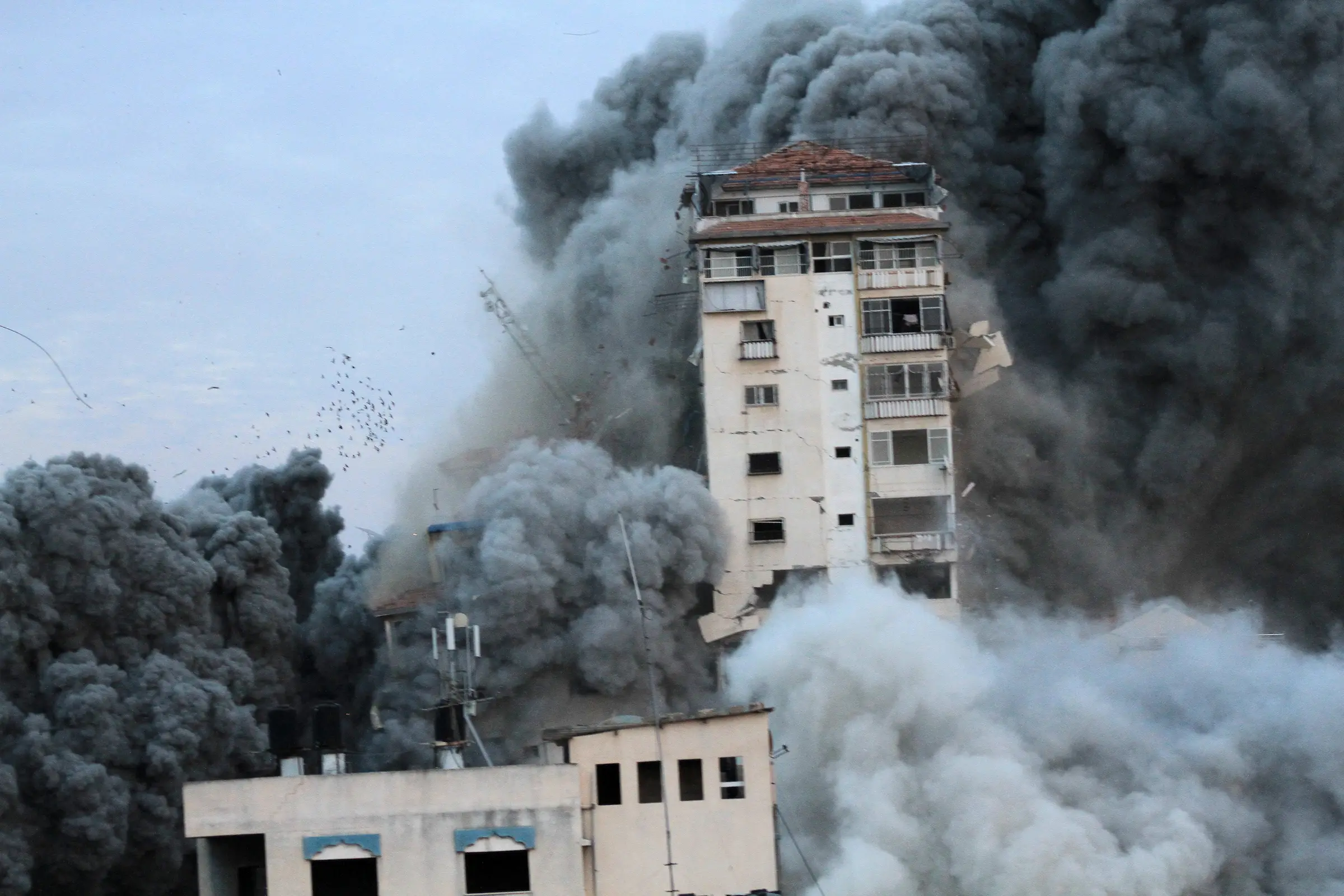
Israel, fifth at 3.115, has seen its GPI score worsen from 2.776 in 2022, driven by the October 2023 Hamas attack and the Gaza war. Over 40,000 deaths, mostly Palestinian, have ensued, per UN estimates, with Hezbollah’s northern strikes escalating tensions. The GPI’s conflict indicators, rising militarisation and terrorism risks, reflect Israel’s precarious position. Its advanced military and societal resilience are offset by relentless border threats, making peace a distant prospect.
6. North Korea
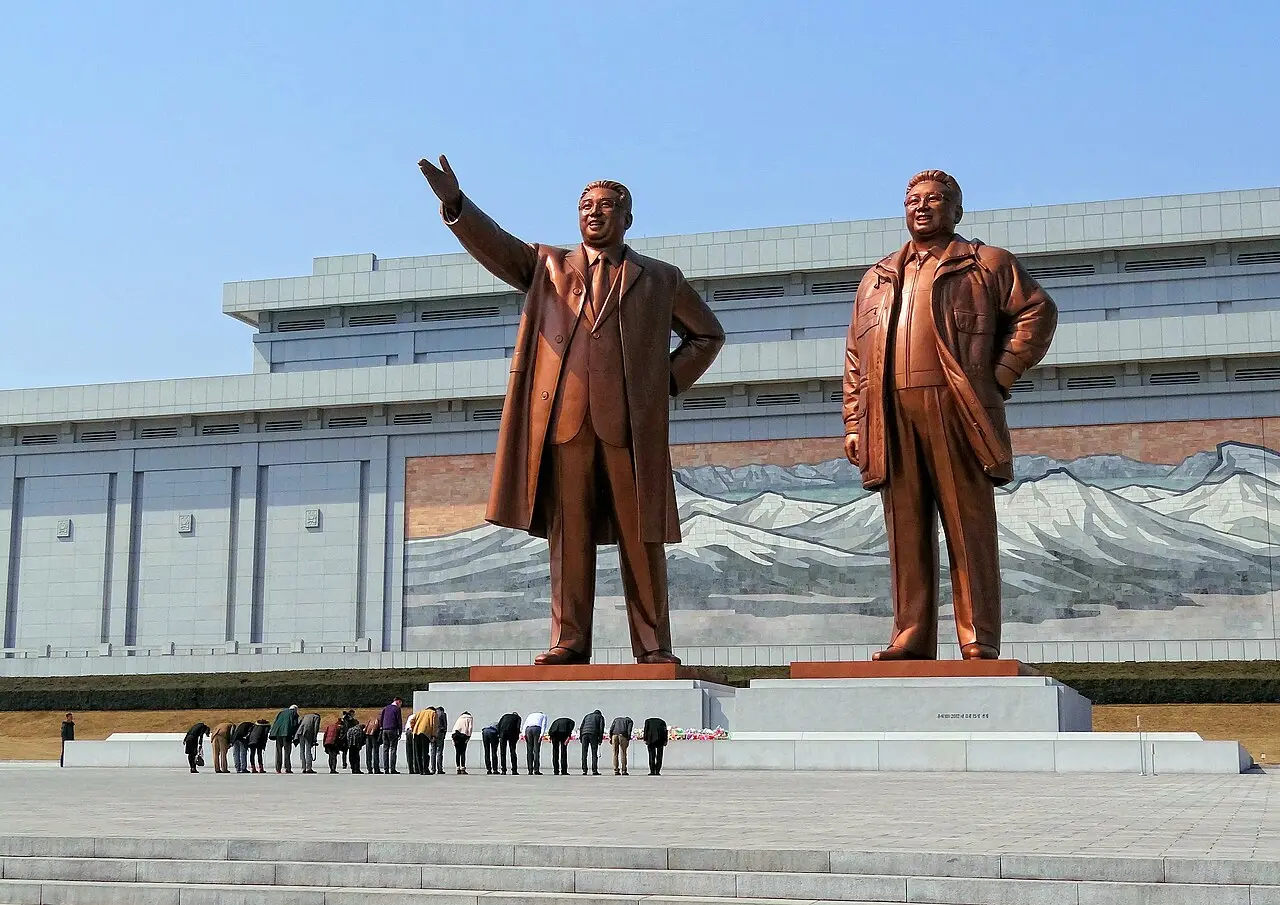
North Korea, with a 3.055 score, ranks sixth, its opacity masking a regime built on repression and nuclear brinkmanship. The GPI flags its massive military spending, up to 25 per cent of GDP, per Arms Control Association estimates, and zero tolerance for dissent. Missile tests and border provocations with South Korea keep tensions high, while famine threatens millions. North Korea’s isolation amplifies its danger, a black box of authoritarian menace.

Pakistan
Pakistan, ranked 10th with a GPI of 2.783, is a nation teetering on collapse. Its military’s obsession with India fuels border skirmishes, diverting resources from rampant terrorism by groups like Tehrik-i-Taliban. Corruption cripples governance, while economic woes, 40 per cent inflation in 2023, per World Bank, spark unrest. Nuclear ambitions and political turmoil make Pakistan a reckless regional menace.
India
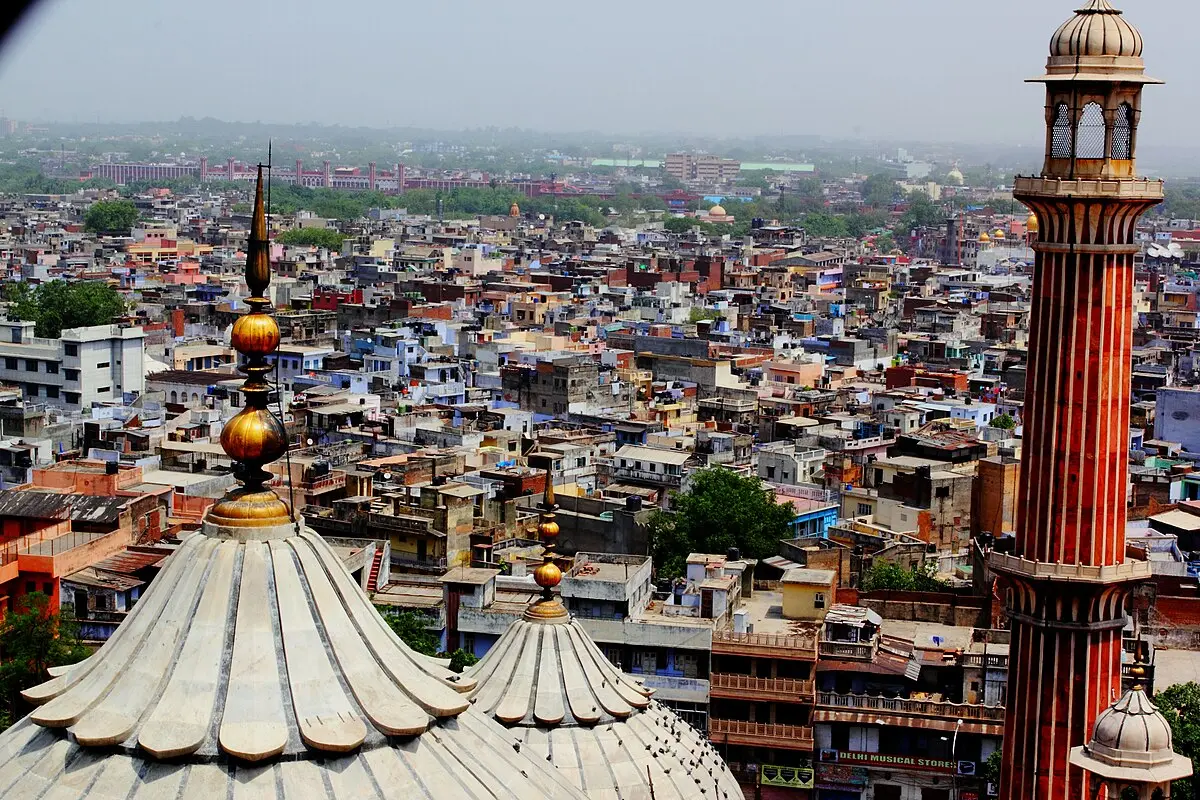
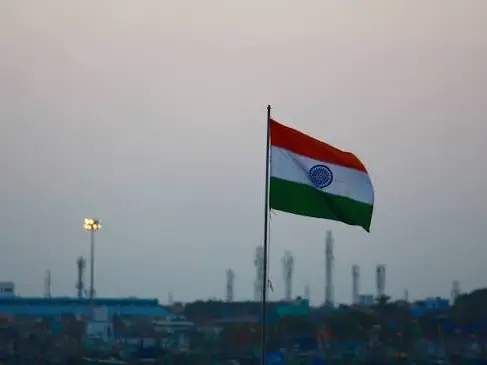
India, ranked 14th with a GPI of 2.319, balances progress and peril. Communal violence, like 2023’s Manipur clashes displacing 60,000, and Naxalite insurgencies in the east drive its score, per South Asia Terrorism Portal. Border disputes with China and Pakistan, the Pahalgam attack add external strain. Yet, India’s democratic institutions and economic growth temper outright chaos, outperforming Pakistan (2.783, 10th) but trailing Japan (1.525, 45th). Its challenges demand vigilance, but stability holds, for now. Asia’s top seven dangerous nations reveal a spectrum of crises, war, tyranny, and territorial feuds, while India’s mid-tier rank underscores its delicate dance between order and unrest.
)
)
)
)
)