Can you buy a fighter jet? Step-by-step guide to own a war machine as a civilian

The moment you even think of buying a jet, you’ll need clearance from your country's aviation and defence authorities. In India, the Directorate General of Civil Aviation (DGCA) must sign off. In the US, it's the FAA.
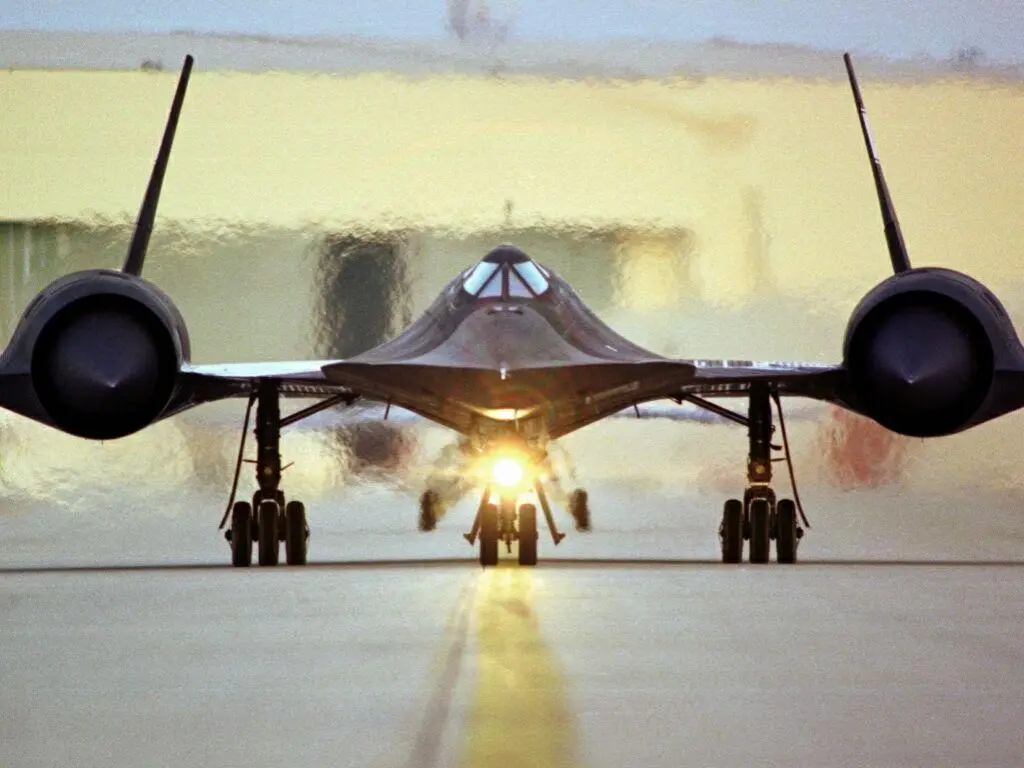
Pick Your Jet: Know What You’re Buying
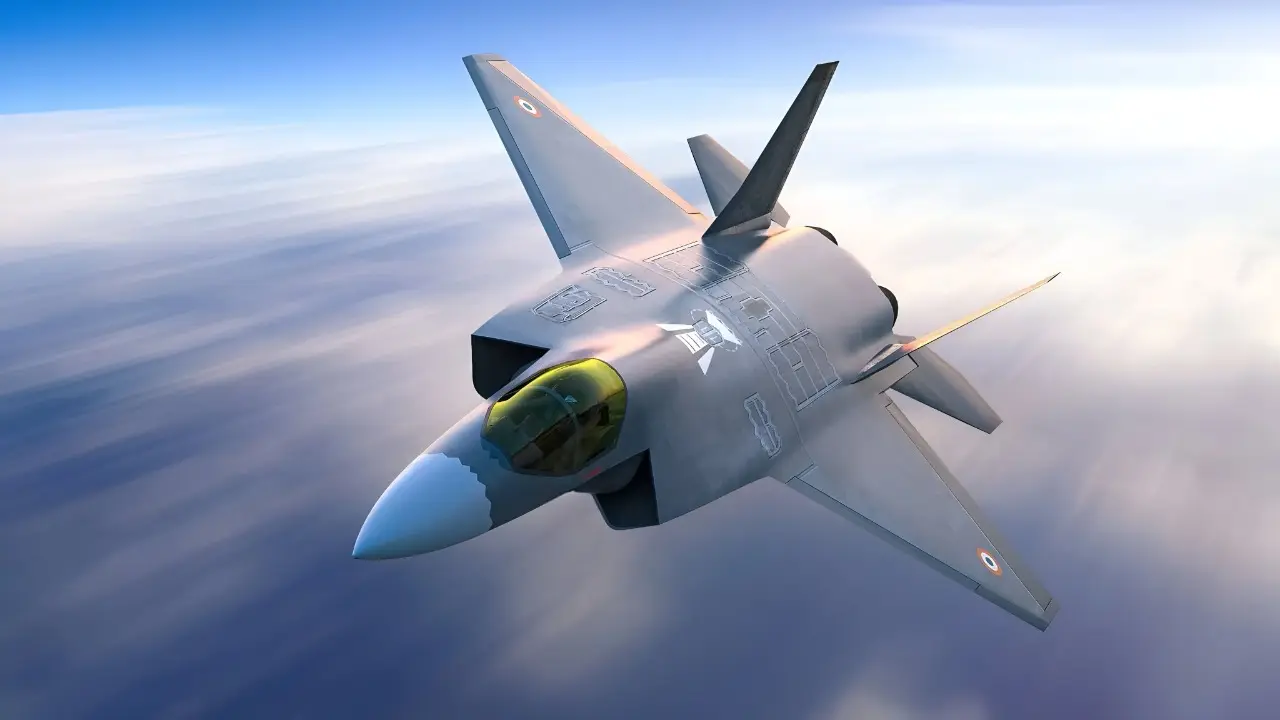
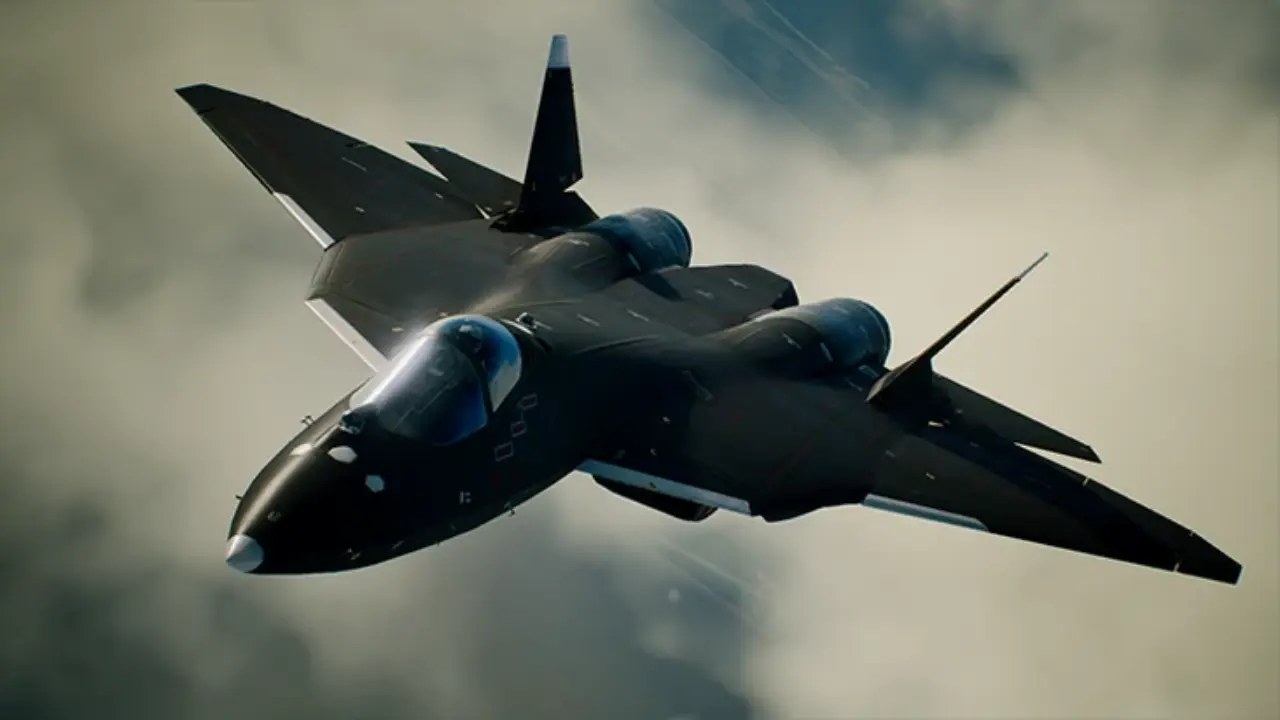
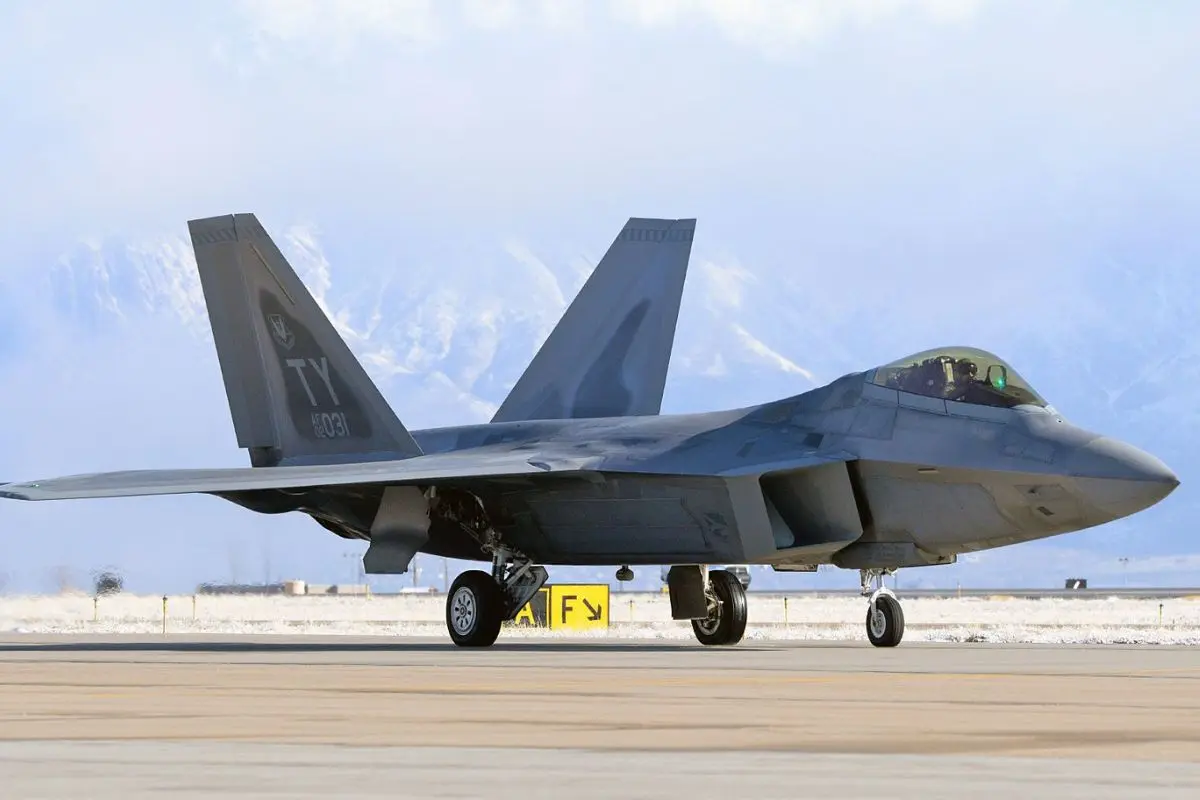
Civilians can't just buy any fighter jet, only retired or decommissioned jets are typically available. Think Soviet-era MiGs, American F-5s, Czech L-39 Albatros, or older trainers like the British Hawker Hunter. These jets are sold without weapon systems and sensitive tech. Forget about owning an F-22 or Rafale, governments won’t sell cutting-edge hardware to the public.
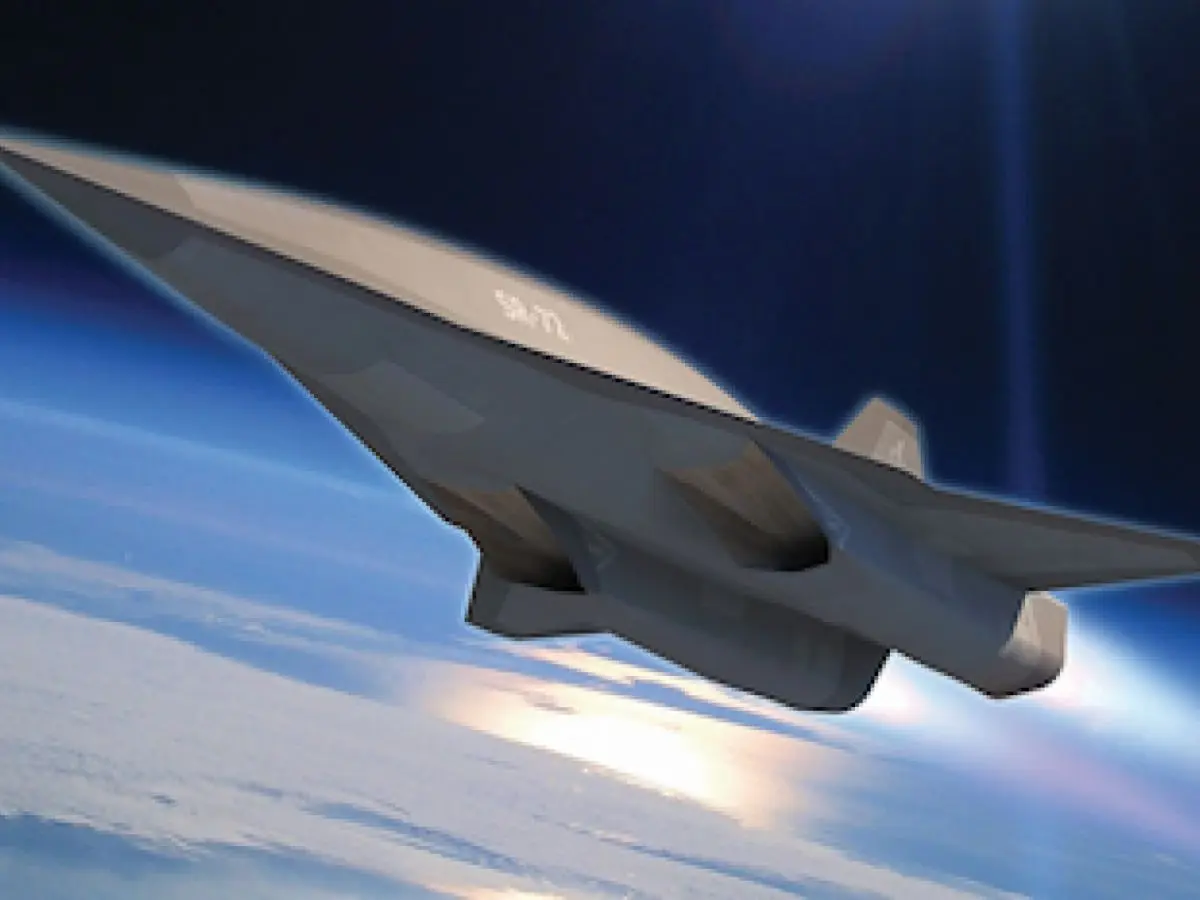
Find a Seller: Go Where the Ex-Military Jets Live
Once you've picked your model, it’s time to hunt for it. Military surplus auctions, aircraft brokers, and aviation collectors are your best bet. Websites like Controller.com or JetLease.com occasionally list ex-military jets. Some aircraft restoration companies also acquire jets, refurbish them, and sell them ready-to-fly. Just be cautious, buying directly from foreign governments or shady middlemen could land you in serious legal trouble.
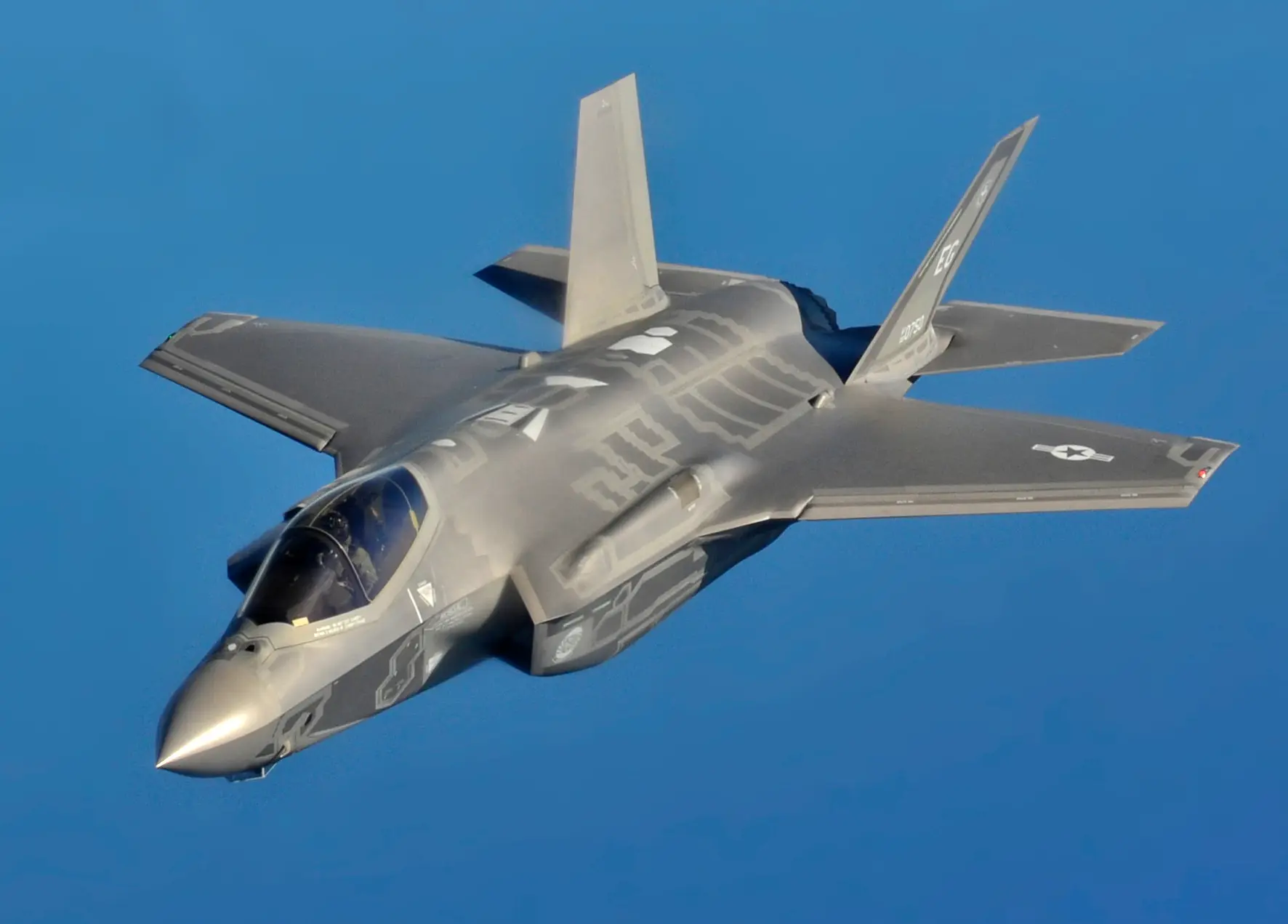
Get the Approvals: Legalise Your War Toy
The moment you even think of buying a jet, you’ll need clearance from your country's aviation and defence authorities. In India, the Directorate General of Civil Aviation (DGCA) must sign off. In the US, it's the FAA. You’ll also need to show that the aircraft is demilitarised, airworthy, and safe for civilian flight. This process is often slow, expensive, and involves lots of documentation.
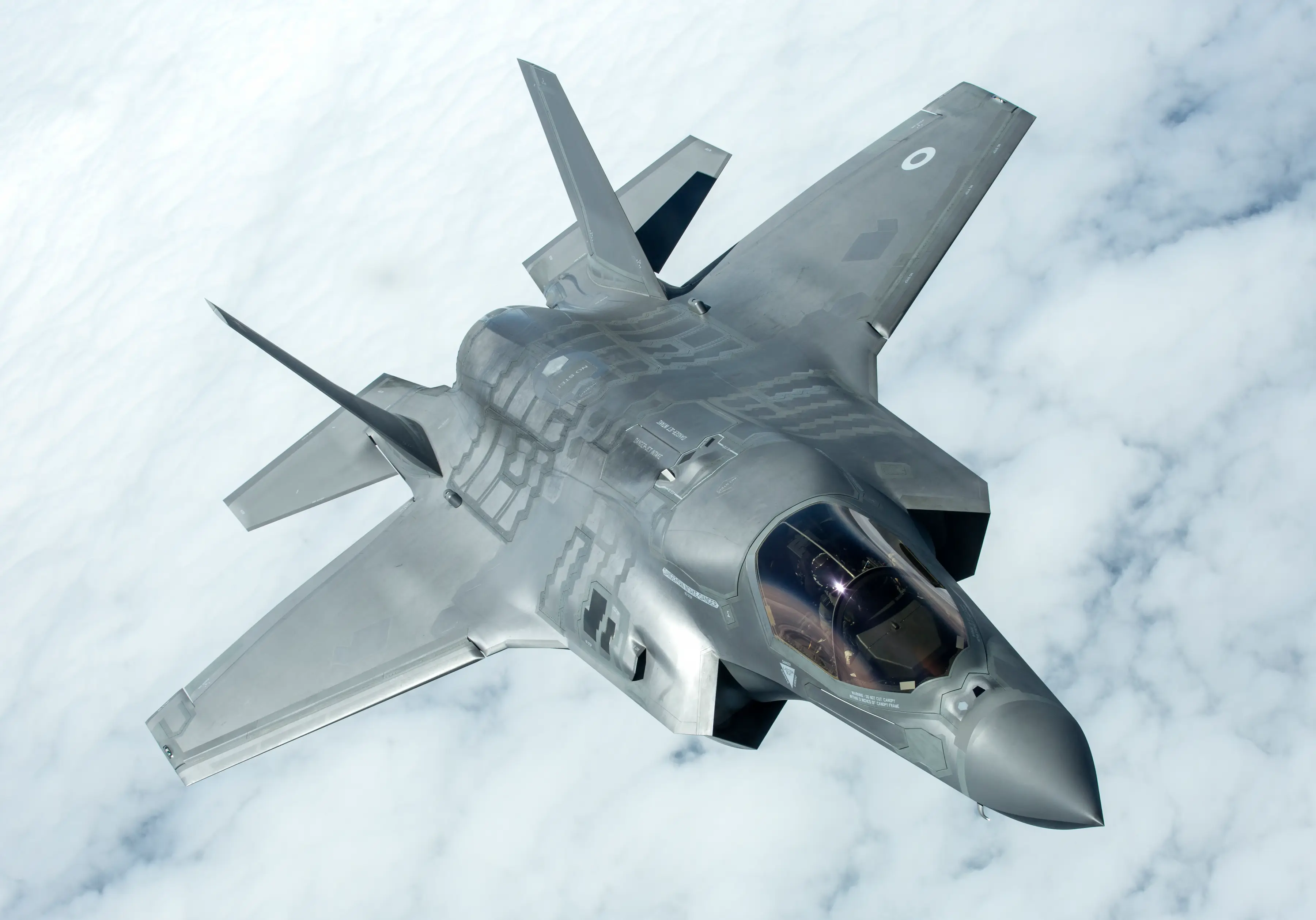
Arrange the Import & Customs Paperwork
If your dream jet is sitting in a hangar in Ukraine or South Africa, importing it is a serious operation. You'll need an export license from the country of origin and an import permit from your own government. Customs duty, defence ministry clearance, and end-use certificates may be required. Some countries even refuse imports of specific models due to national security risks.
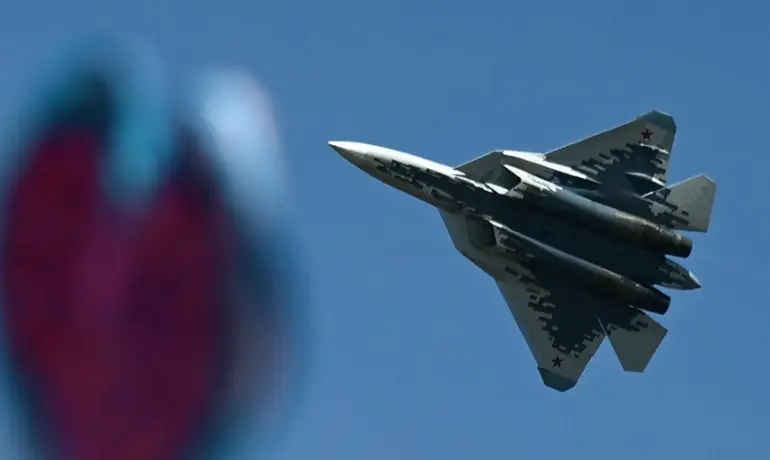
Pay the Price: It’s Not Just the Jet, It’s the Everything
Buying the aircraft is just the beginning. While a basic trainer jet like the L-39 can cost around $250,000, rarer jets like the MiG-29 can shoot up to $5–10 million. And then there’s the maintenance, upgrades, fuel, insurance, storage, and crew costs. You’ll be spending lakhs (or crores) each year to keep it flight-ready, it’s like owning a flying Ferrari that needs a new engine every few months.
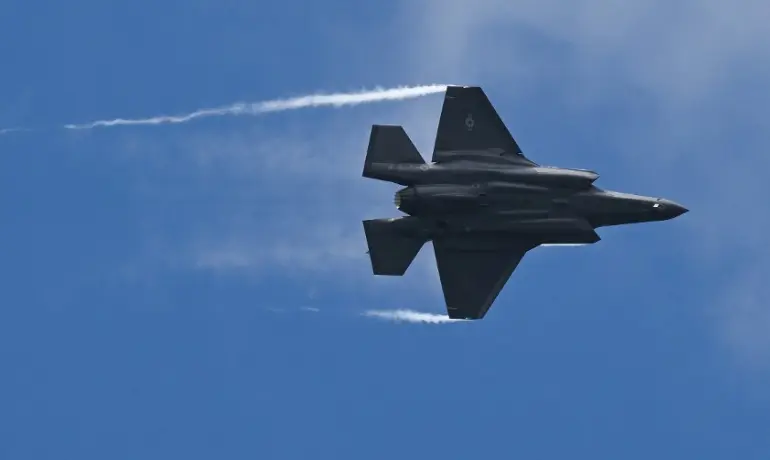
Get Trained: You Can’t Fly Without It
A Private Pilot License (PPL) is just your entry ticket. Fighter jets demand advanced flight skills, especially if you're handling high speeds and G-forces. You'll need “type rating” training on that specific aircraft, often under a military-trained instructor. Training typically includes emergency procedures, navigation, and even how to handle a jet engine failure mid-air.
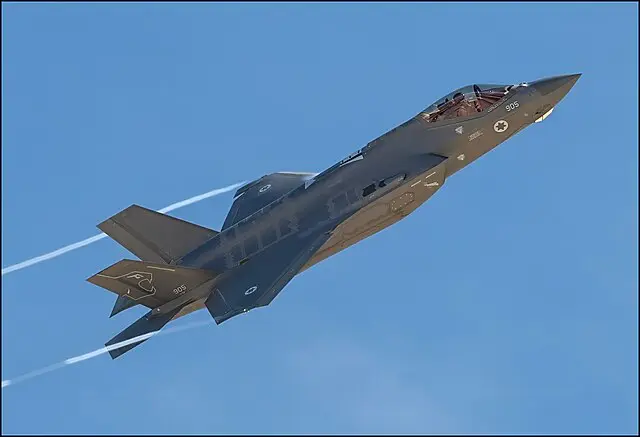
Find a Hangar: These Birds Don’t Fit in Your Garage
Your fighter jet can’t be parked at the local airport like a Cessna. It needs specialised hangar space that accommodates jet dimensions, heat shielding, and regular servicing. Expect to rent a hangar at a private airfield or an aviation park. In some rare cases, billionaire owners build their own private runways or underground storage for their warbirds.
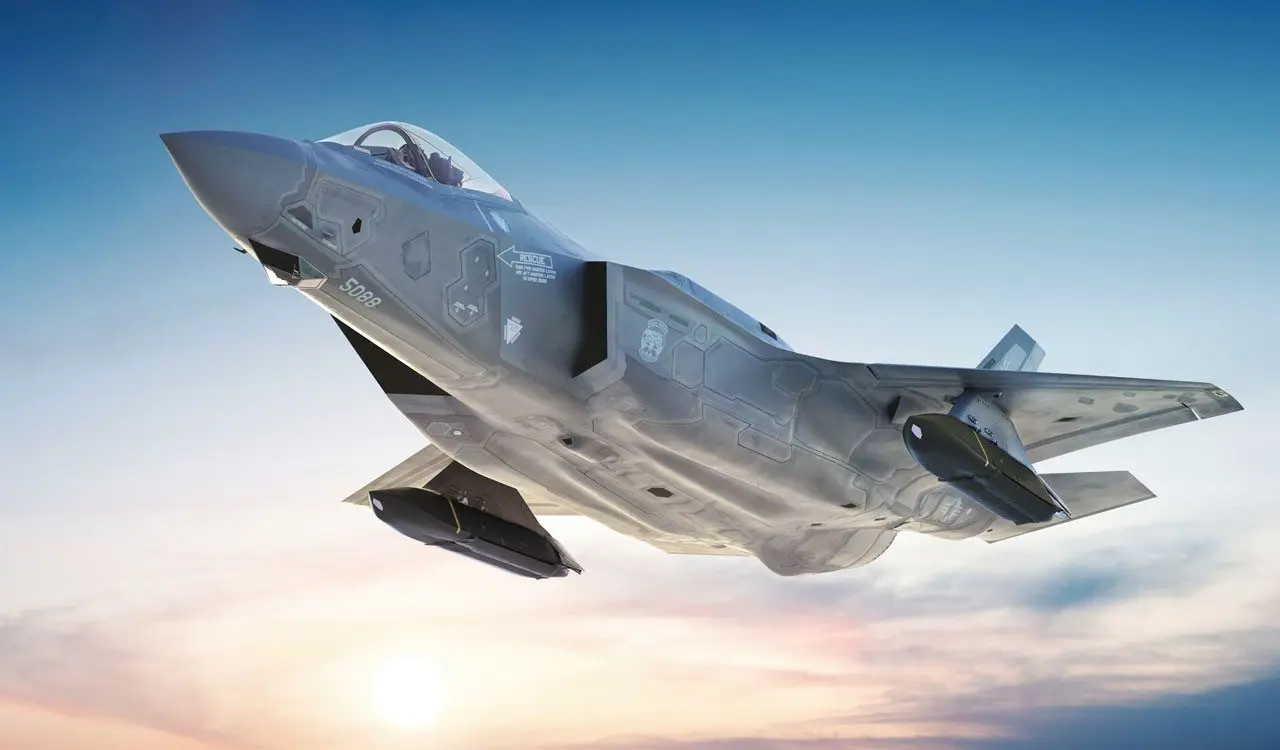
Join a Flying Club or Jet Circuit
Once you're airborne, you’ll want to be part of a community. Elite flying clubs and vintage military aircraft groups regularly host meetups, airshows, and even mock dogfights (without ammo, of course). Joining them helps with sourcing parts, finding trained technicians, and getting tips from other owners who’ve already navigated the red tape.
Avoid the No-Fly Zones
Owning a jet doesn’t mean you can fly it anywhere. You'll have to submit detailed flight plans and get clearance every time you want to take off. Flying near sensitive areas, military bases, border zones, nuclear sites, is strictly prohibited. Violating these rules can get you grounded, arrested, or worse, intercepted mid-air.
Brag (Responsibly)
Now that you own a war machine, flex with caution. Flying low over residential areas, showing off on social media, or making TikToks in the cockpit could invite legal and public backlash. Respect aviation laws, maintain your aircraft with discipline, and use the jet for shows, experiences, or personal thrill, not drama.
Serious Cash
You can own a fighter jet, but you’ll need serious cash, legal clearance, international logistics, and advanced flying skills. It’s not a hobby, it’s a full-time project. But if you pull it off, you’ll be among the very few civilians in the world to legally own and fly a former warbird.
)
)
)
)
)