Can we really make GOLD at home? Here’s what science says about its possibilities

There is currently no practical or legal way for individuals to make real gold for profit; the scientifically possible methods are nuclear‑physics experiments that produce vanishingly tiny, astronomically expensive amounts of gold. Here are 5 scientifically discussed approaches.
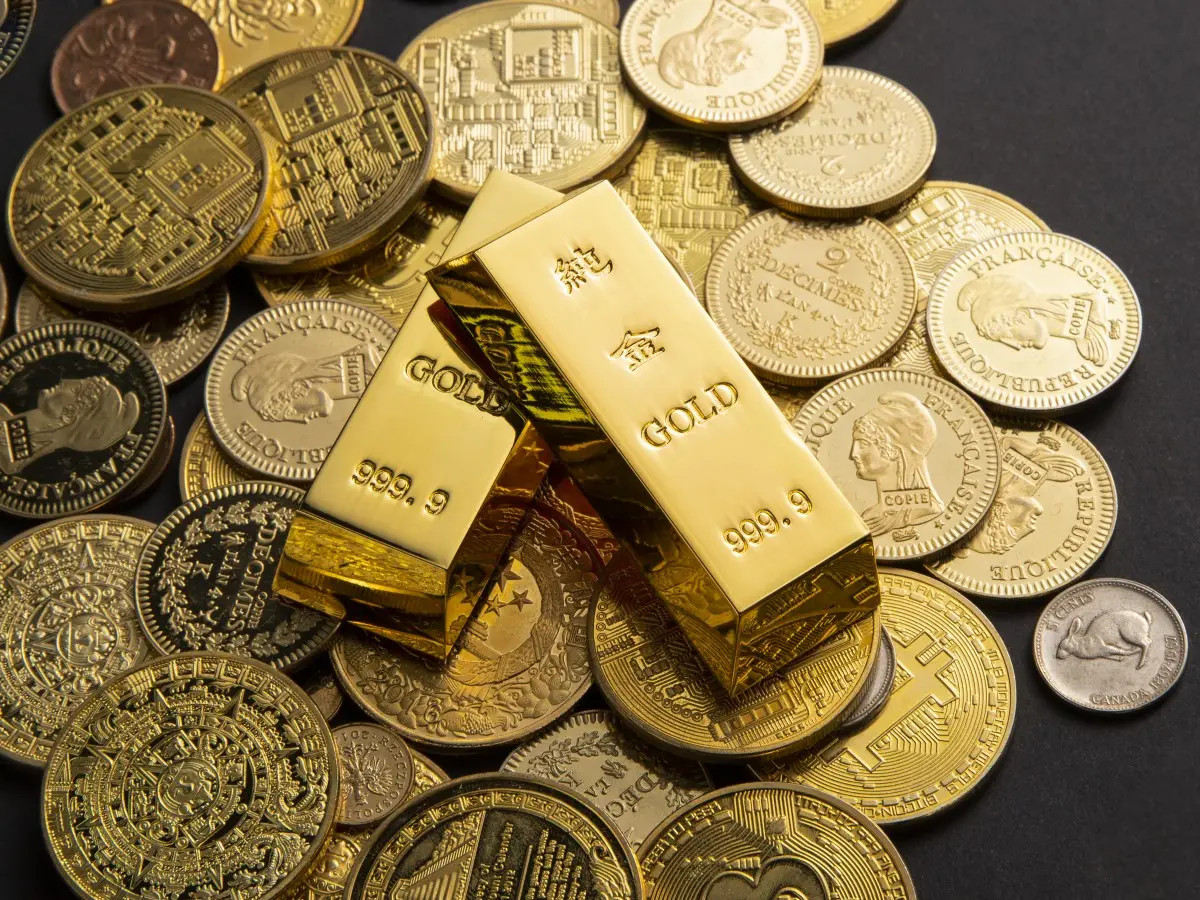
1. Nuclear transmutation in particle accelerators
Modern physics can turn heavy elements like bismuth, lead or mercury into gold by knocking out protons and neutrons with high‑energy particle beams. Experiments in the 1980s and, more recently, at CERN’s Large Hadron Collider (ALICE experiment) have produced gold nuclei from lead. But the quantity of the produced gold was only picograms over years of running, far more costly than mining, according to a report in the Scientific American.

2. Lead‑to‑gold via electromagnetic dissociation (CERN)
In 2025, CERN reported precise measurements of lead nuclei turning into gold in “ultra‑peripheral” collisions where nuclei pass close without touching. Intense electromagnetic fields eject three protons from lead‑208, briefly creating gold‑203 nuclei. Production peaks around 89,000 gold nuclei per second, but the total amount accumulated from the experiments was only about 29 picograms over several years, which was economically useless.

3. Mercury‑to‑gold in fusion or fission setups
Theoretically, bombarding certain mercury isotopes with neutrons can make unstable isotopes that decay into gold‑197, the stable form of gold. A 2025 fusion‑startup proposal suggests using fusion neutrons to transmute mercury‑198 via mercury‑197 into gold, but this remains unpeer‑reviewed research, with massive energy and equipment costs that dwarf any gold value.
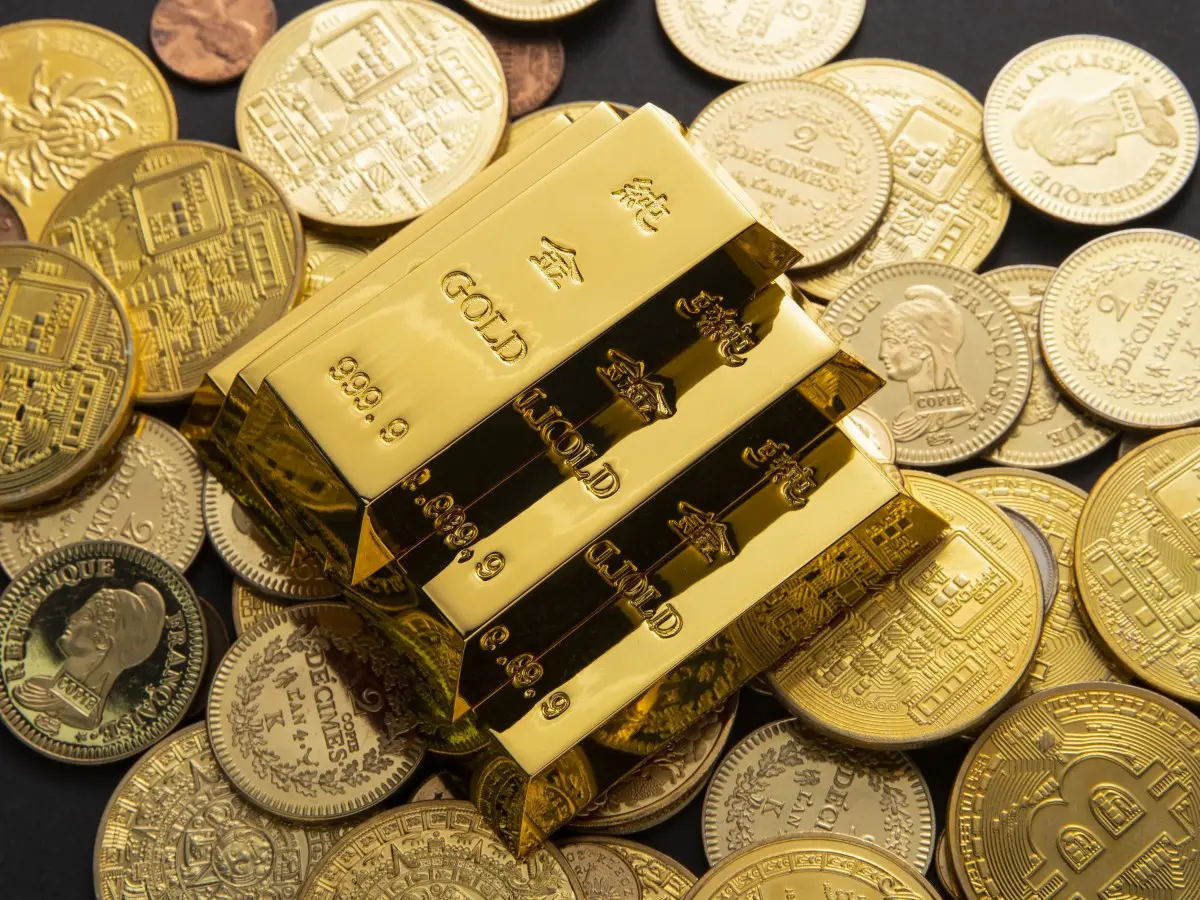
4. Making artificial “gold‑like” materials (not real gold)
Metals that only look like gold are easy to produce. Iron pyrite (“fool’s gold”) is a naturally occurring iron sulfide with a bright brassy colour often mistaken for gold.
Gold‑colored alloys (for example, copper–zinc brass, or various “colored gold” alloys) can be engineered to have a golden or even black surface but are compositionally different from elemental gold. These do not change one element into another; they just imitate gold’s appearance.
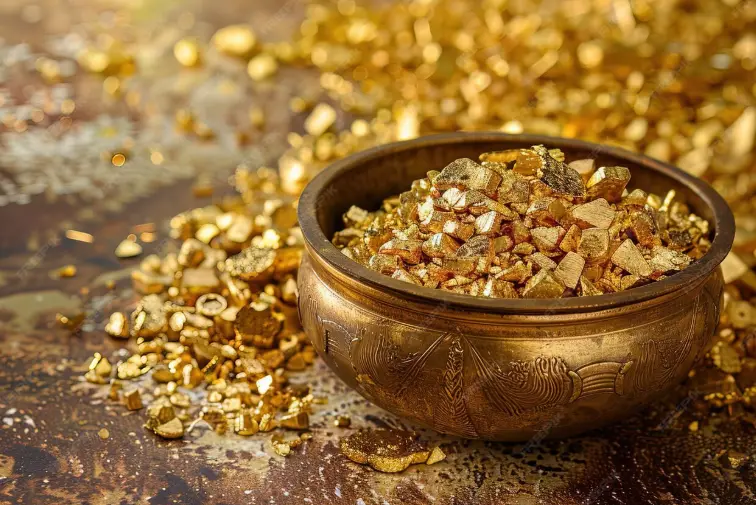
5. Artificial gold methods
All genuine “artificial gold” methods rely on nuclear transmutation in large, heavily regulated facilities and yield microscopic quantities at enormous cost, so they are of scientific interest only, not a viable route to making gold for use or sale.
)
)
)
)
)