Can we make a fighter jet fly diagonal? Einstein says no!

Fighter jets can roll, pitch, and yaw in almost any direction. But what about flying perfectly “diagonal” cutting through the sky at an angle, as if sliding sideways? Physics, including Einstein’s theories, set some hard limits.
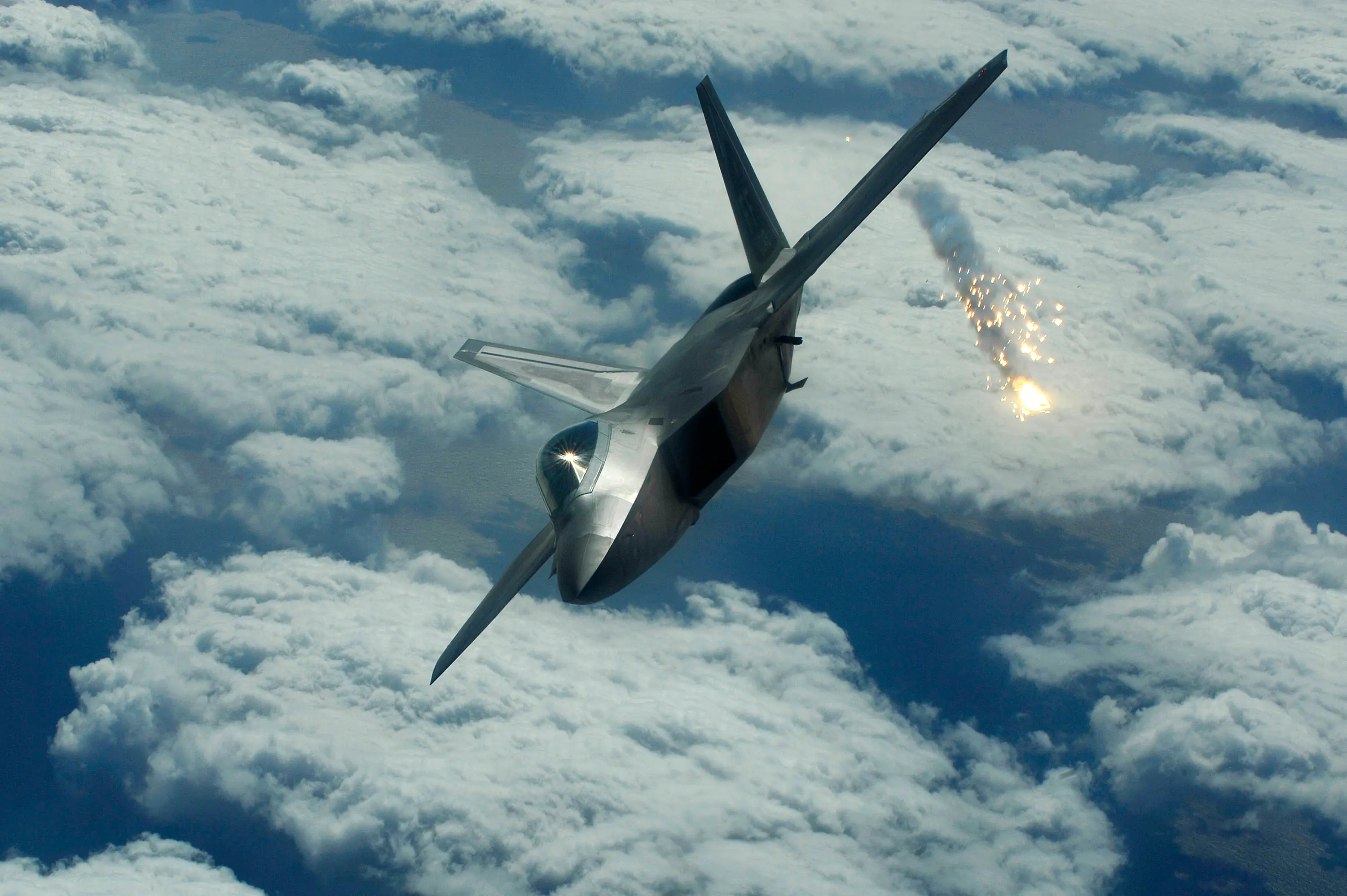
What Does “Diagonal” Flight Mean?
In aviation, “diagonal” would mean flying forward while also maintaining a sideways trajectory, almost like drifting in the air. Unlike turning or banking, this would mean the jet is not pointed in the direction it’s actually traveling.
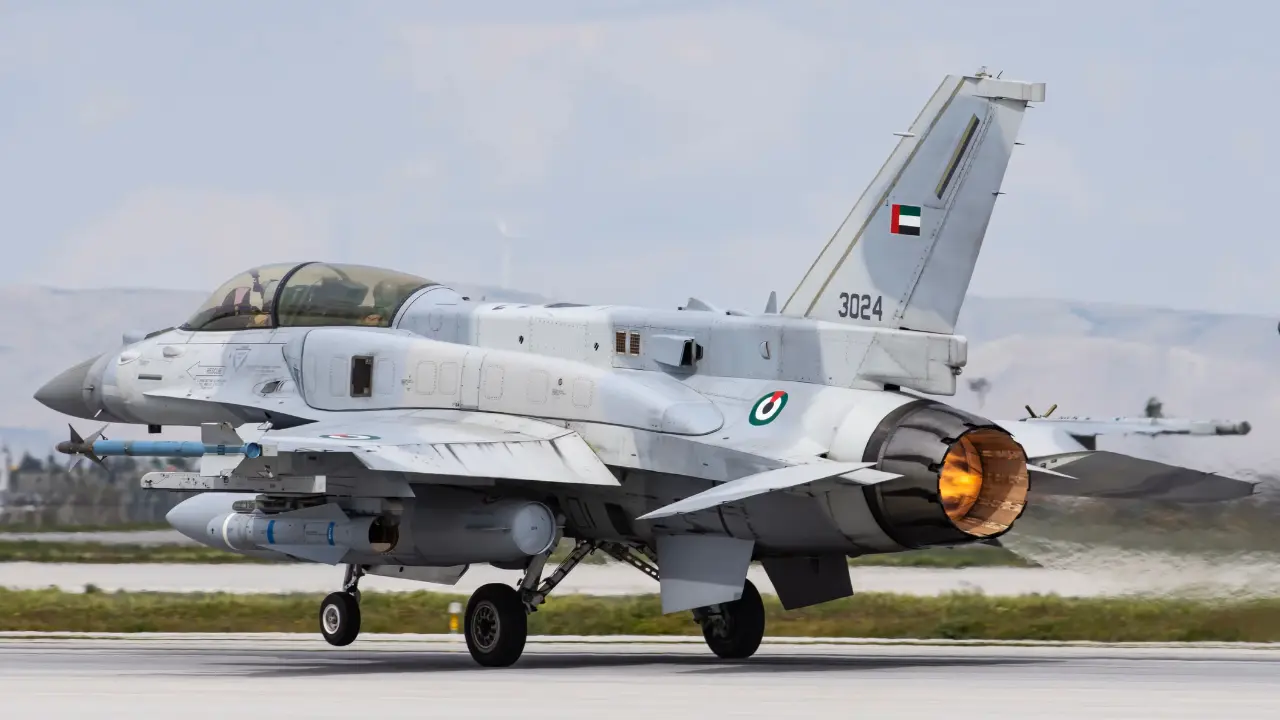
The Problem of Aerodynamics
Airplanes, including fighter jets, rely on airflow over their wings for lift. To stay airborne, the nose of the aircraft must point roughly in the same direction as its motion. If a jet tried to sustain a diagonal path, it would lose lift and stability almost immediately.
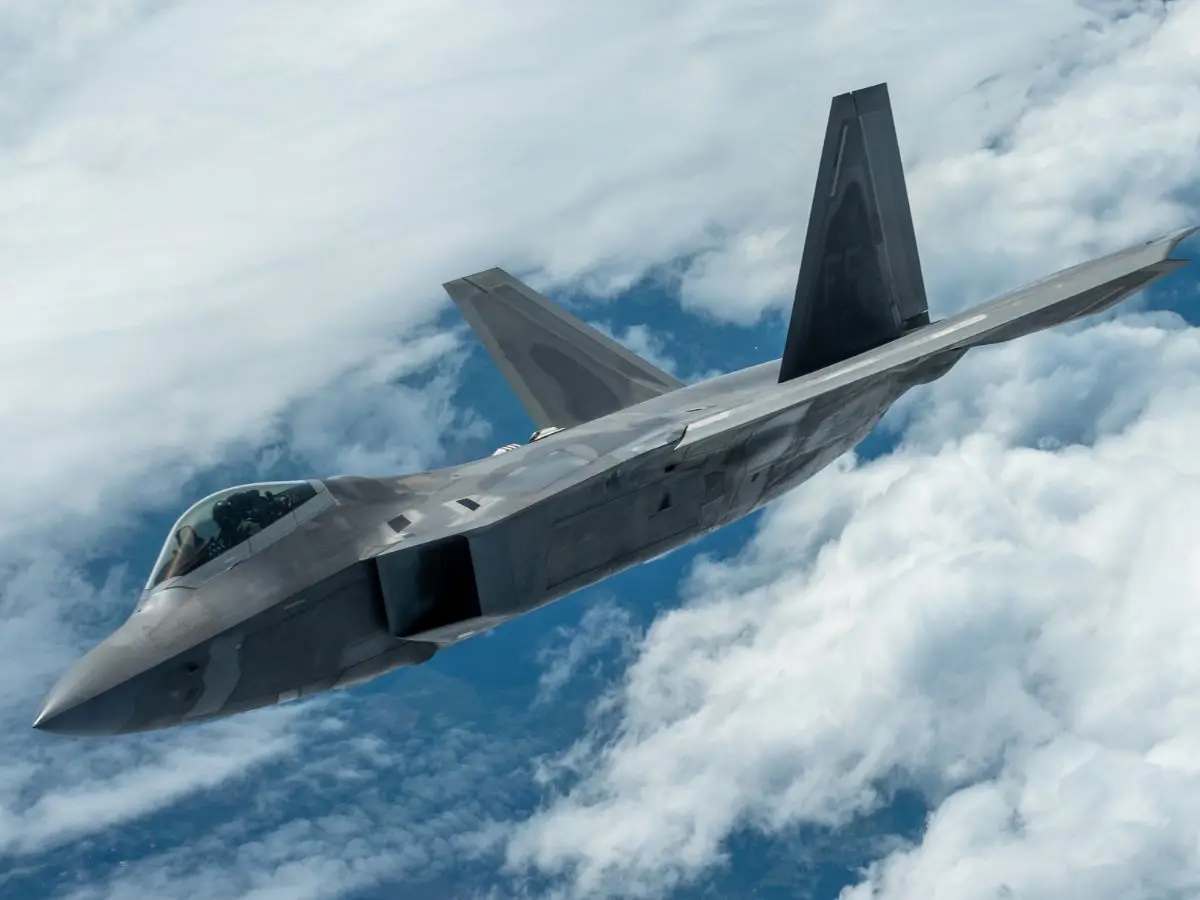
High-Speed Side-Slip
Pilots can briefly “slip” the aircraft sideways, this is called a side-slip manoeuvre but it drastically increases drag and fuel consumption. No jet can maintain it for long, because the wings and control surfaces are designed for forward motion, not sideways flight.
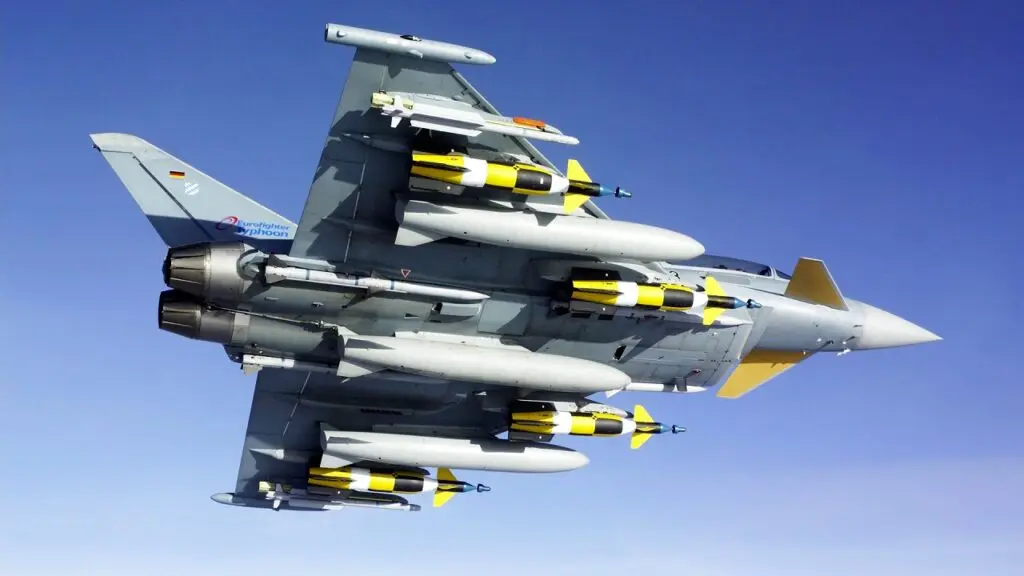
Enter Einstein’s Relativity
Einstein’s Special Relativity tells us that the laws of physics are the same in all directions, but motion is always relative to the medium, in this case, the air. At near-light speeds, relativity explains that objects can’t simply “slide” through space at arbitrary angles, because momentum always aligns with direction of travel.
Why Jets Can’t Break This Rule
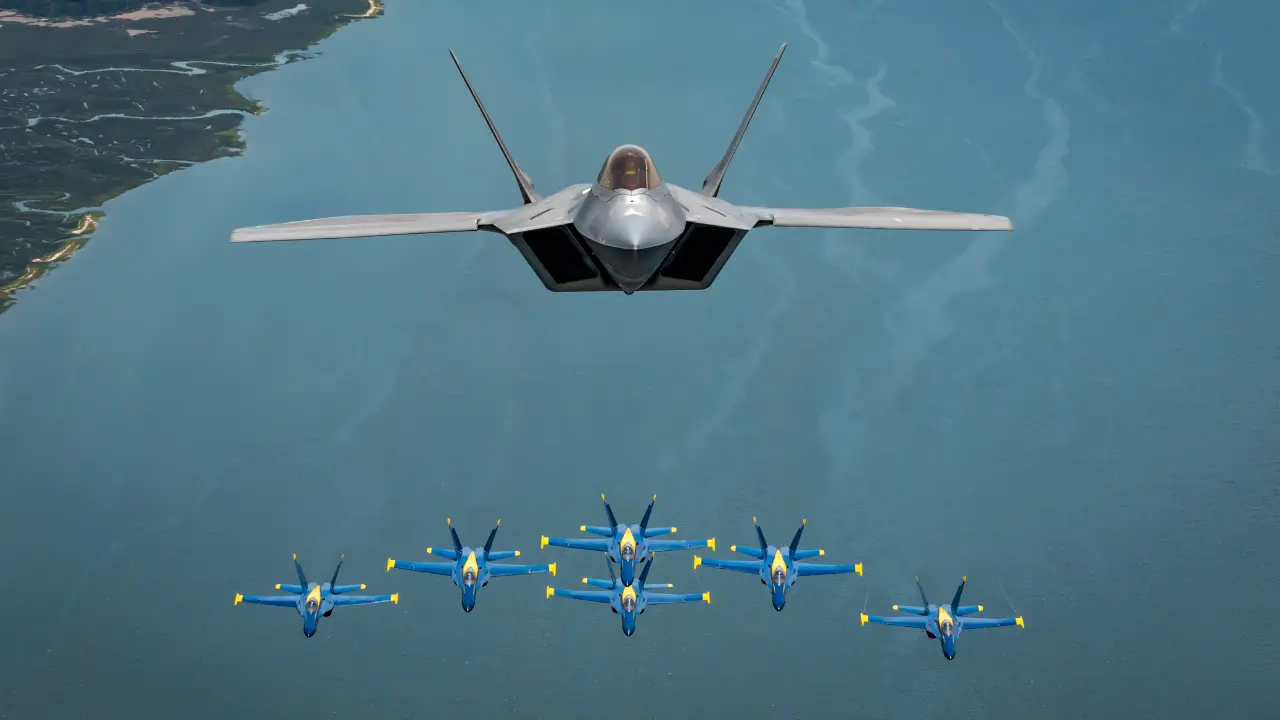
Even at subsonic and supersonic speeds, fighter jets are bound by Newtonian and relativistic physics. You cannot sustain continuous diagonal motion because the aircraft’s momentum vector and aerodynamic forces won’t allow it. Einstein’s framework reinforces that you can’t defy the relationship between motion, mass, and drag.
What About Spacecraft?
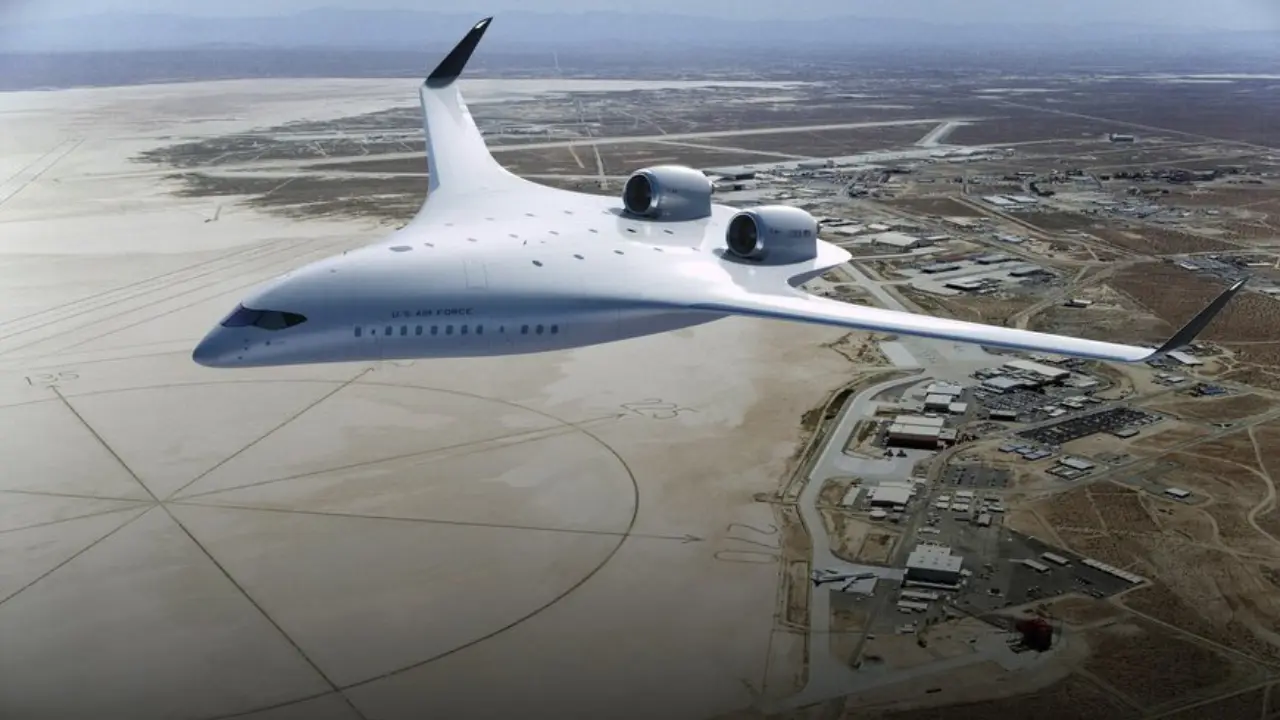
In space, without atmosphere, you can technically travel in one direction while facing another. Spacecraft can “yaw” or “roll” while their momentum carries them elsewhere. But fighter jets, which depend on air pressure and lift, don’t have that freedom.
Experimental Aircraft & Myths
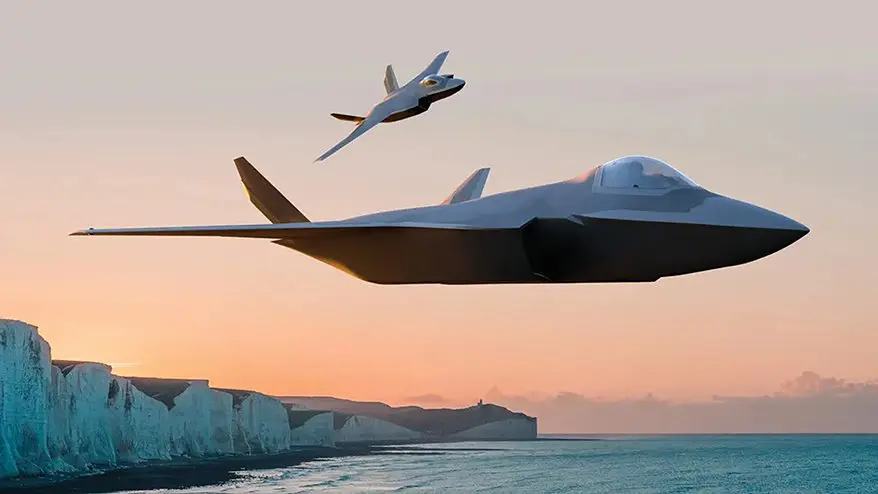
Some experimental jets and video games make it look possible to fly diagonally like a spaceship. But in real-world physics, this isn’t sustainable. Sideways drag would cause structural failure or stall. Fighter jets are designed for manoeuvrability, but not to break the fundamental laws of motion.
The Final Verdict
So, can a fighter jet fly diagonal? The answer is no. While short slips are possible, Einstein’s principles and the reality of aerodynamics, prevent sustained diagonal flight. A jet can bank, turn, climb, or roll, but in the end, it must face roughly the direction it flies. Physics leaves no loopholes here.
)
)
)
)
)