Can Voyager's 'Firewall' stop aliens from entering our solar system?

If extraterrestrials were trying to enter our Solar System, the firewall would be more of a speed bump than a locked gate. They might notice the plasma turbulence but would not be prevented from crossing.
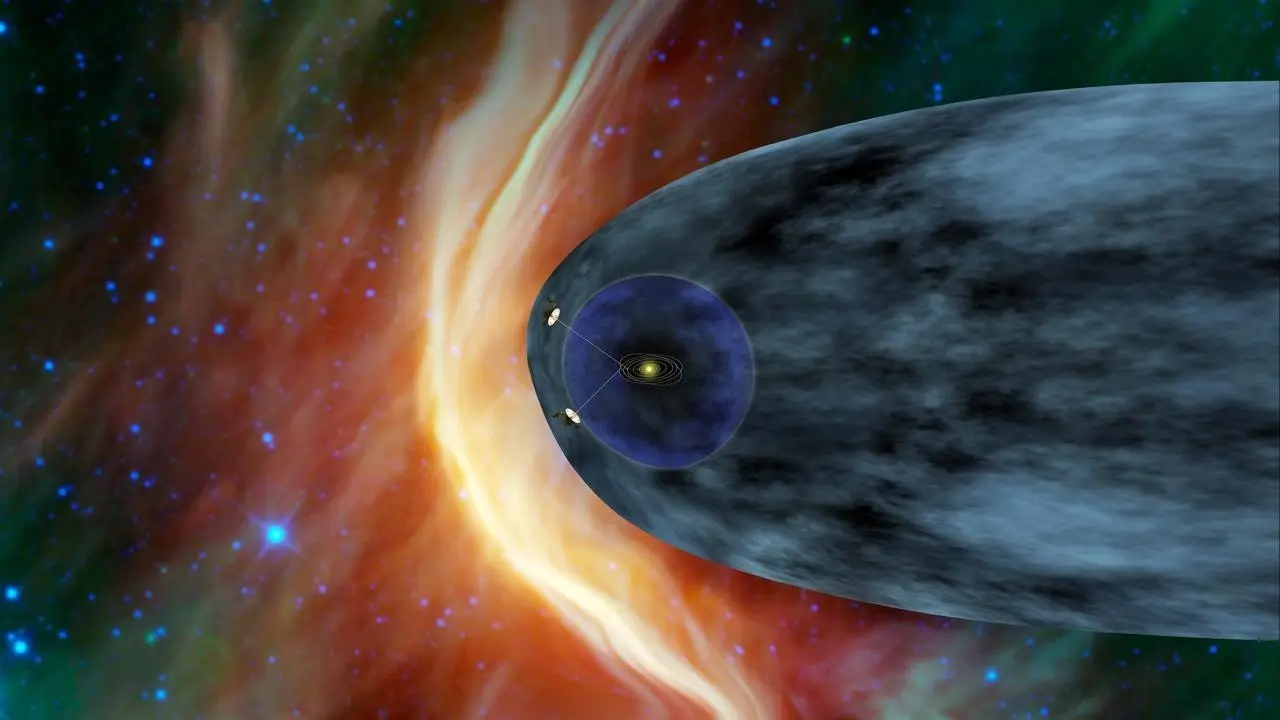
What Scientists Mean by “Firewall”
The “firewall” is not a wall of flames but the heliopause, the boundary where the solar wind collides with interstellar plasma. It acts as a shield of charged particles around our Solar System.
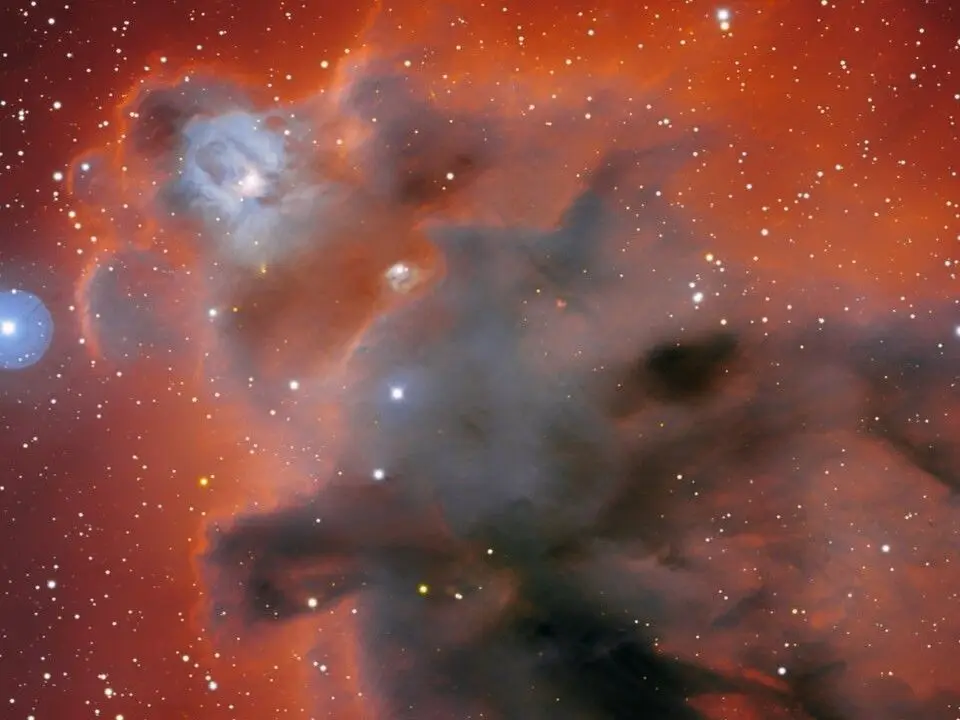
Its True Purpose: Blocking Radiation
Voyager 1 and 2 revealed that this boundary blocks or deflects galactic cosmic rays. It’s a natural filter designed by physics, not a conscious defence system.
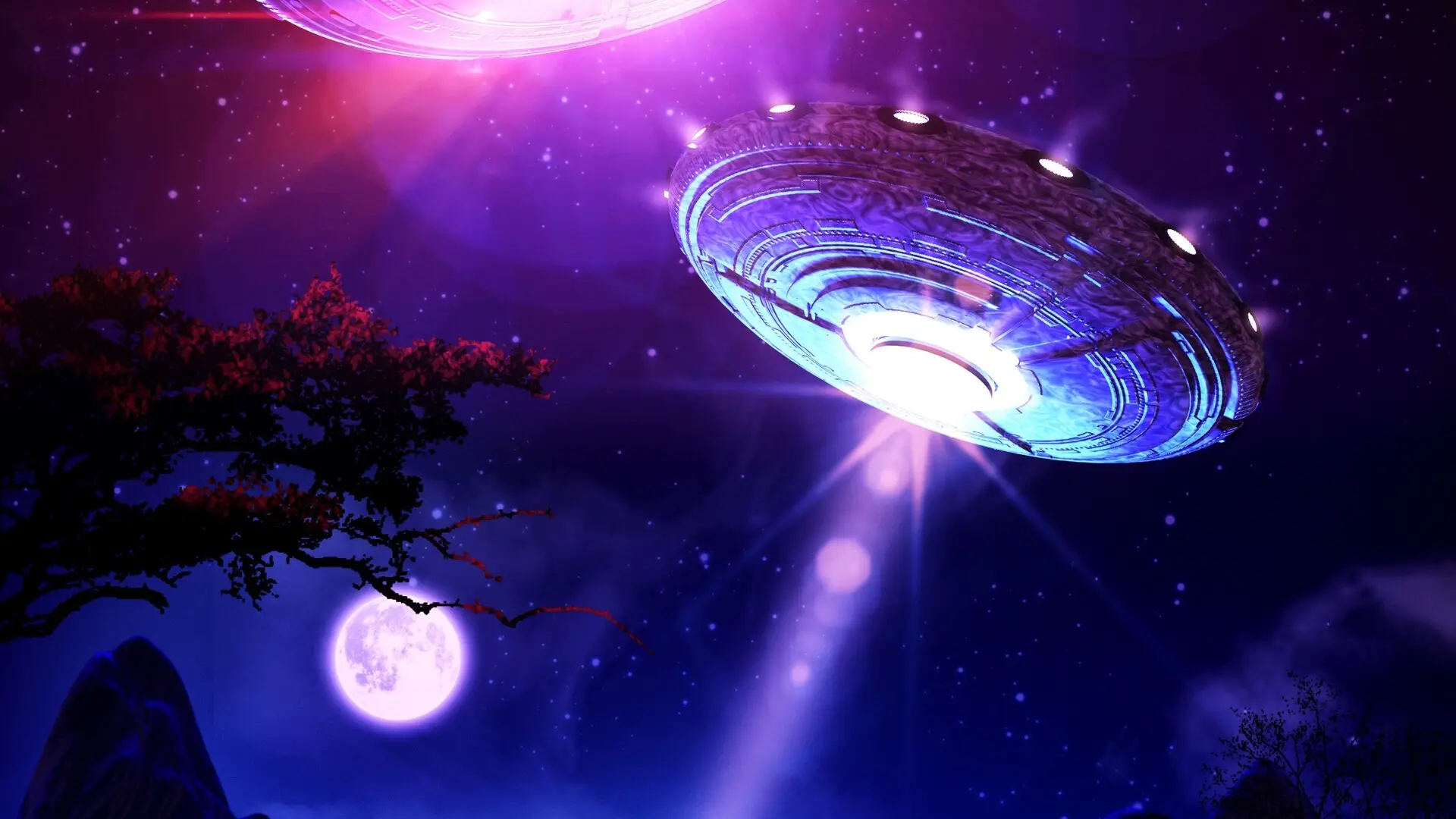
Could It Stop Physical Objects?
Unlike science fiction force fields, the firewall cannot stop spacecraft, asteroids, or alien probes. Solid objects can pass through it freely, unaffected by its charged-particle turbulence.
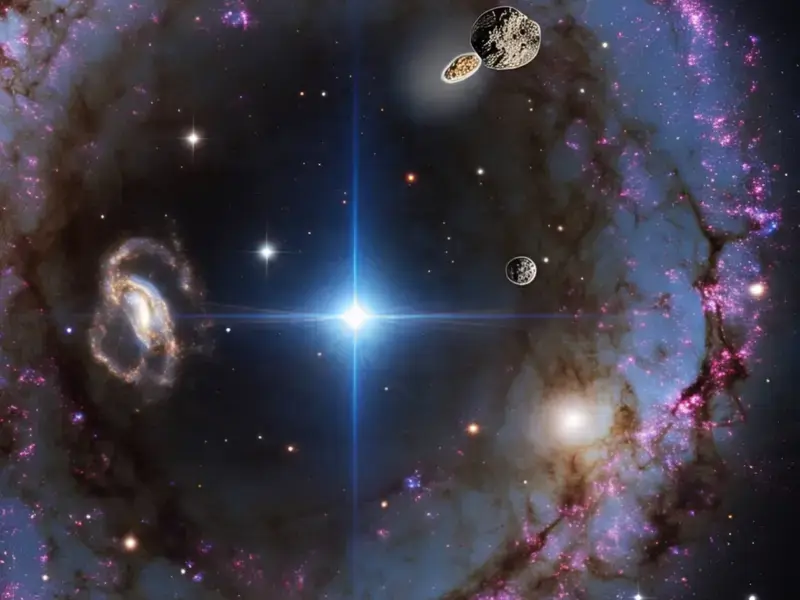
The “Alien Barrier” Idea
If extraterrestrials were trying to enter our Solar System, the firewall would be more of a speed bump than a locked gate. They might notice the plasma turbulence but would not be prevented from crossing.
Why It Matters for UFO Claims
Some UFO enthusiasts speculate that this cosmic boundary is part of why humans have not seen obvious interstellar visitors. But scientifically, the firewall doesn’t function as a barrier to intelligent lifeforms or spacecraft.
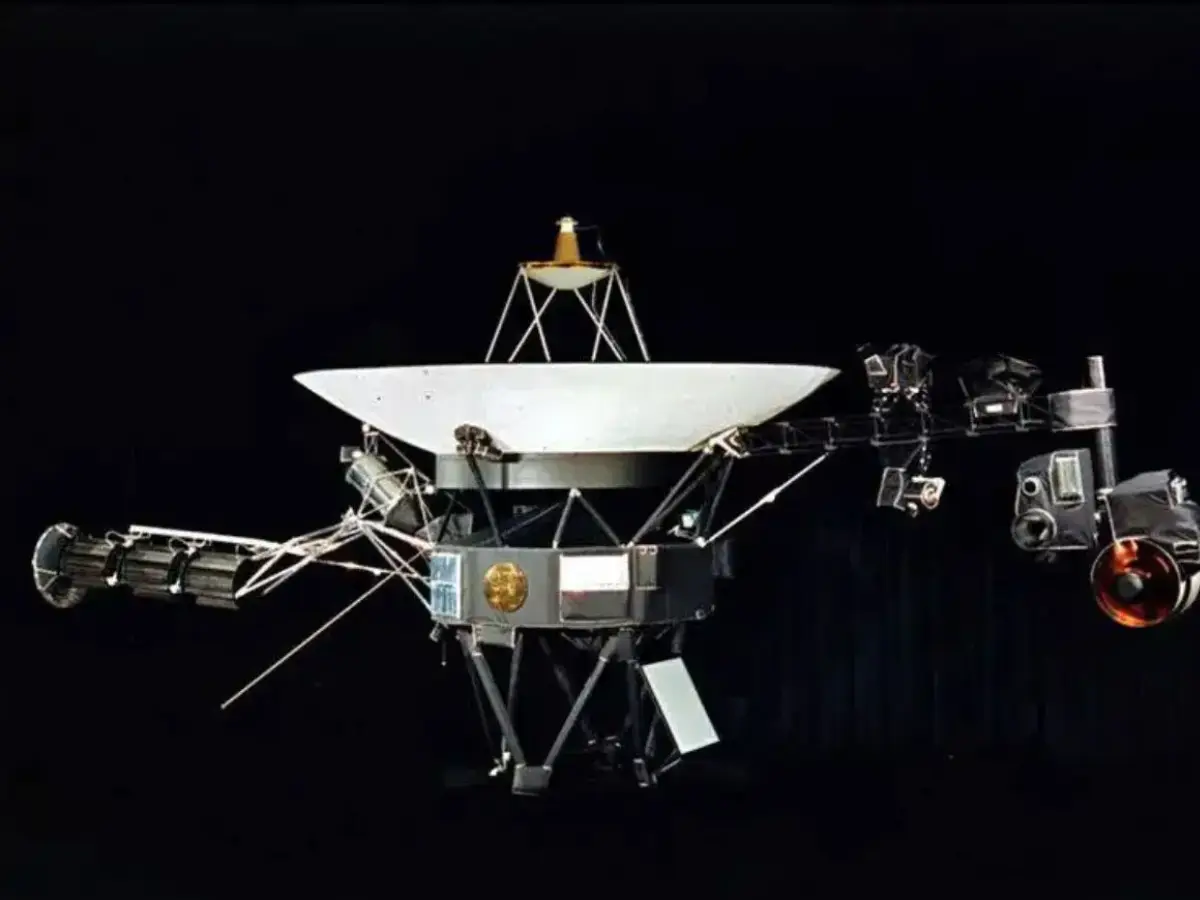
Voyager’s Role in Mapping the Border
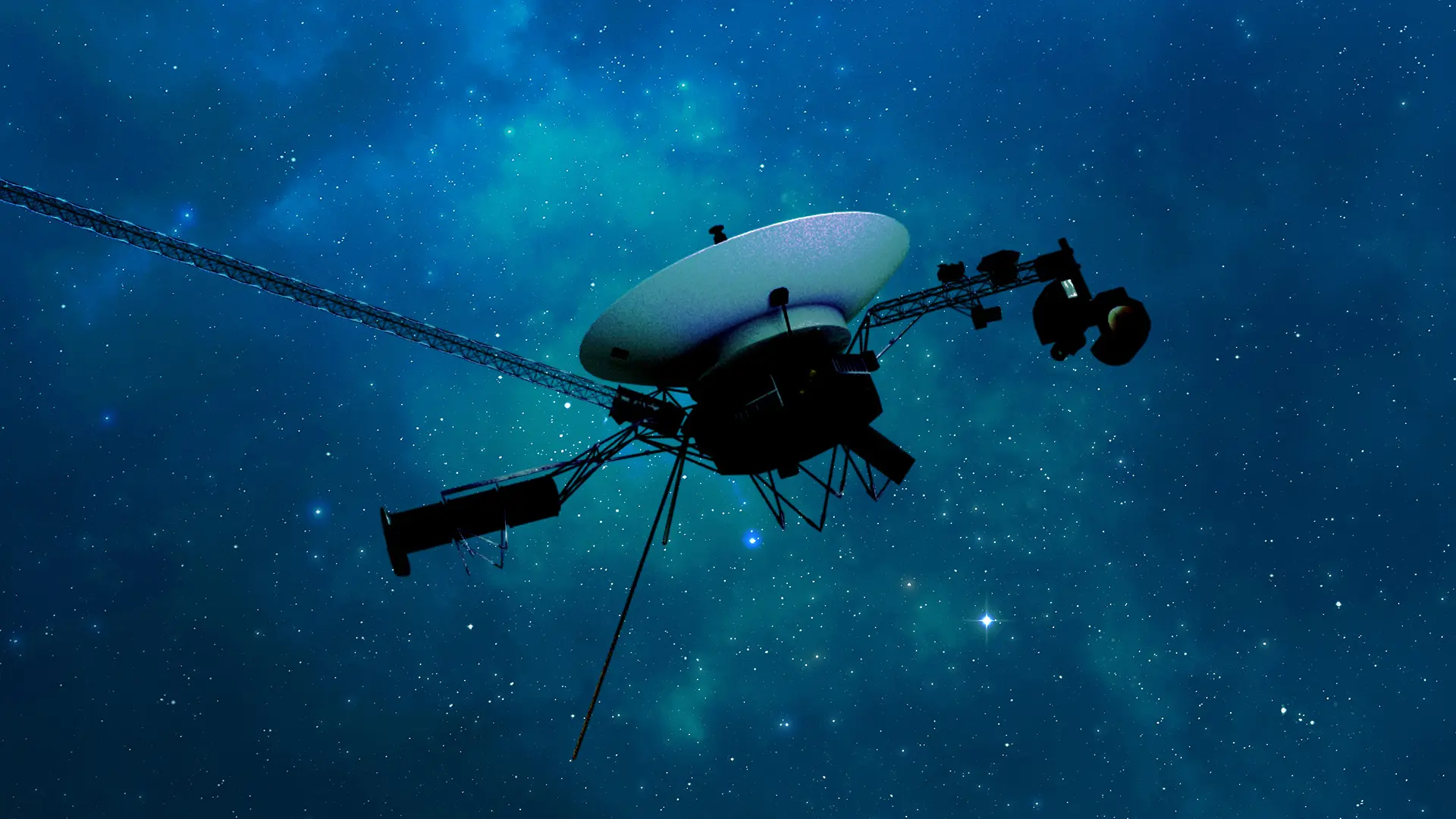
Voyager is the first human probe to cross the firewall. Its data helps us understand exactly how much protection it provides, mainly against radiation, not against physical intruders.
The Real “Defence System” of Earth
Even if aliens crossed the firewall, Earth still has its magnetosphere and atmosphere as protective layers. These shields guard life from harmful radiation, but not from visitors with advanced technology.
)
)
)
)
)