Can USS Gerald R. Ford stop low-flying cruise missiles if they are fired from Iran?

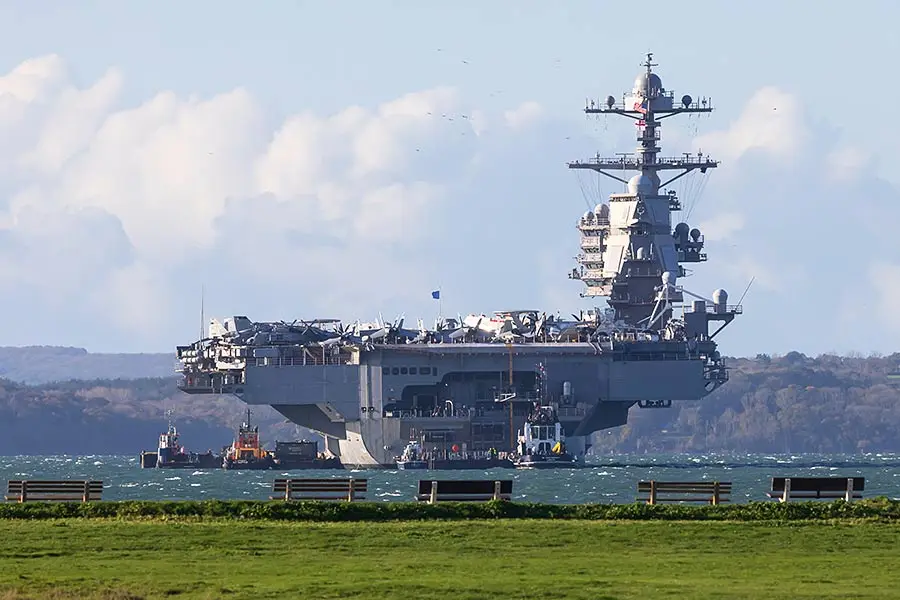
The USS Gerald R. Ford defends against low-flying cruise missiles using escort destroyers, Dual Band Radar, and interceptors like the ESSM and CIWS. However, despite these advanced systems, no ship is completely immune to attack.
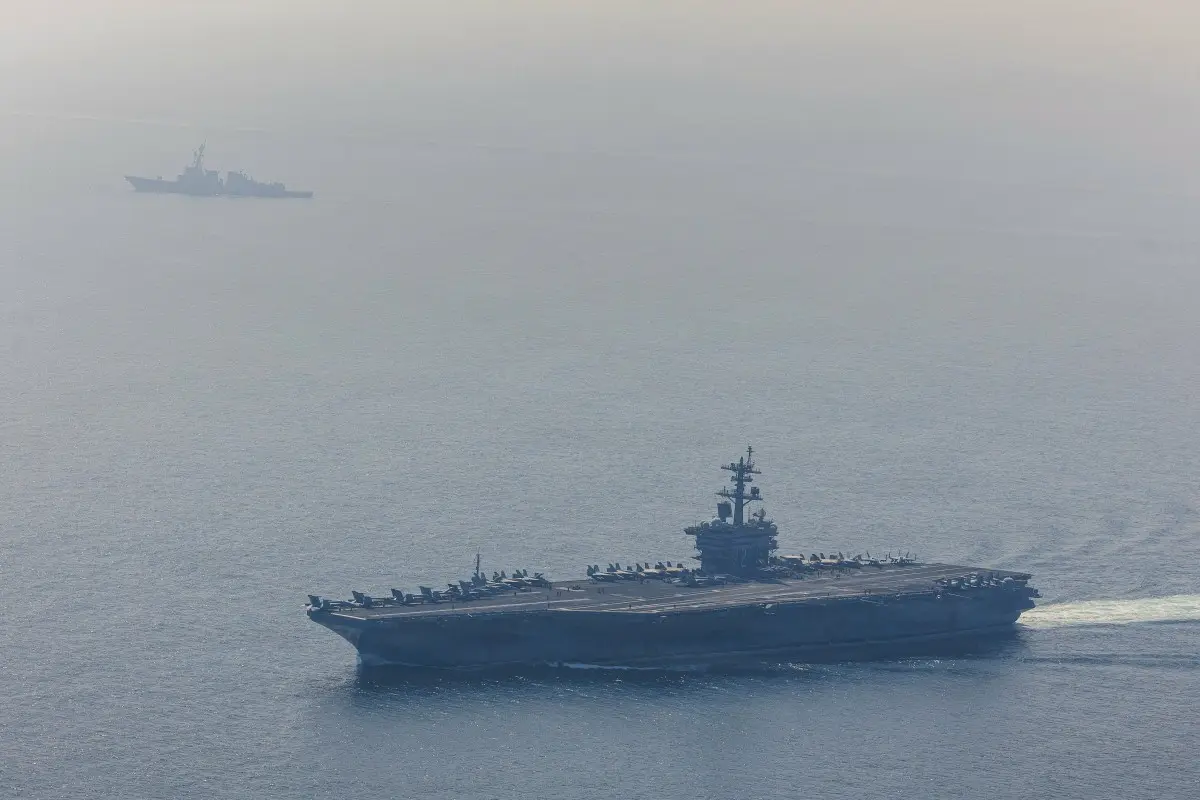
The 10-Metre Sea-Skimming Threat
Low-flying cruise missiles skim just metres above the ocean surface to hide below the radar horizon. This evasive tactic drastically reduces early warning time, giving a carrier's defensive crew only seconds to react.
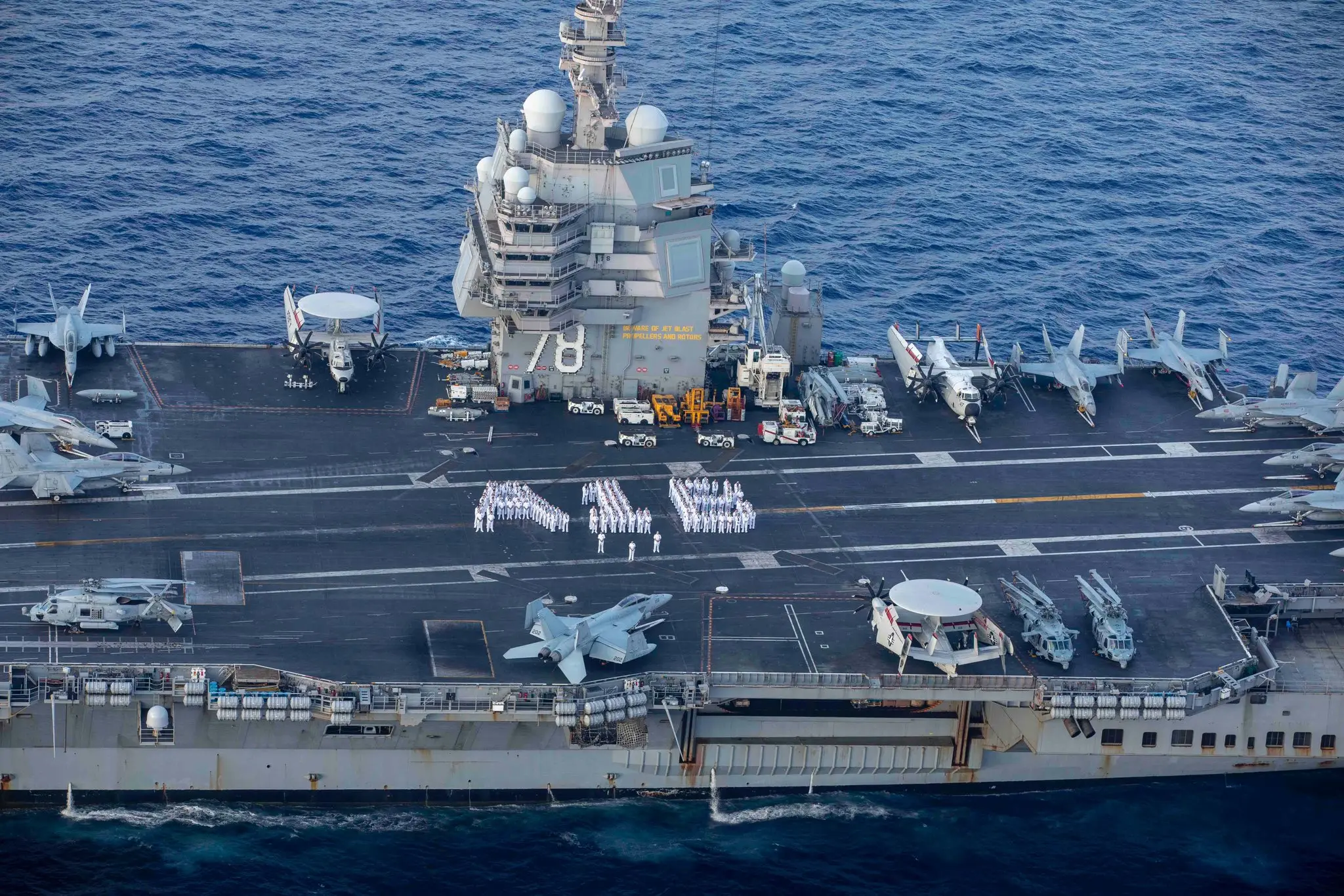
360-Degree Vision: Dual Band Radar
To spot these hidden threats, the USS Gerald R. Ford uses an advanced Dual Band Radar (DBR). This system combines S-band and X-band frequencies into flat panels, instantly identifying and tracking fast-moving, low-altitude targets.
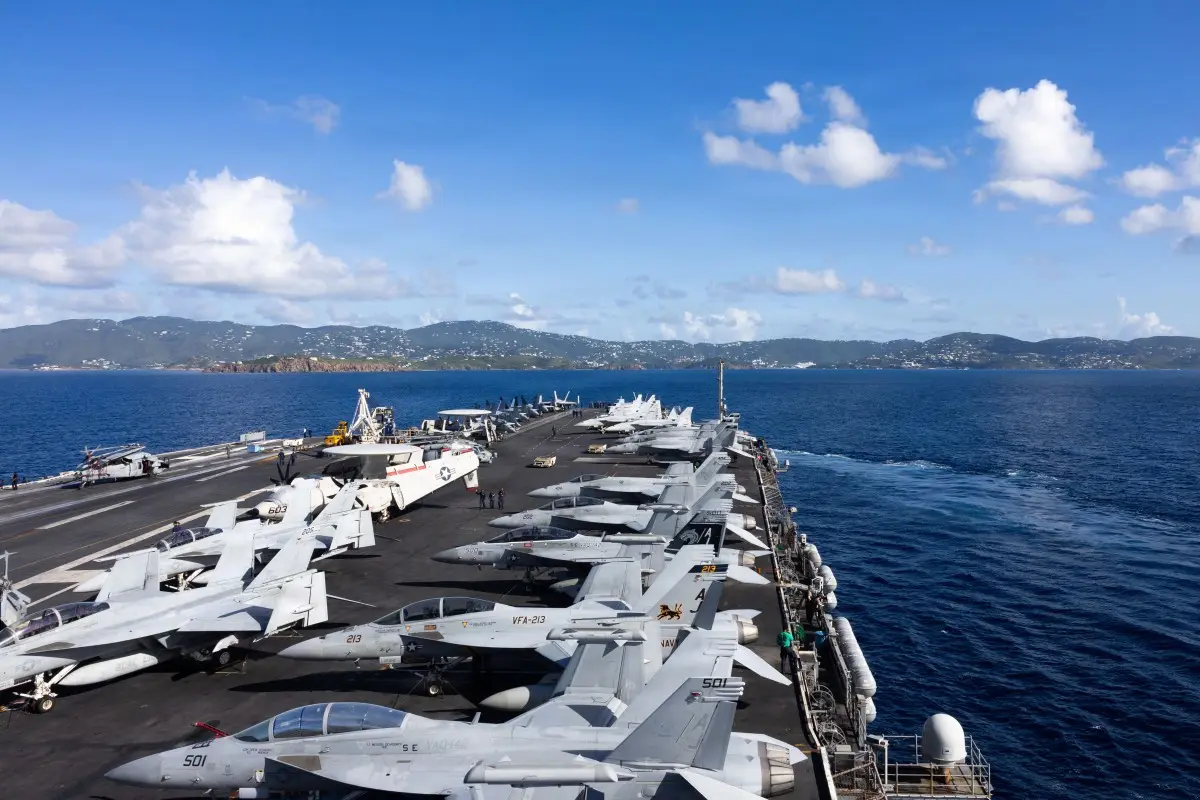
The Outer Shield: 700+ VLS Cells
The carrier never sails alone; it is protected by a strike group of Arleigh Burke-class destroyers. Equipped with over 700 Vertical Launch System (VLS) cells, these escorts fire SM-2 and SM-6 missiles to intercept threats miles away.
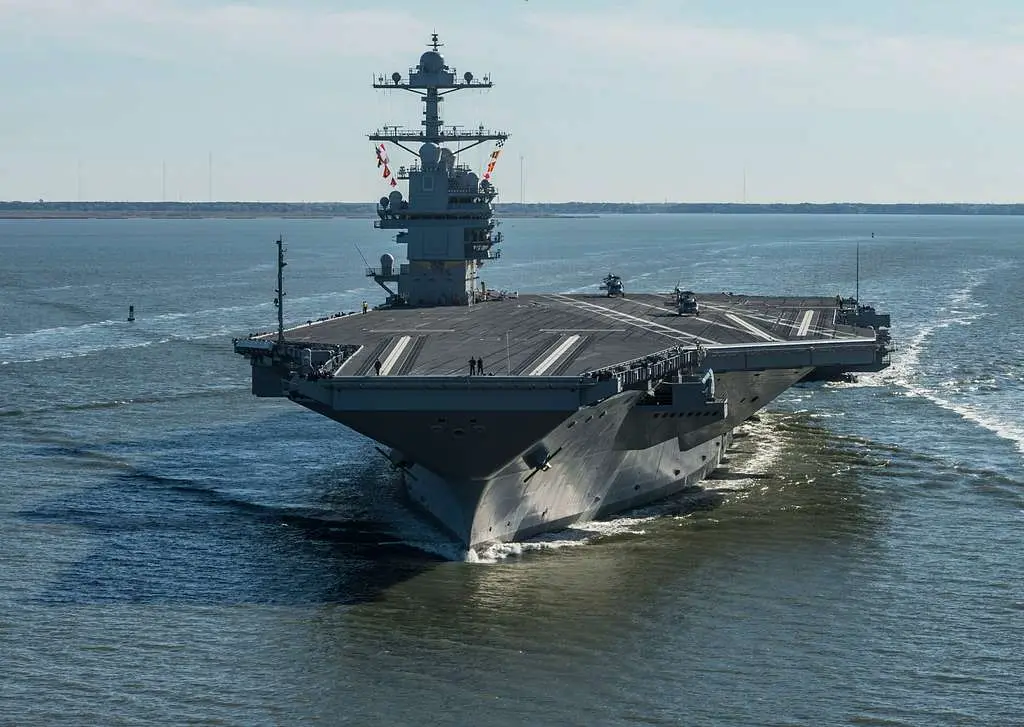
Medium Range: Mach 4 ESSM Interceptors
If a cruise missile breaches the destroyers, the carrier activates its twin Mk 29 launchers. These fire the RIM-162 Evolved SeaSparrow Missile (ESSM), which accelerates to Mach 4 to destroy targets at medium ranges.
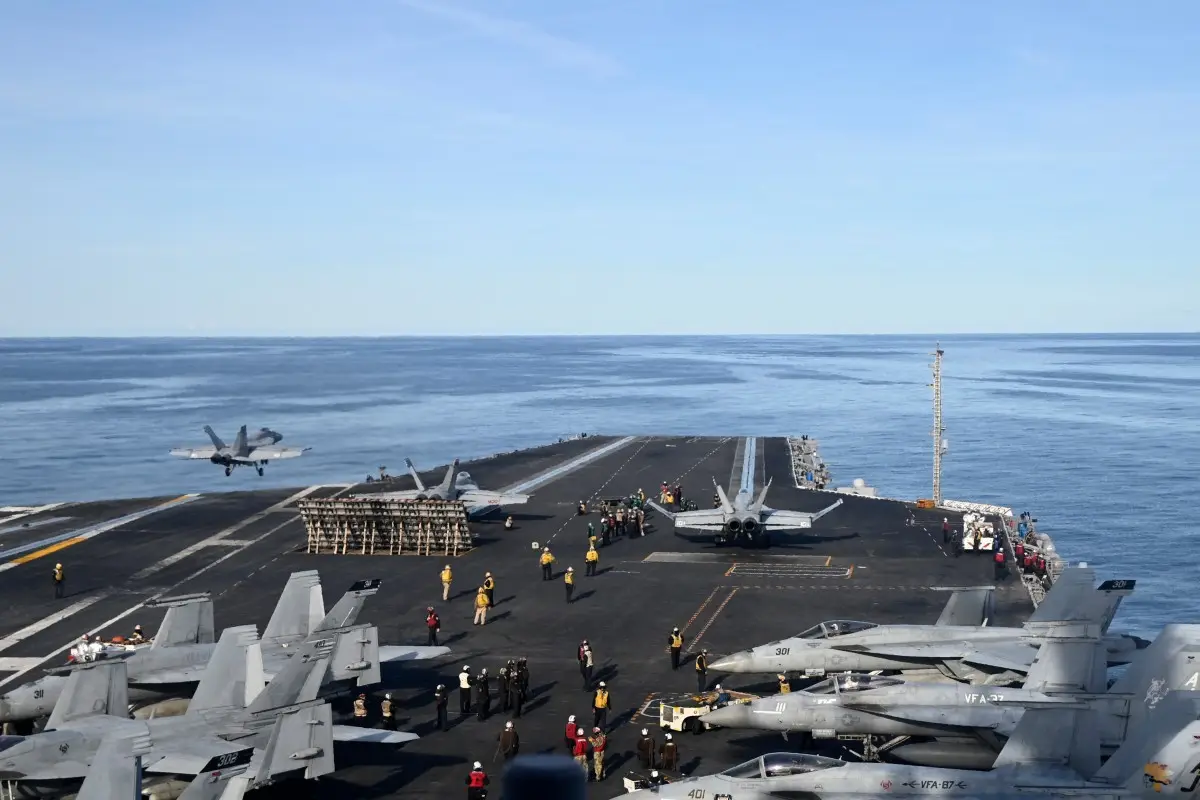
Close Range: 21-Round RAM Launchers
For threats that penetrate further, the ship relies on two Mk 49 launchers, each armed with 21 RIM-116 Rolling Airframe Missiles (RAM). These fire-and-forget weapons lock onto the incoming missile's heat and radio frequency.
Weapon System
The final automated line of defence is the Phalanx Close-In Weapon System (CIWS). Using three radar-guided Gatling guns, the system fires 4,500 armour-piercing 20mm rounds per minute to physically shred missiles before impact.
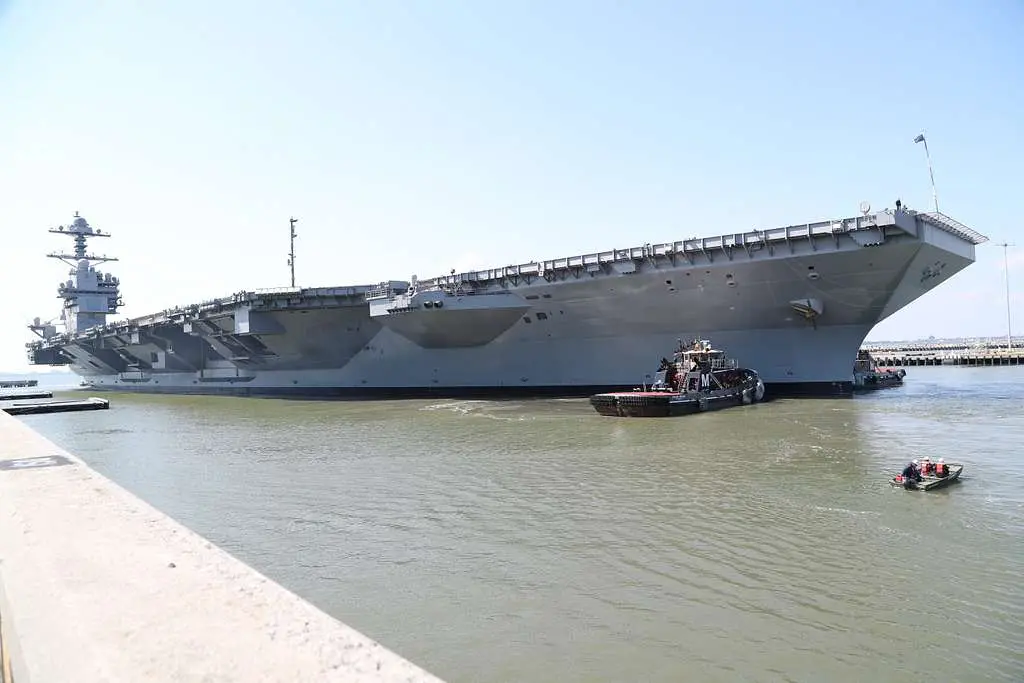
Nothing is 100 Per Cent Immune
Despite three overlapping missile shields and advanced radar, defence experts acknowledge that no ship is completely immune to attack. A highly coordinated saturation strike of missiles could overwhelm the fleet's ammunition.
)
)
)
)
)