Can USS Abraham Lincoln’s presence near Tehran hinder US–Iran nuclear talks?

The US has positioned fighter jets, missile destroyers, and carrier strike groups, including the USS Abraham Lincoln, in the Gulf amid fears of escalation.
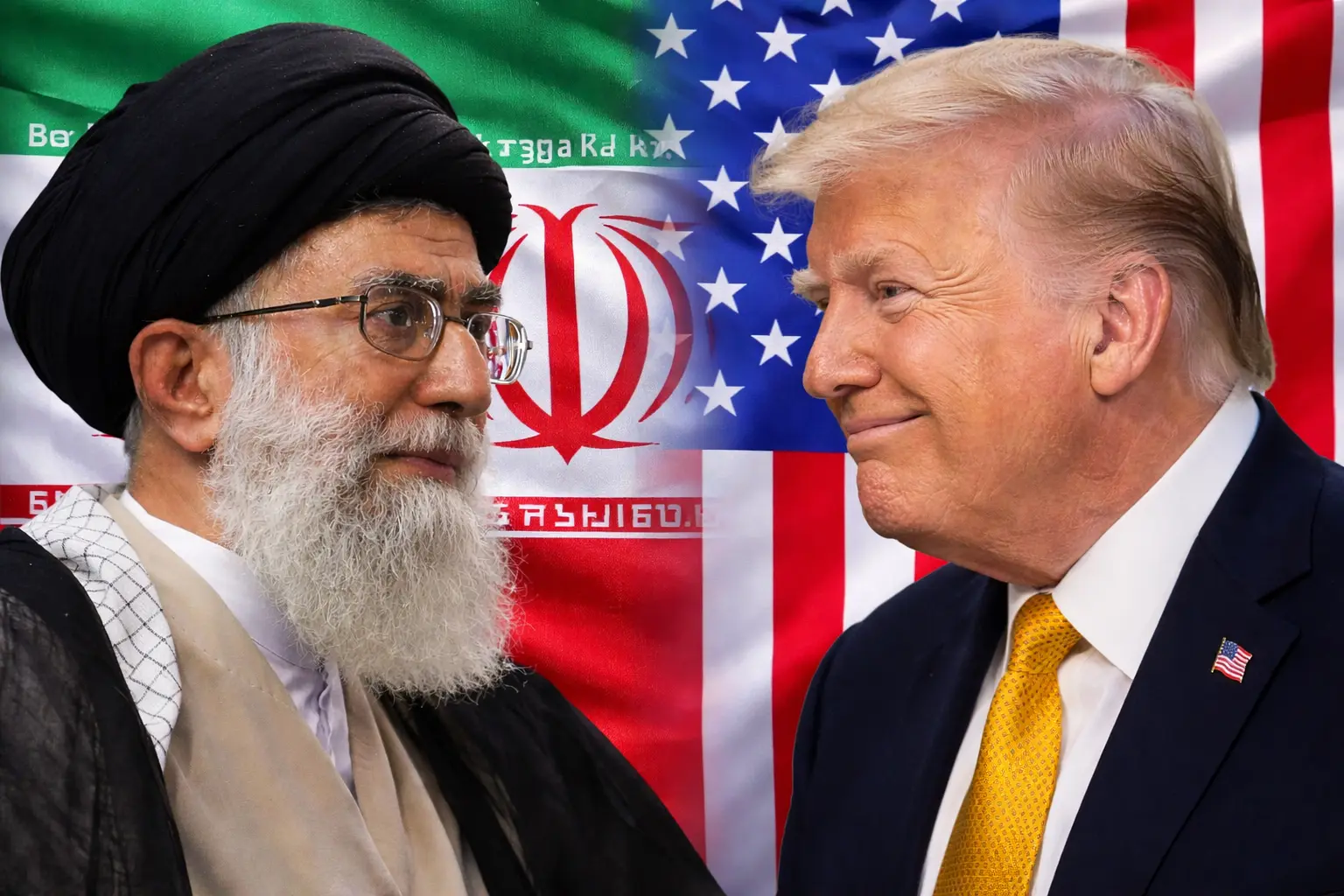
Naval Pressure Meets Diplomacy
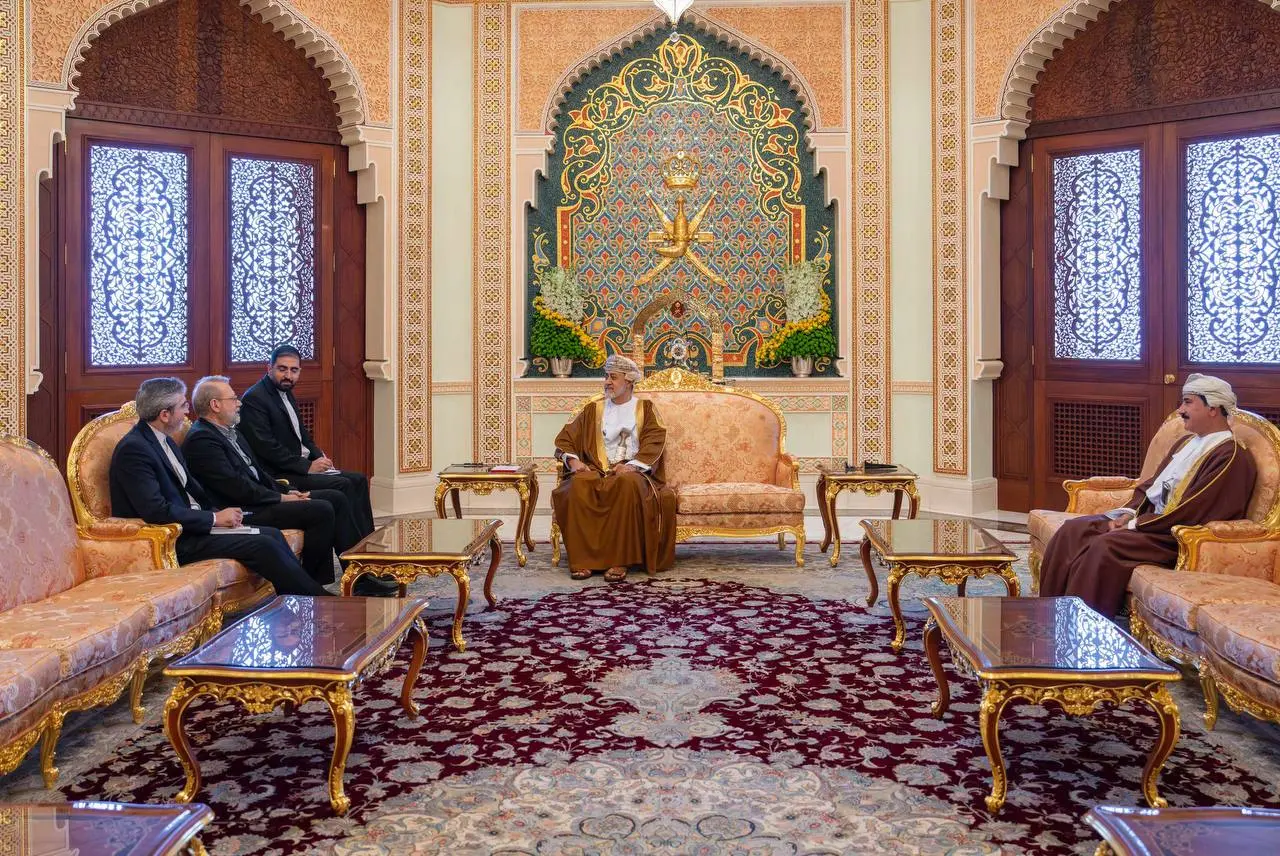
Iran and the United States are engaged in indirect nuclear talks through Omani mediation, aiming to revive dialogue over Tehran’s uranium enrichment programme and ballistic missile development. The negotiations come as Washington has deployed the USS Abraham Lincoln and accompanying strike groups in the southern waters of the Arabian sea, signalling deterrence amid rising regional tensions.
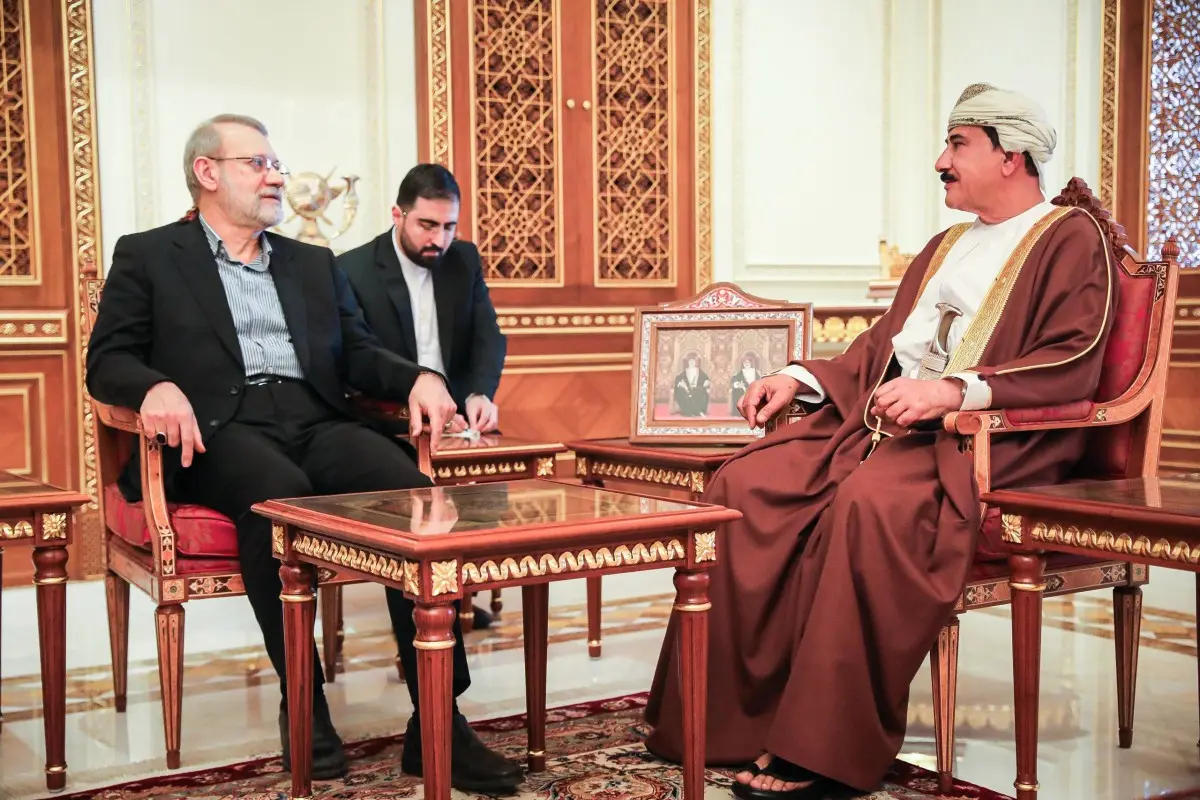
Muscat Talks: Gauging Seriousness
Iranian officials described the talks as a way to gauge the seriousness of the US stance. Regarding the Israeli Prime Minister's expected trip to Washington, Iranian foreign ministry spokesman Esmail Baghaei said on Tuesday, that the US "must act independently of foreign pressures, especially Israeli pressures that ignore the interests of the region and even the US." Foreign Minister Abbas Araqchi had also stressed earlier that dialogue must occur without threats or pressure and that discussions are limited to nuclear issues, excluding broader regional or military concerns. Both sides confirmed willingness to continue negotiations soon, although no exact dates were set.
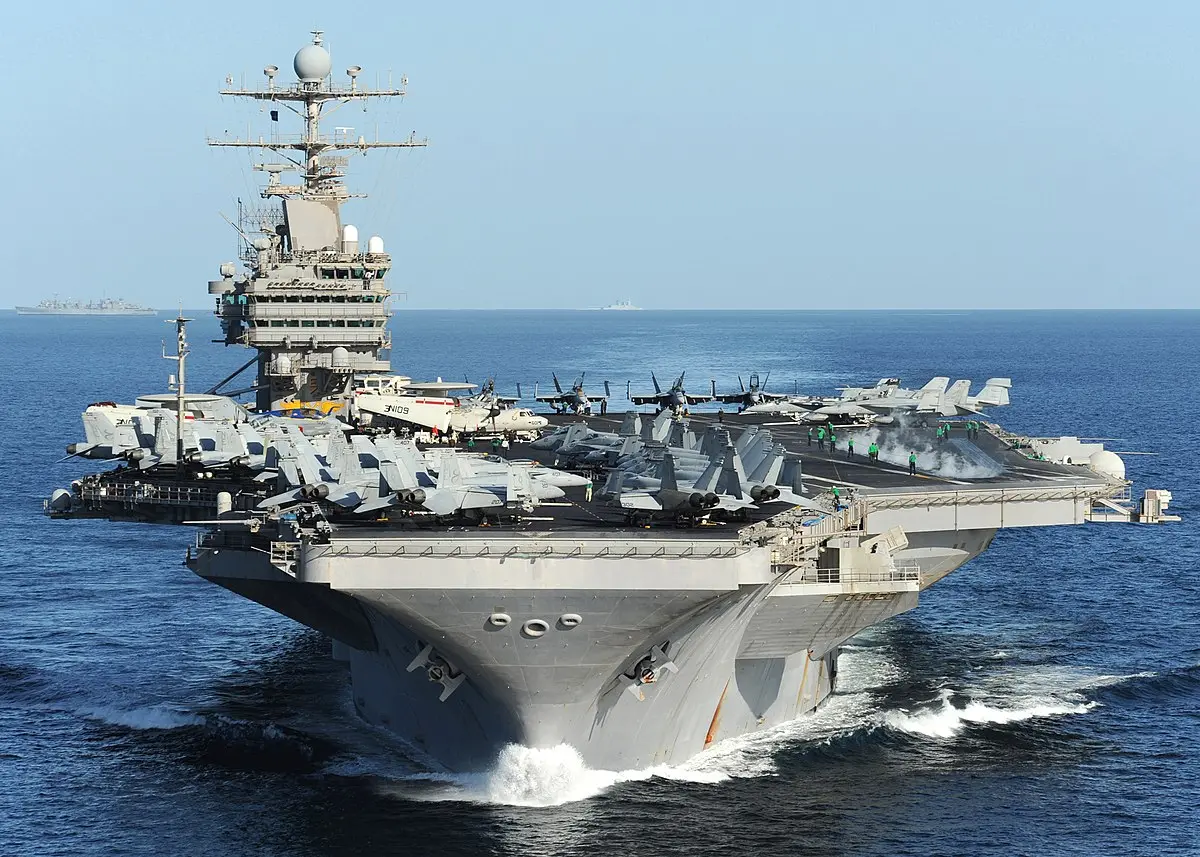
Military Buildup in the Gulf
Alongside diplomacy, military pressure has increased in the region, with the US reinforcing assets near key waterways and issuing fresh maritime advisories, and Iran warning against external interference. It has deployed fighter jets, missile destroyers, and carrier strike groups, including the USS Abraham Lincoln. US President told Axios on Tuesday that he is “thinking” of sending a second carrier strike group to the region. The show of force aims to deter Iranian aggression and signal US resolve as negotiations continue. Israeli Prime Minister Benjamin Netanyahu is meeting Trump today, likely pressing to expand talks with Iran to cover missiles and other security threats. Meanwhile, the US has advised American-flagged ships in the Strait of Hormuz to avoid Iranian territorial waters.
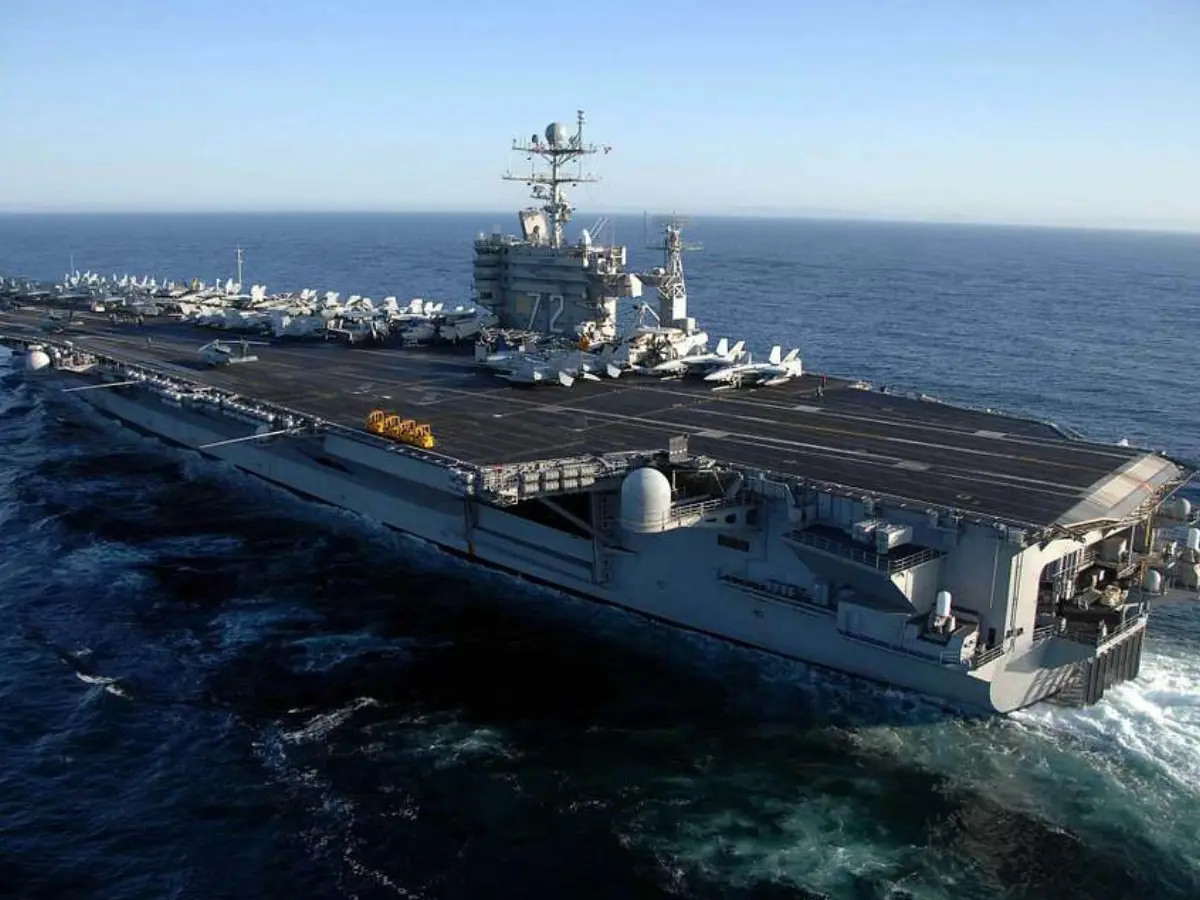
Drone Interceptions Highlight Tensions
Earlier this week, a US official confirmed that an Iranian drone approaching the USS Abraham Lincoln was shot down earlier this week, demonstrating the risks of direct confrontation even as diplomatic channels remain open. This incident represents the fragile balance between military posturing and negotiation.
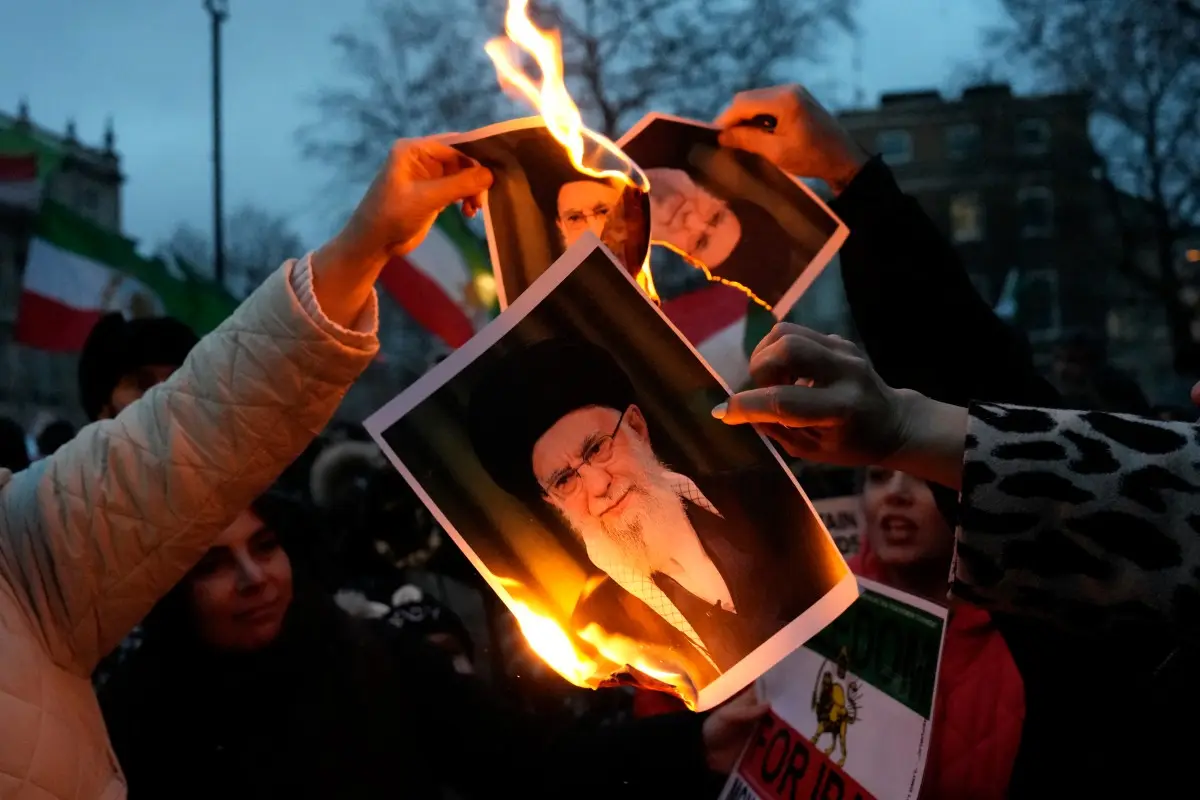
Tehran’s Red Lines
Iran has warned that any US strike on its territory would trigger retaliatory attacks on American bases in the region, while maintaining that neighbouring countries hosting US forces would not be targeted. Tehran continues to assert its right to uranium enrichment and insists missile discussions remain off the table.
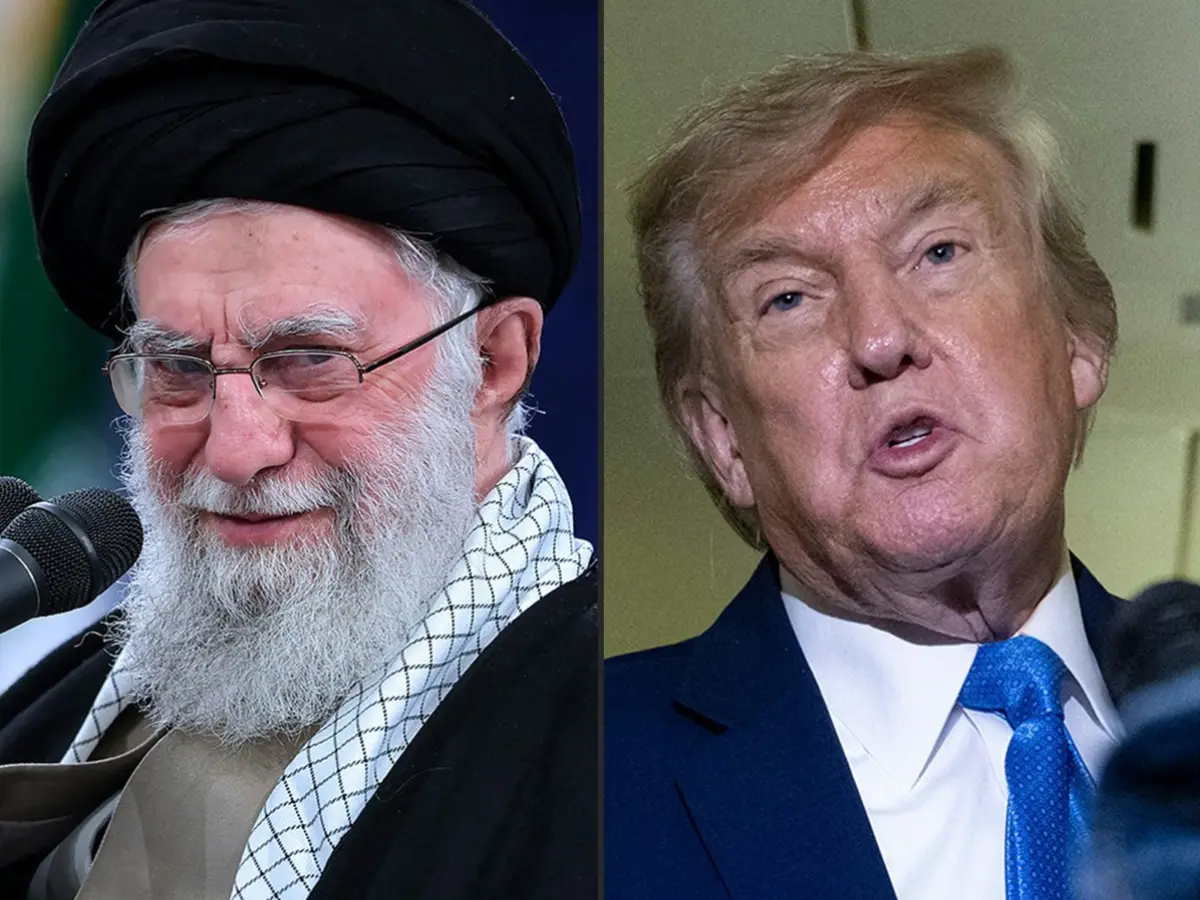
Diplomacy and aggression
President Trump’s remarks signal a dual approach: on one hand, he emphasises the potential for a “great deal” with Iran, suggesting openness to diplomacy; on the other, he warns of “something very tough like last time,” implying possible military action if a deal is not struck. Iran’s response highlights its own stance, on tuesday a statement from Iran government stated that it “stands powerfully and with authority against any threat, conspiracy, and overreach,” signaling that it would respond forcefully to any aggression.
Diplomatic Challenges
Experts also note that the simultaneous presence of US military forces and ongoing negotiations presents a complex dynamic. While the Abraham Lincoln’s deployment signals power, it may also increase Iranian mistrust, complicating the potential for substantive progress on nuclear limitations.
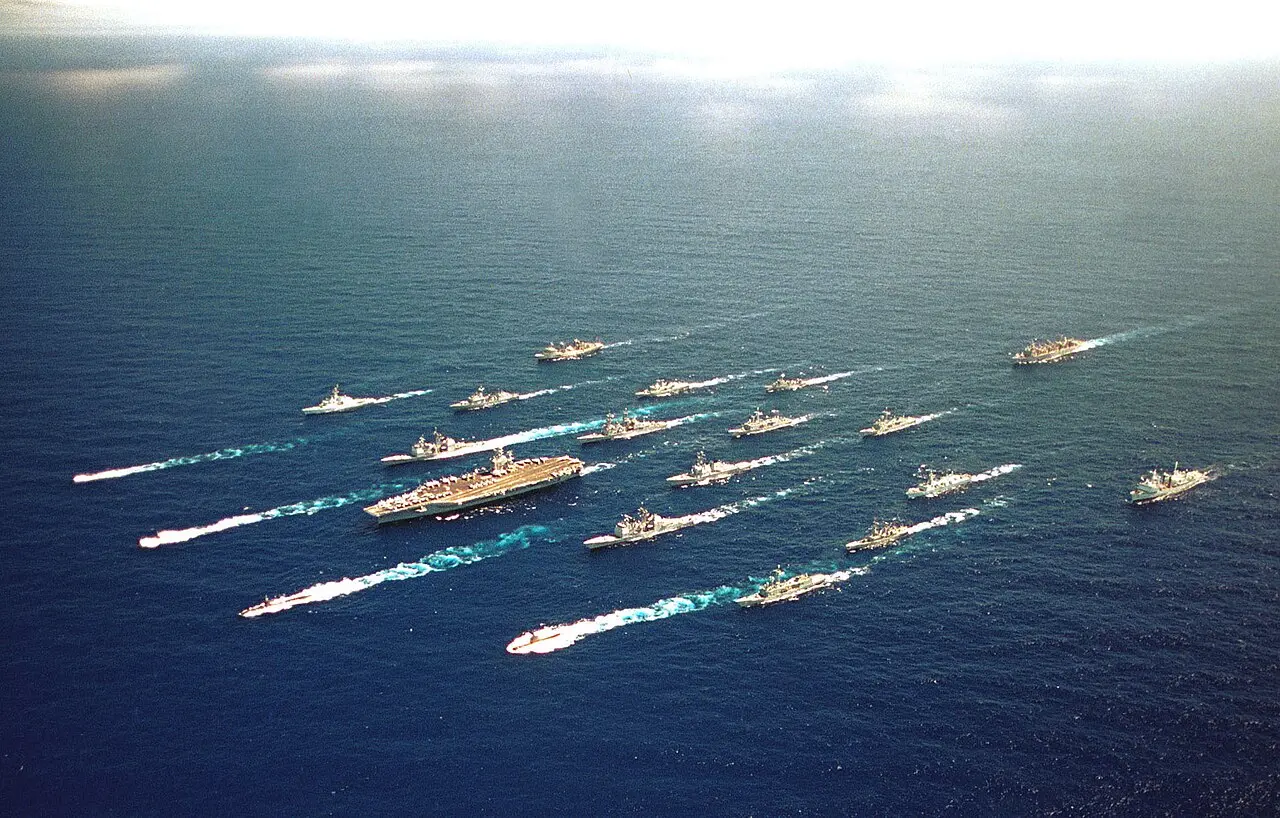
Balancing Act Ahead
The coming weeks are critical. In order to engage in meaningful diplomacy, both Washington and Tehran must navigate a delicate balance between showing strength and gaining trust from each other. The outcome will shape not only nuclear stability but also broader US–Iran relations and regional security in the Gulf, with the USS Abraham Lincoln symbolising both deterrence and the shadow of possible conflict.
)
)
)
)
)