Can US force Iran to reopen the Strait of Hormuz? Here are three real options: Check inside

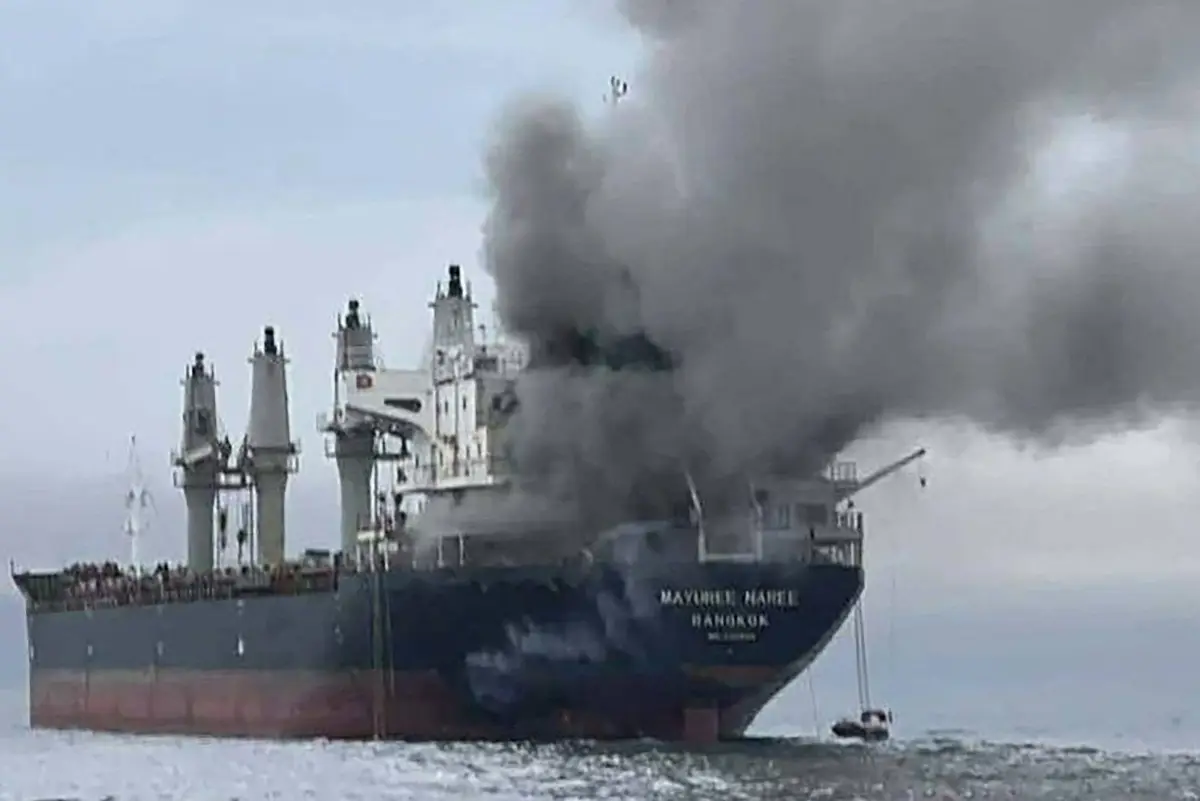
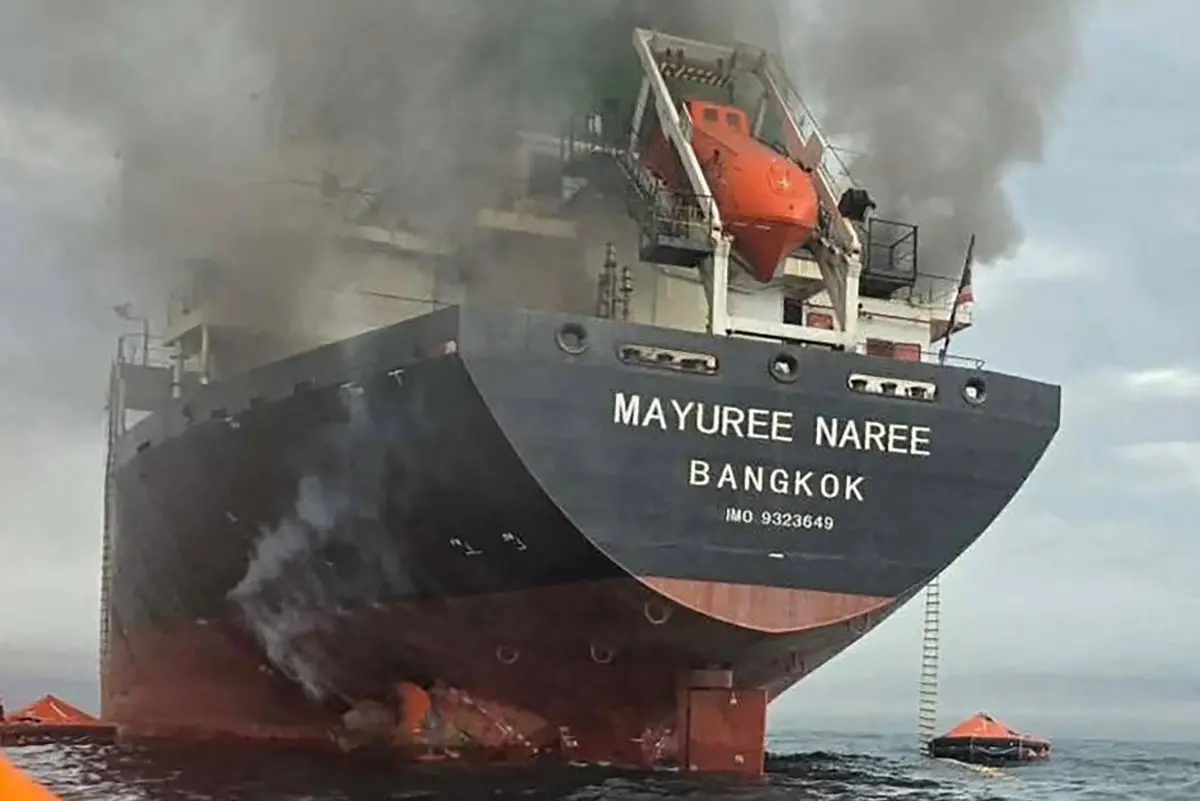
After the war erupted in West Asia, the US and Israel targeted Iran’s infrastructure. Tehran retaliated by striking key facilities and targeting ships crossing the Strait of Hormuz, causing oil supply disruptions. The key question now is whether the US will force Iran to reopen the strait?
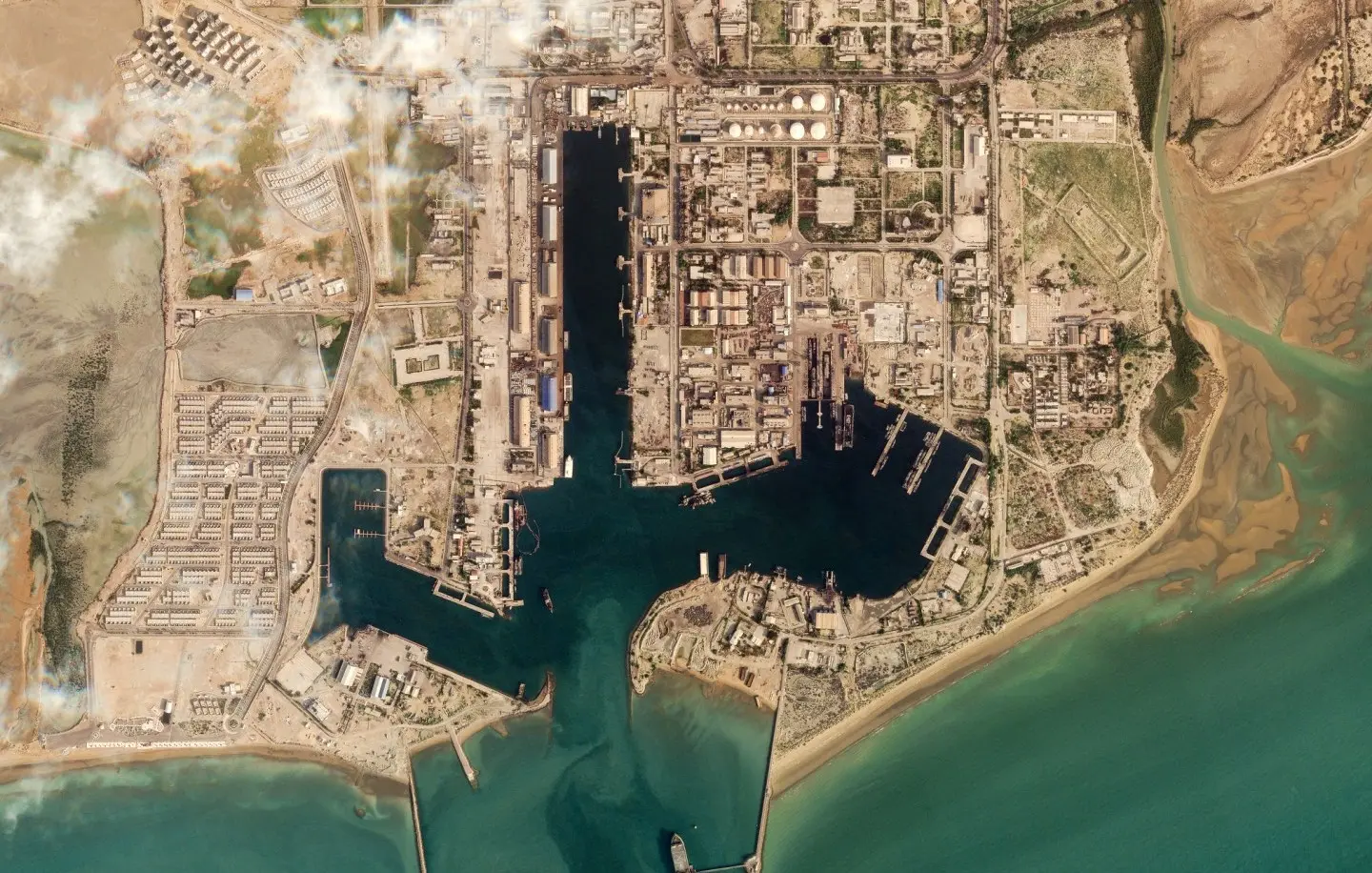
The Strait of Hormuz
The narrow waterway between Iran and Oman is among the world's most important energy corridors. The US Energy Information Administration (EIA) data indicates that around 20 million barrels of oil pass through the strait every day, representing nearly one-fifth of global petroleum liquids consumption.
Any long-lasting disruption would quickly hamper the global energy markets and the economies reliant on Gulf oil exports. Analysts and officials cited by The Wall Street Journal indicated that the US has three main options to push for the waterway to reopen: diplomacy, military force, or economic pressure.

Diplomacy
A diplomatic agreement between Washington and Iran is widely seen as the most direct way to restore stability in the Strait of Hormuz. Previous crises in the Gulf have often been defused through negotiations and de-escalation rather than through direct military control of shipping routes. Iran’s UN ambassador, Amir Saeid Iravani, recently told the United Nations Security Council that Tehran does not intend to permanently disrupt global energy trade, according to international media reports. However, US officials maintain that stability in the strait ultimately depends on Iran’s behaviour. The success of diplomacy, though, hinges on wider political talks between the two sides, which remain uncertain as military operations continue.
Military force
The United States could try to secure shipping through military escorts in the Strait of Hormuz, with Donald Trump suggesting the US Navy may accompany commercial tankers. However, Chris Wright said the Navy is not yet ready as forces remain focused on operations against Iran. Analysts warn escorts alone may not ensure safety because Iran controls the northern coast of the Strait of Hormuz with missiles, drones and mines, and full military control would likely require seizing Iranian coastal territory.

Economic pressure
A third option for Washington is to apply economic pressure. The United States has historically relied on sanctions to curb Iran’s oil exports and restrict its financial dealings. Strengthening these measures, especially by targeting countries or companies that continue doing business with Tehran, could raise pressure on Iran to ease tensions around the Strait of Hormuz. Such “secondary sanctions” have previously been used to limit Iran’s access to global financial networks and energy markets. However, enforcing them can be challenging, particularly when Iranian oil is sold through indirect or covert trade routes.
The history of 'Tanker War'
The current tensions date back to the developments during the Iran–Iraq war in the 1980s, when both countries targeted oil tankers in the Gulf during what became known as the “Tanker War.” From 1984 to 1988, hundreds of commercial vessels were attacked. In response, the United States launched Operation Earnest Will to escort Kuwaiti oil tankers through the Gulf. Despite these efforts, risks remained. Several ships struck naval mines, including the US Navy frigate USS Samuel B. Roberts, which was severely damaged in 1988. The incident illustrated the difficulty of fully securing maritime routes in the region without broader political stability.
)
)
)
)
)