Can Trump refuse to sign Epstein files bill? Would it still be released without his signature?

The US Congress has approved the release of Epstein Files. The ball is now in Trump's court. Though the Republican president has hinted that he would sign the bill, he might not. Here's what the US law says about president's power on signing a bill after Congress' approval
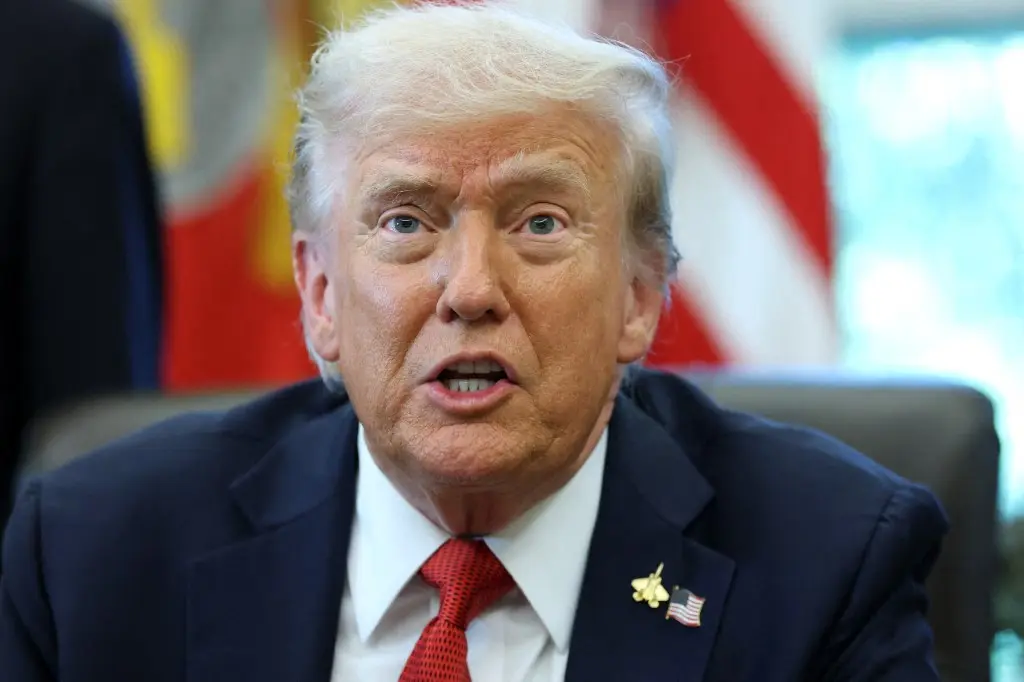
Bill to release Epstein Files on Trump's desk now
The US Congress overwhelmingly passed a bill forcing the release of unclassified Jeffrey Epstein files. The bill is now headed to the White House for US President Donald Trump's signature
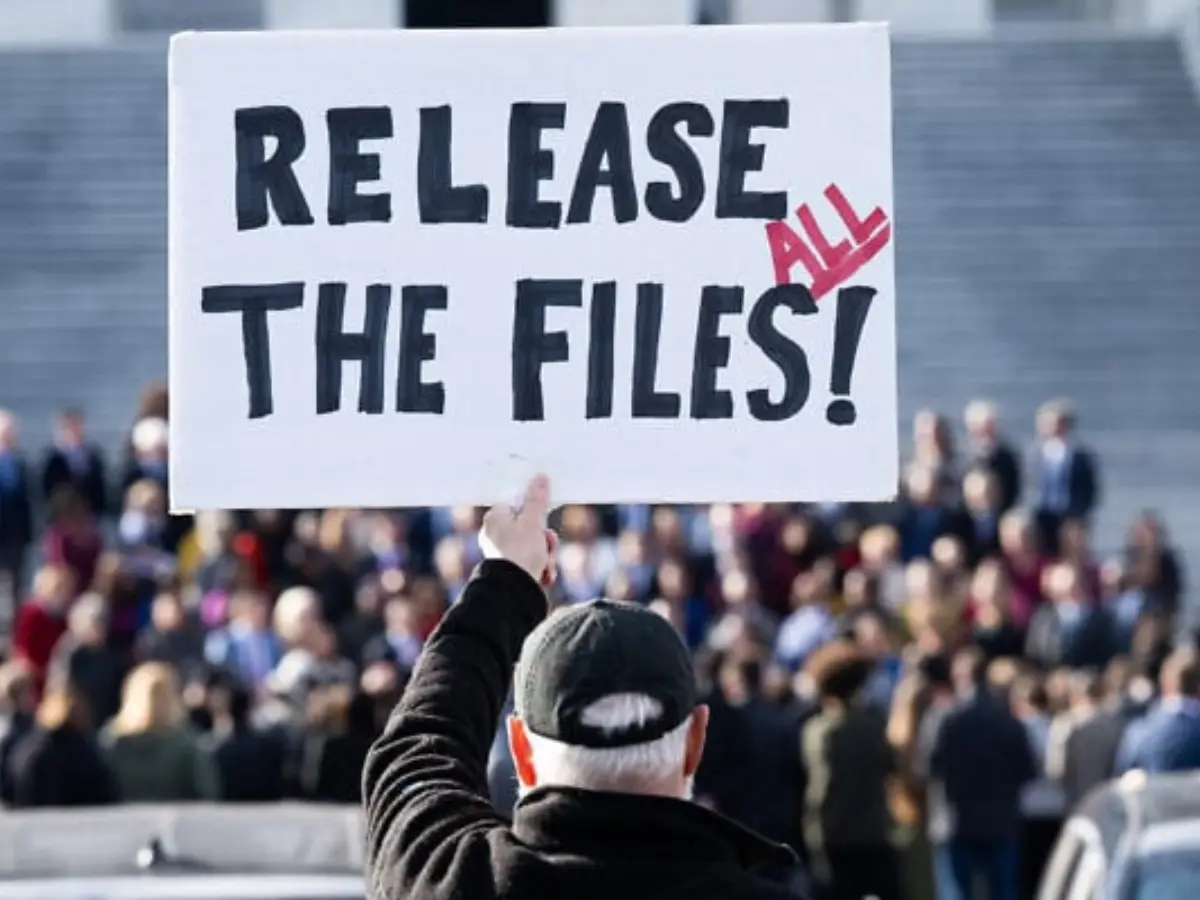
What happened in US Congress?
The House of Representatives overwhelmingly approved the measure with a vote of 427-1, sending the resolution to the Republican-controlled Senate, which quickly passed it. Republican Representative Clay Higgins stood alone in the US House who opposed the release of the Epstein files.
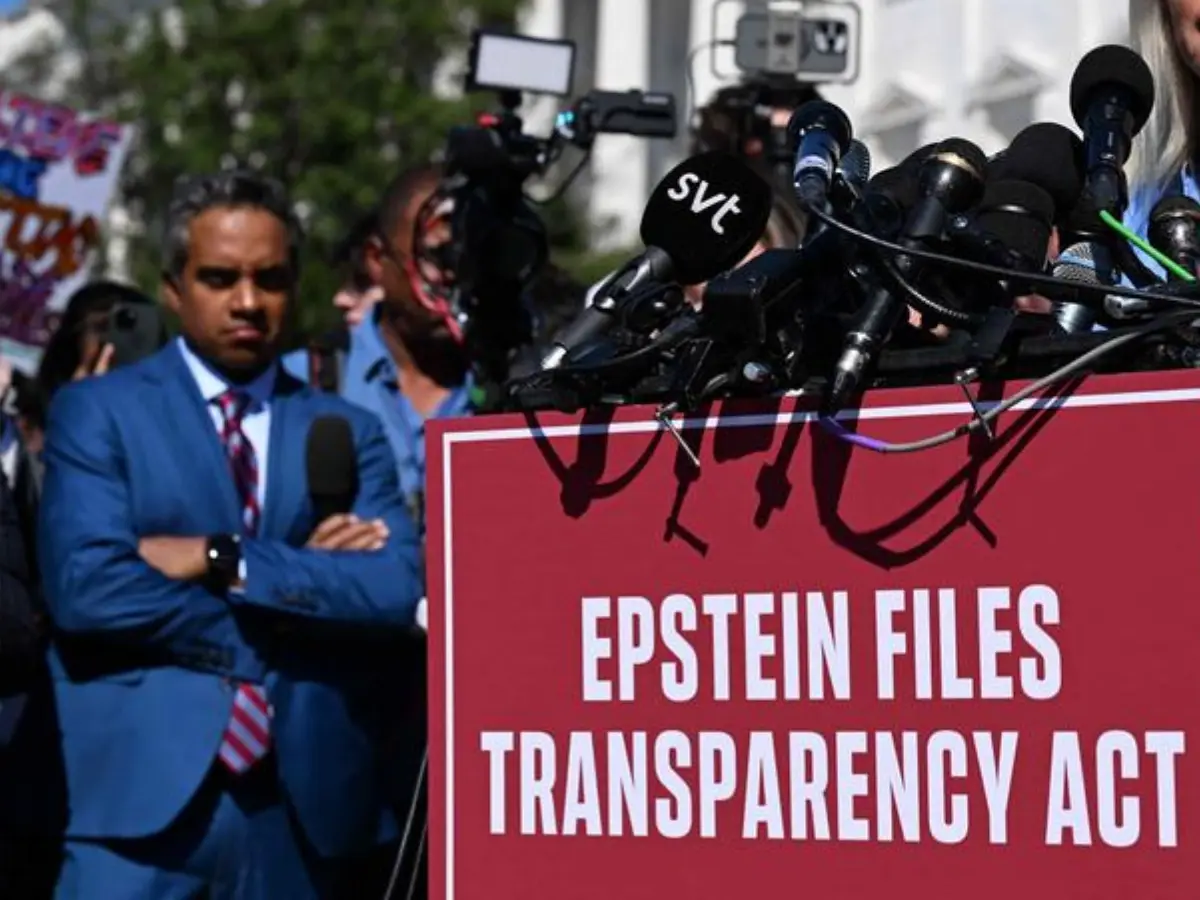
What is the bill that Congress has passed?
Congress approved the Epstein Files Transparency Bill, hat compels the US Department of Justice (DOJ) to publicly release all unclassified documents and investigative materials related to the investigation and prosecution of convicted sex offender Jeffrey Epstein and his associate Ghislaine Maxwell.
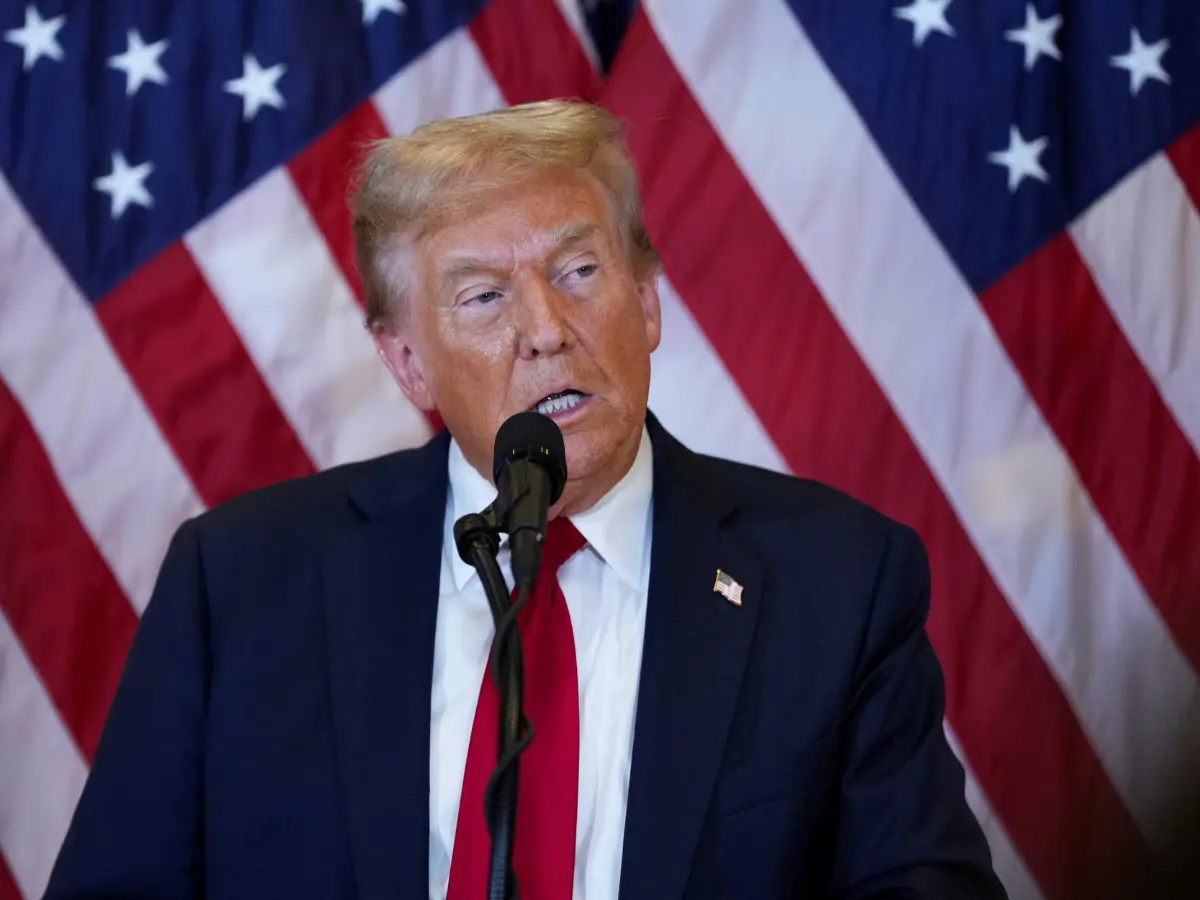
Will Trump sign the bill?
In a major U-turn, Trump said that he would be willing to sign a bill forcing the Department of Justice to release the Epstein files. But he also lashed out at a reporter for asking questions on Epstein Files. The White House has yet not issued a statement as to when would he sign the bill
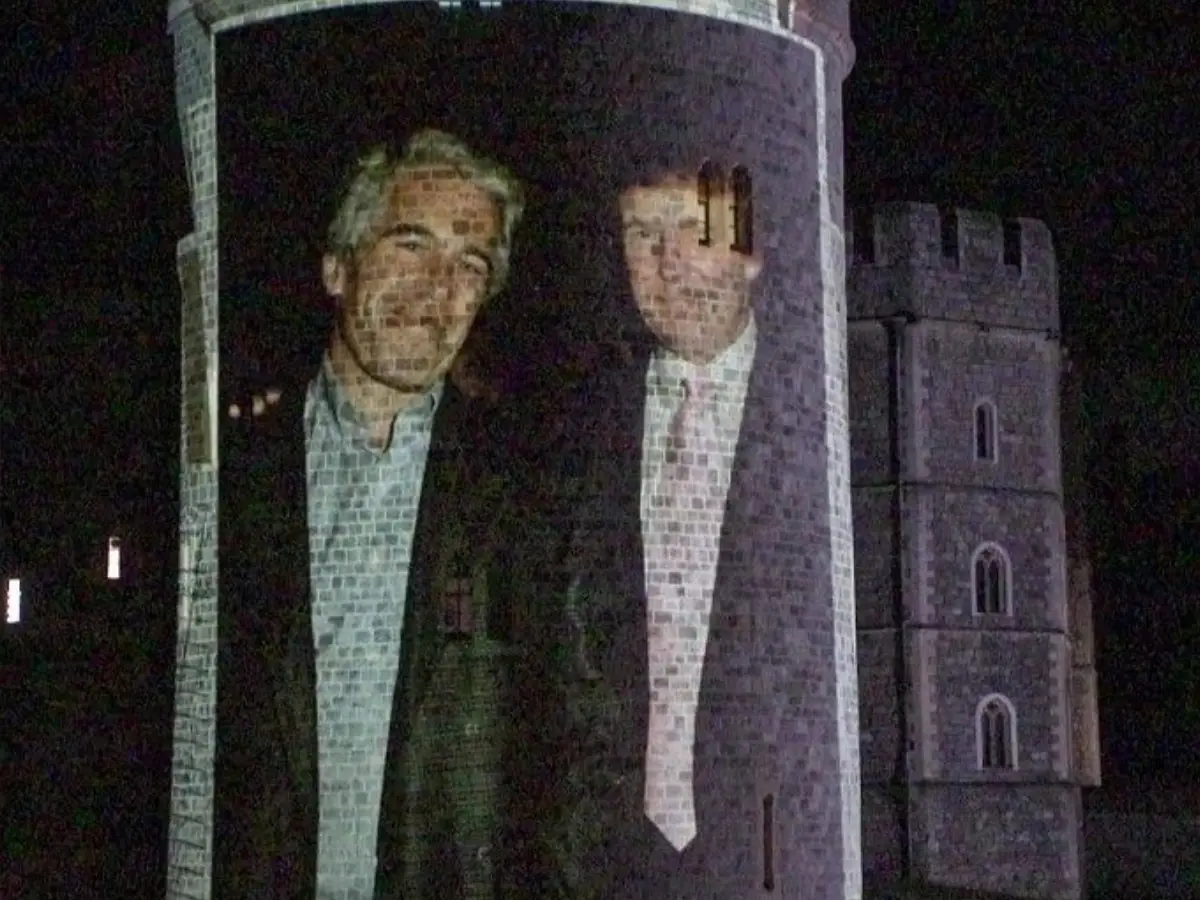
Can Trump not sign a bill even when Congress approves?
According to US law, a President can refuse to sign a bill even after Congress approves it. This is called a veto, where the President returns the bill to Congress with reasons for rejection. Alternatively, a pocket veto can occur if the President takes no action within 10 days and Congress has adjourned.
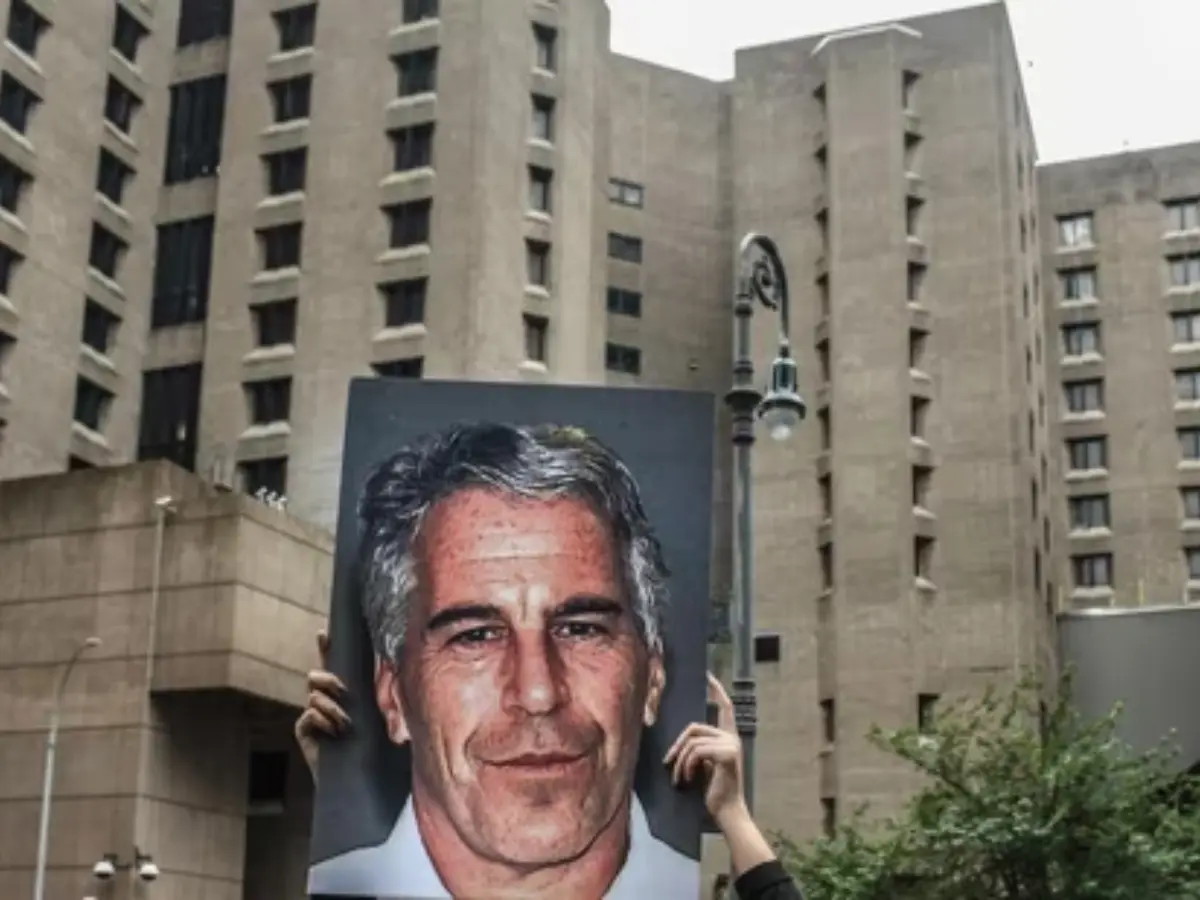
Would it still be released without his signature?
Yes, Congress can override a veto if two-thirds of both the House and Senate vote in favour, forcing the bill to become law without the President’s approval.
)
)
)
)
)