Can Trump really pull US out of NATO? Federal law, the Constitution and treaty rules say it’s not so simple

Beyond military cooperation, NATO serves as a platform for political consultation, aiming to prevent conflict through diplomatic engagement and crisis management operations.
A threat that raises constitutional stakes
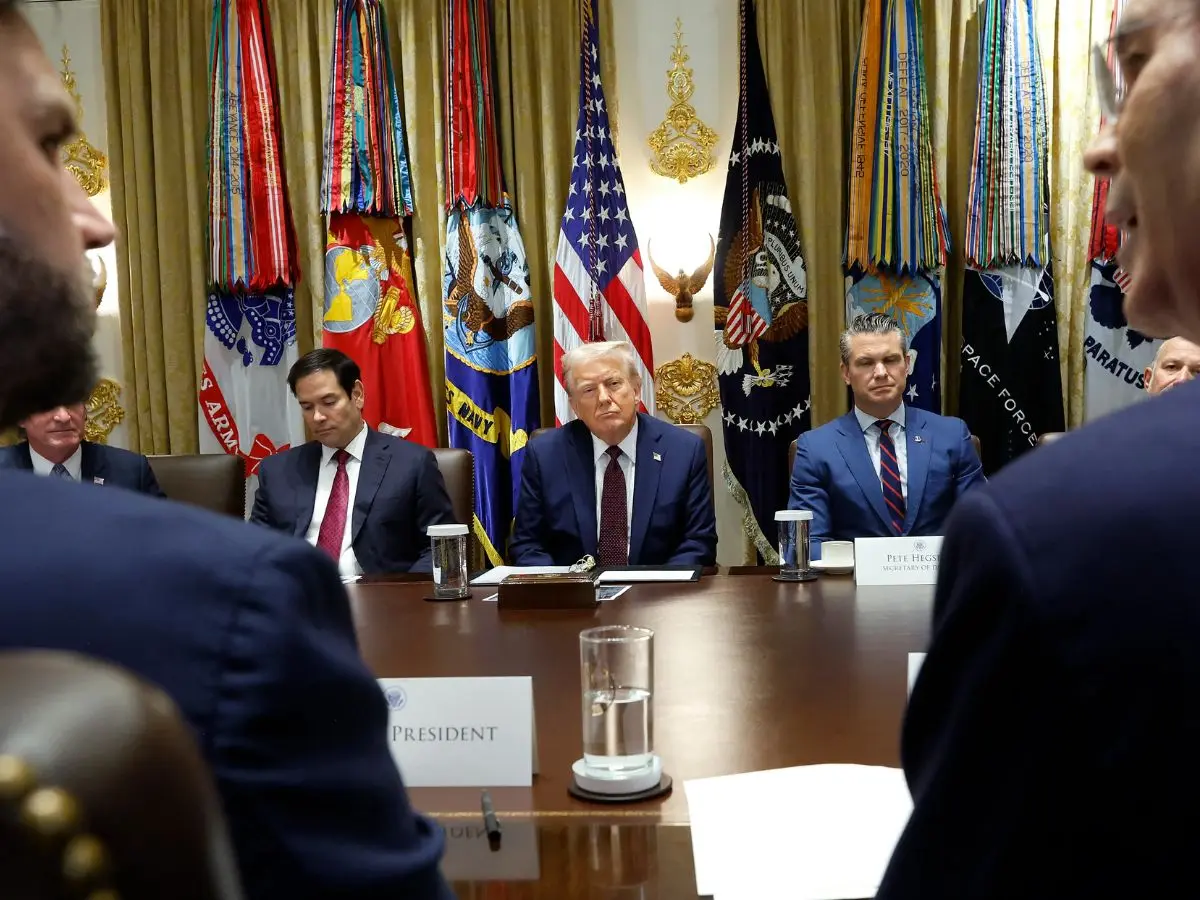
US President Donald Trump has again raised the prospect of withdrawing the United States from NATO, linking his frustration to allies’ reluctance to help secure the Strait of Hormuz. Yet in a subsequent address, his tone appeared more measured. “The countries of the world that do receive oil through the Hormuz Strait must take care of that passage,” he said, urging them to “build up some delayed courage,” without directly naming NATO. Earlier, however, Trump described NATO as a 'paper tiger' and suggested that a US exit was now 'beyond reconsideration'. The remarks raise a fundamental question: can a US president actually pull the country out of NATO, and if so, how?

What is NATO?
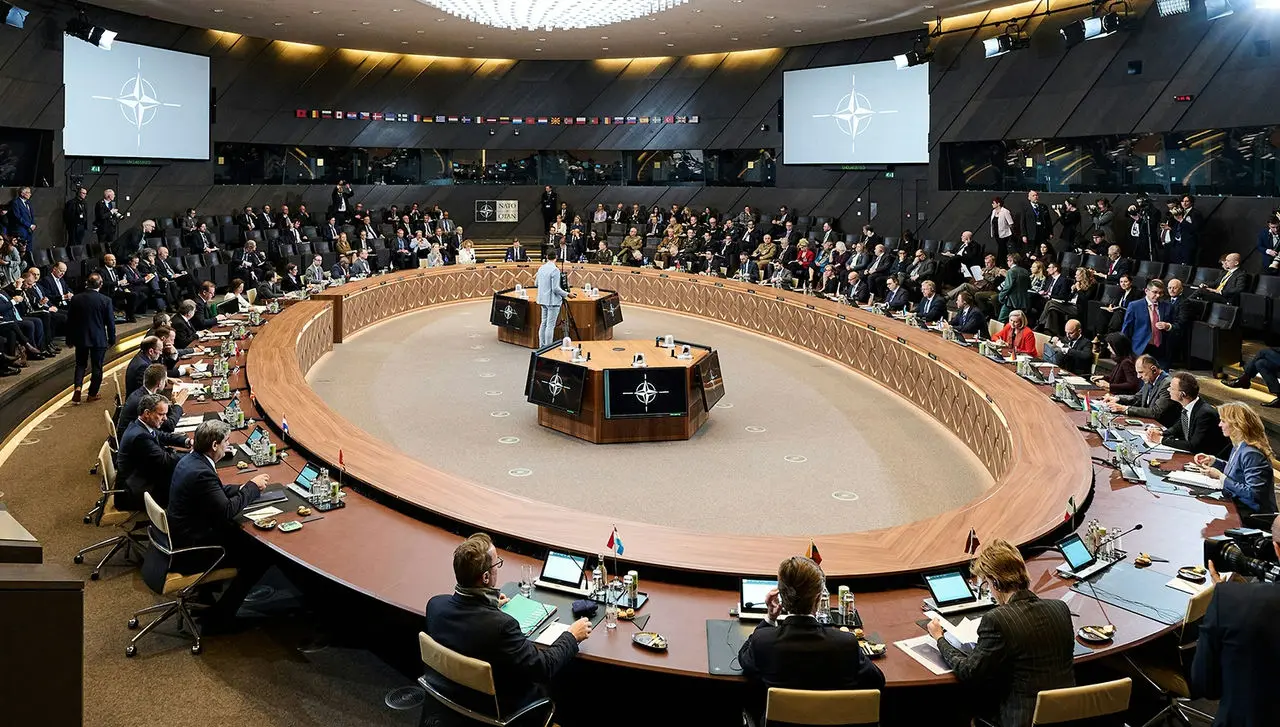
The North Atlantic Treaty Organization (NATO) is a strategic intergovernmental military alliance established in 1949 by the North Atlantic Treaty. Originally formed to counter Soviet expansion, it now comprises 32 member states across Europe and North America. The alliance operates on the principle of collective defense, enshrined in Article 5, which dictates that an attack against one member is considered an attack against all. Beyond military cooperation, NATO serves as a platform for political consultation, aiming to prevent conflict through diplomatic engagement and crisis management operations. It remains a cornerstone of Western security architecture, adapting to modern threats like cyber warfare and global instability.

What the Constitution does—and does not—say
The US Constitution clearly grants the President the authority to make treaties, provided two-thirds of the Senate agree. However, it is silent on how treaties are ended. This omission has left a longstanding ambiguity at the heart of American constitutional practice.
NATO’s own rules on exit
Article 13 of the North Atlantic Treaty allows any member state to withdraw from the alliance. “After the Treaty has been in force for twenty years, any Party may cease to be a Party one year after its notice of denunciation has been given to the Government of the United States of America, which will inform the Governments of the other Parties,” the article states. Withdrawal requires a formal notice, and the process takes effect one year later, legally enabling a country to exit the pact under international law. Notably, in the alliance’s 77-year history, no member has ever left.

Congress moves to restrict unilateral action
In 2023, US lawmakers moved to address the constitutional ambiguity around treaty withdrawal. As part of the National Defense Authorization Act, Congress passed legislation—signed into law by then-President Joe Biden—that bars any president from suspending, terminating, denouncing or withdrawing the United States from NATO without either a two-thirds majority in the Senate or explicit congressional approval. The law also prohibits the use of federal funds for such a move. Backed by bipartisan figures including Tim Kaine and Marco Rubio, the measure reflects growing concern in Congress over unchecked executive authority in foreign policy.
Trump’s position and legal counterarguments
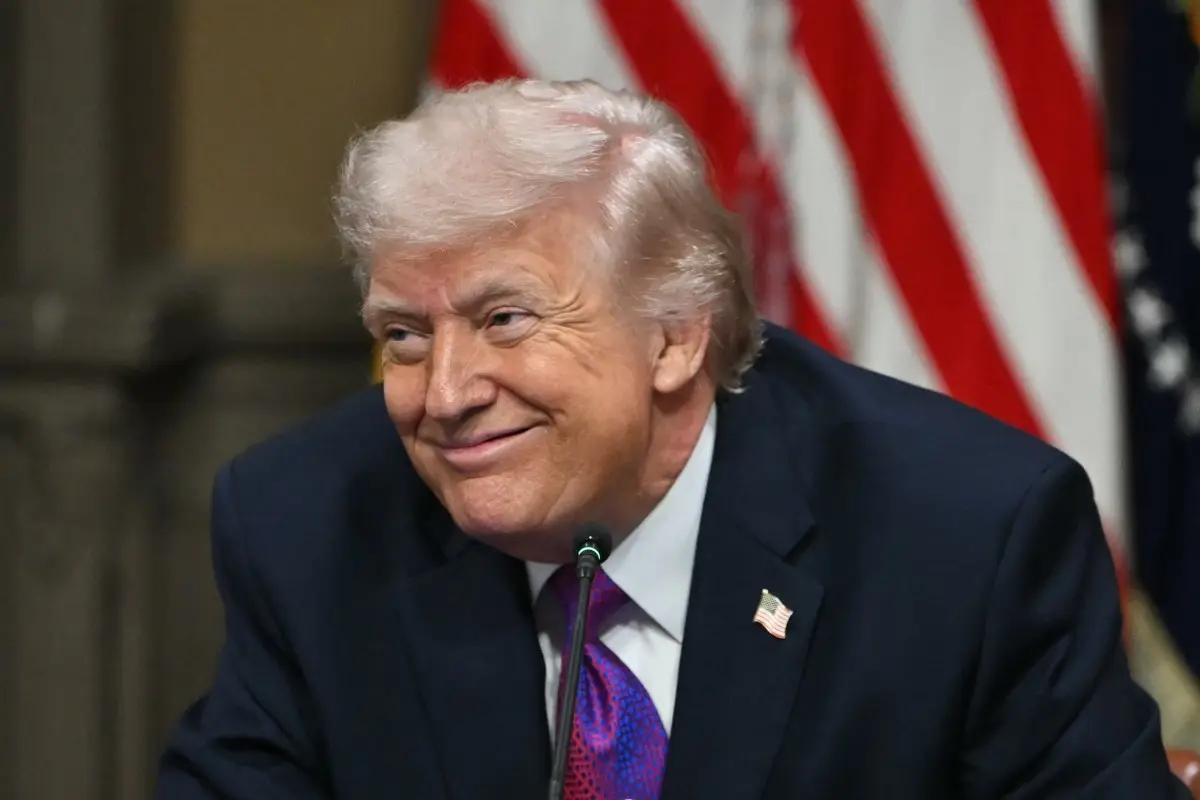
Trump has long criticised NATO and told Reuters he was 'absolutely' considering withdrawal, citing 'disgust with NATO'. In 2020, during his first term, the Department of Justice's legal counsel issued an opinion saying that the President, not Congress, has the exclusive authority to withdraw from treaties.
)
)
)
)
)