Can the USS Abraham Lincoln survive Iran’s missiles without its escort fleet?

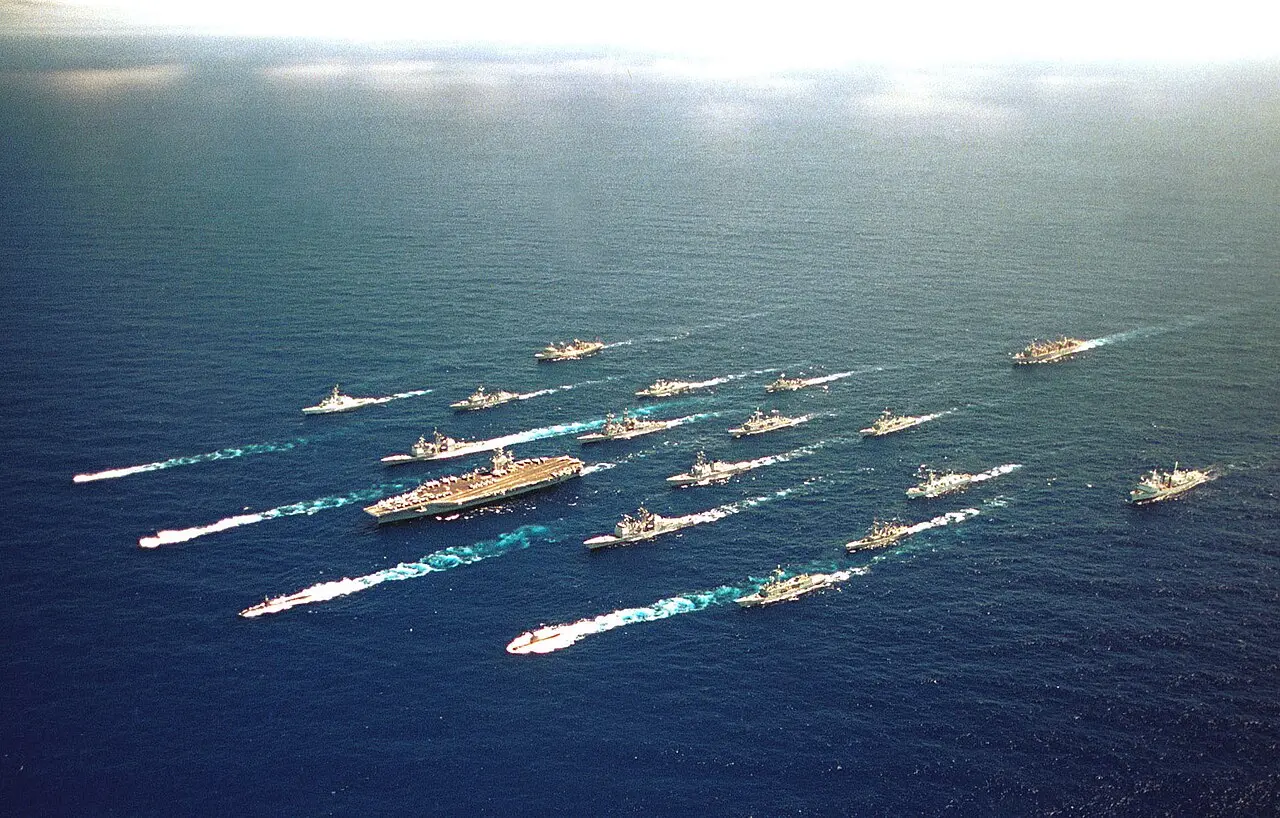
Without its Carrier Strike Group, the USS Abraham Lincoln loses its offensive efficiency. Stripped of Aegis missile defence, Tomahawk strike power, and vital supply ships, the isolated carrier becomes highly vulnerable to Iranian attacks.
The 'Floating Airport' Paradox
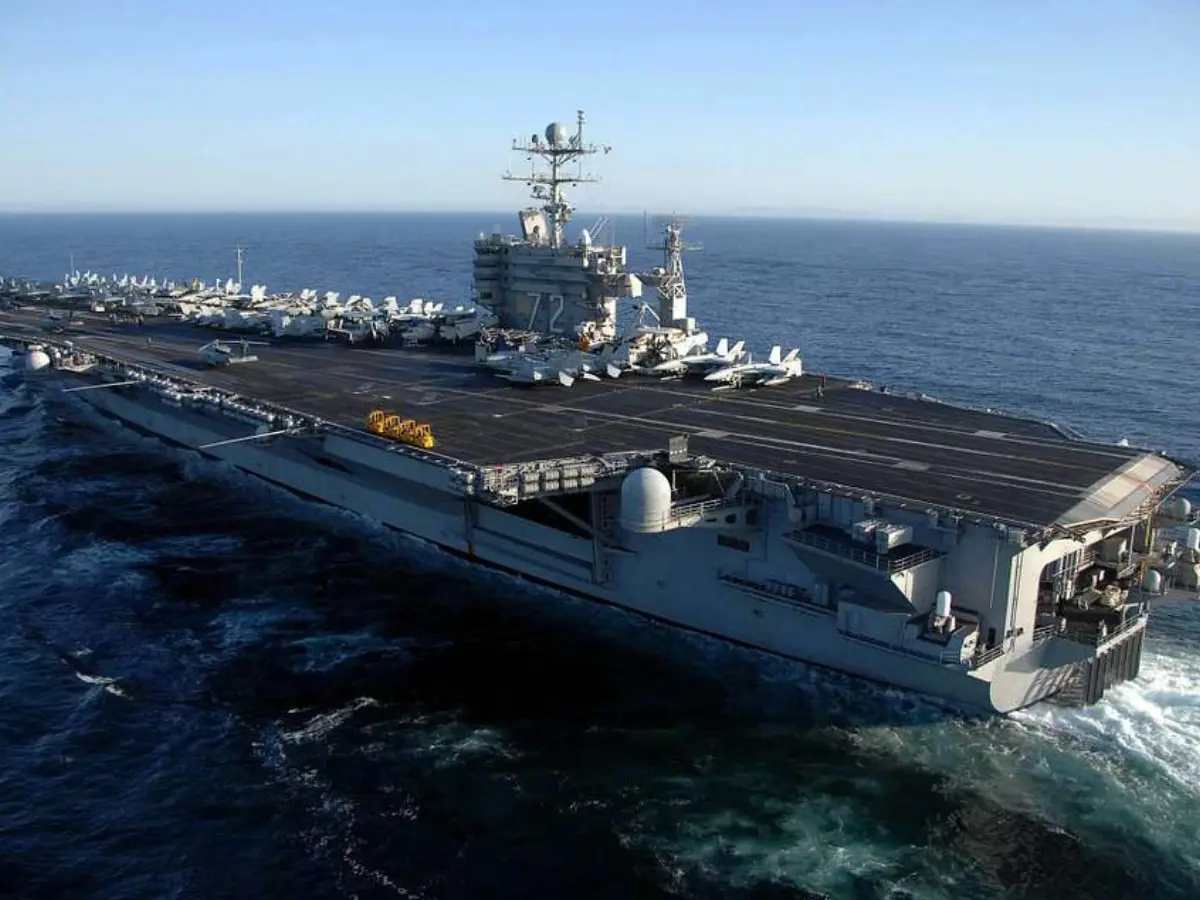
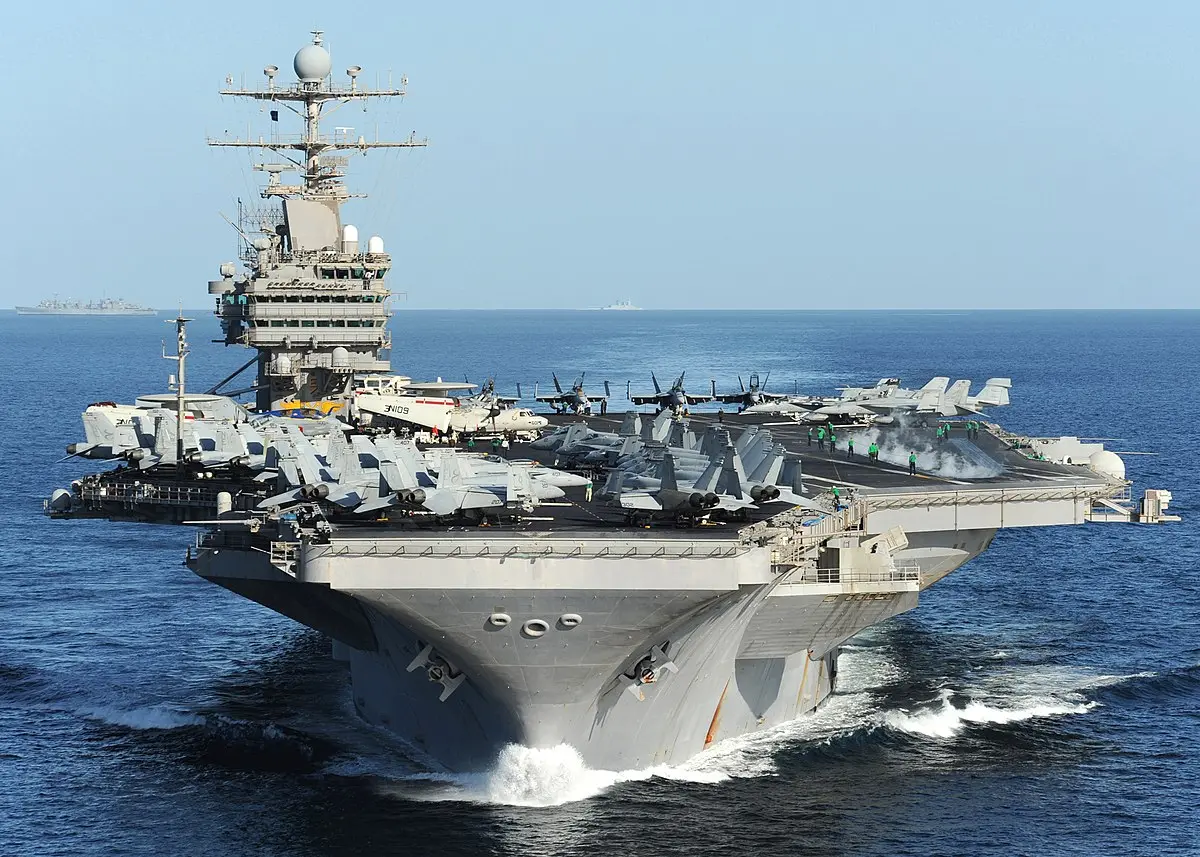
The USS Abraham Lincoln is a nuclear-powered behemoth capable of carrying up to 90 advanced aircraft. However, the carrier is fundamentally just a floating airport with extremely limited onboard weaponry. Without heavily armed escort ships, it cannot safely project power against fortified Iranian coastal defences.
Stripping the Aegis Shield
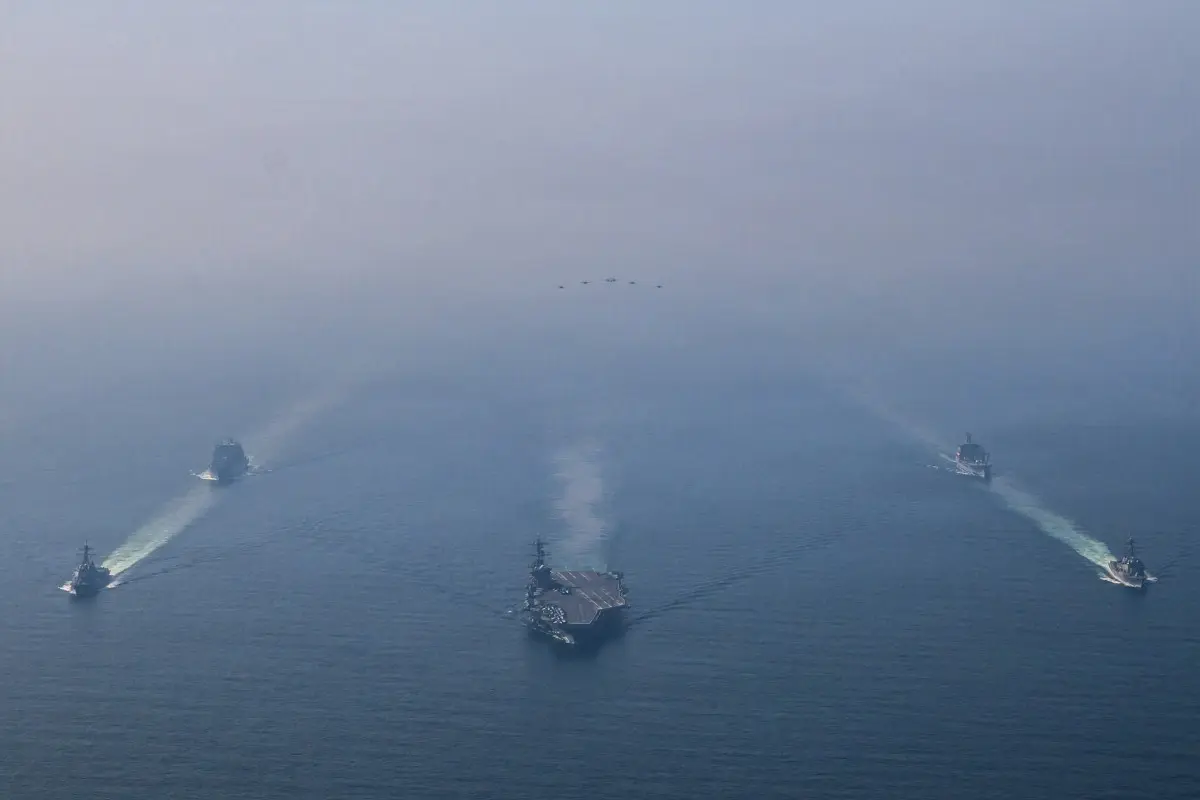
In a war with Tehran, the carrier faces constant threats from Iranian ballistic missiles and suicide drone swarms. Guided-missile destroyers use the advanced Aegis Combat System to create an impenetrable radar and interceptor shield around the Lincoln. Removing this network leaves the carrier completely exposed to hypersonic strikes.
The Submarine Blind Spot
The Persian Gulf's shallow, noisy waters are the perfect hunting ground for Iran's lethal diesel-electric Kilo-class submarines. The Abraham Lincoln relies entirely on its escorting destroyers and nuclear attack submarines to detect and hunt these underwater threats. Without them, an undetected torpedo strike could catastrophically cripple the Rs 51,000 crore vessel.
Losing the Tomahawk Barrage
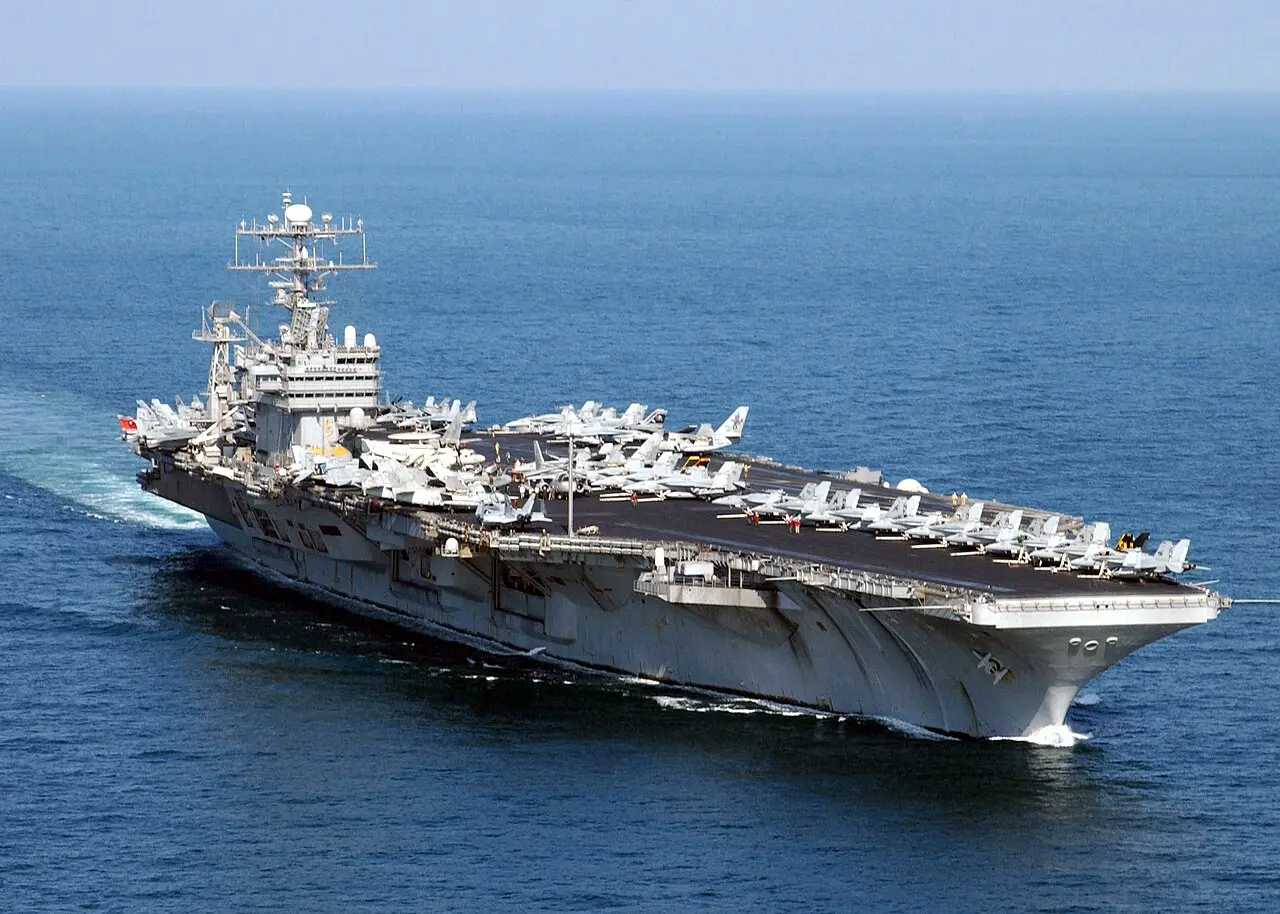
A Carrier Strike Group does not just rely on fighter jets for offensive firepower. The escorting Arleigh Burke-class destroyers carry hundreds of Tomahawk land-attack cruise missiles capable of obliterating enemy anti-air batteries from afar. Without this initial cruise missile barrage, the Lincoln's pilots would face deadly, fully operational Iranian surface-to-air missile networks.
The Electronic Warfare Gap
Surviving modern naval combat requires absolute dominance over the electromagnetic spectrum. The strike group's escorts operate massive phased-array radars that track thousands of airborne targets simultaneously, feeding that critical data directly to the carrier's command centre. Stripped of these ‘floating eyes’, the Abraham Lincoln would fight partially blind.
The Ammunition and Fuel Trap
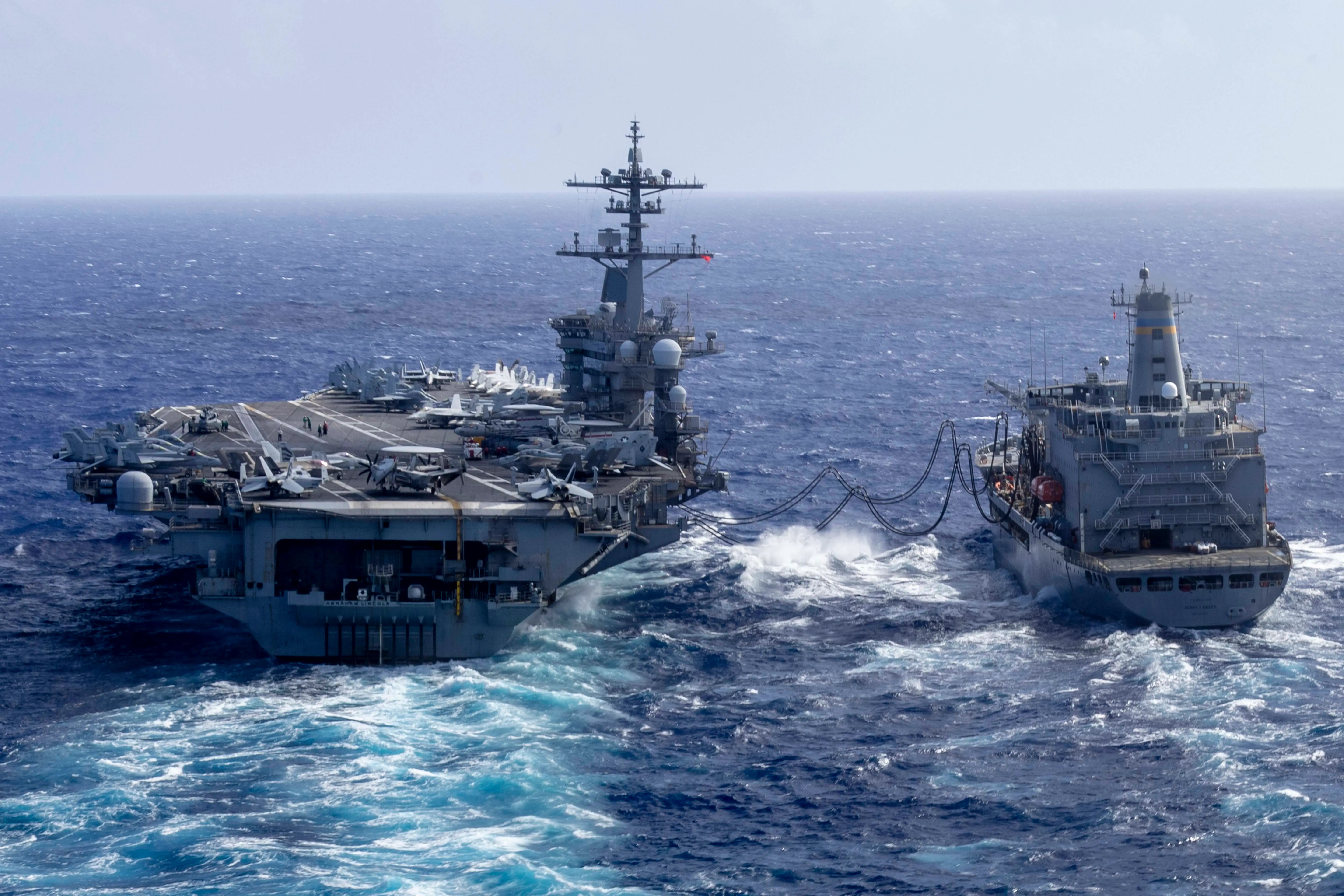
Generating 120 combat sorties a day burns through aviation fuel and precision-guided bombs at an incredible rate. The strike group includes massive supply ships that pump millions of gallons of JP-5 jet fuel into the carrier while sailing at 15 knots. Without these logistical lifelines, the Lincoln's air wing would be grounded within a matter of days.
A Defensive Downgrade
Without its multi-tiered escort fleet, the USS Abraham Lincoln would be forced to use its own fighter jets purely for self-defence. Combat air patrols would constantly orbit the ship to intercept incoming Iranian missiles, leaving almost no aircraft available for offensive strikes. Consequently, operating solo reduces America’s deadliest naval asset to a defensive liability.
)
)
)
)
)