Can Iran sink the USS Abraham Lincoln if it fires 500 Khyber ballistic missiles?

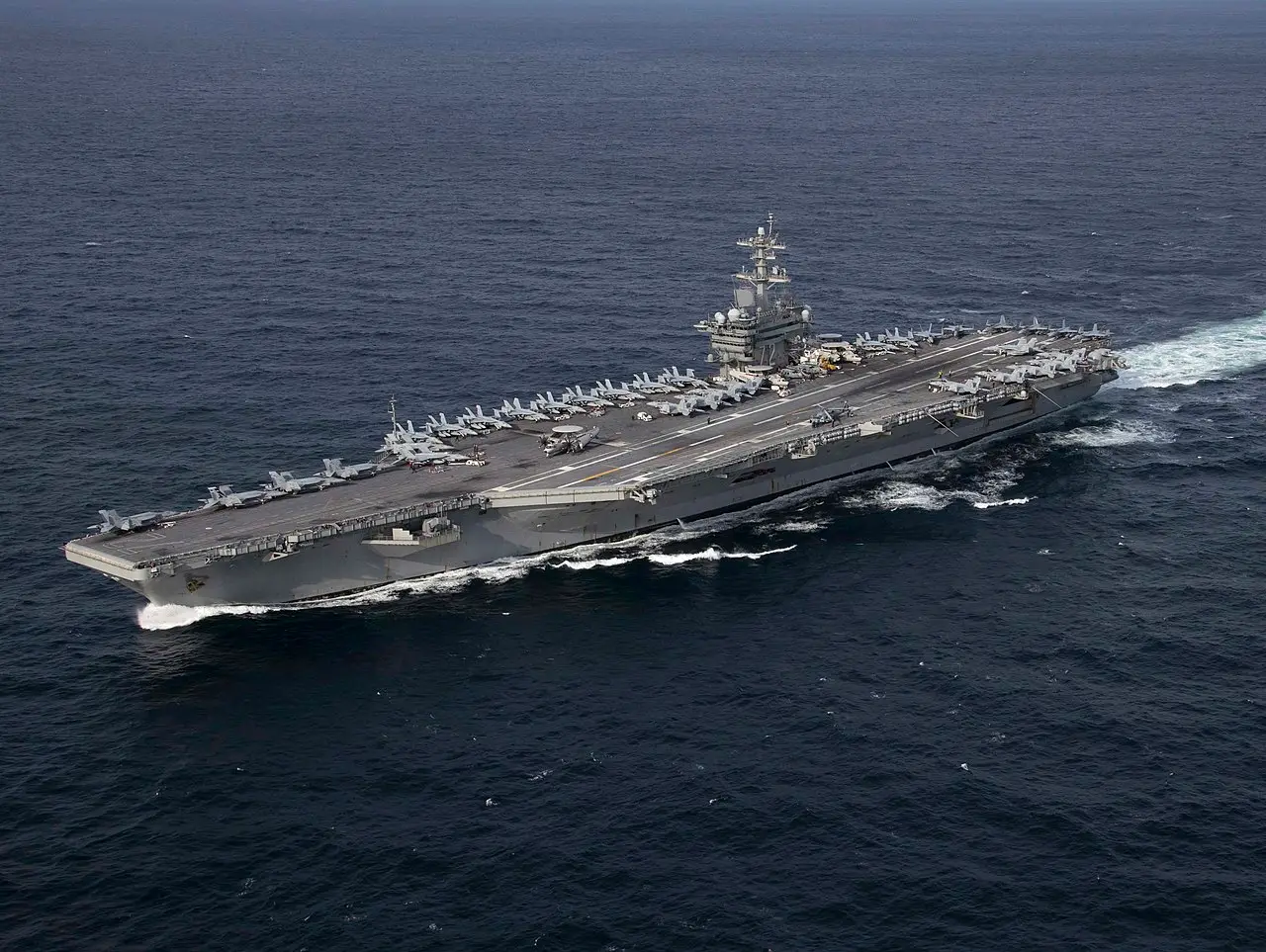
If Iran were to fire 500 Khyber ballistic missiles simultaneously at the USS Abraham Lincoln Carrier Strike Group, even the world’s most advanced U.S. Navy defences would likely be overwhelmed, and the carrier could face catastrophic damage and a potential sinking.

The Threat: Khyber’s 1,500 kg Warhead
The Khorramshahr-4, also known as Khyber, is a liquid-fuelled monster capable of carrying a massive 1,500-kilogram warhead over 2,000 kilometres. Unlike smaller missiles, a single hit from this heavy warhead could cripple a destroyer or severely damage the flight deck of a supercarrier.
Hypersonic Speed: Mach 16
The Khyber travels at Mach 16 outside the atmosphere and slows to Mach 8 upon re-entry, leaving US defenders with mere minutes to react. This extreme speed drastically reduces the window of opportunity for interceptor missiles to lock on and destroy the threat.

The Evasion: MaRV Technology
Crucially, the Khyber is equipped with a Manoeuvring Re-entry Vehicle (MaRV) that allows the warhead to change course in the final stage. This unpredictable movement makes it incredibly difficult for kinetic interceptors, which rely on calculating a fixed trajectory, to score a direct hit.

The Shield: Aegis Destroyers
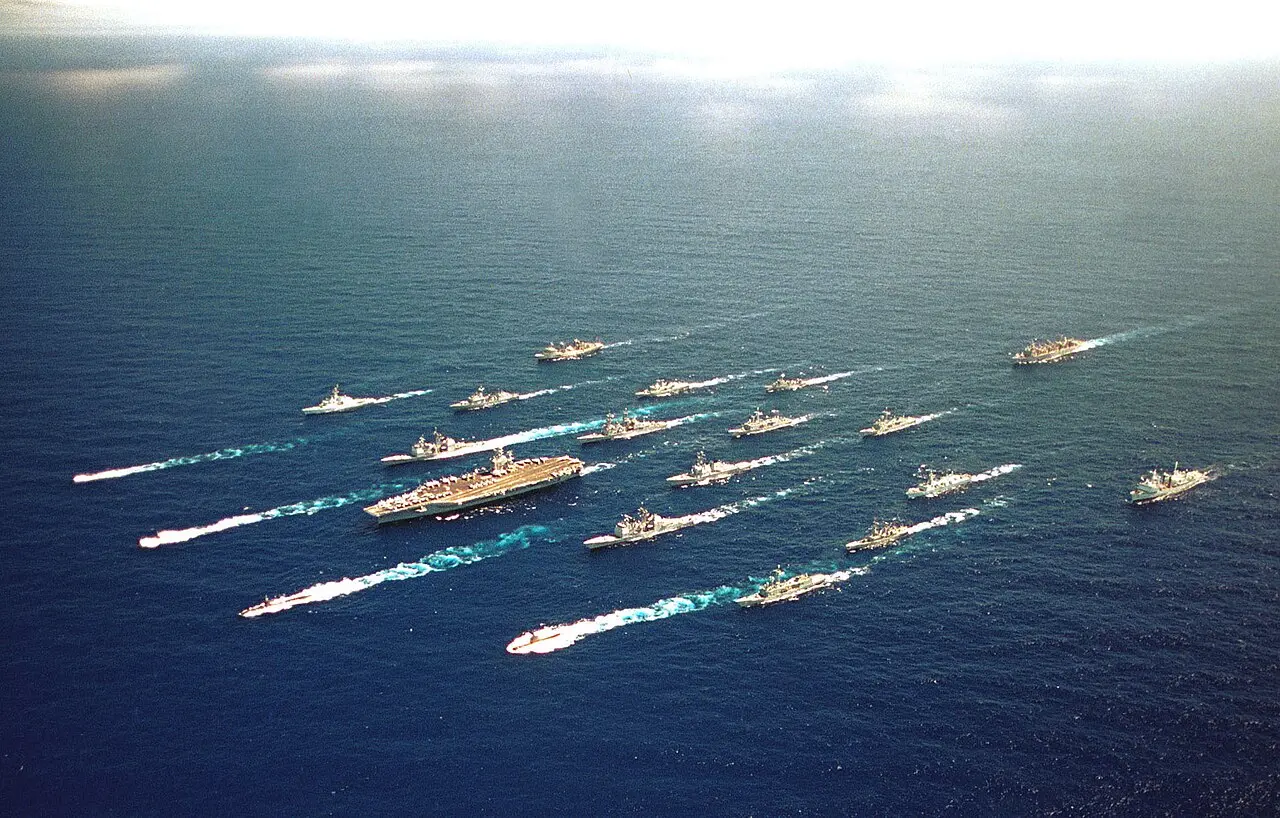
The USS Abraham Lincoln is defended by Arleigh Burke-class destroyers equipped with the sophisticated Aegis Combat System. These ships use the powerful SPY radar to track hundreds of targets simultaneously and guide defensive missiles to intercept them.
The Arrows: SM-3 and SM-6
To stop ballistic missiles, the destroyers fire SM-3 interceptors into space and SM-6 missiles for targets inside the atmosphere. These advanced weapons use 'hit-to-kill' technology, colliding with the enemy warhead with the force of a 10-tonne truck.
The Ammo Crisis: 500 vs 300
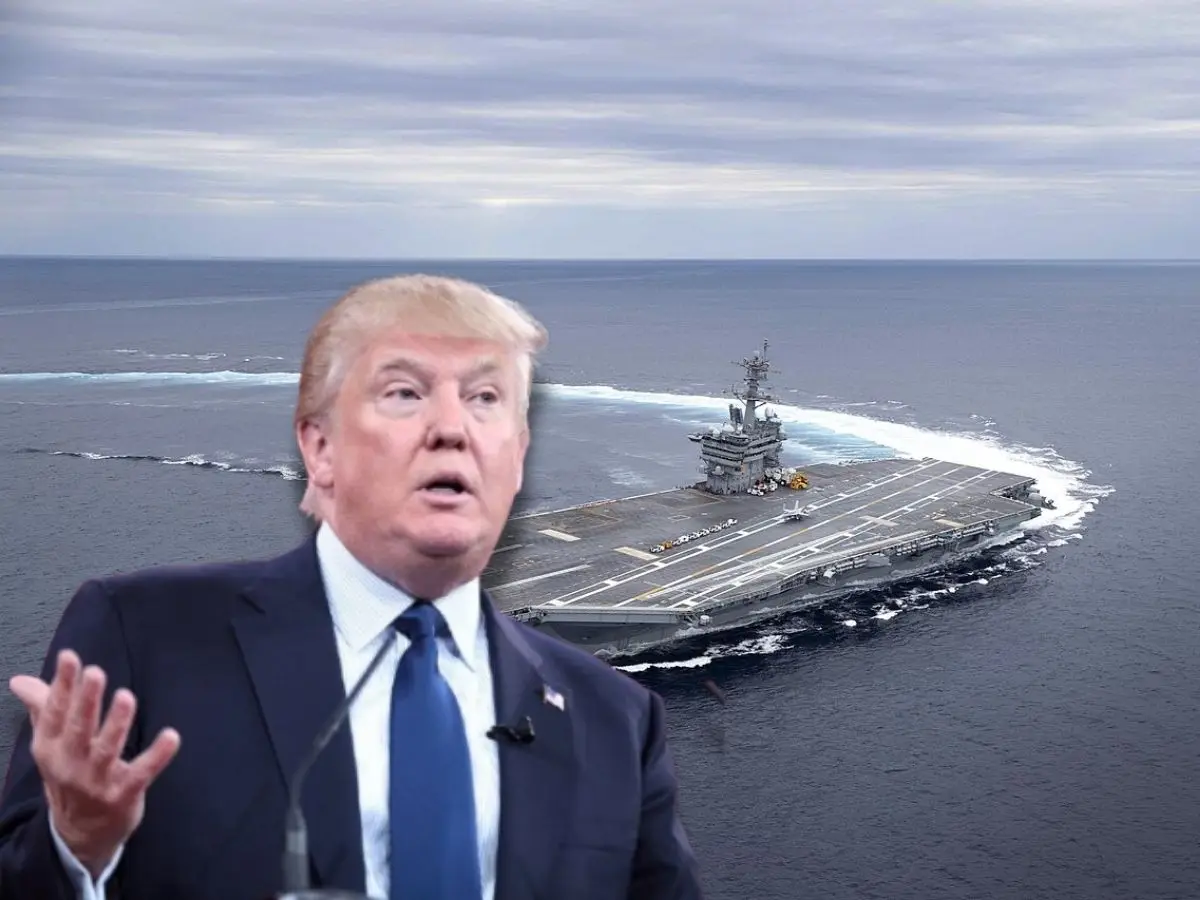
A Carrier Strike Group typically has about 300-400 Vertical Launch System (VLS) cells, but not all carry anti-ballistic missiles. Facing a barrage of 500 incoming Khybers, the destroyers would simply run out of interceptors long before the attack ended.
US Navy
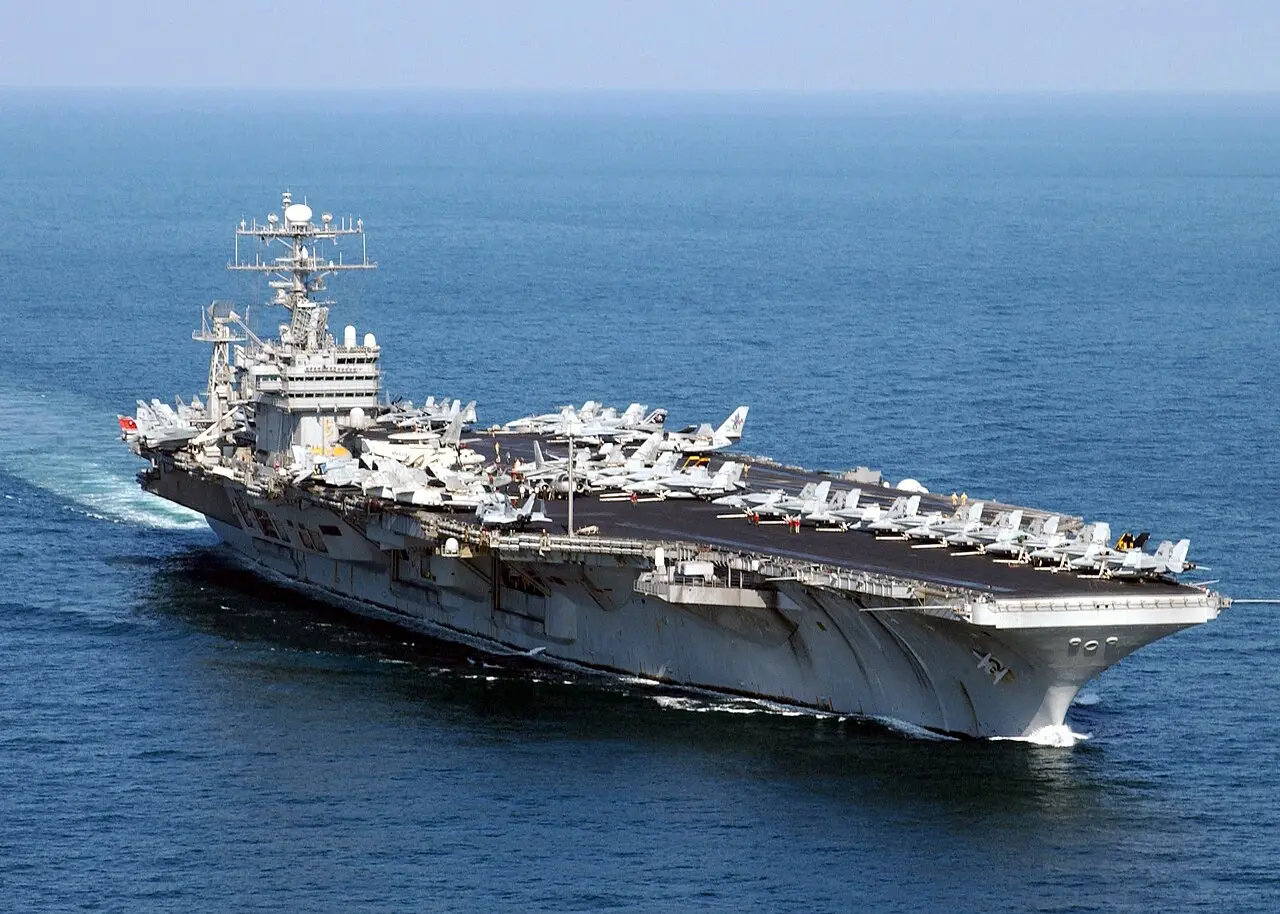
While the US Navy could shoot down dozens of missiles, a volley of 500 would almost certainly overwhelm the fleet's capacity. In a true saturation attack, 'leakers' missiles that slip through would be statistically inevitable, posing an existential threat to the carrier.
)
)
)
)
)