Can the F-15IA fighter jet operate at night or in bad weather?

The F-15IA operates seamlessly at night and in severe weather. Using APG-82 terrain-mapping radar, infrared targeting pods, and automated low-altitude flight systems, the jet executes precision strikes in zero visibility without hesitation.
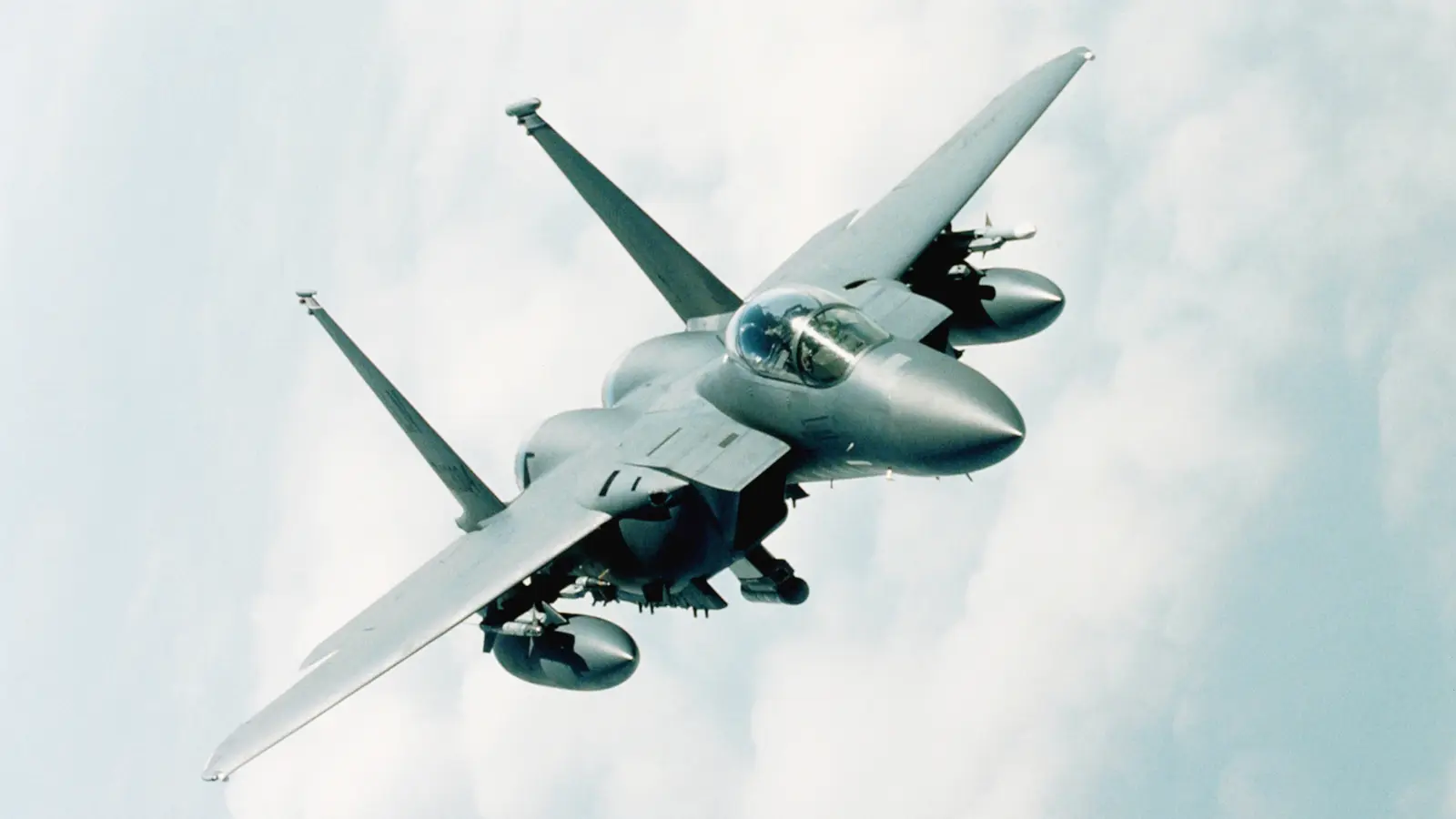
True all-weather capabilities
The F-15IA is explicitly engineered to fight 24 hours a day in any weather condition. According to Boeing specifications, its advanced avionics allow pilots to execute high-speed missions regardless of heavy cloud cover or total darkness.
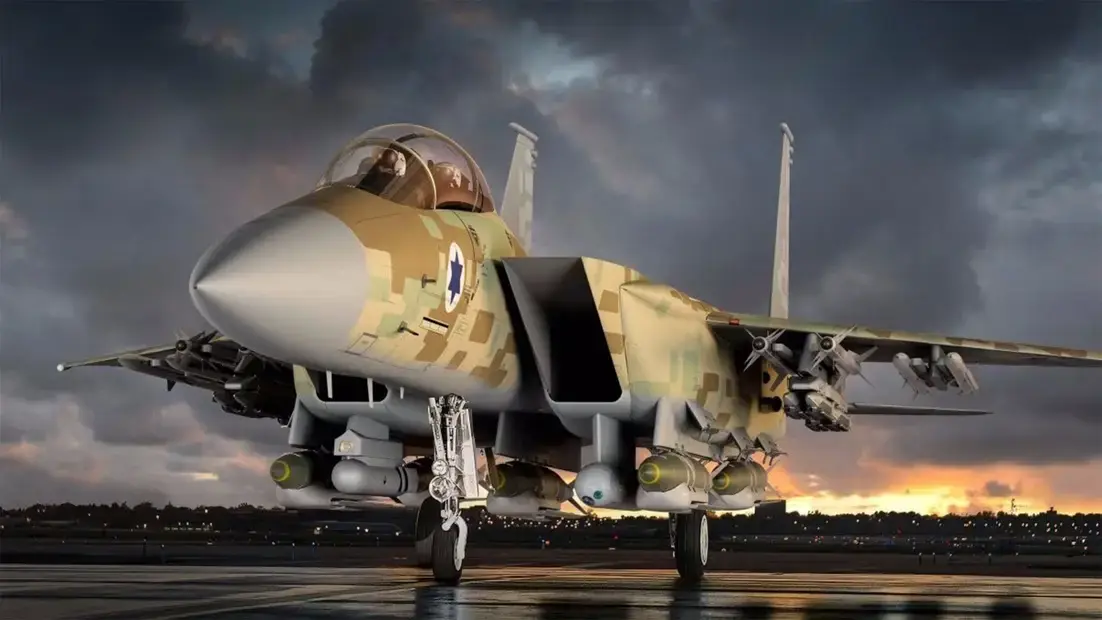
Radar that cuts through storms
To navigate blindly, the jet relies on the APG-82 Active Electronically Scanned Array radar. Defence analysts note this system provides high-resolution terrain mapping that easily cuts through heavy fog and severe rain to identify ground targets.
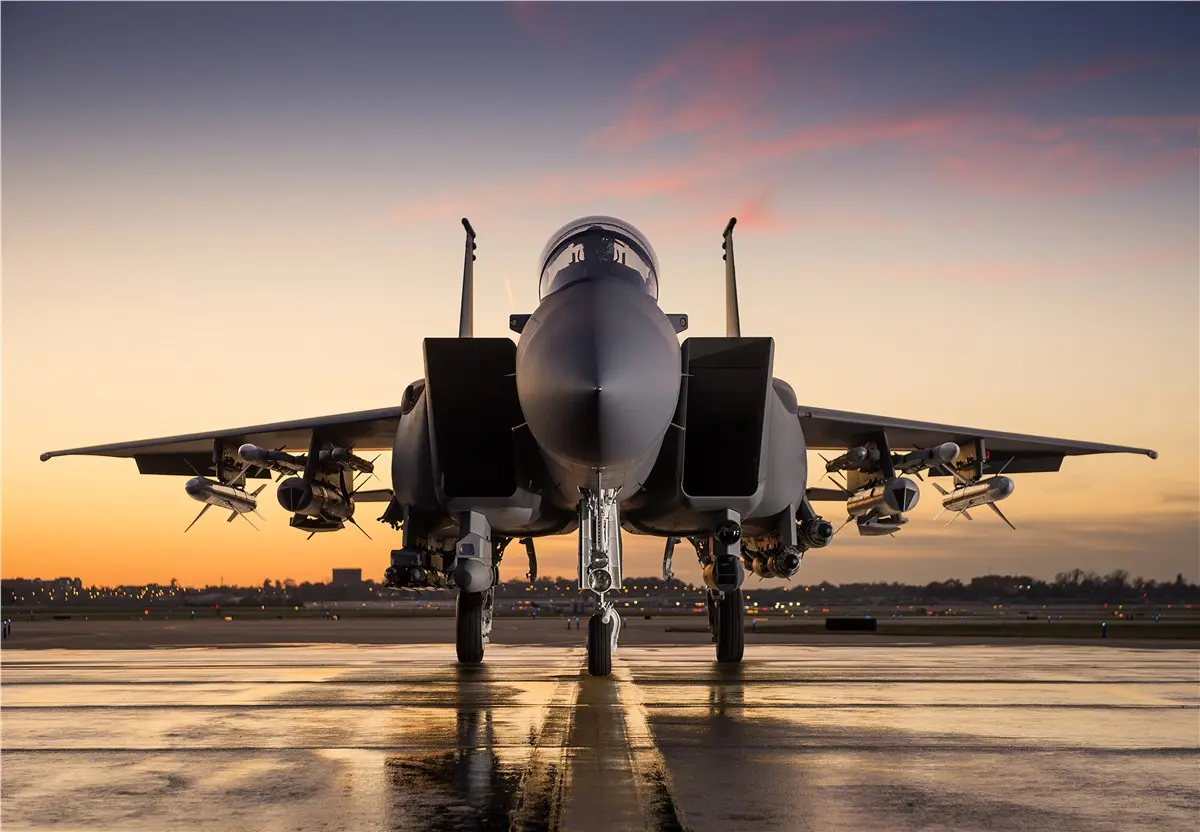
Infrared targeting pods
Underneath the fuselage, the aircraft carries advanced navigation and targeting pods. Aviation researchers state that these pods use forward-looking infrared to detect and laser-designate enemy forces in complete darkness.
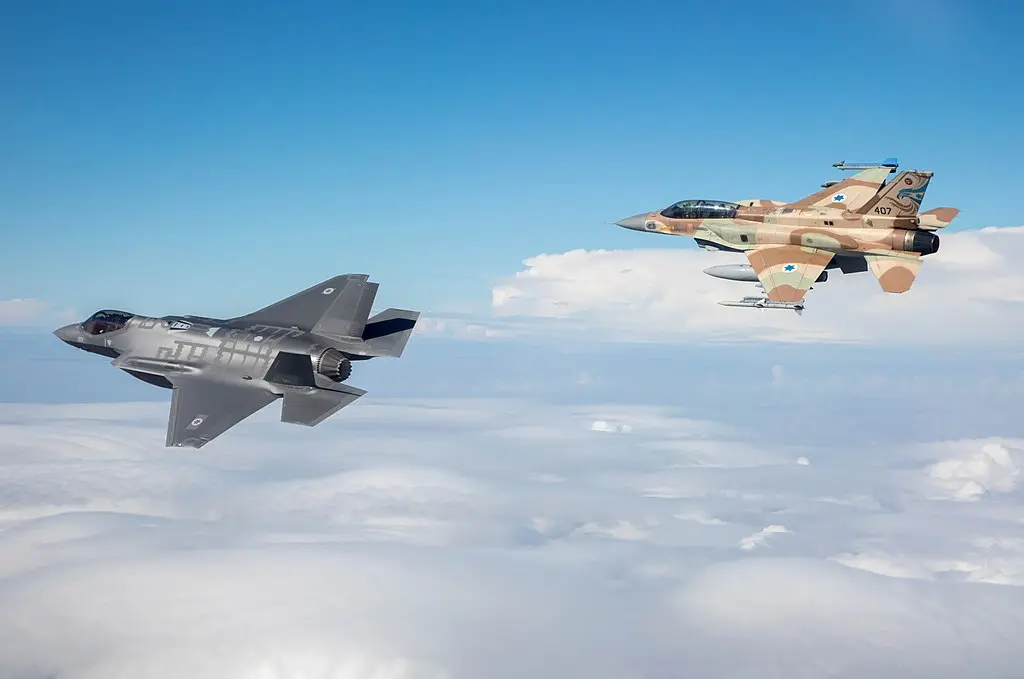
Safe low-altitude flying
Flying close to the ground at night is highly dangerous, but the F-15IA uses automated terrain-following radar. US Air Force operational guides explain this system allows the jet to automatically hug the earth and avoid mountains without visual reference.
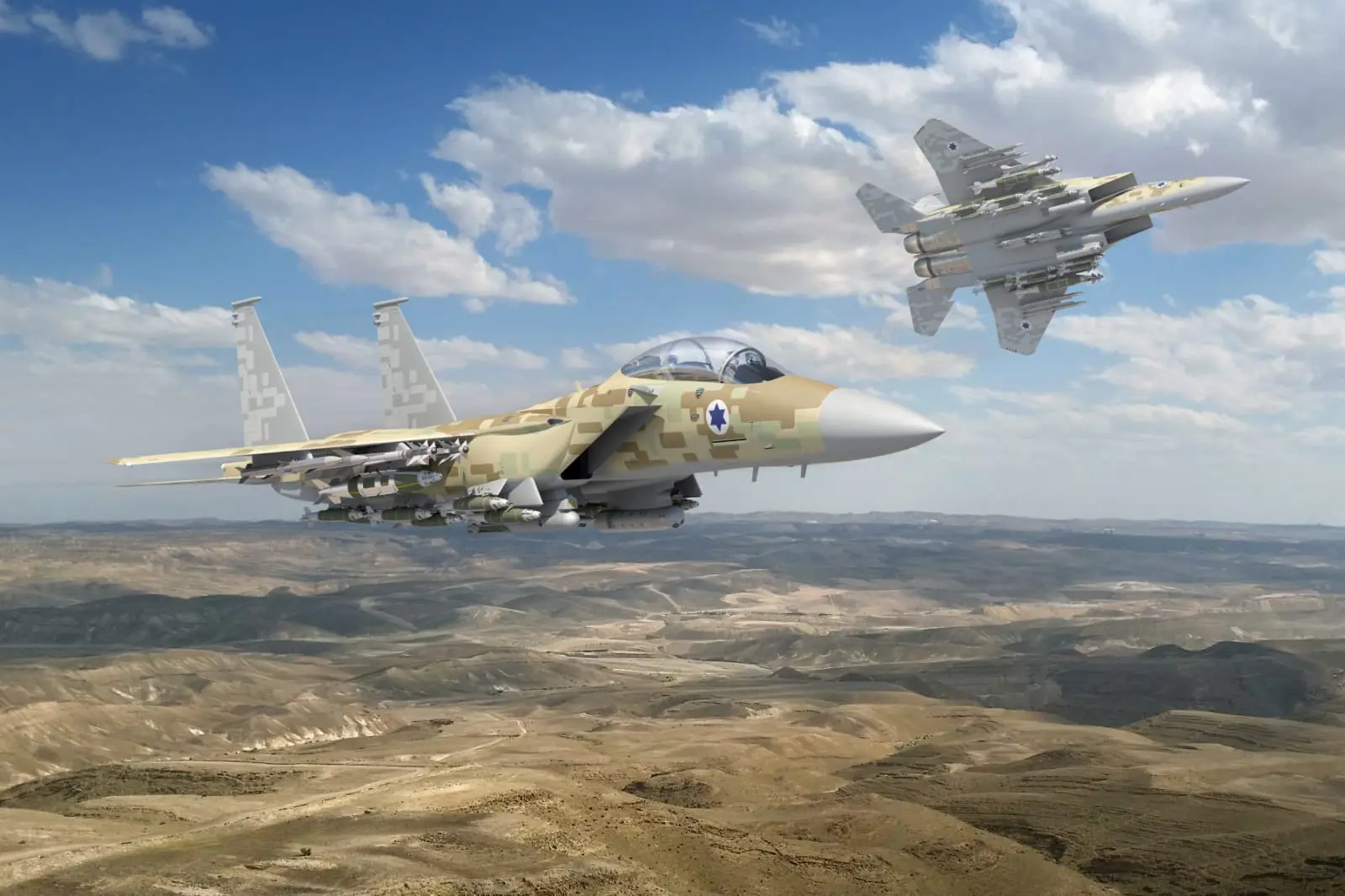
The Legion Pod sensor
When enemy electronic warfare jams standard radar, the aircraft can utilise the Legion Pod. Military technology reports confirm this infrared search and track system allows pilots to passively hunt enemy aircraft by their heat signatures alone.
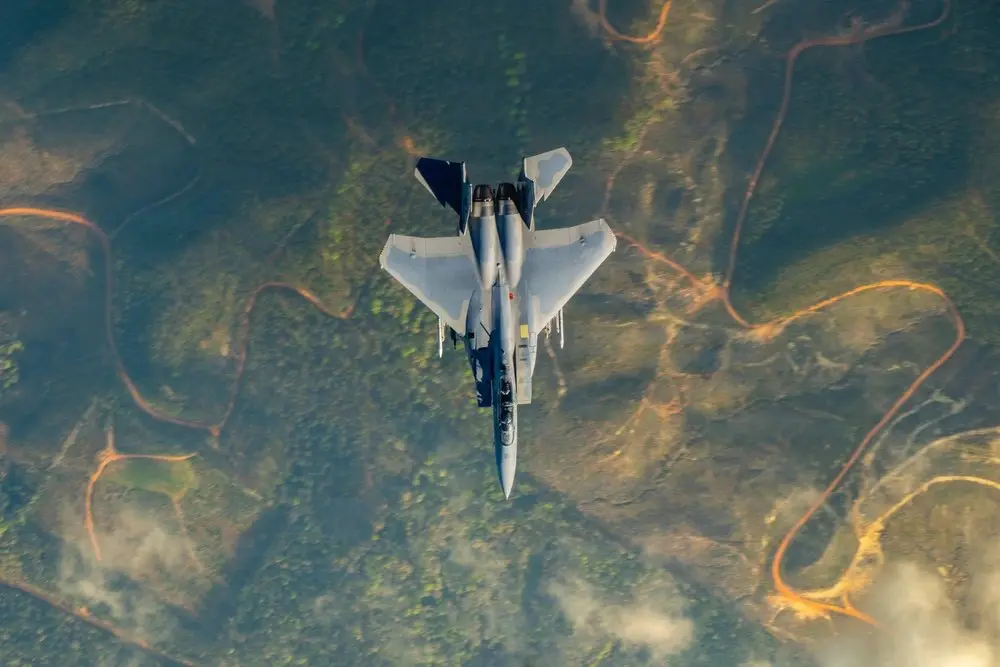
Helmet-mounted displays
Pilots process all this data using the advanced Joint Helmet Mounted Cueing System. Aerospace engineers designed this visor to project critical night-vision feeds, targeting boxes, and flight data directly into the pilot's line of sight.
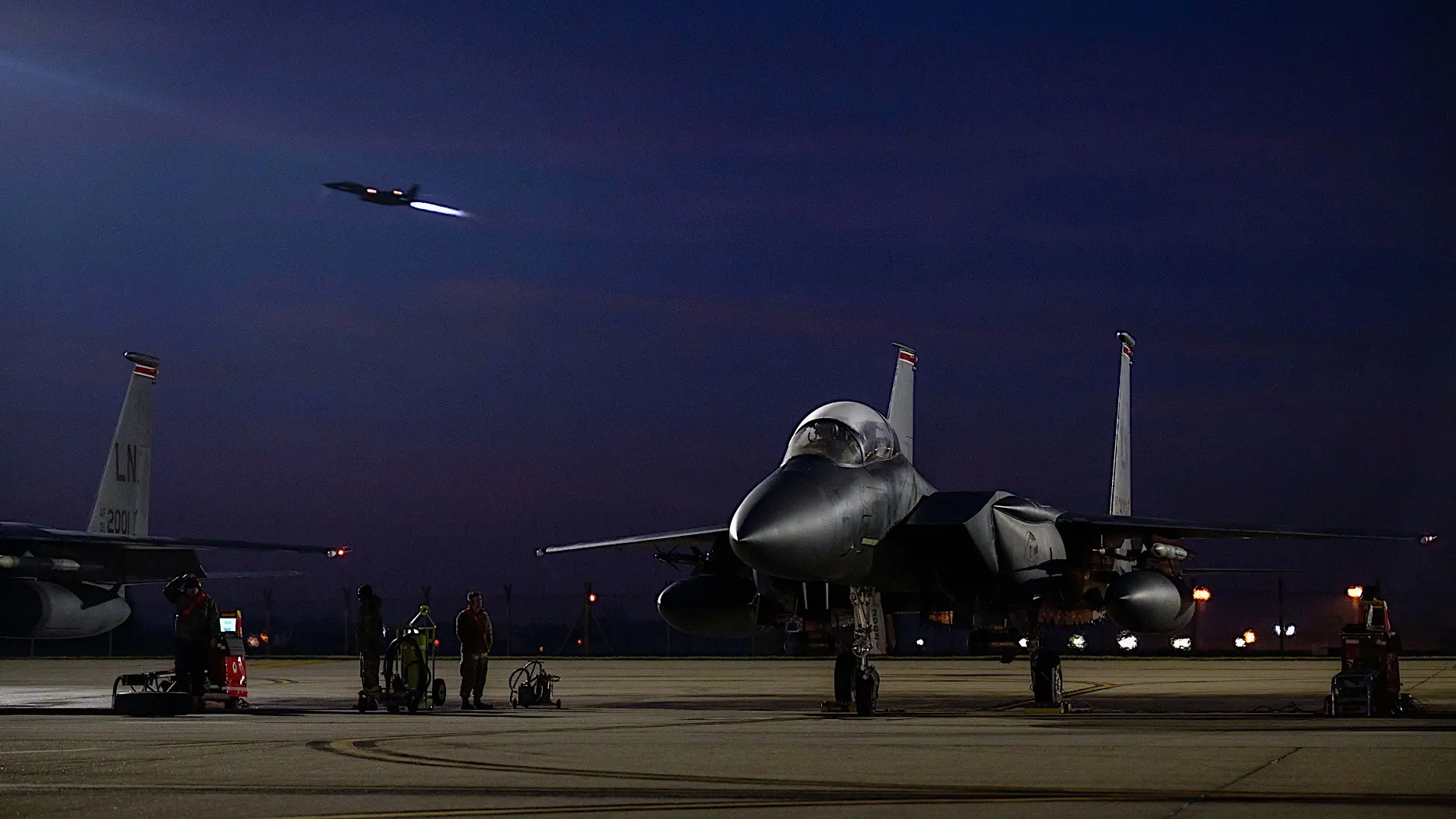
Constant combat readiness
Because bad weather cannot ground the F-15IA, it offers immense tactical value. Israeli defence experts highlight that its ability to deliver a 13,380-kilogramme payload on a rainy, moonless night ensures enemies have no safe window to operate.
)
)
)
)
)