Can the F-15IA fighter jet carry nuclear weapons?

While the F-15IA has a 13,380-kilogramme payload capacity to carry massive weapons, it is officially a conventional fighter. Israel's strict policy of nuclear ambiguity ensures no jet is ever publicly confirmed as a nuclear delivery system.
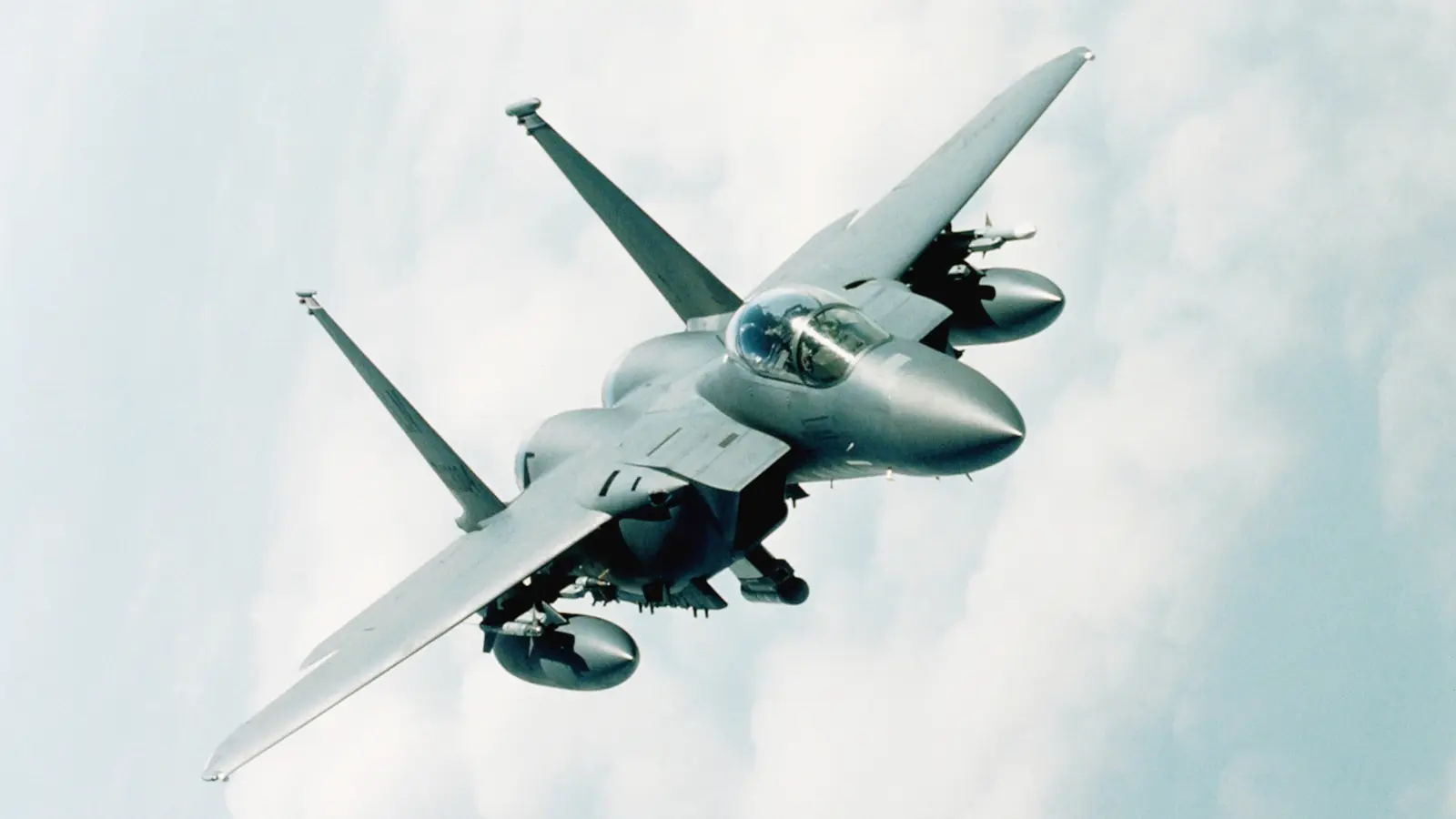
The official classification
Officially, the F-15IA is classified as a conventional multirole strike fighter. According to Boeing specifications, the aircraft is publicly designed to carry advanced conventional missiles and outsized bunker-buster bombs, rather than nuclear payloads.
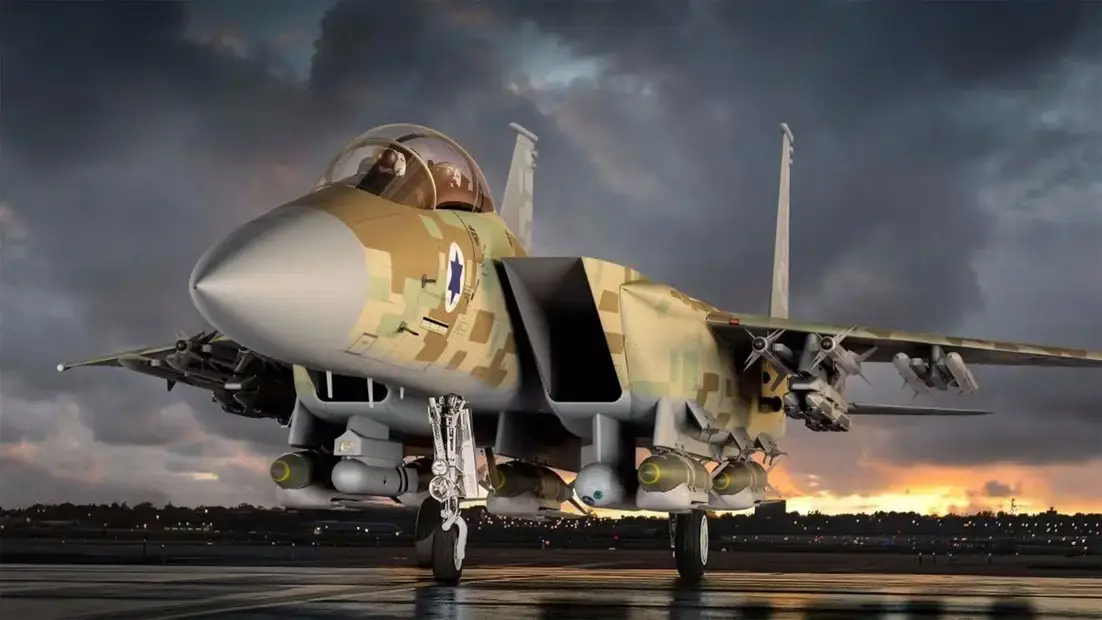
Payload capacity
Despite its conventional classification, the aircraft boasts an immense external payload capacity of 13,380 kilogrammes. Defence analysts confirm this easily allows the jet to carry the physical weight and dimensions of standard aerial nuclear gravity bombs.
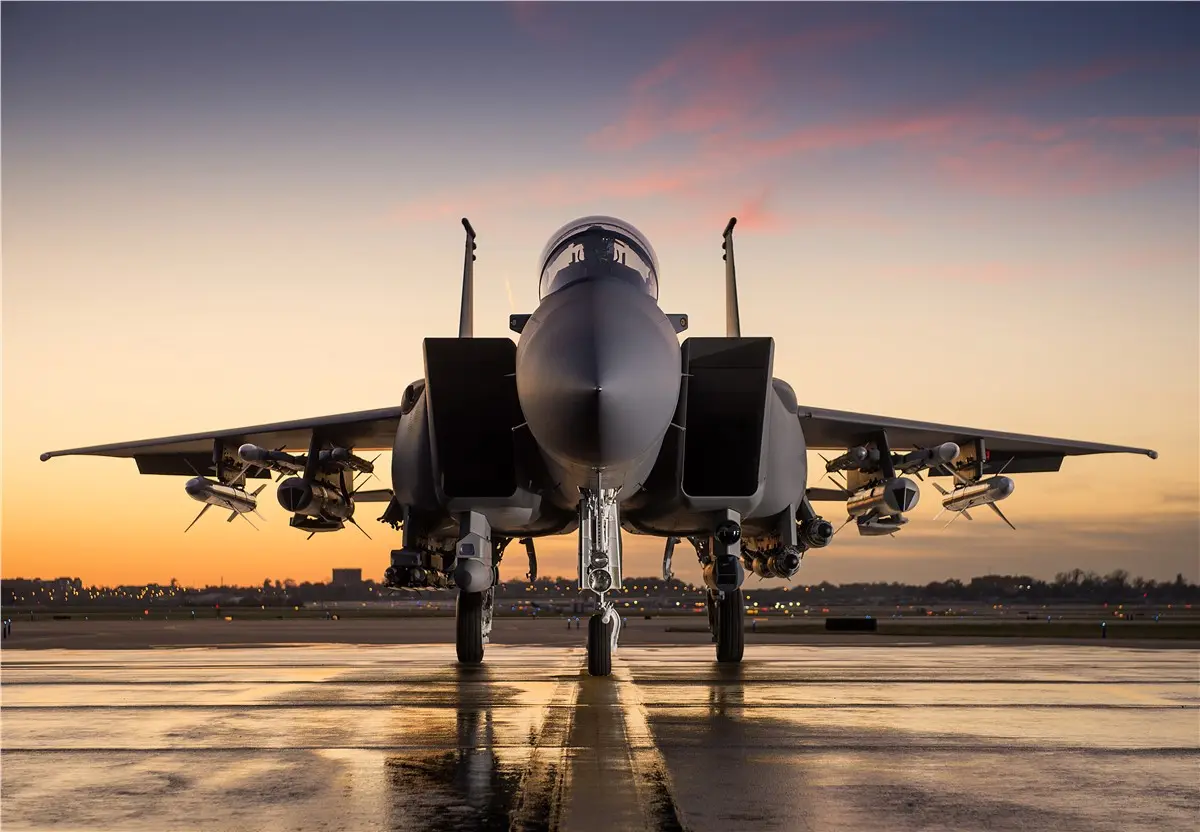
Israel's nuclear ambiguity
A major reason for the lack of official confirmation is Israel's long-standing policy of nuclear ambiguity. Government officials consistently refuse to confirm or deny the existence of an Israeli nuclear arsenal, meaning no aircraft is officially designated as a nuclear carrier.
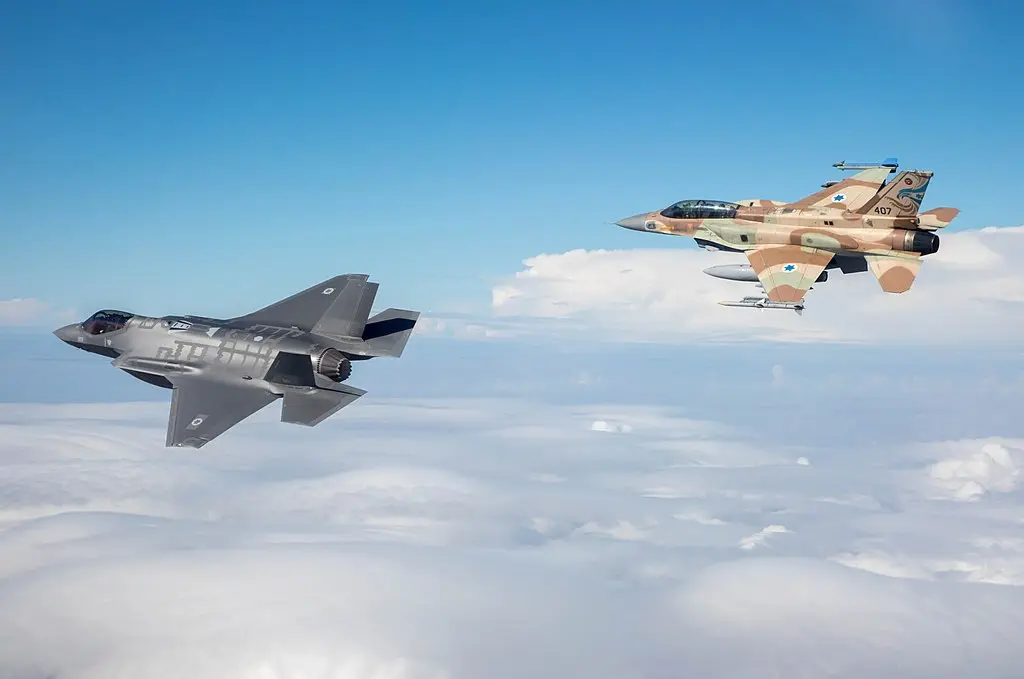
The American baseline
The F-15IA is directly based on the American F-15EX Eagle II. While the older US F-15E Strike Eagle is officially certified to carry B61 nuclear bombs, US Air Force documentation states the newer F-15EX is focused strictly on conventional and hypersonic weapon integration.
Heavy conventional focus
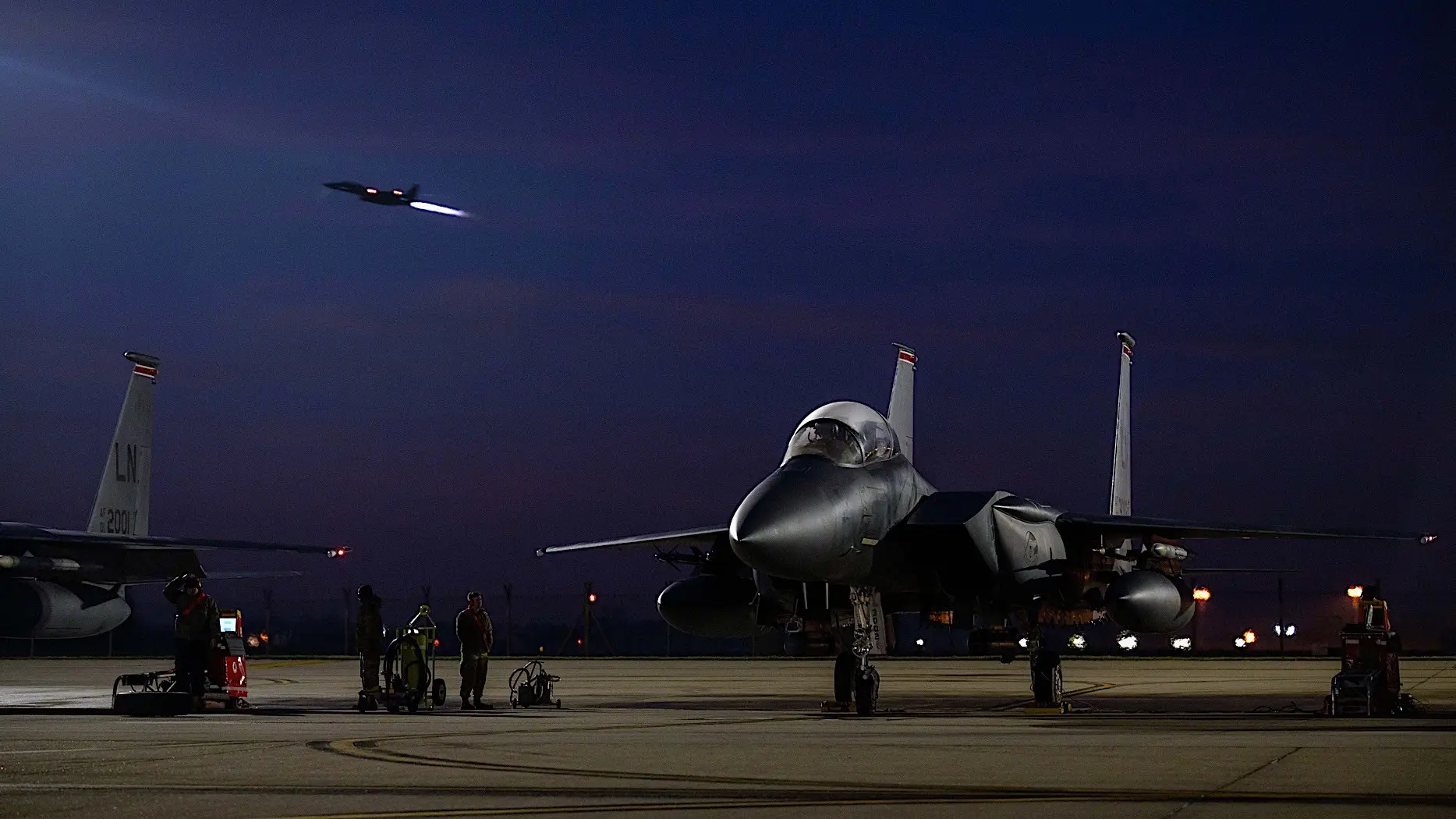
Instead of nuclear weapons, the F-15IA is explicitly engineered for overwhelming conventional firepower. Military procurement records show Israel plans to arm the jets with massive precision-guided munitions designed to destroy heavily fortified underground bunkers.
The strategic deterrent
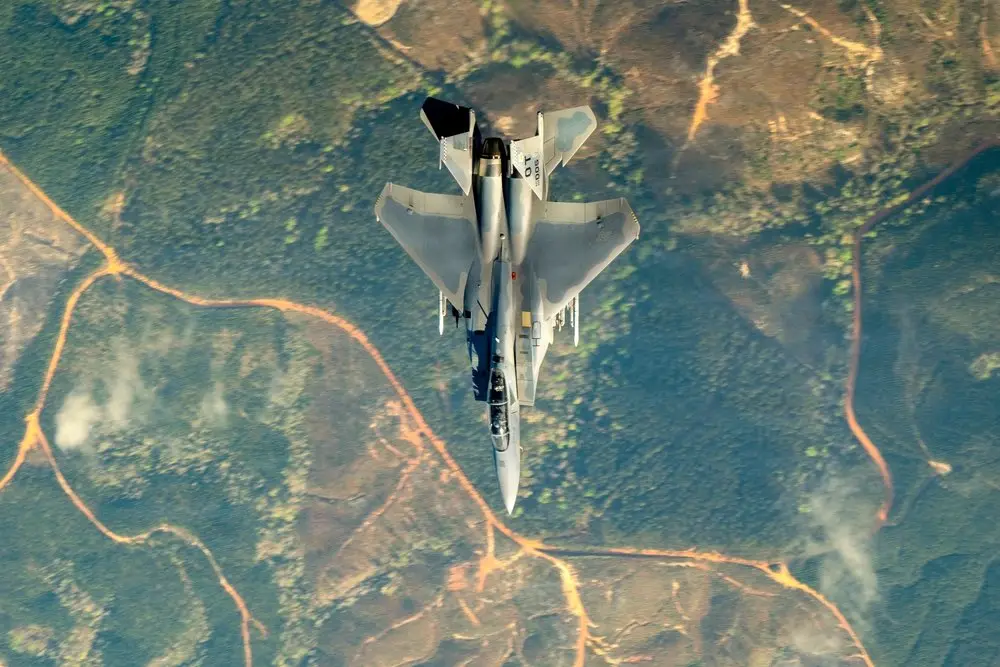
Even without confirmed nuclear capabilities, the jet acts as a massive strategic deterrent. Its 1,270-kilometre combat radius allows the Israeli Air Force to project an overwhelming conventional threat deep into hostile territory without relying on vulnerable refuelling tankers.
Unconfirmed expert theories
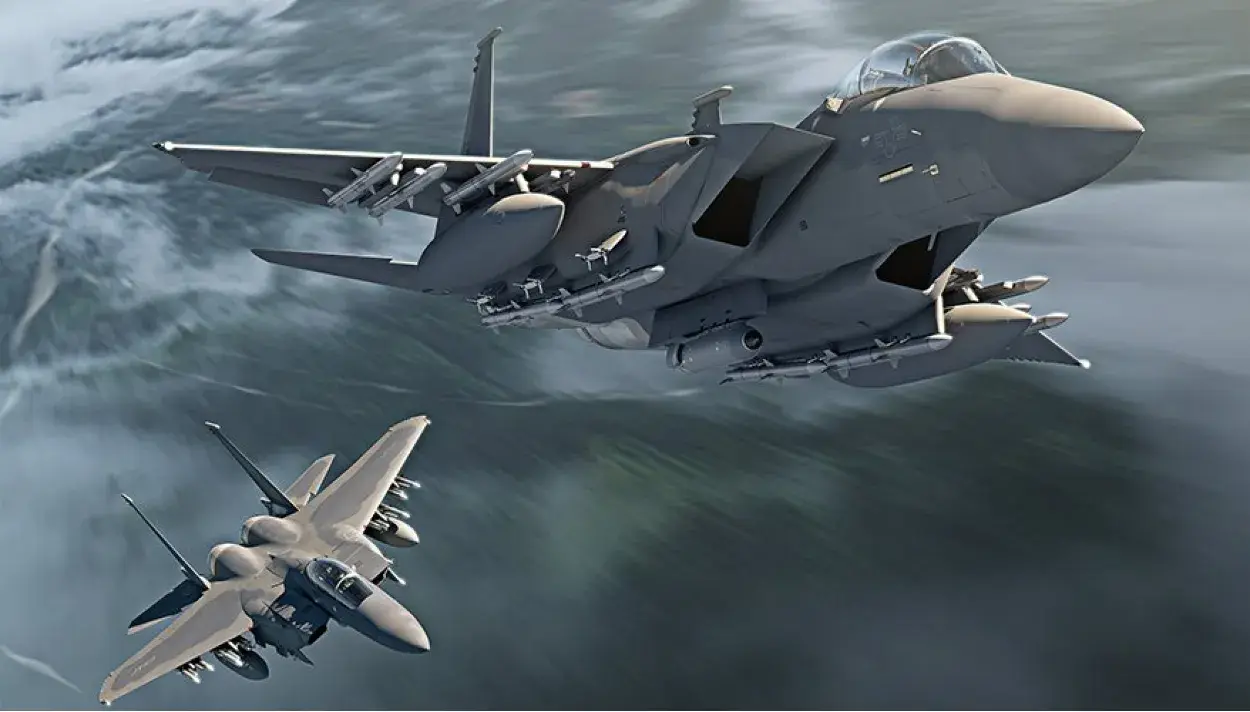
While official channels remain completely silent, international defence experts widely speculate that Israel's older F-15I fleet serves as a potential nuclear delivery system. Consequently, analysts theorise the new F-15IA could technically inherit this highly classified role if required in an extreme scenario.
)
)
)
)
)