Can the B-1B Lancer carry hypersonic missiles?

With its upgraded bomb bay and new pylons, the B-1B Lancer is set to carry dozens of hypersonic missiles, transforming US long-range strike power. This move may keep the legendary bomber in action through the 2030s. Know more below.
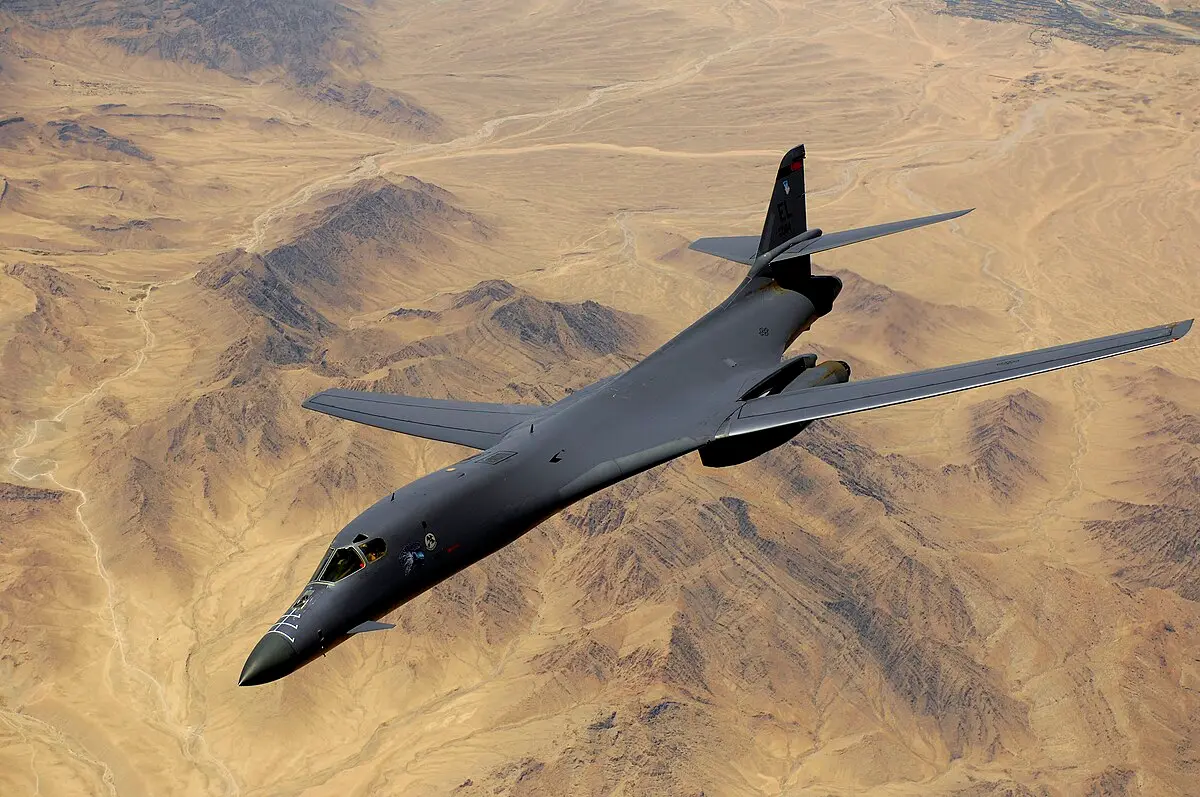
The Bomb Bay Upgrade - Making Room for Hypersonic Weapons
Recent improvements allow the B-1B’s bomb bays to fit hypersonic missiles, which travel at more than Mach 5. These adjustments also enable the aircraft to carry 50 per cent more payload, giving it the flexibility to load both conventional and cutting-edge munitions at once. This upgrade transforms the B-1B from a traditional bomber into a future-ready missile carrier.
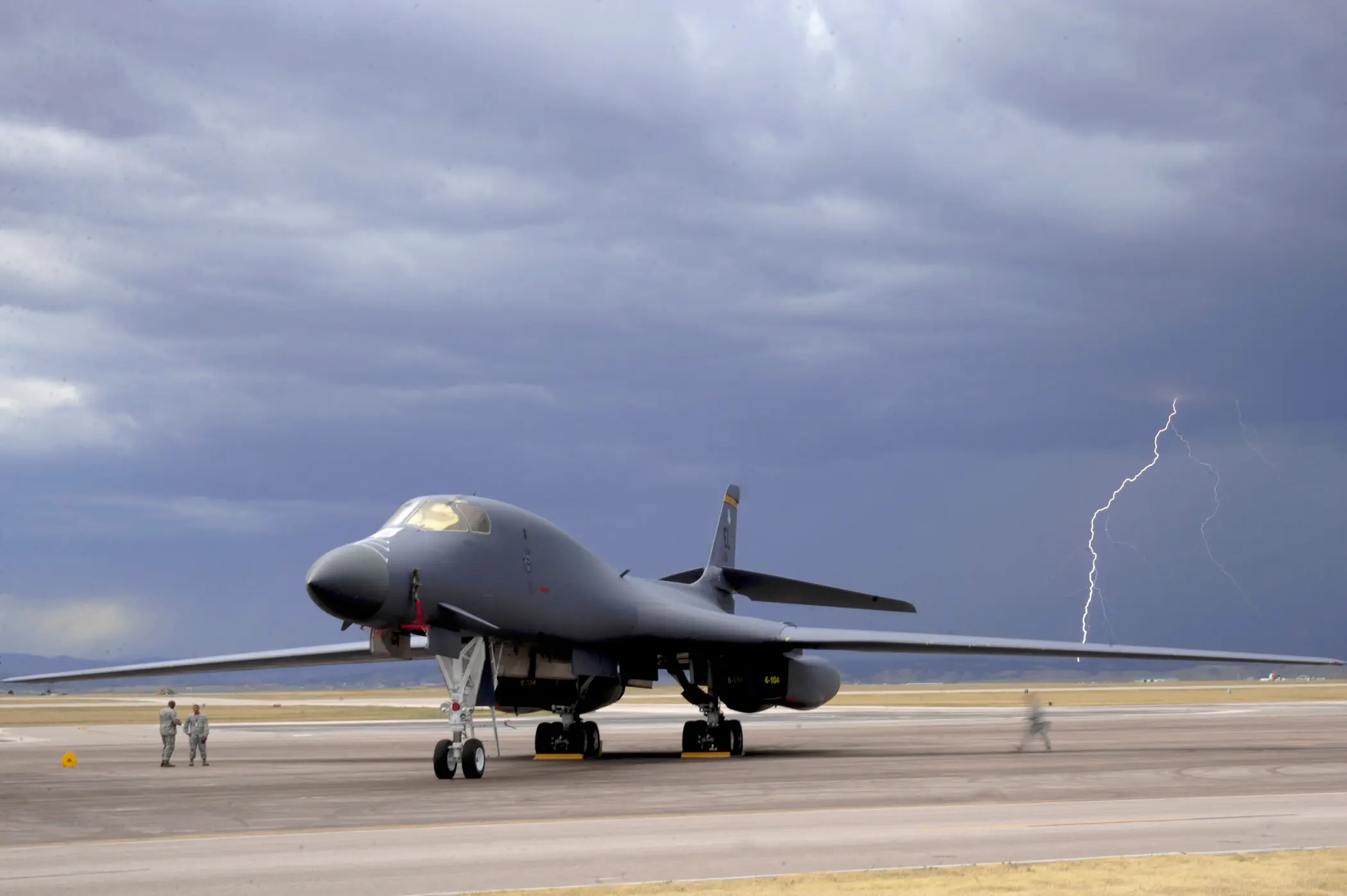
How Many Hypersonic Missiles Can It Carry?
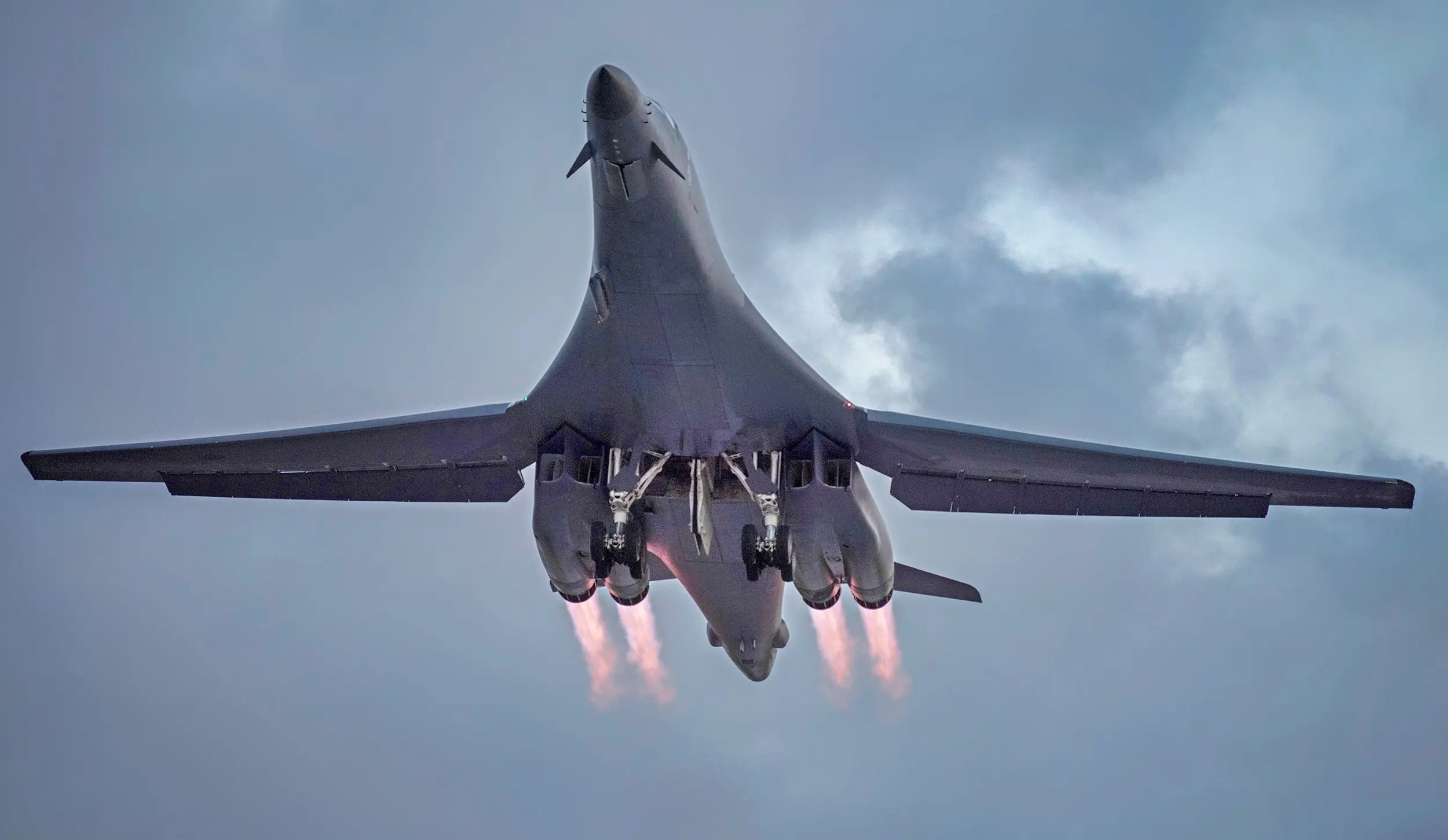
With the addition of Load Adaptable Modular (LAM) pylons, each B-1B could potentially carry up to 36 hypersonic missiles 24 inside and 12 externally. For context, even carrying half that number would surpass the missile capacity of many whole air forces. This makes the B-1B a key tool for overwhelming enemy air defences with coordinated salvos.
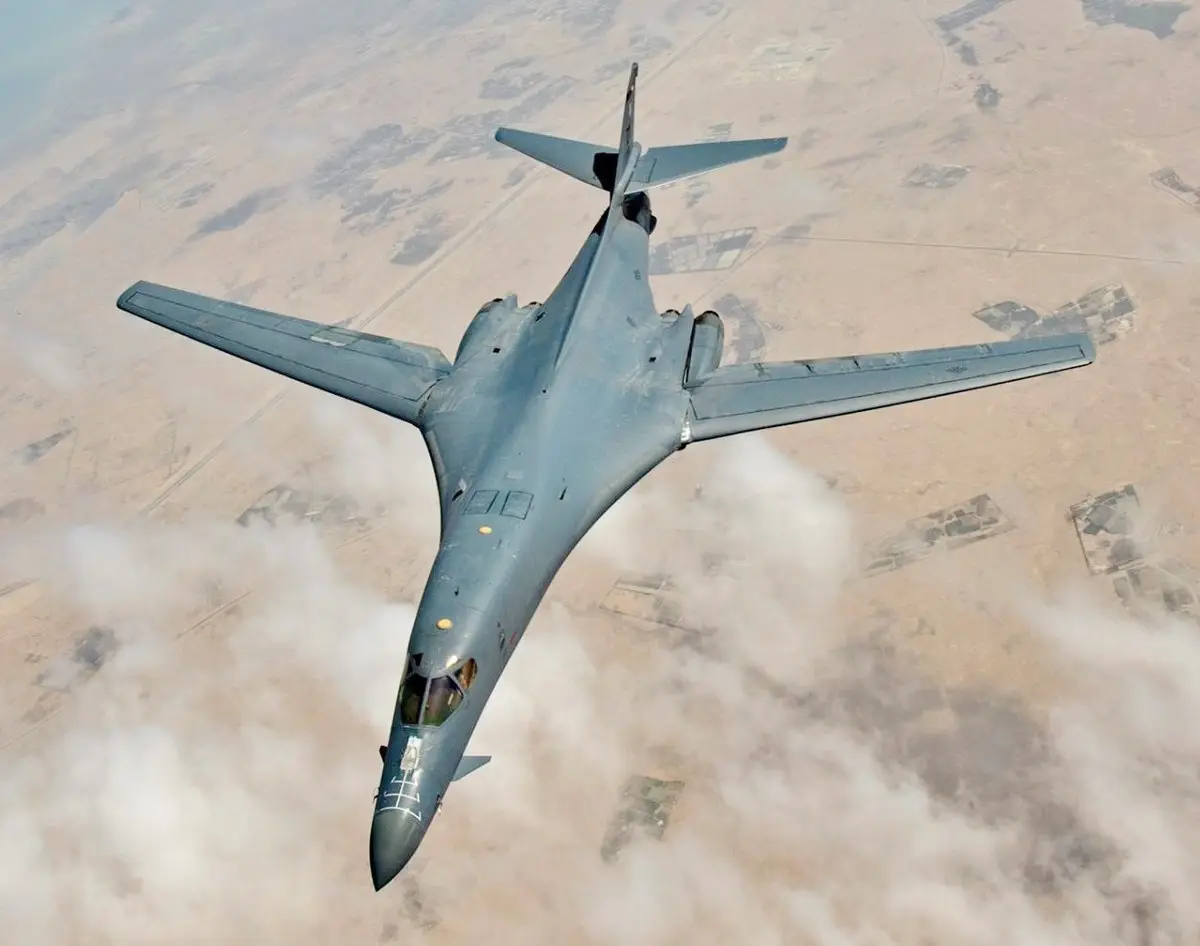
The Technology Behind Hypersonic Missiles
Hypersonic missiles fly at speeds faster than 6,200 km/h, making them nearly impossible for most defence systems to intercept. US projects like the AGM-183A ARRW and other boost-glide-type weapons are designed specifically for such platforms. Once fired from high altitude by a B-1B, these missiles could reach targets thousands of kilometres away in minutes.
Enhanced Strike Capabilities and Range
The B-1B Lancer’s powerful engines and large fuel capacity already give it a range of over 9,400 km. With hypersonic missiles, the bomber could engage hardened, time-sensitive, or moving targets from safer distances, staying clear of the most dangerous enemy airspaces. Longer range means greater survival odds and flexibility for global missions.
Different Roles
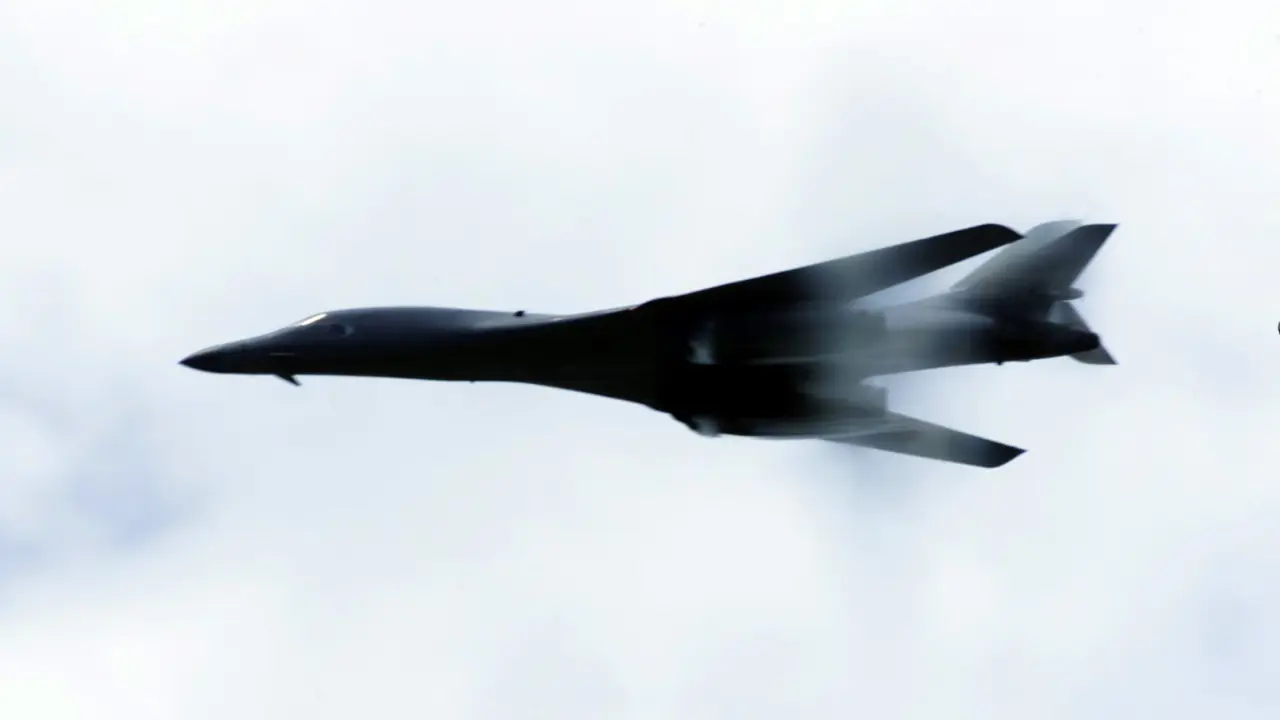
With its new weapons, the B-1B Lancer can strike both land and maritime targets, acting as a “missile truck” for the US military. In some scenarios, it could launch multiple hypersonics at warships, airfields, or underground bunkers before turning away at supersonic speeds. This is a major shift from classic bombing runs, where bombers often needed fighter escorts to survive.
Battle Scenarios - Transforming Air Power
In a conflict situation, the B-1B can launches waves of hypersonic missiles at high-value enemy sites while out of range of interception. Its payload flexibility allows mixing anti-ship, anti-runway, and anti-defence missiles in the same sortie. The bomber could disrupt military operations in hours, forcing adversaries to rethink air defence strategies.
The Strategic Future and Limitations
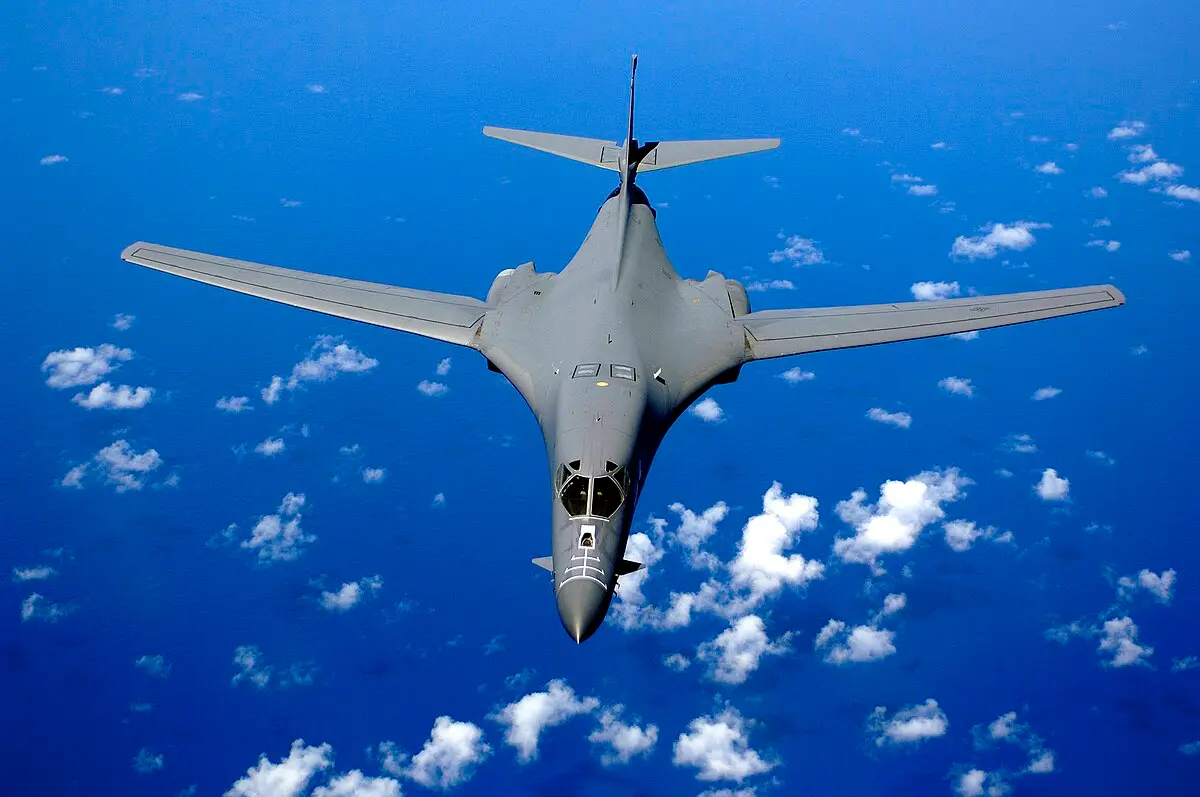
Even with these upgrades, the B-1B is not invisible to advanced air defences and must rely on careful route planning, electronic jamming, and support from stealth assets. Still, adding hypersonic capability ensures the Lancer remains relevant until the new B-21 Raider bomber becomes active and could keep it flying well into the next decade.
)
)
)
)
)