Can tank crews sleep in their tanks?

Tank crews face extreme discomfort when sleeping on the battlefield. While high threat levels force them to sleep upright in cramped interior seats, safe conditions allow them to sleep on the warm engine deck or in makeshift tents outside. Sleeping underneath the tank is strictly avoided.
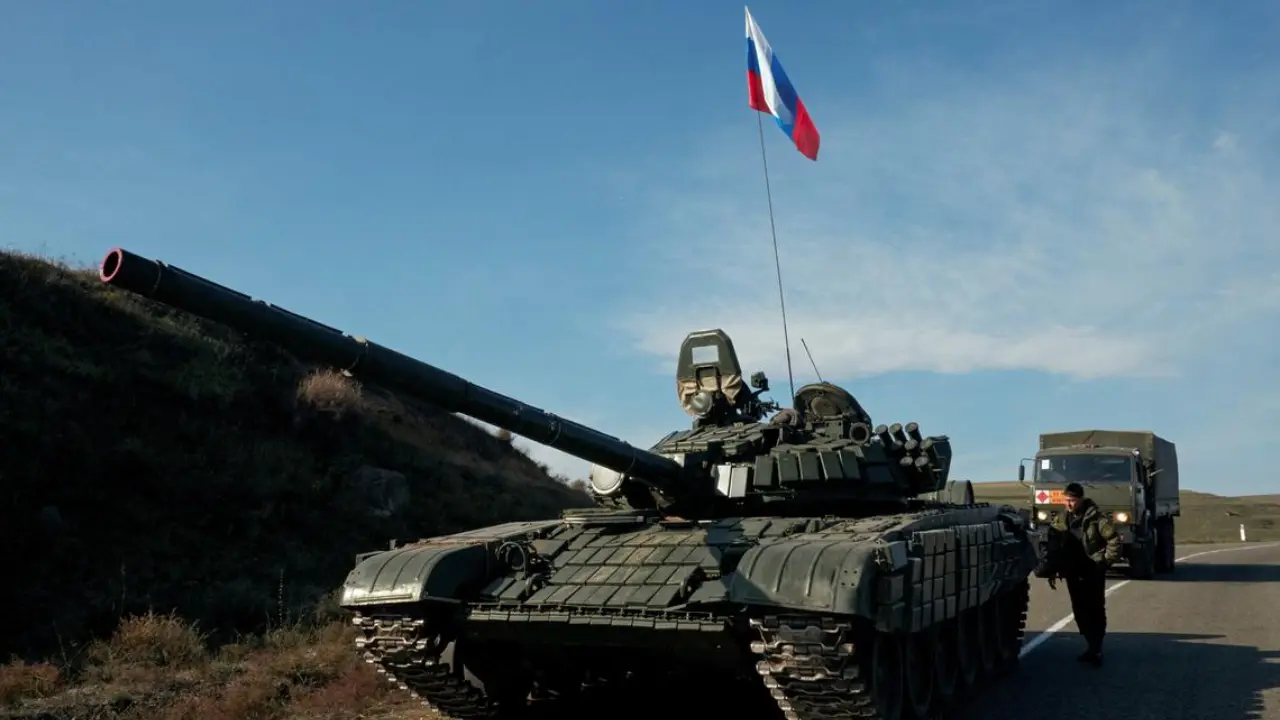
The cramped interior
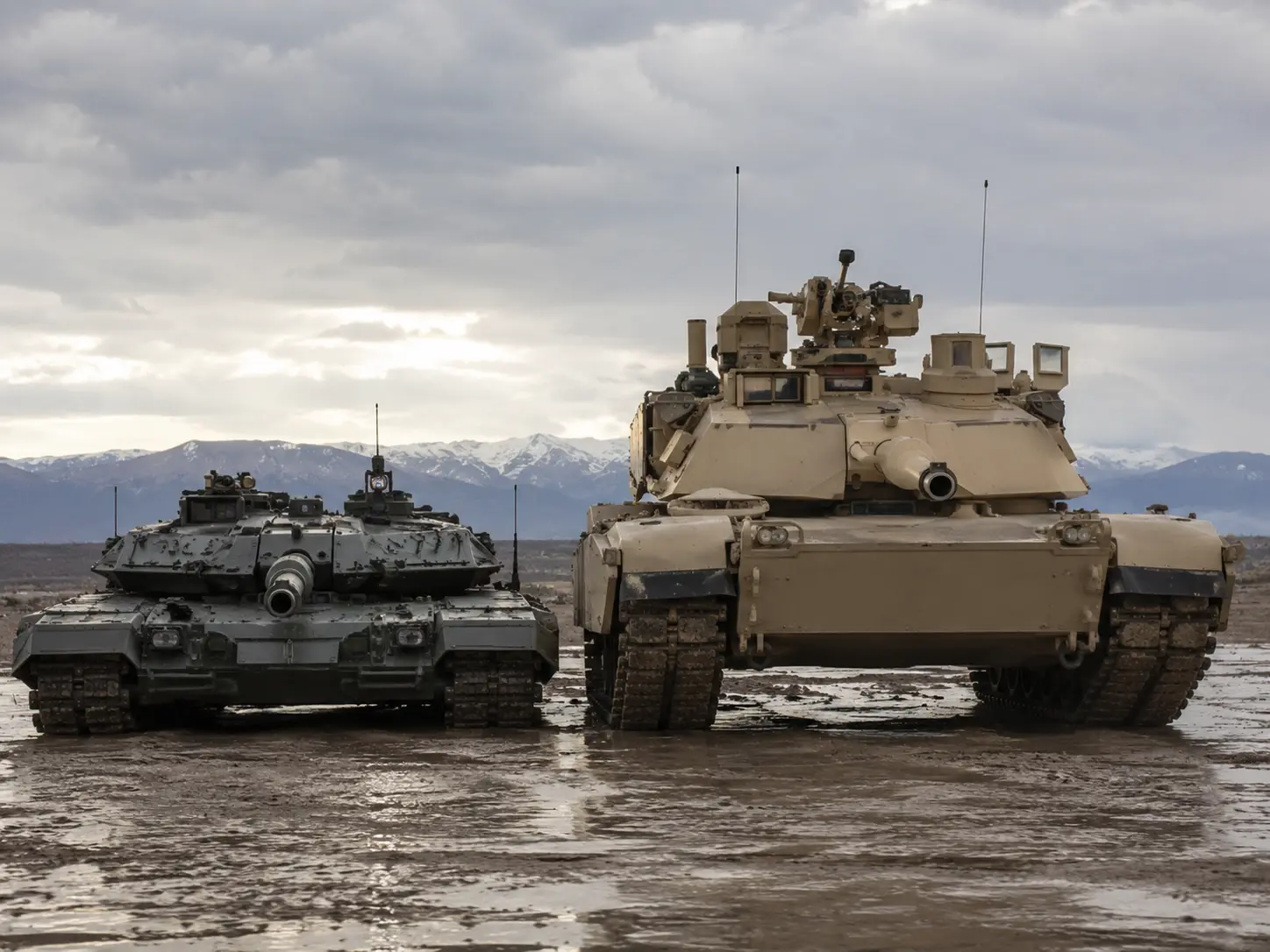
Modern main battle tanks are packed with electronics, ammunition, and heavy weaponry, leaving no room for beds. According to military veterans, tanks are designed solely for sitting or standing, making the interior extremely uncomfortable for rest.
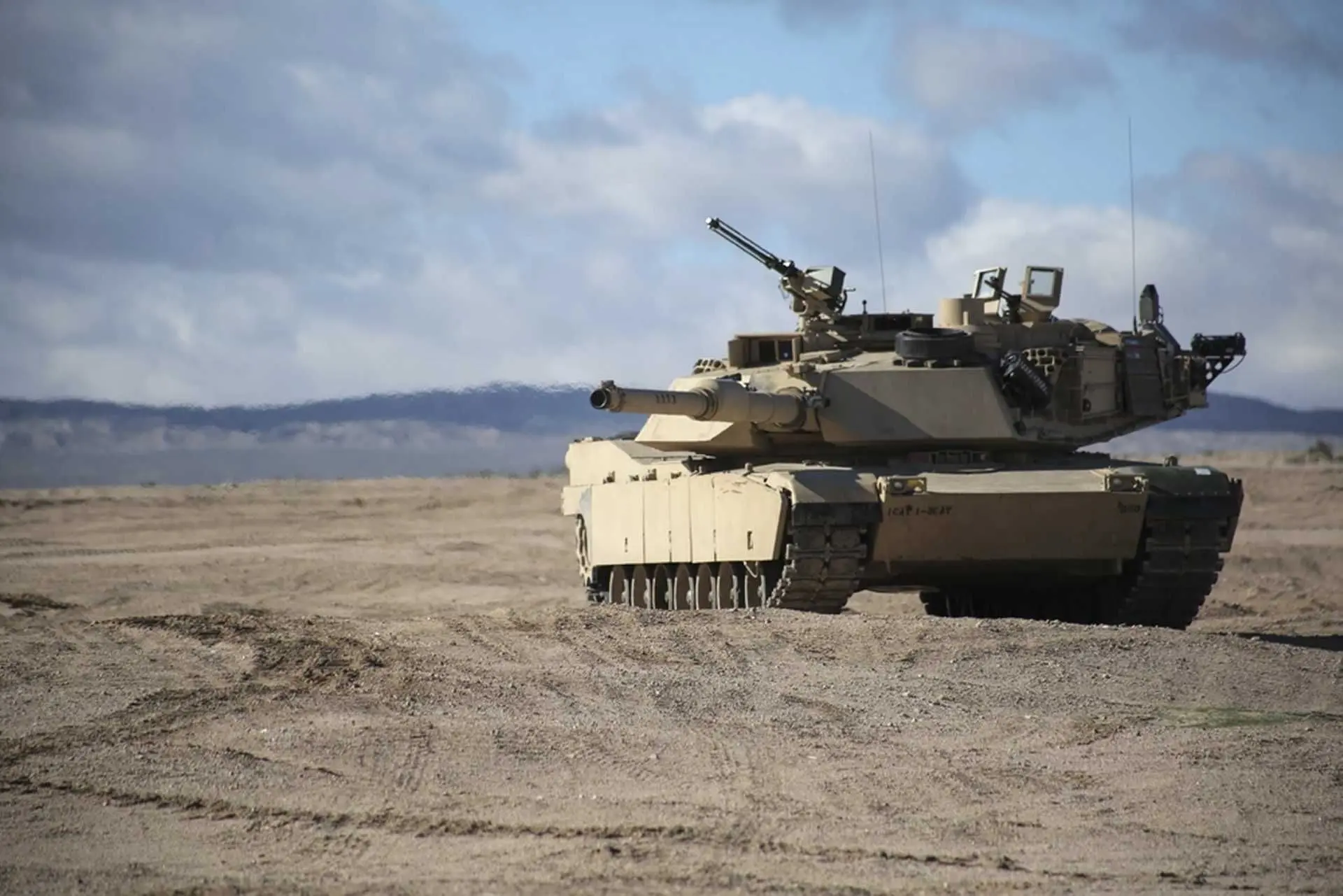
Sleeping 'buttoned up'
When enemy threat levels are high, crews must sleep fully sealed inside the tank. Veterans of the US M1 Abrams note that the driver's seat is the best spot because it reclines, while commanders sleep sitting upright in tight spaces.
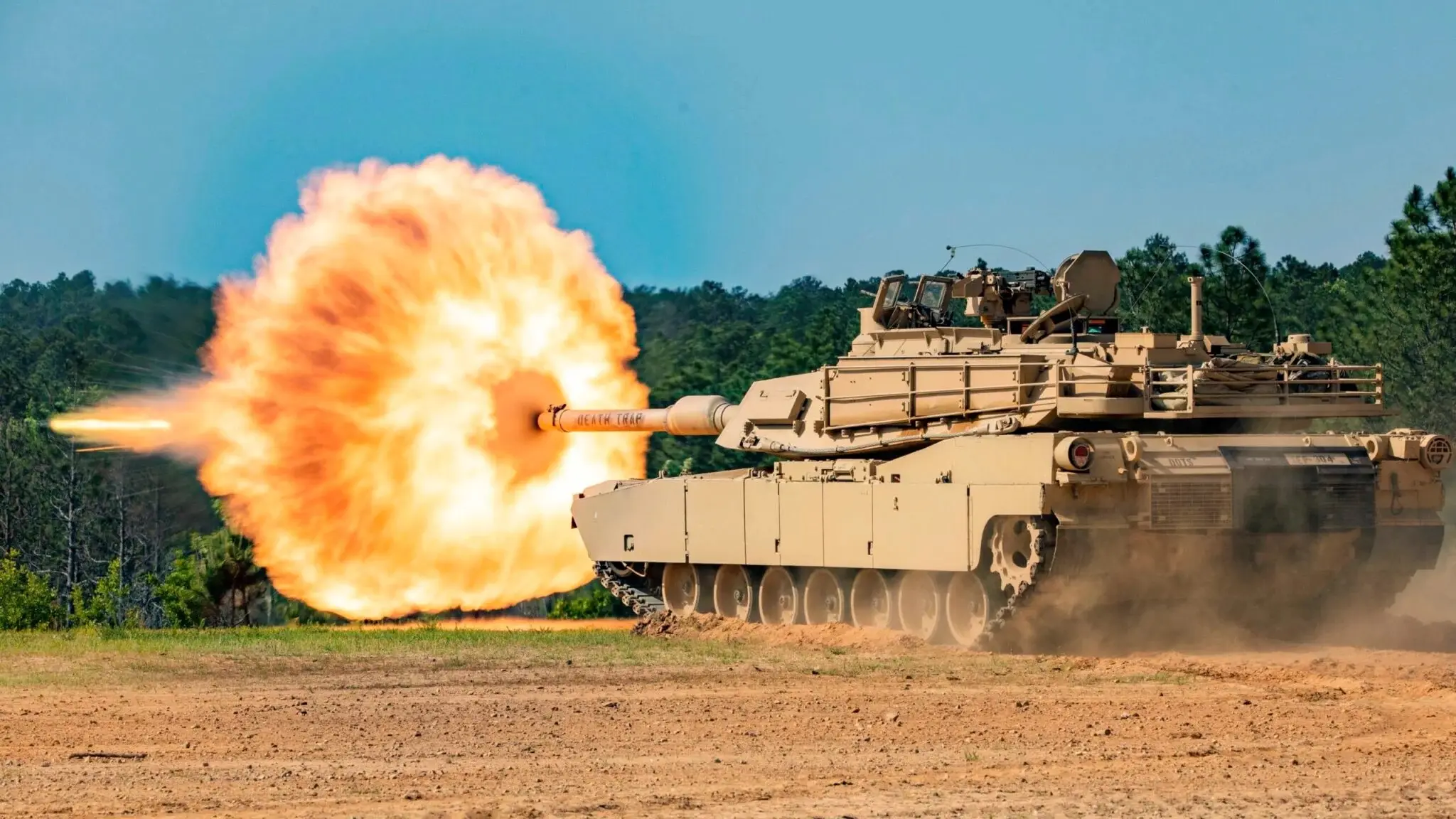
The warm engine deck
If it is safe to exit the turret but the weather is cold, the rear engine deck becomes the preferred sleeping area. Tank operators frequently use this spot because the massive engine block stays comfortably warm for hours after shutdown.
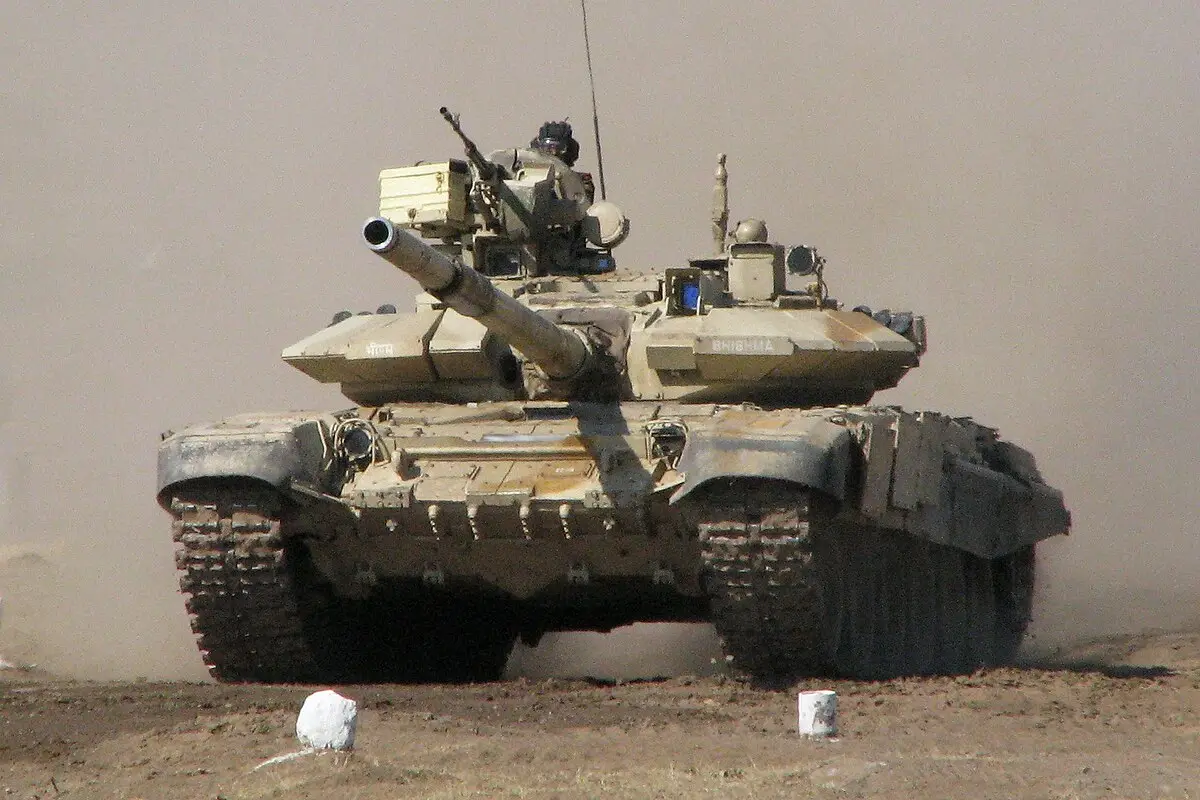
Pitching camp outside
During prolonged operations with lower threat levels, crews typically sleep outside the vehicle to stretch their legs. Standard practice involves pulling a tarpaulin from the side of the tank to create a makeshift tent and setting up sleeping bags.
The dangers of underneath
While sleeping beneath the heavy armour might seem like a safe shelter, military safety protocols strictly advise against it. If the 60-tonne vehicle suddenly sinks in mud or needs to move rapidly during an ambush, sleeping crews risk being fatally crushed.
)
)
)
)
)